
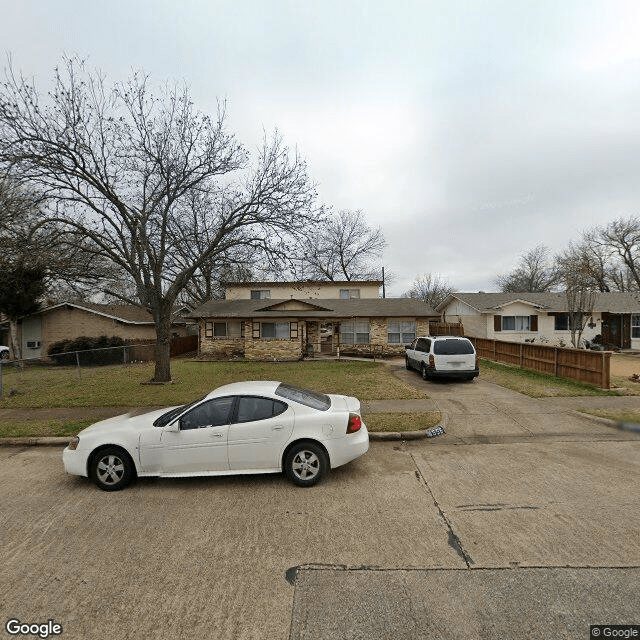
4666 La Rue Street, Dallas, TX 75211
For more information about senior living options: (866) 208-4318
Albert Assisted Living Facility Costs & Pricing
At Albert Assisted Living Facility, the monthly costs for accommodations reflect a competitive pricing structure when compared to both Dallas County and the broader state of Texas. For semi-private rooms, residents are charged $2,000 per month, significantly lower than the county average of $3,535 and the state average of $3,680. Similarly, the private room rate at Albert is set at $3,000, again more affordable than Dallas County's average of $4,702 and slightly below the state average of $4,096. This positioning not only highlights Albert Assisted Living Facility's commitment to providing quality care at accessible rates but also makes it an attractive option for families seeking supportive living arrangements in a financially savvy manner.
| Floor plans | Albert Assisted Living Facility | Dallas County | Texas |
|---|---|---|---|
| Semi-Private | $2,000 | $3,535 | $3,680 |
| Private | $3,000 | $4,702 | $4,096 |
Assisted Living communities with a similar price nearby
-
from +$100 / mo
Only the Strong Survive
$2,100 to $2,500 / month17.0 miles away -
About the same
Silver Creek Assisted Living Garland
$1,995 to $3,675 / month20.0 miles away -
from +$385 / mo
Briarview Senior Living
$2,385 to $5,715 / month19.0 miles away -
from +$395 / mo
Silvermark Assisted Living
$2,395 to $3,895 / month21.4 miles away -
from -$65 / mo
The Wellington at Arapaho
$1,935 to $3,485 / month19.6 miles away
Overall Review of Albert Assisted Living Facility
Pros
 He feels welcome at Albert Assisted Living.
- The food is good and he is friends with the cook.
- The caregivers are nice and take good care of him.
- The home is well taken care of.
- He participates in activities and enjoys a BBQ.
Review
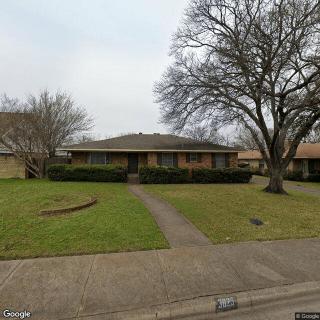
Albert Assisted Living in Dallas is best suited for seniors who prize a warm, home-like atmosphere over a large, institutional setting. In a six-bed home, the environment remains intimate enough for residents to feel known and welcomed from day one. The tone set by the staff translates into reliable daily rhythms, where caregivers become familiar faces and interactions are personal rather than transactional. The consistent presence of a local cook who builds rapport with residents helps sustain appetite and morale, making meals more than just nourishment. For families seeking a setting where staff attention is visible in everyday moments and social life happens in a comfortably small circle, this community checks the right boxes.
This community may not be the obvious fit for every senior, however. Those requiring more intensive medical oversight, frequent clinical visits, or a dedicated memory care environment should consider alternatives with stronger on-site nursing coverage and specialized programming. A larger assisted living campus or a facility with a memory care unit often offers a broader array of medical supports, therapy options, and structured routines designed to accommodate higher acuity needs. Families dealing with complex medication regimens, aggressive behaviors, or require round-the-clock skilled nursing may discover that the six-bed model, while intimate, lacks the depth of resources found in bigger operations.
On the upside, the core advantages are clear and quantifiable. The six-bed footprint fosters genuine warmth and low-stress interactions; staff turnover in small homes tends to be minimal, and the opportunity to develop trusted relationships with caregivers can improve consistency and responsiveness. The quality of the food and the rapport with the cook translate into a tangible uplift in day-to-day life, often making meals a highlight rather than a routine obligation. The home’s upkeep, clean, tidy, and well maintained, eliminates the maintenance headaches that can wear on residents and families alike. Activity participation, including social events like a barbecue, demonstrates an engaged, inclusive culture where residents are invited to contribute to the day’s social fabric rather than watch it from the sidelines.
What’s less visible, but important to weigh, are the trade-offs inherent in such a small operation. The obvious con is the limited scale: fewer residents mean fewer distinct social groups and potentially less variety in programming. For families seeking a broad menu of enrichment options, off-site excursions, or specialty classes, the options may feels constrained. Additionally, the scope of medical and therapeutic services in-house is naturally narrower than at larger communities, which can matter for residents with evolving care needs or complex medication management. Yet these potential drawbacks are offset by the strength of relationships, the predictability of routines, and the high-touch, family-like atmosphere the small house cultivates.
For families evaluating this option, practical checks during a visit should include confirming staffing patterns and on-call coverage, assessing how medications are managed, and understanding the cadence of activities and transport if off-site experiences are desired. It is wise to ask about the emphasis on nutrition, the adaptability of menus, and how caregivers respond to changing appetite or health conditions. Inquire about how the house handles emergencies, the process for medical appointments, and how family members stay connected with caregivers between visits. These specifics illuminate whether the intimate setting can sustain the resident’s evolving needs without sacrificing safety or peace of mind.
In sum, Albert Assisted Living offers a compelling fit for seniors who want a welcoming, small-community experience with reliable caregiving, solid meals, and an active social life in a home-like environment. It stands out for residents who thrive on personal connections and prefer intimate oversight over a larger, more anonymous campus. For those whose care needs lean toward higher acuity, memory-specific support, or a broader spectrum of on-site services, alternatives with more extensive clinical resources and larger activity ecosystems are worth exploring. The right choice hinges on balancing the value of personalized attention and a cozy, participatory culture against the practical requirements of medical support and programming breadth.
 8 resident community capacity
 Assisted Living
 Board and Care Home
 Respite Care
 Activities off-site
 Air-conditioning
 Bath tubs
 Cable or satellite TV
 Devotional services off-site
 Dining room
 Fully furnished
 Garden
 Handicap accessible
 Housekeeping services
 Indoor common areas
 Move-in coordination
 Outdoor common areas
 Private
 Telephone
 Wi-Fi/high-speed internet available
 Dallas Love (10 miles away)
 24-hour supervision
 Ambulatory care
 Assistance with bathing
 Assistance with dressing
 Assistance with transfers
 Diabetes diet
 Diabetic care
 Meal preparation and service
 Medication management
 Special dietary restrictions
 Transportation arrangement (medical)
 Transportation to doctors appointments
 Art classes
 BBQs or picnics
 Cooking classes
 Day trips and outings
 Stretching classes
 Visiting chaplain or priest





 Beyond the Bingo Hall: 50+ Enriching Activities for Seniors in Assisted Living
 Understanding the Distinctions: Assisted Living and Memory Care Explained
 Guiding Elderly Parents Who Refuse Assisted Living: 6 Practical Steps