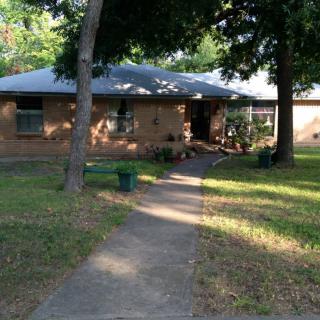
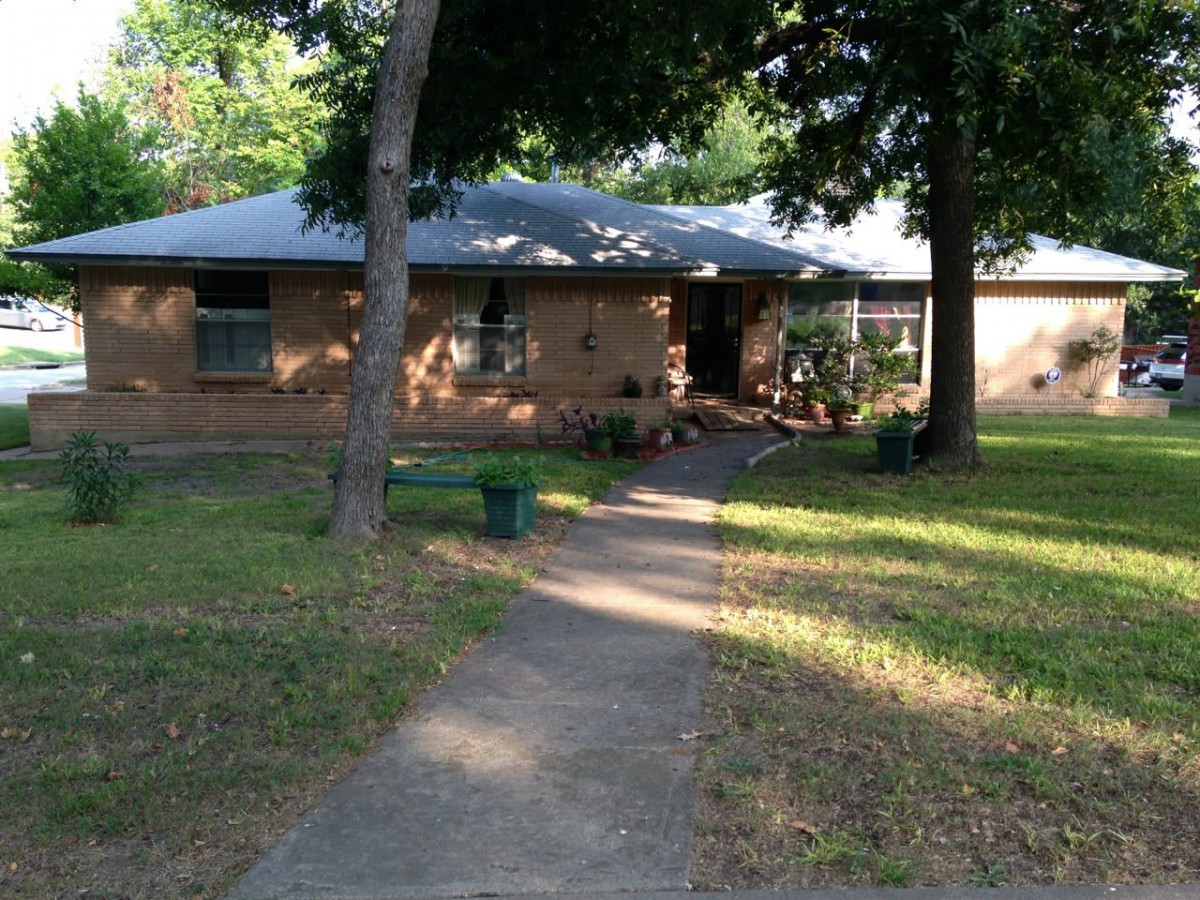



3327 Springwood Lane,Oak Assisted LIV, Dallas, TX 75233
For more information about senior living options: (866) 208-4318
Oaks Assisted Living Costs & Pricing
Oaks Assisted Living offers a semi-private room at a competitive rate of $2,500 per month, which is significantly lower than the averages in both Dallas County and the broader state of Texas. In comparison, the average cost for a semi-private room in Dallas County stands at approximately $3,535, while the state average is around $3,680. This pricing positions Oaks Assisted Living as an attractive option for those seeking quality care without the burden of exorbitant expenses, reflecting their commitment to providing accessible assisted living solutions in the community.
| Floor plans | Oaks Assisted Living | Dallas County | Texas |
|---|---|---|---|
| Semi-Private | $2,500 | $3,535 | $3,680 |
Assisted Living communities with a similar price nearby
-
About the same

Halo Residential Care Homes
$2,500 to $3,000 / month11.0 miles away -
from -$400 / mo

Only the Strong Survive
$2,100 to $2,500 / month16.4 miles away -
from +$300 / mo

B & Y Care Home
$2,800 to $4,000 / month20.0 miles away -
from +$450 / mo

4 Seasons Senior Living IX
$2,950 to $3,750 / month23.4 miles away -
from -$115 / mo

Briarview Senior Living
$2,385 to $5,715 / month19.6 miles away
Overall Review of Oaks Assisted Living
Pros
 Oaks Assisted Living is by far the best they have had the pleasure of doing business with.
- The personnel are experienced and caring.
- The food is superb; they would gladly eat there any time.
- The meal planning is superb.
- The staff have an easy friendliness.
- The services, including transportation, are exemplary.
- They are always planning activities.
- They are getting more than they pay for; the value is excellent.
- They appreciate the excellent service and professional care provided by Oaks Assisted Living.
Cons
 The house was old, outdated, uncared for, and cramped.
- It was at maximum capacity, making it overcrowded and unsuitable.
- The reviewer would not place their mother there.
Review
Oaks Assisted Living in Dallas is best suited for seniors who want dependable, attentive care delivered by experienced staff, paired with high-quality meals, reliable transportation, and an active calendar of activities. The lived experience here hinges on responsive care and strong operational performance. Families prioritizing daily consistency, clear routines, and tangible value will find Oaks meets those expectations even if the building itself feels older. This is not a facility pitched as modern luxury, but as a place where daily life is well-supported and residents are engaged.
Those evaluating alternatives should note this community may not be the first choice for families seeking a cutting-edge environment or a spacious, contemporary ambience. An explicit factor to consider is the facility’s aging, sometimes cramped feel and the perception of being at maximum occupancy. If a newer construction, brighter common areas, or a more contemporary aesthetic are nonnegotiables, or if the resident population’s demographic balance matters, exploring other options is prudent. Similarly, families prioritizing a very high-touch medical model or specialized programming may want to compare with facilities that emphasize those elements more prominently.
The strongest positives at Oaks offset the drawbacks in practical, tangible ways. The staff is repeatedly described as experienced and caring, with an easy, friendly approach that translates into reliable, professional care. Food and meal planning receive consistent praise, to the point where families express genuine enthusiasm about dining and nutrition. Transportation services are cited as exemplary, reducing the caregiving burden for families and ensuring residents can maintain external appointments and social outings. The activity schedule is a meaningful asset, with ongoing programming that supports engagement and social connection, a factor many families weigh heavily when choosing care.
Yet the notable caveat remains: the facility’s old, dated feel and cramped spaces can be a drawback for residents who value modern aesthetics or more generous common areas. The impression of being in a high-capacity, possibly crowded setting can affect comfort and perceived safety for some residents, and maintenance or upkeep concerns may color initial impressions if not consistently addressed. The one review that highlighted an all-male environment is a reminder that resident mix and housing dynamics can influence satisfaction, particularly for couples or residents seeking a certain social balance. These elements aren’t insurmountable, but they warrant careful verification during tours.
To decide with confidence, prospective families should prioritize a focused on-site evaluation. Visit during peak activity times to assess staffing levels, responsiveness, and how staff interact with residents and each other. Inspect dining areas and food quality in person, review sample menus, and ask how dietary restrictions are accommodated. Examine transportation scheduling efficiency and reliability by speaking with drivers and residents about consistency. Tour common areas and private spaces to gauge cleanliness, comfort, and the overall feel of the building. Above all, speak openly with current residents and family members about how needs are met and whether any gaps were later addressed.
In the end, Oaks Assisted Living presents a compelling equation for families who value service quality, practical amenities, and a strong sense of daily reliability over a polished, modern façade. The combination of capable care, excellent meals, dependable transportation, and robust activity programming creates a solid foundation for sustained quality of life. For those whose priorities include a newer environment, more expansive spaces, or a different resident mix, alternatives should be weighed against the meaningful concrete benefits Oaks delivers. Decisions should align with whether daily peace of mind and engaged living trump the appeal of a newer venue.
 5 resident community capacity
 Assisted Living
 Board and Care Home
 Respite Care
 Cats allowed
 Dogs allowed
 Activities off-site
 Cable or satellite TV
 Dining room
 Fully furnished
 Garden
 Housekeeping services
 Indoor common areas
 Move-in coordination
 Outdoor common areas
 Telephone
 Wheelchair accessible showers
 Wi-Fi/high-speed internet available
 Dallas Love (10 miles away)
 24-hour supervision
 Ambulatory care
 Assistance with bathing
 Assistance with dressing
 Assistance with transfers
 Diabetes diet
 Diabetic care
 High acuity care
 Incontinence care
 Meal preparation and service
 Medication management
 Special dietary restrictions
 Transportation arrangement (medical)
 Transportation to doctors appointments





 Securing Financial Support for Assisted Living: A Comprehensive Overview
 Social Security Benefits and Assisted Living: Navigating Options Across the U.S.
 An Extensive Exploration of the VA Aid and Attendance Benefit