
801 West 10th Street, Dallas, TX 75208
For more information about senior living options: (866) 208-4318
Overall Review of Agape Place Personal Care Home
Cons
 The reviewer found the experience devastating.
- The reviewer noted the rooms lacked a decent and safe environment, with blinds broken.
- The reviewer observed the beds were not fit for sleeping.
- The reviewer stated both the bedroom and bathroom needed restoration.
- The reviewer described the sitting area for tenants as not conducive to socializing due to its limited size.
- The reviewer criticized the kitchen for lacking proper cleanliness guidelines for food preparation and serving residents and not meeting high-quality health standards.
- The reviewer suggested the City of Dallas give this establishment a black eye.
Review
Agape Place Personal Care Home in Dallas is not a fit for seniors who depend on a consistently safe, clean, and livable environment. The strongest takeaway from the available input is that basic living conditions are seriously deficient, with rooms and bathrooms in need of restoration, and essential amenities like blinds and beds failing to meet acceptable standards. In practical terms, this community is best avoided by families prioritizing safe daily living, reliable upkeep, and a conducive social setting. Only a risk-tolerant profile with no alternative options and a willingness to accept substandard facilities would consider moving forward in doubt about fundamental comfort and safety.
Alternatives should be strongly considered by anyone who cannot tolerate repeated maintenance failures or sanitation concerns. The review highlights a bedroom environment that is unsafe for rest due to beds unfit for sleeping and blinds that are broken, signaling a pattern of neglect that extends to the overall infrastructure. The cramped sitting area undermines opportunities for residents to socialize, which is a key component of quality of life in assisted living. The kitchen’s lack of meeting guidelines for cleanliness and food preparation raises red flags for anyone who requires regular, supervised meals and reliable hygiene standards. In short, for families seeking predictable safety, reliable maintenance, and well-managed daily routines, other options are the prudent path.
From the available observations, there are no evident, credible pros sufficient to offset the main drawbacks. The facility appears to offer a personal-care home model, but that framing does not translate into practical strength when immediate safety and sanitation issues prevail. The broken blinds and unfit beds signal ongoing maintenance failures; restoration needs for rooms and bathrooms suggest chronic upkeep problems rather than a stable, comfortable living space. The limited social area undermines opportunities for community engagement, a core element of assisted living. The kitchen concerns further erode confidence in daily life at Agape Place. Without demonstrable positives to counterbalance these defects, the cons clearly dominate the decision calculus.
If considering this community despite the concerns, it is essential to proceed with aggressive due diligence. Begin by requesting a transparent maintenance and repair schedule, and insist on a recent, formal inspection report from the state or local health authority. Demand to see current licenses, fire-safety compliance documentation, and any correction orders that may still be in process. Visit in person to evaluate room size, bathroom accessibility, and the condition of fixtures; request to observe meal service, food handling, and kitchen cleanliness firsthand. Ask for a direct conversation with care staff about daily routines, response times, and how nights and weekends are managed. A trial period or short-term stay, if offered, is a reasonable test before any long-term commitment.
Budget considerations should be weighed against safety and quality of life. While cost is often a factor in senior housing decisions, the potential expense of ongoing repairs, renovations, or even relocation should be anticipated. If the aim is to secure dependable care and a dignified living environment, allocating time and resources to explore other communities with verifiable clean records, well-maintained facilities, and transparent operations will typically yield a far better outcome. The absence of accessible, trustworthy evidence of good upkeep makes this option a high-stakes gamble.
In conclusion, Agape Place Personal Care Home presents a decision path best avoided for most seniors. The documented deficiencies, unsafe sleeping environments, deteriorating rooms and bathrooms, an undersized social area, and questionable kitchen hygiene, create risks that far outweigh any unspecified conveniences of a small, home-like setting. For families focused on safety, cleanliness, and meaningful daily living, alternatives with verifiable maintenance, healthier food-handling practices, and assured resident engagement are the prudent choice. This is a case where the prudent move is clear: look elsewhere and demand a facility with proven, ongoing commitment to basic standards of care and quality living environments.
 28 resident community capacity
 Assisted Living
 Respite Care
 Beauty salon
 Cable or satellite TV
 Dining room
 Fully furnished
 Garden
 Housekeeping services
 Kitchenette
 Move-in coordination
 Outdoor space
 Restaurant-style dining
 Small library
 Telephone
 Wi-Fi/high-speed internet available
 Dallas Love (7 miles away)
 24-hour call system
 Activities of daily living assistance
 Assistance with bathing
 Assistance with dressing
 Assistance with transfers
 Diabetes diet
 Medication management
 Mental wellness program
 Special dietary restrictions
 24-hour supervision with medication management and restaurant-style dining.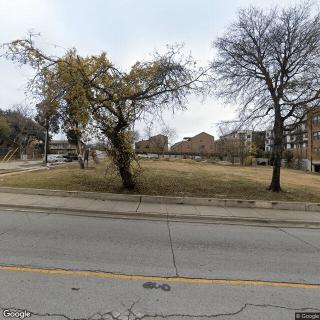





 Social Security Benefits and Assisted Living: Navigating Options Across the U.S.
 An Extensive Exploration of the VA Aid and Attendance Benefit
 Senior Transition Services: Understanding Their Role, Cost, and Importance