
330 West Pembroke Avenue, Dallas, TX 75208
For more information about senior living options: (866) 208-4318
St Joseph's Residence Costs & Pricing
St. Joseph's Residence offers a highly competitive monthly rate of $1,250 for studio accommodations, significantly lower than the average costs in both Dallas County and the broader Texas state. In Dallas County, similar studio units can typically reach around $3,625 per month, while across Texas, the average cost escalates to approximately $3,758. This stark contrast underscores St. Joseph's commitment to providing affordable living options without compromising quality, making it an attractive choice for individuals seeking a supportive and welcoming community environment amidst rising housing expenses in the region.
| Floor plans | St Joseph's Residence | Dallas County | Texas |
|---|---|---|---|
| Studio | $1,250 | $3,625 | $3,758 |
Assisted Living communities with a similar price nearby
-
from +$150 / mo
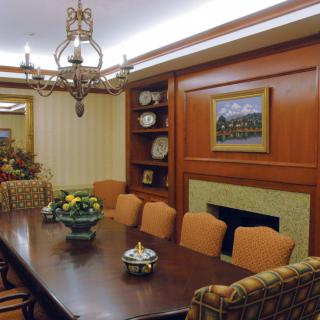
The Villages of Dallas
$1,400 to $2,900 / month3.3 miles away -
from -$190 / mo

Christian Care Communities & Services Mesquite
$1,060 to $5,340 / month14.2 miles away -
from +$150 / mo

The Estates At Grand Prairie
$1,400 to $2,400 / month10.3 miles away -
from +$200 / mo
In Milord Hands
$1,450 to $1,600 / month14.7 miles away
Overall Review of St Joseph's Residence
Pros
 The facility is a beautiful place full of love.
- The staff and Sisters are caring, attentive, and professional.
- Residents are well loved, happy, and comfortable.
- Daily mass and a lovely chapel create a peaceful, Catholic atmosphere.
- The grounds are well kept, peaceful, and welcoming.
- The staff are helpful, the facility is clean and organized, and the atmosphere is great.
- The director is trusted and friendly, described as family-like, with residents feeling supported.
- The residence is welcoming, with a sense of family and excellent care; many note it as a blessed place.
- It is inclusive and budget-friendly, accepting people from all walks of life.
Cons
 The reviewer states the staff are severely understaffed and cannot adequately look after residents.
- The reviewer describes a nun on the information line speaking rudely, insisting this is Assisted Living, not memory care.
- The reviewer warns others not to move there to live, citing understaffing and safety concerns.
Review
St. Joseph’s Residence in Dallas is best suited for families seeking a warm, faith-centered assisted living option where residents are known by name and daily life organically centers around a chapel, service, and a family-like atmosphere. It works well for seniors who value a smaller, intimate setting with consistent personal attention, predictable routines, and staff who treat care as a calling. This is not the place for those chasing a large-scale, highly programmed campus or for residents who require intensive, 24/7 medical oversight. For memory-care heavy needs or aggressive medical comorbidity, pointed alternatives may be more appropriate.
The strongest positives revolve around atmosphere and character. The grounds are well kept and the interior feels homely, calm, and welcoming. The Sisters and the staff are repeatedly described as genuinely caring, with a ministry mindset that translates into attentive, respectful treatment of residents. Daily mass and a visible Catholic identity provide comfort for Catholics and a meaningful rhythm for others who appreciate faith-based routines. Families report residents being cherished, conversations that feel intimate, and a setting where staff know residents well, creating a sense of safety and belonging that is hard to find in larger facilities. The leadership, centered on the Sisters and a resident-focused director, adds stability, and many families praise the way the facility manages relationships, not just tasks.
However, the community does carry notable caveats. A recurring thread from reviewers is understaffing, particularly for hands-on care and timely responsiveness. One resident explicitly called the operation severely understaffed and pointed to delayed response to critical needs, which raises legitimate safety concerns for anyone weighing this option. Another visitor described a misstep in communication over memory-care distinctions, signaling that even when best intentions exist, front-line interactions can slip. Several comments also hint at a desire for a fuller activity slate, more engagement options beyond the daily routines and faith services. Taken together, staffing and programming gaps temper the otherwise compelling care narrative.
Yet the pros largely offset the cons for the right family profile. When staffing is adequate and the environment feels calm and personal, the advantages, low-traffic, high-touch care, spiritual continuity, and a respectful, almost familial culture, become decisive. The emphasis on kindness, the absence of a “clinical,” impersonal vibe, and the sense that residents are truly valued routinely translate into peace of mind for families. For seniors who welcome regular worship, familiar faces, and a home-like setting, the benefits can far outweigh the risks posed by occasional under-staffing or modest activity offerings. In short, the model succeeds at delivering dignity, emotional comfort, and consistent, compassionate care.
Prospective movers should verify several realities before committing. Inquire about staffing ratios on different shifts, concrete response times for call bells, and whether the current team can manage episodes or sudden medical changes with confidence. Scrutinize the activity calendar to gauge whether there is enough interactive programming to sustain engagement beyond religious services. Confirm what memory-care or high-acuity support looks like, and whether residents with fluctuating cognitive needs can be accommodated safely. Tour and speak with several staff members, especially those in direct care, to hear how one-on-one time is structured and whether residents’ names are consistently used, not just farewells at visitation.
The bottom line is clear. St. Joseph’s Residence excels for families prioritizing a sacred, intimate, and respectful living environment where staff treat residents as family and where daily life centers on faith, warmth, and personal connection. It is a standout choice for Catholic families or anyone who values a small-community feel, clean surroundings, and a compassionate, people-first approach. Those needing robust, high-acuity care, extensive daily programming, or a large-scale, highly staffed campus should look elsewhere or prepare to supplement with external services. For the right resident, this residence offers a blessed blend of dignity, comfort, and belonging that can be hard to match.
 89 resident community capacity
 Assisted Living
 Respite Care
 Activities on-site
 Air-conditioning
 Beautician on-site
 Cable or satellite TV
 Computer center
 Devotional services off-site
 Dining room
 Fitness room
 Fully furnished
 Gaming room
 Garden
 Housekeeping services
 Indoor common areas
 Kitchenette
 Move-in coordination
 Outdoor space
 Private bathrooms
 Restaurant-style dining
 Small library
 Telephone
 Wellness center
 Wheelchair accessible showers
 Wi-Fi/high-speed internet available
 Dallas Love (8 miles away)
 Community operated transportation
 12-16 hour nursing
 24-hour call system
 Ambulatory care
 Assistance with bathing
 Assistance with dressing
 Assistance with transfers
 Diabetes diet
 Diabetic care
 Medication management
 Mental wellness program
 Special dietary restrictions
 Catholic services
 Concierge services
 Planned day trips


 Comprehensive Supportive Living Arrangements for Adults with Disabilities
 Funding and Affording Assisted Living: A Thorough Overview
 Assisted Living Expenses and Long-Term Care Insurance: A Comprehensive Exploration