
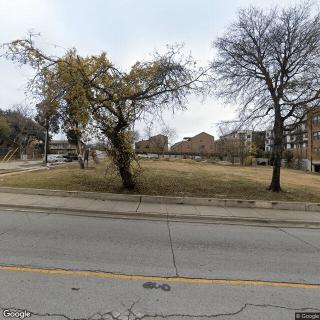
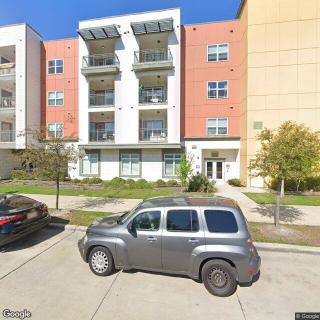
631 West 10th Street, Dallas, TX 75208
For more information about senior living options: (866) 208-4318
Overall Review of Agape Place I I
Pros
 None detected in the provided review.
Cons
 The experience was devastating.
- The rooms lack a decent and safe environment, with broken blinds and beds not fit for sleeping.
- Both the bedroom and bathroom need restoration.
- The sitting area for tenants is not conducive for socializing due to its limited size.
- The kitchen leaves much to be desired, lacking proper cleanliness guidelines for food preparation and serving residents and not meeting high-quality health standards.
- It is a nightmare in the bedrooms.
- The reviewer views the establishment as a black eye for the City of Dallas.
Review
This community is best suited for budget-conscious placements where safety and livability are secondary considerations, and where families are prepared to confront substantial maintenance failures rather than rely on a well-functioning, compliant living environment. The reported conditions paint a picture of a facility that feels unfinished and unsafe: bedrooms and bathrooms in need of restoration, blinds that do not function, and beds that are not suitable for a good night’s sleep. The social space is cramped, curbing any meaningful resident interaction, while the kitchen appears to fall short on cleanliness and proper food handling. In practical terms, Agape Place I I operates as a bare-bones option rather than a true senior living community, and that distinction matters for families prioritizing safety, comfort, and everyday dignity.
For almost every other family evaluating care, alternatives should be at the top of the list. If safety in sleeping areas, reliable cleanliness, and a well-maintained, adequately sized common area matter, along with food service aligned to health standards, this community should not be the baseline. Prospective residents are better served by environments with transparent maintenance schedules, visible upkeep, and demonstrated adherence to health and safety guidelines. Dallas-area options with recent renovations, active housekeeping, and verified licensing or inspections will provide a far more predictable and supportive living experience. In short, this is not a sensible default choice for someone who expects essential quality and reliability.
The main drawbacks are explicit and persistent: accommodations that fail basic safety and comfort tests, spaces too small to foster social engagement, and a kitchen that does not meet expected cleanliness or food-safety standards. The physical environment undermines sleep quality, privacy, and day-to-day well-being, while the deficient communal areas limit opportunities for socialization and mental stimulation. Taken together, these issues create a cascading effect, poor sleep, reduced social interaction, and potential health risks, far outweigh any possible savings or convenience a family might perceive at first glance. The review paints a clear picture of a facility that struggles with foundational care elements that families rely on every day.
There are virtually no meaningful positives that offset these core deficiencies. If any advantages surface, they would have to be measured in terms of costs or the possibility of future repairs being addressed by ownership, not current performance. Without evidence of consistent maintenance, ongoing safety checks, and proven sanitation standards, the argument for staying in this community collapses under the weight of the negatives. The absence of reliable positives means the risk calculus overwhelmingly favors seeking alternatives that deliver predictable safety, cleanliness, and resident dignity.
When making a decision, approach this option with a stringent checklist and a plan to verify every claim. First, demand recent inspection records and licensing status, plus a clear timetable for addressing the identified deficiencies. Schedule a detailed tour focusing on room condition, bed quality, bathroom accessibility, and the functionality of blinds and lighting. Observe the common areas for size, airflow, and opportunities for social interaction, and scrutinize the kitchen for cleanliness, food-handling procedures, and storage practices. Ask for resident-to-staff ratios, incident logs, and a path for timely maintenance requests. If any item on the checklist raises concern, pivot to comparable communities with stronger safety and quality indicators, and use the findings to negotiate terms or refunds if a move becomes necessary.
The prudent conclusion is straightforward: avoid this community unless the sole criterion is immediate placement and there is a willingness to live with serious, ongoing safety and cleanliness concerns. For families prioritizing predictable safety, comfortable living spaces, and reliable daily routines, exploration of better-rated options in Dallas is essential. This environment does not meet the minimum standards many families expect for long-term senior living, and the gaps are too significant to overlook. A decision anchored in these realities will steer toward communities with proven upkeep, transparent operations, and a clear commitment to resident well-being.
 24 resident community capacity
 Assisted Living
 Beauty salon
 Cable or satellite TV
 Dining room
 Fully furnished
 Garden
 Housekeeping services
 Kitchenette
 Move-in coordination
 Outdoor space
 Restaurant-style dining
 Small library
 Telephone
 Wi-Fi/high-speed internet available
 Dallas Love (7 miles away)
 24-hour call system
 Activities of daily living assistance
 Assistance with bathing
 Assistance with dressing
 Assistance with transfers
 Diabetes diet
 Medication management
 Mental wellness program
 Special dietary restrictions





 Exploring the Contrasts Between Assisted Living and Skilled Nursing
 8 Key Indicators That Suggest It May Be Time to Transition from Assisted Living to Skilled Nursing Care
 Vibrant Senior Living: A Comprehensive Guide for Active Older Adults