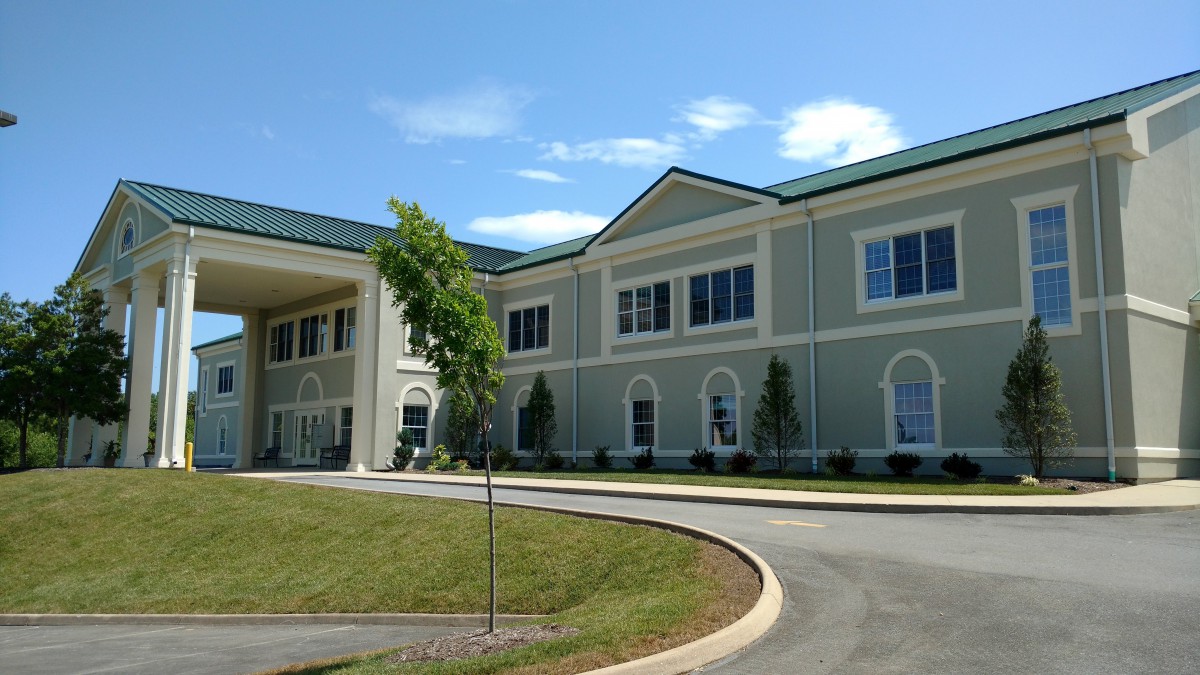
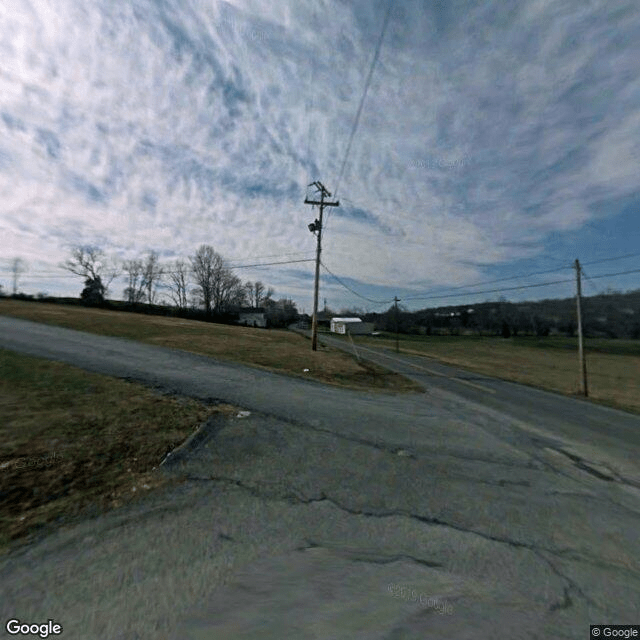
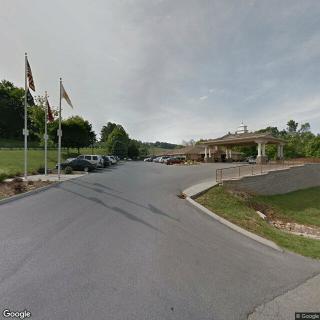
124 John M Reed Rd, Limestone, TN 37681
To contact a resident: (423) 607-3145
For more information about senior living options: (866) 208-4318
Family Ministries Retirement & Assisted Living Costs & Pricing
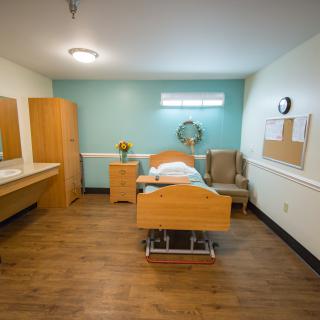
Family Ministries Retirement & Assisted Living offers competitive pricing for its residents, particularly when compared to the surrounding market in Washington County and across Tennessee. For a semi-private room, the monthly cost is set at $3,000, which is notably lower than the county average of $3,464 and more favorable than the state average of $3,162. Similarly, for those seeking a studio apartment, the cost is $3,500 - again positioned below Washington County's average of $3,544 and closely aligned with the Tennessee state average of $3,485. This pricing strategy reflects Family Ministries' commitment to providing quality care that remains affordable within the broader context of local and state costs.
| Floor plans | Family Ministries Retirement & Assisted Living | Washington County | Tennessee |
|---|---|---|---|
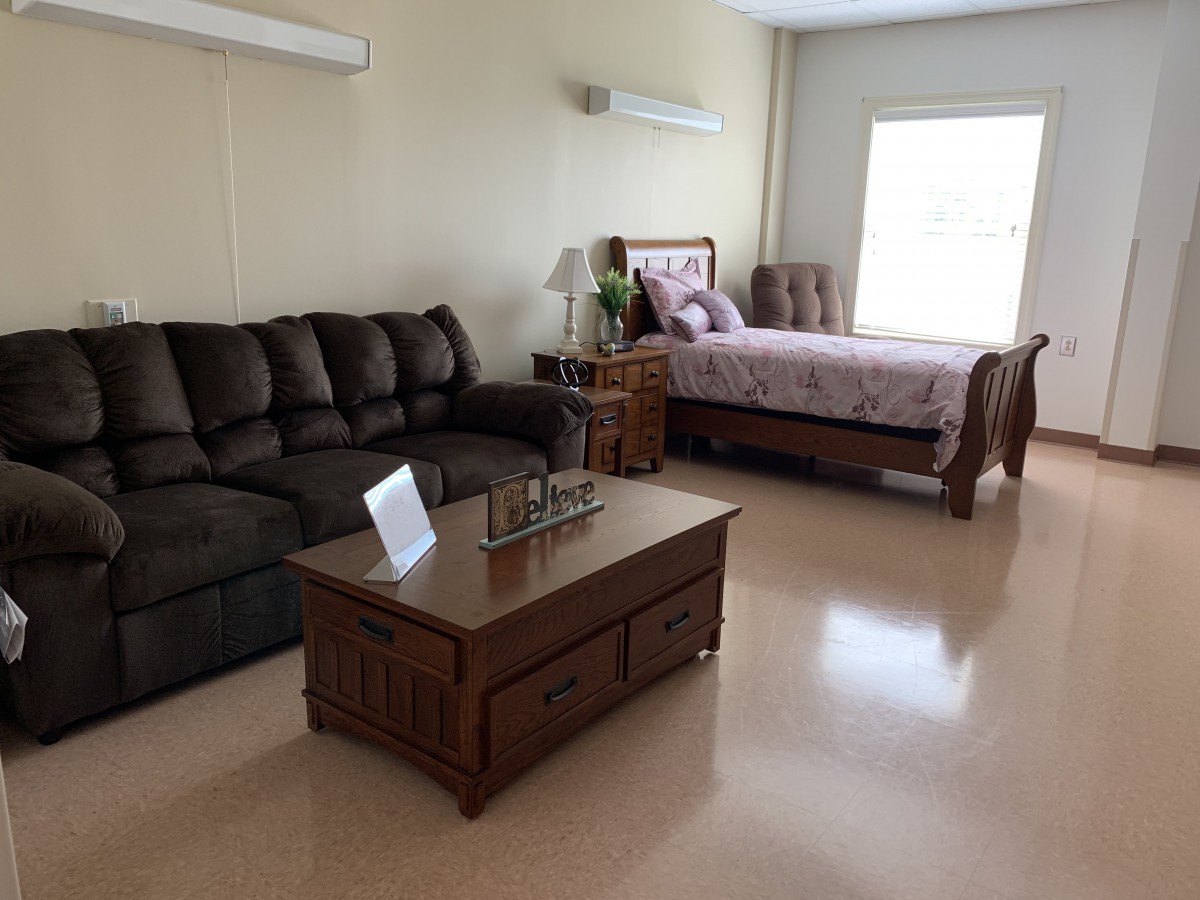
| Semi-Private | $3,000 | $3,464 | $3,162 |
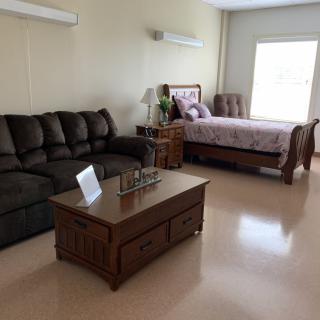
| Studio | $3,500 | $3,544 | $3,485 |
Memory care communities with a similar price nearby
-
About the same
Sycamore Springs Senior Living Community
$3,000 to $4,200 / month22.2 miles away -
from +$100 / mo
Morning Pointe of Greeneville
$3,100 to $3,750 / month11.3 miles away -
from +$350 / mo
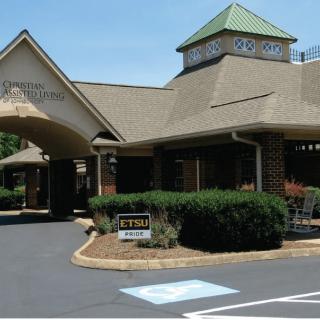
Christian Assisted Living of Johnson City
$3,350 to $3,700 / month16.3 miles away -
from +$450 / mo
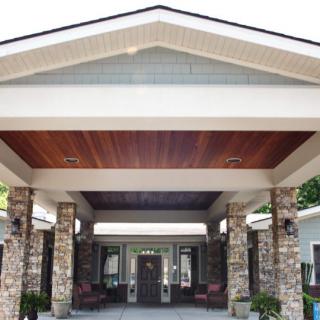
The Village At Allandale
$3,450 to $3,900 / month22.4 miles away -
from +$446 / mo
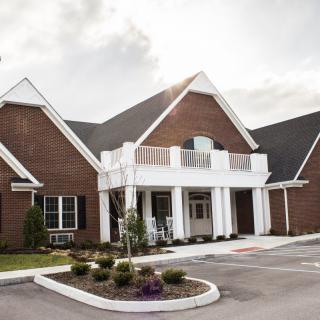
The Courtyards at Johnson City - The Gardens
$3,446 to $4,200 / month17.3 miles away
Overall Review of Family Ministries Retirement & Assisted Living
Pros
 The facility is described as one of the most impressive retirement living facilities, with genuinely caring and welcoming staff.
- The facility is well run.
- The experience with Family Ministries is very good for families, especially for elderly relatives.
- The staff provide clear information and good communication, making the experience great and highly recommendable.
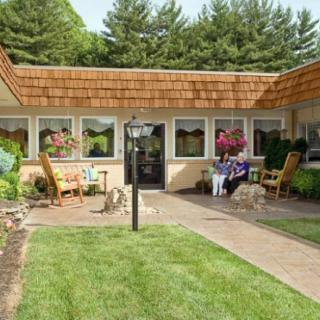
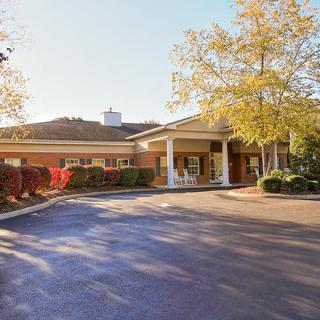
- The facility is budget-friendly and situated in a beautiful setting with a lovely view.
- The John M. Reed Center makes residents feel at home and well cared for, with dietary staff accommodating special requests.
- The staff show love and care for residents, making them feel known and valued.
- The environment is clean and inviting, and staff go above and beyond to keep residents happy and healthy.
- The community is a loving and caring family with many events and very good food.
- The place offers a quiet, peaceful environment where residents feel part of a blessed family.
Cons
 It seemed more institutional than an assisted living community.
- They over-promised and undelivered.
- She had repeated falls and was in the hospital three times within five days.
- The head nurse did not call back.
- The staff did not communicate.
- Many of the items bought for her disappeared.
- The experience was very frustrating.
- They cared only about the money.
Review
Family Ministries Retirement & Assisted Living in Limestone, Tennessee, is best suited for seniors who want a warm, faith-based, family-like setting where staff invest in daily relationships and residents participate in meaningful activities. The community shines for families seeking a predictable, bundled cost structure that remains within budget as care needs evolve. It appeals to those who value a quiet, scenic environment and a ministry-driven culture that emphasizes personal warmth, regular social engagement, and a sense of belonging as cornerstones of daily life.
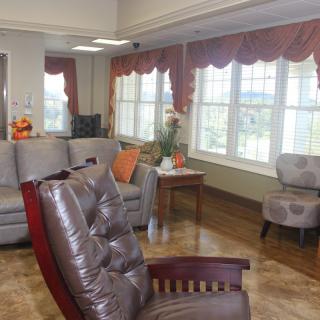
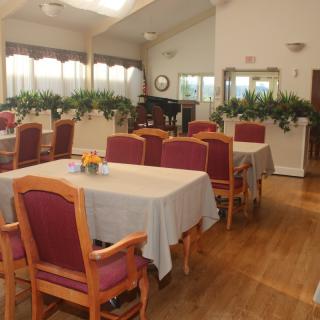
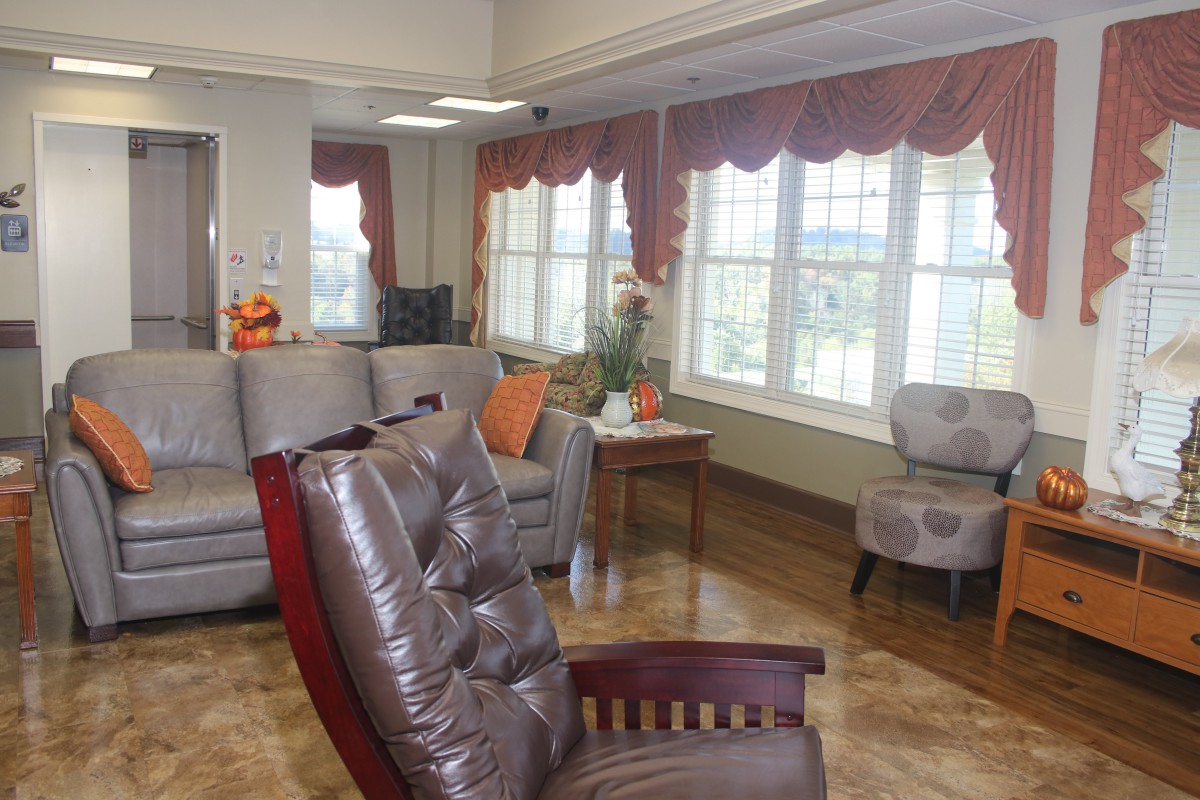
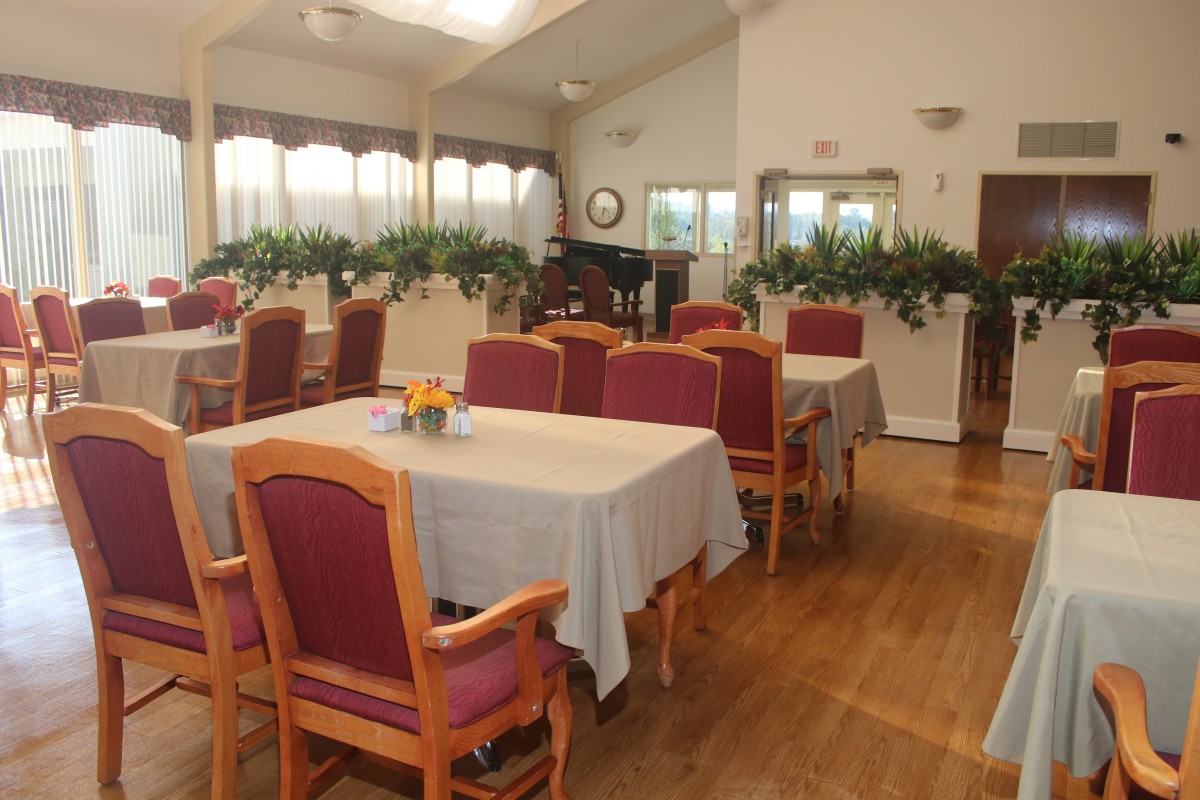
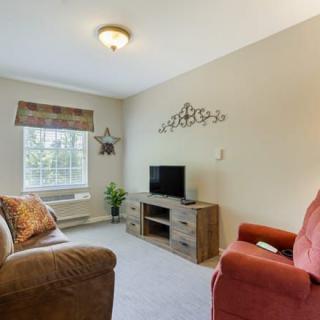
On the positive side, the strongest benefits are unmistakable: staff are genuinely caring and approachable, and residents consistently feel treated as part of a family rather than as a number. The facility is described as well run, clean, and inviting, with the staff going beyond routine care to interact, braiding hair, playing games, offering nail care, and facilitating conversation. Food quality stands out, with dietary staff receptive to special requests, and renovations contributing to a brighter, more modern feel. The overall atmosphere is frequently labeled homey and peaceful, reinforcing a sense that residents are known and valued in a supportive community.
Yet, there are meaningful drawbacks that require sober weighing. Several accounts point to uneven communication after admission, including delays in updates and difficulties obtaining timely calls from leadership or nursing staff. Medication management and accountability are flagged as areas of risk, with one family recounting having to handle meds themselves and another noting dismissals of concerns without adequate follow-up. Instances of falls and hospitalizations raise questions about ongoing oversight and proactive risk mitigation. A few reviews describe the operation as feeling more like a business at times, where promises may outpace deliverables, underscoring the need for active family involvement and strict clarity around care plans.
Given these realities, prospective residents may want to compare alternatives within the same ministry network and beyond. The John M. Reed Center is frequently highlighted as delivering a comparable or higher level of day-to-day warmth and attentiveness, with residents often calling it “home” and praising the staff’s devotion. For families prioritizing more consistent communication, tighter medical oversight, or stronger supports for memory care, exploring options with a broader array of services could yield a better fit. The takeaway is not to abandon the strengths of this community, but to balance them against the realities of care coordination and risk management.
For families who can embrace a strong ethical, community-focused core alongside occasional operational rough edges, the positives can outweigh the negatives. The bundled pricing, the personal attention from staff, and the vibrant, sociable environment create meaningful lives for many residents. The culture, anchored in faith and family-like care, often translates into daily moments of connection and enjoyment that matter as much as clinical precision. In other words, this is a practical, compelling choice for those who are comfortable engaging actively with leadership, asking pointed questions, and leveraging the community’s strengths to compensate for the areas where monitoring and communication may need fortification.
Practical next steps guide the decision: schedule multiple visits during different times to observe interactions and ask about staffing coverage and med-management protocols; meet front-line caregivers and administrators to gauge responsiveness and transparency; request a clear written summary of what the care bundle covers and what would trigger changes in pricing or services; seek fresh references from families with residents at comparable care levels, including feedback on how concerns were addressed. If memory support or heightened clinical oversight is essential, place John M. Reed Center and other nearby options side by side for comparison. For families prioritizing warmth, accessibility, and a ministry-driven vibe, and prepared to stay engaged in ongoing care planning, Family Ministries Retirement & Assisted Living offers a solid, practical pathway.
 Assisted Living
 Memory Care
 Activities off-site
 Air-conditioning
 Beautician on-site
 Cable or satellite TV
 Devotional services on-site
 Indoor common areas
 Kitchenette
 Outdoor common areas
 Respite or short term stays offered
 Wheelchair accessible showers
 Wi-Fi/high-speed internet available
 Tri-Cities Regional (20 miles away)
 Ambulatory care
 Diabetic care
 Incontinence care
 Medication management
 Guest meals
 Art classes
 Brain fitness
 Cooking classes
 Day trips and outings
 Gardening club
 Live dance or theater performances
 Live musical performances
 Protestant services
 Stretching classes

 A Detailed Exploration of Assisted Living Medicaid Waivers Across the United States
 Exploring the Contrasts Between Assisted Living and Skilled Nursing
 Vibrant Senior Living: A Comprehensive Guide for Active Older Adults