Life Care Center of Gray

Save

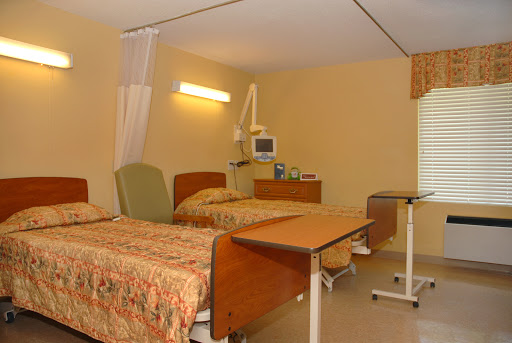
  • Interior

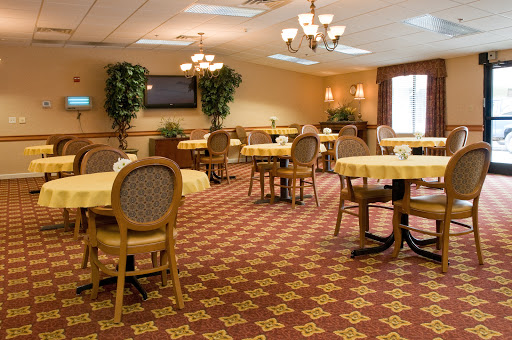
    A cozy dining area featuring elegant decor and inviting ambiance.
  • Decor

    A beautifully arranged dining room featuring an elegant table setting adorned with flowers and soft lighting.
  • Living Room

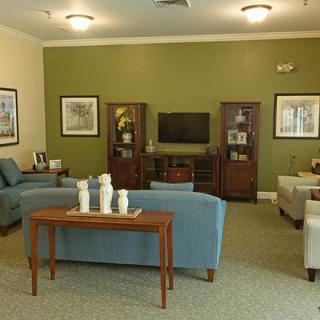
    A cozy living room featuring a comfortable sofa, a wooden coffee table, and decorative artwork on the walls.
  • Building

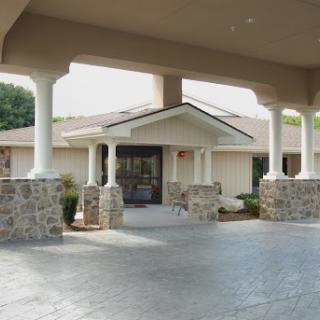
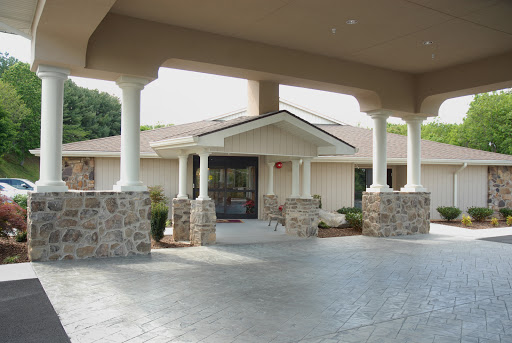
    The image shows the entrance to a building with columns and landscaping.
  • Architecture

    A welcoming entrance featuring elegant columns leading to a well-designed home.
  • Windows

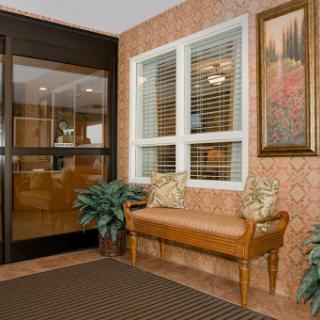
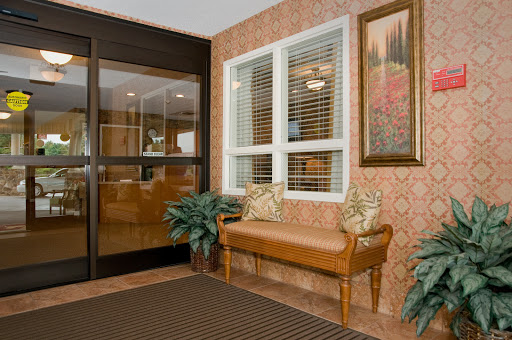
    A cozy waiting area featuring a wooden bench, decorative plants, and artwork on the wall.
  • Landscaping

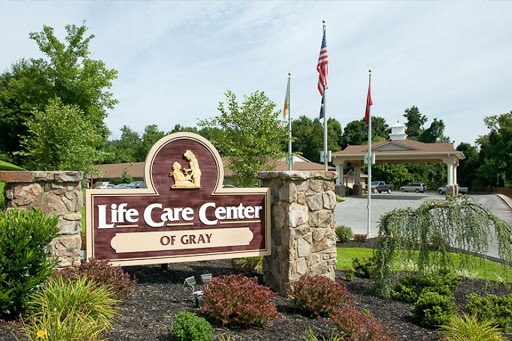
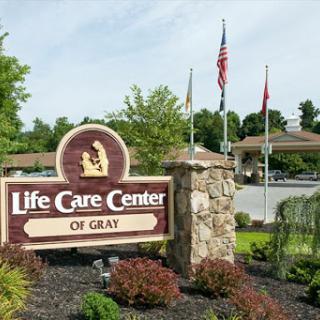
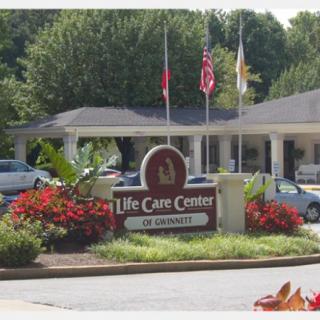
    Entrance to the Life Care Center of Gray, featuring well-maintained landscaping and flags.
  • Exercise Equipment

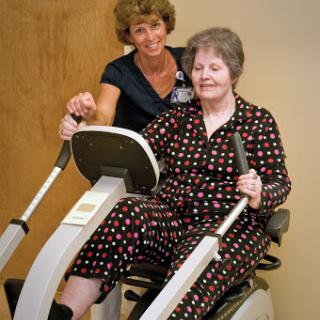
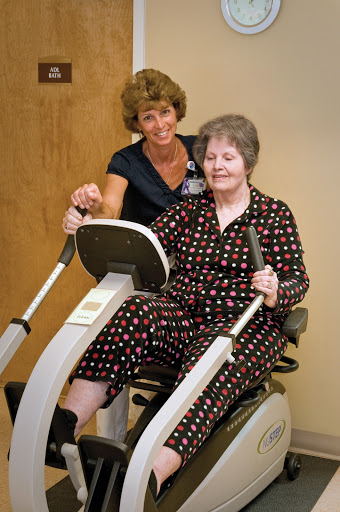
    A caregiver assisting an elderly woman on a fitness machine, promoting health and rehabilitation.
  • Flag

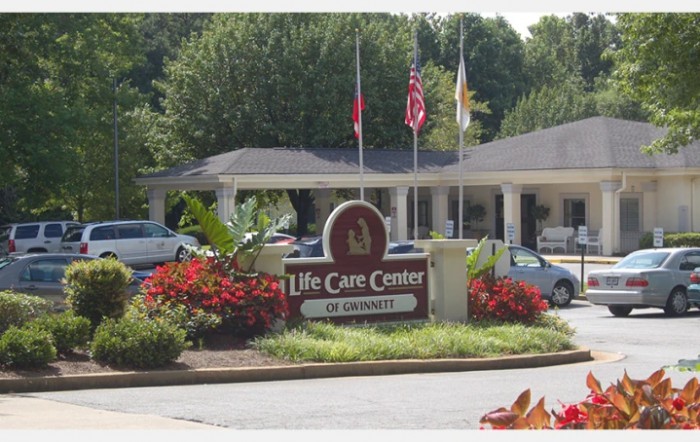
    Entrance to Life Care Center with flags and landscaping.
  • Healthcare

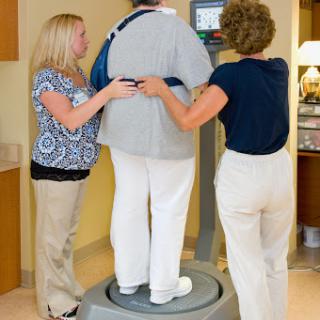
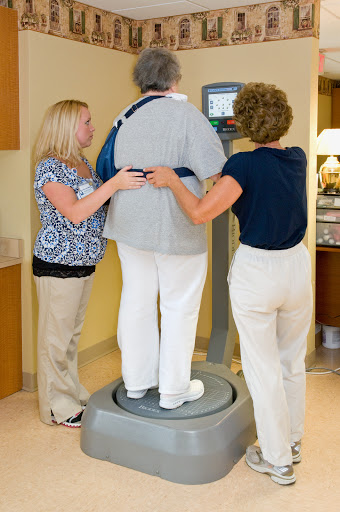
    Two healthcare professionals assist a patient on a balance or body composition scale.
  • Rehabilitation

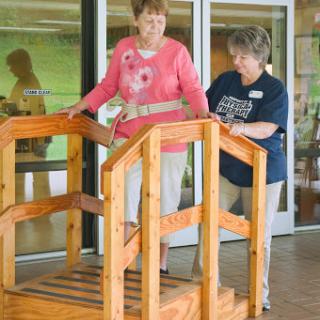
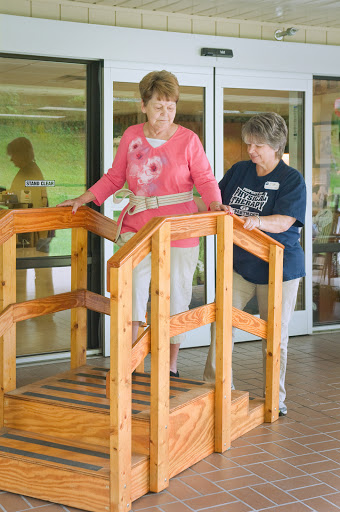
    A caregiver assists an elderly individual as they practice walking on a wooden therapy ramp.

Life Care Center of Gray

Information last verified:

791 Old Gray Station Rd, Gray, TN 37615

For more information about senior living options: (844) 490-3973

4.1 from 82 reviews
5 stars
58
4 stars
6
3 stars
1
2 stars
0
1 stars
17

Seniors.FYI Elite Community Awards

Top 5% Senior Living Community in 2020

Add this award to your website

Overall Review of Life Care Center of Gray

Pros

  • pro The staff are caring and professional, and they go above and beyond for residents.
  • pro The therapy department consistently works to improve residents' quality of life.
  • pro Denise and Yvette are a dream team, going out of their way to take care of loved ones.
  • pro Life Care Center of Gray is a warm, caring facility where staff treat residents like family.
  • pro The staff are friendly, empathetic, and responsive to family concerns.
  • pro The building is clean, well-maintained, and the environment is pleasant.
  • pro The care provided is excellent, with residents receiving compassionate attention across nursing, therapy, and dietary staff.
  • pro The meals are good and residents appreciate the food; activities are enjoyable and engaging.

Cons

  • pro The staff allegedly did not watch her, allowing unsupervised wandering in the hallways and rooms.
  • pro A roommate stole her belongings, including lotion and candy, and staff did nothing to recover them.
  • pro She reportedly received only one meal a day and was not adequately fed.
  • pro She was not showered and wore a diaper like a baby, with dried fecal matter present, risking a UTI.
  • pro A nurse allegedly licked a resident on the cheek.
  • pro There are claims of abuse and a culture of cover-up, including locking residents in rooms.
  • pro The secure unit is described as dark and dungeon-like, with old beds and no skilled nursing.
  • pro The administrator is described as horrible, making admissions stressful and driving families to seek care elsewhere.

Review

Life Care Center of Gray is most appropriate for families seeking robust, hands-on rehab and a warm, human-centered care culture where staff repeatedly demonstrate genuine concern for residents. It is particularly suited for those who want active therapy teams, regular communication with families, and a facility environment where caregivers strive to treat residents like family. The memory care wing with a secure entry system can be a meaningful fit for families navigating dementia or Alzheimer’s, where safety and structured routines matter. However, the community is not a fit for everyone; families who prioritize ironclad safety, pristine infrastructure, and a flawless administrative track record should consider alternate options and plan to tour thoroughly before making a commitment.

On the plus side, the strongest, most persuasive case for Life Care Center of Gray rests on caregiving quality and consistency in many departments. Numerous reviews highlight exceptionally attentive nursing staff, dedicated therapy teams, and a culture of compassion that makes residents feel valued. Families repeatedly underscore that therapy and rehabilitation teams push for real progress, with therapists actively pursuing improvements in mobility and independence. In several accounts the dining and activities programs are meaningful, with residents engaging in groups, singing, or other meaningful routines, and staff members going beyond basic tasks to support emotional and social well-being. When the administration aligns with this spirit, care feels coordinated, family updates are timely, and the facility can feel like a trustworthy home away from home.

Yet these strengths sit in tension with a mountain of serious concerns raised by other families. The most destabilizing themes center on safety and accountability: reports of unobserved wandering in the dementia unit, delayed response to call bells, and even explicit accusations of abuse and neglect by staff or administration. Multiple reviewers recount theft of personal items and a sense that belongings were not safeguarded, sometimes accompanied by allegations of poor handling of showers, hygiene, or accurate dressing, all of which directly impact dignity and health. Several accounts describe abrupt, harsh administrative behavior during admissions or urgent family conversations, creating a perception that policy and oversight can ebb and flow with leadership. Taken together, these concerns risk undermining trust in the care environment even when individual caregivers are capable and kind.

In balancing the pros and the cons, the decisive question becomes whether the program’s genuine, people-first strengths can survive the probability of serious safety and governance gaps. The care and rehabilitation advantages can offset some concerns for families who value tangible progress, transparent communication, and a sense that staff know residents well. But when incidents of neglect, potential abuse, or systemic issues become part of the lived experience, and when family members fear for a loved one’s safety, the positives do not fully compensate. Tour opportunities, talking with frontline staff, and requesting recent incident reports become nonnegotiable steps. Prospective families should also verify the administrator’s approach, review state licensure actions, and seek corroboration from multiple current residents or families to determine if the current experience reflects a stable, high-functioning team.

For decision-making, a practical path emerges. If a loved one needs short-term rehab after surgery or a fall, Life Care Center of Gray can deliver meaningful therapy and compassionate daily care, but insist on meeting the therapy director and unit leads, and demand a clear, written care plan with stated goals and update cadence. If memory care is the priority, evaluate both security and daily routines on a live visit, focusing on how staff respond to needs, not just what the signage promises. For long-term placement, weigh the facility’s warmth and rehab strengths against the potential for administrative volatility or safety gaps; this means checking recent state inspections, speaking with current residents’ families, and observing staff interactions during peak hours. If red flags persist, unresponsive staff, unresolved cleanliness or laundry issues, or inconsistent follow-through, the prudent move is to broaden the search and compare with nearby communities that present steadier safety records.

In the end, Life Care Center of Gray represents a facility with undeniable heart and capable rehab pathways, but it carries a wide spectrum of experiences. The most compelling testimonials celebrate staff who treat residents with dignity, clinicians who partner with families, and a culture where care feels personalized. The most troubling reviews describe lapses in safety, concerning staff behavior, and administrative friction that can erode trust and threaten resident well-being. The decision to place a loved one here should be grounded in a careful, in-person evaluation of the unit that will house the person, a candid discussion with the administrator, and a robust plan for ongoing oversight after move-in. For families who can tolerate potential risks in exchange for strong rehab and a familial care vibe, Life Care Center of Gray can be a strong match. For those who prioritize consistently flawless safety and governance, alternatives may offer greater peace of mind.

Features

Housing

  • 133 resident community capacity 133 resident community capacity

Types of Care

  • Assisted Living Assisted LivingAssisted living facilities provide crucial support and care for seniors who may need help with daily tasks such as medication management, bathing, and meal preparation. These communities offer a safe and comfortable environment where seniors can maintain their independence while receiving the assistance they need to thrive in their golden years.
  • Skilled Nursing Facility Skilled Nursing FacilitySkilled Nursing Facilities are crucial for seniors as they provide round-the-clock medical care, rehabilitation services, and assistance with daily activities. These facilities ensure that seniors receive the specialized care they need to maintain their health and well-being as they age.

Amenities

  • Activities on-site Activities on-siteActivities on-site are important for seniors because they provide opportunities for socialization, mental stimulation, physical activity, and overall well-being. Engaging in activities can help seniors stay active, maintain their independence, and improve their quality of life.
  • Air-conditioning Air-conditioningAir conditioning is important for seniors as they are more vulnerable to heat-related illnesses and may have underlying health conditions that make it difficult for them to regulate their body temperature. It helps to keep them comfortable, safe, and healthy in hot weather.
  • Beauty salon Beauty salonBeauty salons are important for seniors because they provide a space for them to feel pampered, socialize, and maintain their personal grooming and hygiene. Regular visits to a beauty salon can help boost seniors' self-esteem and overall well-being.
  • Cable or satellite TV Cable or satellite TVCable or satellite TV is important for seniors because it provides entertainment, news, and companionship, helping to combat loneliness and boredom. It also offers a wide range of programming options tailored to different interests and preferences.
  • Computer center Computer centerA computer center is essential for seniors as it provides access to technology, communication tools, and resources that can enhance their daily lives. It allows them to stay connected with loved ones, engage in online activities, and learn new skills, ultimately promoting socialization and mental stimulation.
  • Devotional services off-site Devotional services off-siteDevotional services off-site are important for seniors as they provide spiritual nourishment, social engagement, and a sense of community outside of the senior living facility. This can enhance overall well-being and help combat feelings of isolation and loneliness often experienced by older adults.
  • Dining room Dining roomDining rooms are important for seniors as they provide a space for socialization, connection, and nutritious meals. They offer opportunities for residents to bond over shared meals, foster a sense of community, and promote healthy eating habits. Dining rooms also ensure that seniors have access to well-balanced meals tailored to their dietary needs and preferences.
  • Fitness room Fitness roomHaving a fitness room in a senior living community is essential for seniors to stay active, maintain their physical health, and improve their overall well-being. Regular exercise can help prevent falls, reduce the risk of chronic diseases, and promote mental sharpness. It also provides social opportunities for residents to connect with others and enjoy a sense of community.
  • Fully furnished Fully furnishedFully furnished senior living communities are important for seniors because they provide convenience, comfort, and a hassle-free moving experience. Seniors can easily settle into their new living space without the stress of having to buy and move furniture. This allows them to focus on enjoying their new home and community.
  • Gaming room Gaming roomGaming rooms are important for seniors as they provide a fun and engaging environment for socializing, cognitive stimulation, and physical activity. Games can improve memory, problem-solving skills, and overall mental well-being while fostering friendships and reducing feelings of isolation.
  • Garden GardenGardens are important for seniors as they provide a peaceful and therapeutic environment for relaxation, physical activity, and socialization. Being in nature has been shown to reduce stress, improve mood, and promote overall well-being. Gardens also offer opportunities for seniors to engage in gardening activities, which can improve mobility, flexibility, and cognitive function. Additionally, gardens create a sense of community and connection with others who share a passion for plants and outdoor spaces.
  • Housekeeping services Housekeeping servicesHousekeeping services are important for seniors because they help maintain a clean and safe living environment, promote independence, and reduce the risk of accidents or illnesses. Additionally, having assistance with household chores can alleviate physical strain and allow seniors to focus on other aspects of their well-being.
  • Indoor common areas Indoor common areasIndoor common areas are crucial for seniors as they provide a space for socialization, recreation, and community engagement, promoting overall well-being and reducing feelings of isolation and loneliness.
  • Kitchenette KitchenetteKitchenettes are important for seniors living in senior living communities because they provide the convenience and independence of being able to prepare simple meals and snacks in the comfort of their own living space. This can help promote a sense of autonomy and well-being for seniors, allowing them to maintain some level of control over their dietary choices and daily routines.
  • Move-in coordination Move-in coordinationMove-in coordination is important for seniors because it helps ease the transition into their new living environment. It ensures that all logistics, such as packing, organizing movers, and setting up utilities are taken care of, allowing seniors to focus on settling in and adjusting to their new home. Having a smooth move-in process can alleviate stress and anxiety, making the transition smoother and more enjoyable for seniors.
  • Outdoor space Outdoor spaceOutdoor spaces are important for seniors as they provide opportunities for physical activity, social interaction, exposure to natural light and fresh air, and a sense of connection to nature. Having access to outdoor spaces can improve overall well-being and quality of life for older adults living in senior communities.
  • Private bathrooms Private bathroomsPrivate bathrooms are important for seniors in senior living communities because they provide independence, dignity, and comfort. Having a private bathroom allows seniors to maintain their personal hygiene routines without the need for assistance, promoting a sense of autonomy and privacy. Additionally, private bathrooms help prevent the spread of infections and provide a safe and clean environment for seniors to navigate safely.
  • Restaurant-style dining Restaurant-style diningRestaurant-style dining is important for seniors because it allows them to enjoy delicious, nutritious meals in a social and upscale setting. This enhances their dining experience, promotes healthy eating habits, and fosters socialization with fellow residents, ultimately contributing to their overall well-being and quality of life.
  • Small library Small librarySmall libraries are important for seniors as they provide access to a variety of reading materials, including books, newspapers, and magazines. This can help stimulate their minds, keep them engaged, and provide a sense of community through book clubs and other social activities. Additionally, reading has been shown to improve cognitive function and overall mental well-being in older adults.
  • Telephone TelephoneTelephones are important for seniors as they provide a lifeline for communication with loved ones, emergency services, and healthcare providers. They offer a sense of security and independence, enabling seniors to stay connected and access assistance when needed.
  • Wellness center Wellness centerWellness centers are important for seniors because they offer a variety of programs and services that promote physical, mental, and emotional well-being. These centers provide opportunities for exercise, socialization, education, and relaxation, helping seniors maintain their overall health and quality of life.
  • Wi-Fi/high-speed internet available Wi-Fi/high-speed internet availableWi-Fi/high-speed internet is important for seniors to stay connected with loved ones, access online resources, and participate in virtual activities to combat feelings of loneliness and isolation. It also allows them to easily manage healthcare needs, access entertainment, and engage in lifelong learning opportunities.

Transportation

  • Tri-Cities Regional (5 miles away) Tri-Cities Regional (5 miles away)
  • Community operated transportation Community operated transportationCommunity operated transportation is crucial for seniors as it provides them with the means to access essential services, social activities, and medical appointments. It allows seniors to maintain their independence and quality of life by ensuring they can participate in activities outside of their homes. Additionally, community-operated transportation services offer a safe and reliable way for seniors to travel without having to rely on family or friends for assistance.
  • Transportation arrangement Transportation arrangementTransportation arrangements are crucial for seniors as they may face challenges with driving, mobility, or access to public transportation. Having reliable transportation services ensures that seniors can easily attend appointments, social activities, and maintain their independence and quality of life.
  • Transportation arrangement (non-medical) Transportation arrangement (non-medical)Transportation arrangements are essential for seniors as they provide access to essential services, activities, and social interactions outside the home. This service helps maintain independence, mobility, and overall well-being for seniors who may have limited transportation options.
  • Transportation to doctors appointments Transportation to doctors appointmentsTransportation to doctors appointments is crucial for seniors as it ensures they have access to necessary medical care and support, promoting their health and well-being. It allows them to receive timely treatment, monitor existing conditions, and address any new health concerns efficiently. Additionally, transportation services can help seniors maintain their independence and quality of life by enabling them to stay connected with their healthcare providers.

Care Services

  • 12-16 hour nursing 12-16 hour nursing12-16 hour nursing care is crucial for seniors in order to ensure around-the-clock monitoring, timely medication administration, and prompt response to any health concerns or emergencies. This level of care helps to promote the overall well-being and safety of seniors living in senior living communities.
  • 24-hour call system 24-hour call system24-hour call systems are important for seniors because they provide peace of mind and immediate assistance in case of emergencies. This technology ensures that help is always available, promoting safety and security for elderly individuals living alone or in assisted living facilities.
  • 24-hour supervision 24-hour supervision24-hour supervision is important for seniors to ensure their safety, well-being, and access to immediate assistance in case of emergencies or health issues. This constant support provides peace of mind for both seniors and their loved ones, allowing them to age in place with dignity and security.
  • Activities of daily living assistance Activities of daily living assistanceActivities of daily living assistance are important for seniors because they provide essential support with tasks such as eating, bathing, dressing, and mobility. This assistance helps seniors maintain their independence, dignity, and overall quality of life as they age.
  • Ambulatory care Ambulatory care"Ambulatory care services provide essential medical support and treatment to seniors without requiring hospitalization, allowing them to maintain their independence and quality of life while managing chronic conditions or receiving routine medical care."
  • Assistance with bathing Assistance with bathingAssistance with bathing is crucial for seniors as it helps maintain personal hygiene, prevents infections, and ensures their overall well-being and comfort. It also provides a sense of dignity and independence for seniors who may struggle with this task on their own.
  • Assistance with dressing Assistance with dressingAssistance with dressing is important for seniors because it helps maintain their independence, promotes personal hygiene, prevents accidents and injuries, and improves overall quality of life. This service ensures that seniors can continue to dress comfortably and confidently, despite any physical limitations they may have.
  • Assistance with transfers Assistance with transfersAssistance with transfers is crucial for seniors as it helps prevent falls and injuries, maintains their independence, and ensures they can safely navigate their living environment. It also provides peace of mind for both seniors and their loved ones.
  • Diabetes diet Diabetes dietA diabetes diet is crucial for seniors as it helps manage blood sugar levels, reduce risks of complications, and improve overall health and well-being. By following a balanced and nutritious diet tailored to their specific needs, seniors can better control their diabetes and enhance their quality of life.
  • Diabetic care Diabetic careDiabetic care is crucial for seniors as they are more susceptible to developing diabetes due to aging and other health conditions. Proper management of diabetes can help prevent complications such as heart disease, vision loss, and nerve damage, improving the overall quality of life for seniors in senior living communities.
  • Meal preparation and service Meal preparation and serviceMeal preparation and service are crucial for seniors as they may have limited mobility or energy to cook nutritious meals. Having access to healthy and convenient food options can ensure they are getting the proper nutrition needed to maintain their overall health and well-being.
  • Medication management Medication managementMedication management is crucial for seniors to ensure they are taking the right medications at the correct dosages and times. This helps prevent adverse drug interactions, reduces the risk of medication errors, and promotes overall health and well-being. Proactive management also allows for adjustments as needed based on changing health conditions or new prescriptions.
  • Mental wellness program Mental wellness programMental wellness programs are essential for seniors as they promote cognitive stimulation, emotional support, and social engagement. These programs help prevent isolation, depression, and cognitive decline, ultimately enhancing the overall quality of life for older adults.
  • Special dietary restrictions Special dietary restrictionsSpecial dietary restrictions are important for seniors because age-related changes in metabolism and health conditions can make it difficult for their bodies to process certain foods. By following a diet tailored to their specific needs, seniors can maintain their overall health and well-being, manage chronic conditions, and reduce the risk of complications such as malnutrition or food interactions with medications.

Dining

  • Diabetes diet Diabetes dietA diabetes diet is crucial for seniors as it helps manage blood sugar levels, reduce risks of complications, and improve overall health and well-being. By following a balanced and nutritious diet tailored to their specific needs, seniors can better control their diabetes and enhance their quality of life.
  • Meals provided Meals provided"Meals provided" are crucial for seniors in assisted living communities as it ensures they have access to nutritious, balanced meals without the stress of meal planning and preparation. This can help promote overall health and well-being for seniors who may have limited mobility or cognitive abilities.
  • Special dietary restrictions Special dietary restrictionsSpecial dietary restrictions are important for seniors because age-related changes in metabolism and health conditions can make it difficult for their bodies to process certain foods. By following a diet tailored to their specific needs, seniors can maintain their overall health and well-being, manage chronic conditions, and reduce the risk of complications such as malnutrition or food interactions with medications.

Activities

  • Activities on-site Activities on-siteActivities on-site are important for seniors because they provide opportunities for socialization, mental stimulation, physical activity, and overall well-being. Engaging in activities can help seniors stay active, maintain their independence, and improve their quality of life.
  • Community-sponsored activities Community-sponsored activitiesCommunity-sponsored activities are important for seniors as they provide opportunities for social interaction, mental stimulation, and physical activity. These activities can help improve overall well-being, combat loneliness and isolation, and promote a sense of belonging and purpose among older adults.
  • Concierge services Concierge servicesConcierge services are essential for seniors as they provide assistance with daily tasks and errands, enhance their quality of life by offering convenience and personalized care, and promote a sense of safety and security.
  • Devotional activities offsite Devotional activities offsiteDevotional activities offsite are important for seniors because they provide social engagement, spiritual growth, and a sense of community outside of their living environment. This can improve overall well-being, mental health, and combat feelings of isolation or loneliness.
  • Fitness programs Fitness programsFitness programs are crucial for seniors as they help improve strength, flexibility, balance, and overall well-being. Staying active can reduce the risk of chronic diseases, improve mental health, and enhance quality of life in older adults.
  • Planned day trips Planned day tripsPlanned day trips are important for seniors because they offer opportunities for socialization, mental stimulation, and physical activity. They provide a change of scenery and help seniors stay engaged and connected to their community, promoting overall well-being and quality of life.
  • Resident-run activities Resident-run activitiesResident-run activities are important for seniors as they encourage social interaction, creativity, and a sense of autonomy. These activities empower seniors to stay engaged and active in their community while fostering meaningful connections with their peers.
  • Scheduled daily activities Scheduled daily activitiesScheduled daily activities are important for seniors because they provide structure, socialization, mental stimulation, and physical activity. Engaging in regular activities can improve overall well-being and quality of life for seniors living in a community setting.

Description

Life Care Center of Gray in Gray, TN is a well-appointed assisted living community that offers a peaceful and comfortable living environment for seniors. Located in the charming town of Gray, this community provides easy access to various amenities and services nearby.

The residents at Life Care Center of Gray can enjoy devotional services off-site, allowing them to nurture their spiritual needs. The indoor common areas provide a cozy gathering space where residents can socialize and engage in various activities.

This community also specializes in providing diabetic care, ensuring that individuals with diabetes receive the support they need to manage their condition effectively. The dedicated staff members are trained to assist residents with their dietary needs and medication management related to diabetes, promoting overall health and well-being.

In terms of recreational activities, Life Care Center of Gray offers devotional activities offsite. These outings allow residents to explore their faith and participate in religious events within the local community.

One of the highlights of this assisted living community is its convenient location. There are numerous amenities located nearby, including cafes, parks, pharmacies, physicians' offices, restaurants, transportation options, places of worship, and hospitals. This proximity ensures that residents have easy access to essential services and opportunities for leisurely outings or appointments as needed.

Life Care Center of Gray in Gray, TN is committed to providing exceptional care and a supportive environment for seniors. With its range of amenities and services nearby, residents can enjoy a fulfilling and enriching lifestyle while receiving the personalized care they deserve.

Nearby Places of Interest

Gray, Tennessee is a bustling area with convenient access to essential amenities for senior living. With several pharmacies such as Walgreens and CVS nearby, managing medications and healthcare needs is easily accessible. There are also reputable physicians like Greg Moore, DDS, PC, FAGD, and Genesis Family Healthcare close by for medical care. In terms of dining options, there are popular chain restaurants like McDonald's and Wendy's as well as local favorites like Pal's. Places of worship such as Boones Creek Christian Church offer spiritual support and community engagement. Transportation services from Enterprise Rent-A-Car and U-Haul Moving & Storage provide convenience for getting around the area. Additionally, Winged Deer Park offers a tranquil outdoor space for leisure and relaxation. Overall, Gray, Tennessee provides a well-rounded environment for comfortable senior living with various amenities within easy reach.

Pharmacies

  • Walgreens (1.8 miles)
  • Food City Pharmacy (1.9 miles)
  • Ingles Market (2.3 miles)
  • Walgreens (2.7 miles)
  • Walgreens (5.5 miles)
  • CVS Pharmacy (5.7 miles)
  • Colonial Heights Pharmacy (6.3 miles)

Physicians

  • Greg Moore, DDS, PC, FAGD (1.9 miles)
  • Genesis Family Healthcare (3.4 miles)
  • State Of Franklin Healthcare-Sleep Center (3.8 miles)
  • ReVIDA Recovery Center (4 miles)
  • Rejuva Laser Skin Center (4.3 miles)
  • Quality of Life Hematology & Onocology (4.4 miles)
  • HMG Primary Care at Johnson City (4.5 miles)

Restaurants

  • Pal's (1.9 miles)
  • McDonald's (1.9 miles)
  • McDonald's (2 miles)
  • Wendy's (2.2 miles)
  • Waffle House (2.3 miles)
  • Yuimaru Kitchen (4.3 miles)
  • Cheddar's Scratch Kitchen (4.3 miles)

Places of Worship

  • Boones Creek Christian Church (2.4 miles)
  • Discover Life Church (4 miles)
  • Pleasant Valley Church of the Brethren (5.6 miles)
  • Covenant Presbyterian Church (5.7 miles)

Transportation

  • Enterprise Rent-A-Car (4.4 miles)
  • U-Haul Moving & Storage (4.6 miles)
  • Tri-Cities Regional Airport (TRI) (5.5 miles)

Cafes

  • Panera Bread (4.4 miles)
  • Starbucks (5.8 miles)
  • Open Doors Coffeehouse (7.1 miles)

Parks

  • Winged Deer Park (4.6 miles)

Hospitals

  • Center For Women's Health (4.9 miles)
  • Franklin Woods Community Hospital (5.2 miles)

Theaters

  • AMC Johnson City 14 (6.1 miles)

Frequently Asked Questions

Where is Life Care Center of Gray?
What photos are available for Life Care Center of Gray in Gray, Tennessee?

Nearby Communities

  • Interim Healthcare

    Interim Healthcare

    Gray, TN


    pro Nearby pharmacies and physicians; nearby dining options and places of worship; supportive care services from Interim Healthcare.


  • American House Johnson City

    American House Johnson City

    Johnson City, TN

    4.5 from 73 reviews
    $2,095 to $5,110 / month

    pro Friendly, attentive staff in a clean, hotel-like setting with engaging activities.

  • Colonial Hill Retirement Ctr

    Colonial Hill Retirement Ctr

    Johnson City, TN

    4.8 from 20 reviews
     

    pro Friendly, professional staff and well-maintained facilities.

  • Nhc Healthcare - Johnson City

    Nhc Healthcare - Johnson City

    Johnson City, TN

    3.4 from 64 reviews
     

    pro Compassionate nursing staff with effective rehabilitation and a pleasant, well-maintained environment.

  • Everlan of Johnson City

    Everlan of Johnson City

    Johnson City, TN

    4.9 from 53 reviews
    $3,000 to $4,250 / month

    pro Exceptional staff, delicious dining, and a vibrant activity program with mountain views.

  • Dominion Senior Living Of Johnson City

    Dominion Senior Living Of Johnson City

    Johnson City, TN

    4.6 from 29 reviews
    $4,600 to $6,975 / month

    pro Caring staff, great meals, and clean, engaging surroundings.

  • Appalachian Christian Village

    Appalachian Christian Village

    Johnson City, TN

    2.7 from 62 reviews
     

    pro Excellent access to nearby healthcare and amenities.

  • Brookdale Johnson City

    Brookdale Johnson City

    Johnson City, TN

    4.5 from 129 reviews
    $4,330 to $6,000 / month

    pro Caring staff in a welcoming environment with engaging activities and open communication.

  • Brookdale Colonial Heights

    Brookdale Colonial Heights

    Kingsport, TN

    4.7 from 127 reviews
    $4,710 to $6,000 / month

    pro Small, homelike community with attentive staff, strong care, and engaging activities.

Related Resources

  • active senior livingVibrant Senior Living: A Comprehensive Guide for Active Older Adults

    Vibrant Senior Living emphasizes active senior living communities that promote independence and engagement through diverse amenities and activities, fostering wellness and social interaction among older adults. These communities range from independent to assisted living, with a focus on personal growth, family involvement, financial planning, and leveraging technology to enhance residents' experiences.

  • when to move from assisted living to memory careWhen to Transition from Assisted Living to Memory Care: Key Indicators, Steps, and Finding the Right Community

    Transitioning from assisted living to memory care is driven by an individual's cognitive decline and specific needs, requiring careful evaluation of indicators like increased confusion and wandering. The process involves consulting medical professionals, researching suitable communities, considering financial and legal aspects, and ensuring effective communication for personalized care plans.

  • assisted living vs memory careAssisted Living and Memory Care: Understanding Their Core Differences
    Assisted living provides moderate support for seniors seeking independence, while memory care offers specialized support for individuals with dementia or cognitive impairments through structured routines and trained staff. Key differences include care approaches, environment security measures, staff training levels, activity types, and cost considerations.