
2606 Stark Lane, North Charleston, SC 29405
For more information about senior living options: (866) 208-4318
Overall Review of Cummings Community Residential Care Home
Pros
 The staff are very friendly and trustworthy to care for loved ones.
- The staff went out of their way to help customers retrieve misdelivered packages.
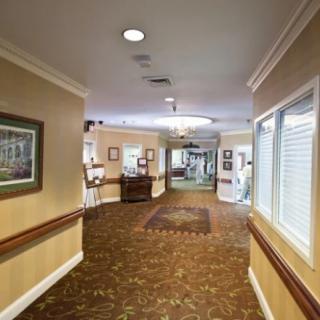
- The interior is very clean.
- The reviewer thanks the staff.
Cons
 FedEx mistakenly delivered packages there.
Review
Cummings Community Residential Care Home is best suited for families seeking a small, home-like atmosphere in North Charleston where warmth, attentiveness, and a clean, well-kept space are the central strengths. This community shines for residents who respond well to personal attention, simple daily routines, and a setting that feels more intimate than a large campus. It is especially appropriate for seniors who value trust in the caregiving team and want to know staff by name, with staff members who are willing to go the extra mile to support both residents and visiting family members.
Those evaluating options should keep in mind that this setting may not be ideal for everyone. Families with residents needing extensive on-site medical oversight, complex nursing care, or memory care services should consider facilities that offer dedicated clinical staff and specialized programs. If the requirement includes a wide array of therapeutic activities, expansive social programming, or urgent access to 24/7 nursing supervision, larger assisted living communities or memory-care-focused communities could be a more suitable match. The small residential model offers undeniable intelligence in caregiving warmth, but it inherently carries trade-offs in clinical depth and program breadth.
The strongest positives revolve around the people and the environment. The staff comes across as genuinely friendly and trustworthy, creating a peace of mind that caregivers will treat loved ones with kindness and respect. The way staff respond to everyday needs, demonstrated by practical, unobtrusive help, reassures families that a resident’s comfort and safety are prioritized over formality. A house-wide commitment to cleanliness reinforces confidence in daily life there, from dining to common areas. Even small gestures, like assisting a visitor with misplaced packages, convey a culture of reliability and personal investment in residents’ well-being.
These top-tier positives offset certain limitations in a meaningful way, though not in every dimension. The affection and steadiness of the caregiving team can compensate for a lack of scale by delivering consistent, individualized attention that larger facilities may struggle to reproduce. Cleanliness and a well-maintained interior contribute to an environment that feels safe and reassuring on a daily basis. However, the absence of explicit information about clinical staffing, medication management, or dementia-focused programming remains a reality families must verify. The warmth and orderliness described by one reviewer do not erase the need for comparable medical resources if a resident’s needs grow beyond what a small residential setting can responsibly support.
For families actively evaluating options, concrete steps will clarify fit. During a tour, inquire about staff-to-resident ratios and whether a licensed nurse is on-site or on-call, how medications are managed, and what levels of medical oversight are available. Demand specifics on dementia or memory-care capabilities, if relevant, and ask to see dining venues, common areas, and safety features such as grab bars and secure access. Request a clear breakdown of costs, what is included in monthly fees, and any additional charges for services. Finally, observe interactions between staff and residents, noting whether staff anticipate needs, maintain patience, and communicate clearly with families.
In the end, Cummings Community Residential Care Home offers a compelling proposition for families who prize a trustworthy, clean, and personally attentive environment. It demonstrates what a small, people-centered operation can achieve: steady caregiving relationships, practical assistance with everyday tasks, and a living space that feels tidy and welcoming. Those who can operate comfortably within a residential model, without requiring extensive on-site medical services or specialized memory-care programs, will likely find this community a strong match. For those needing deeper clinical resources or broader programming, it is prudent to explore alternatives that emphasize nursing coverage, specialized care tracks, and larger social ecosystems to ensure continuity of care as needs evolve.
 8 resident community capacity
 Assisted Living
 Board and Care Home
 Cable or satellite TV
 Dining room
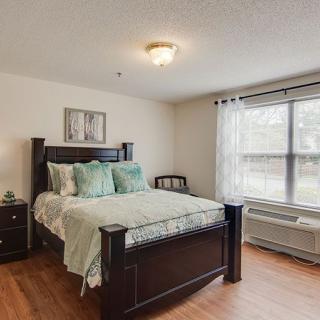
 Fully furnished
 Garden
 Housekeeping services
 Move-in coordination
 Outdoor space
 Telephone
 Wi-Fi/high-speed internet available
 Charleston AFB International (4 miles away)
 24-hour supervision
 Activities of daily living assistance
 Assistance with bathing
 Assistance with dressing
 Assistance with transfers
 Diabetes diet
 Meal preparation and service
 Medication management
 Special dietary restrictions
 Transportation arrangement (medical)
 Transportation to doctors appointments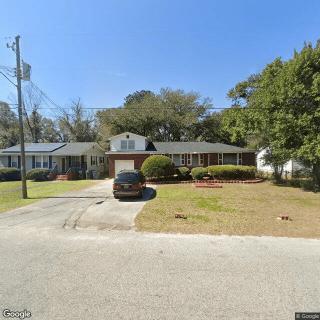


 Medicare Coverage for Assisted Living: An In-Depth Exploration
 Choosing the Right Senior Care: A Detailed Exploration of Assisted Living and Nursing Homes
 Understanding the True Cost of Assisted Living in 2025: A Comprehensive Guide