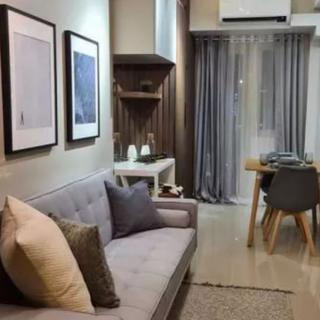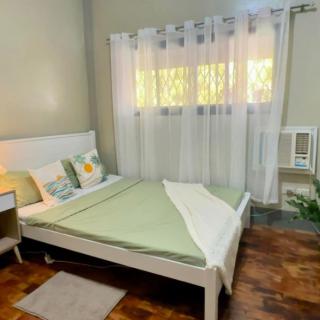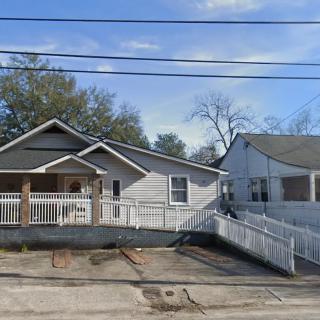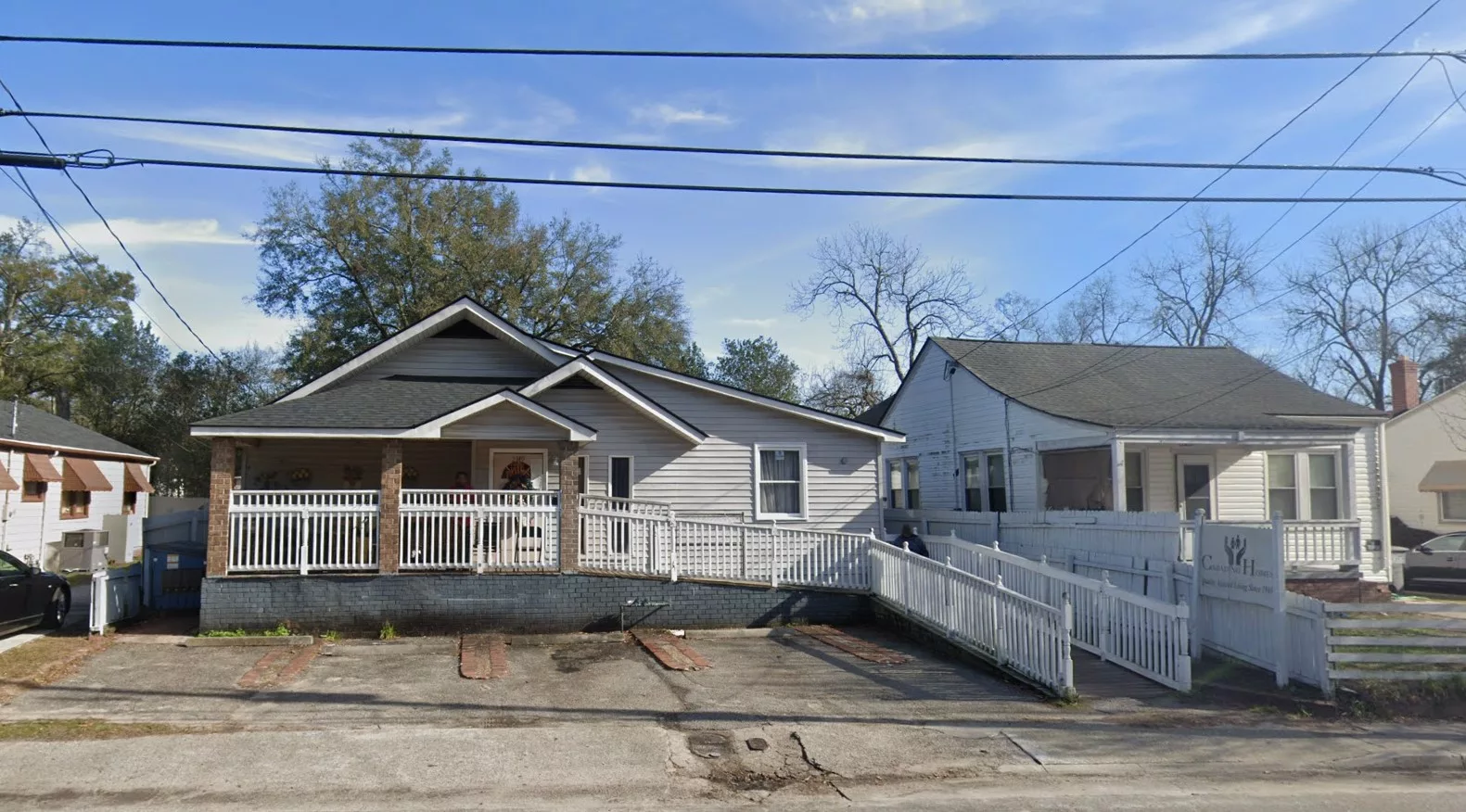
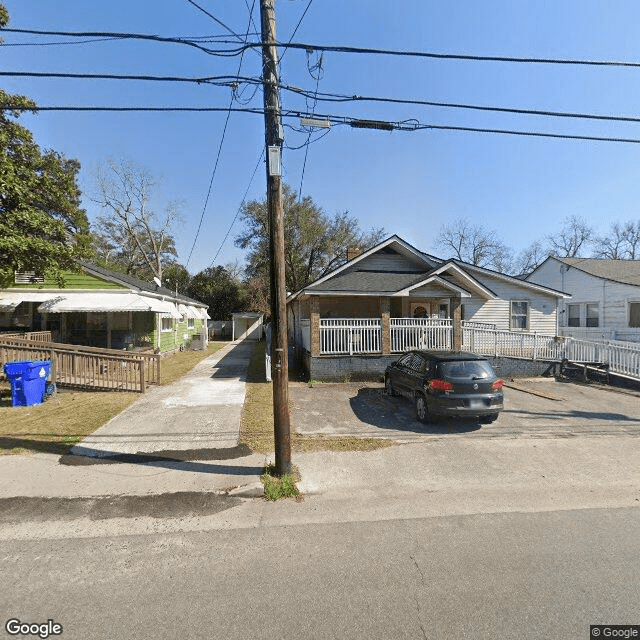
2149 Dorchester Rd, North Charleston, SC 29405
To contact a resident: (843) 745-9182
For more information about senior living options: (866) 208-4318
Overall Review of Cabading Homes #3
Pros
 The Cabading Residential experience was incredibly helpful.
- They enjoyed spending time with every fellow resident and staff member they met at Cabading.
- The reviewer rated their Cabading experience five stars (ten out of ten).
Cons
 North Charleston is a very dangerous place.
- Crime is big in North Charleston.
- There were many predatory people in North Charleston.
Review
Cabading Homes #3 in North Charleston is best suited for seniors who prize a warm, socially rich living environment with steady interaction among peers and a genuinely responsive staff. The community appears to foster daily connection and purposeful engagement, where residents and caregivers mingle in a way that creates a sense of belonging. For someone who values companionship, shared activities, and approachable care, Cabading offers a clearly attractive option that translates into lively days and meaningful social routines rather than a sterile or isolated experience.
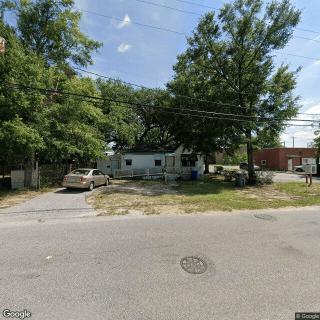
That said, families must weigh neighborhood safety as a practical factor in the overall decision. The available account emphasizes North Charleston’s safety challenges, including predatory activity in the surrounding area. This elevates the importance of selecting a setting where security is visible, consistent, and manageable for family concerns. Those who require minimal risk exposure, or who depend on heightened security due to cognitive or behavioral needs, may want to compare alternatives in quieter, more controlled environments or campuses with stronger perimeter protections and regulated access. The location, not just the care, becomes a defining consideration.
Where Cabading shines, the positives are clear and actionable. The reviewer describes an incredibly helpful experience and notes enjoyment with every fellow resident and staff member encountered during the stay. Such social abundance signals a culture that values accessibility, mutual support, and authentic interpersonal ties. This kind of atmosphere matters for daily life, because consistent, friendly interactions amplify the effectiveness of care by making assistance feel proactive and welcome rather than transactional. When the environment is this spirited, the day-to-day cadence leans toward companionship, facilitating participation in activities, meals, and informal support networks that can meaningfully reduce isolation.
From an advisory perspective, Cabading presents itself as a strong social engine underpinned by solid interpersonal capital. The five-star rating, drawn from the sole published account, points to a deeply satisfying human environment where residents experience genuine connection and caregivers respond with attentiveness. Yet the lack of detail about formal medical services, security measures, or transportation options means the decision should rest on a concrete visit plan. Prospective families ought to probe how staff handle safety contingencies, what on-site medical oversight looks like, and how mobility needs are accommodated, ensuring the emotional warmth is matched by practical reliability.
Prospective planners should align priorities with what matters most for the individual. If vibrant social calendars, easy access to assistance, and a consistently approachable team define quality of life, Cabading can deliver those benefits in spades. Conversely, if seclusion, higher-security corridors, or specialized clinical care (such as memory support or skilled nursing) are non-negotiable, it is prudent to explore options in safer geographic settings or facilities with explicit clinical capabilities. A disciplined visit, asking about safety features, daily routines, transportation, and neighbor interactions, will reveal whether the warmth translates into dependable, day-to-day security and continuity of care.
The bottom line is practical and decisive. Cabading Homes #3 offers a compelling home for seniors who value sociability, responsive staff engagement, and a genuine sense of belonging, accepting the neighborhood’s risk profile as a trade-off for that warmth. For families prioritizing security, quieter surroundings, or more comprehensive medical oversight, pursuing alternatives in safer settings or with broader care offerings is the prudent path. The choice rests on a candid appraisal of whether the community’s social dynamics and personal connections outweigh the practical realities of the surrounding area and align with the resident’s goals, preferences, and required level of independence.
 Assisted Living
 Activities on-site
 Devotional services off-site
 Indoor common areas
 Charleston AFB International (5 miles away)
 Ambulatory care
 Diabetic care
 Meals provided

 8 Key Indicators That Suggest It May Be Time to Transition from Assisted Living to Skilled Nursing Care
 Vibrant Senior Living: A Comprehensive Guide for Active Older Adults
 When to Transition from Assisted Living to Memory Care: Key Indicators, Steps, and Finding the Right Community