

3435 Rivers Ave, North Charleston, SC 29405
To contact a resident: (803) 566-1075
For more information about senior living options: (866) 208-4318
Overall Review of Cabading Homes #2
Pros
 The reviews express a hopeful desire for improved leadership and transparent communication with families.
- They emphasize the importance of timely updates on residents’ health, medication changes, pain, and injuries.
- They highlight a commitment to safer, cleaner living conditions and reduced crowding.
- They advocate for better pest control and sanitation as part of quality care.
- They show a focus on accountability and governance to drive meaningful improvements.
Cons
 The conditions are not suitable for those with mental health concerns.
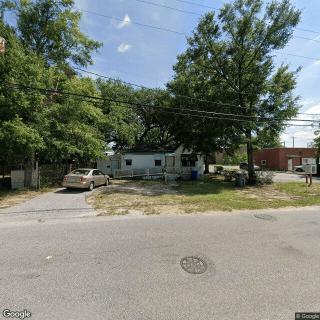
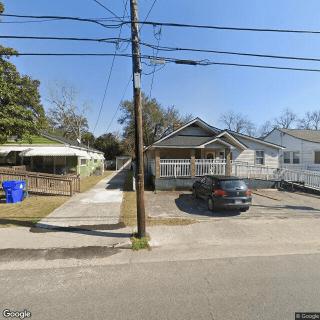
- There are too many residents per room and the space is too small.
- It is a breeding ground for COVID and flu.
- It is in need of an exterminator.
- There is no leader or manager communicating with families about residents' progress, decline, medicine changes, pain, or injuries.
- The place is disgusting and the living conditions are horrible for the money paid by the state.
- The Governor should be paying attention to facilities like Canading Homes instead of other concerns.
Review
Cabading Homes #2 in North Charleston is best suited for residents with extremely basic care needs and for families that, out of necessity, must consider the facility as a last-resort option. The reviews paint a consistent picture: cramped rooms, limited personal space, and a management style that fails to communicate with families about care progress, medication changes, pain, or injuries. For seniors who rely on regular, attentive oversight or who require support for mental health or behavioral concerns, this community is not a reliable match. When privacy, predictable routines, and clean, well-maintained surroundings are non-negotiable, a more robust option is almost certainly warranted. In practical terms, this is a facility families turn to only after screening options and finding that others are out of reach.
Who should consider alternatives? Anyone who expects transparent leadership and timely updates will want to look elsewhere. Residents requiring consistent medication administration, clear care plans, and proactive management should not be placed here. The absence of communication with families about declines, changes in treatment, or new injuries signals a systemic gap rather than an occasional lapse. Cleanliness and pest control are also recurring concerns, suggesting ongoing maintenance issues. If a resident has mental health concerns or cognitive impairment, or if family members need regular, constructive feedback on the resident’s status, the safer course is to pursue options with better staffing ratios, formal care coordination, and documented quality metrics.
On balance, the few perceived advantages do not offset the core drawbacks. Any potential cost savings are overshadowed by the risk of substandard living conditions and the erosion of trust between families, residents, and staff. The facility’s space constraints and overfilled rooms undermine dignity and safety, while the lack of an executable plan for medications, pain management, or injury reporting undermines clinical reliability. There is no appreciable evidence of engaging activities, meaningful social interaction, or consistent oversight, a critical miss for seniors who require structure and engagement. In short, the positives do not compensate for the serious, recurring problems that appear across multiple reviews.
Most alarming are safety and health gaps. The descriptions of pest issues, odors, and general neglect raise red flags for infection risk and chronic discomfort. The absence of timely communication about a resident’s progress or setbacks leaves families in the dark during crucial moments. When leadership is described as non-communicative, trust collapses, and care can deteriorate quickly. For residents with fragile health or chronic pain, delays in adjusting medications or acknowledging injuries translate into avoidable suffering. These are not minor irritants but fundamental failures in daily care. Families should not assume that a facility with such reports will improve with time; patterns suggest ongoing, systemic problems rather than isolated incidents.
Decision-making should focus on concrete indicators. Prospective residents should demand visibility into staffing levels, especially for days and evenings, and insist on a named administrator or point of contact who will document and relay changes to families promptly. Inspect the physical condition: room size, cleanliness, pest control records, and general hygiene. Request recent care plans, medication administration logs, and a defined process for reporting injuries or changes in condition. Speak with current residents and families about responsiveness and reliability, and review any state or regulatory inspection findings for the home. If the answers reveal delayed communication, questionable cleanliness, or inconsistent medical oversight, the prudent move is to walk away and pursue options with stronger governance and reputational credibility.
Bottom line: Cabading Homes #2 should be considered only if no viable alternatives exist and the budget is severely constrained, with the understanding that basic expectations around safety, communication, and cleanliness are likely to be unmet. Most families will find stronger value in facilities with transparent leadership, robust housekeeping, reliable medication management, and a clearly documented care plan. Those with loved ones who require mental health support, regular updates, or a high level of clinical oversight should actively explore other communities and schedule decisive site visits. When evaluating options, prioritize governance quality and verifiable care outcomes over location or price alone. A careful, evidence-based comparison will steer families away from a mismatch that risks well-being and dignity.
 Board and Care Home
 Charleston AFB International (5 miles away)




 Ten Vital Duties of a Senior Caregiver: A Comprehensive Guide
 9 Stimulating Memory Activities for Seniors: Puzzles, Cards, and Much More
 Managing Nursing Home Expenses After Medicare Coverage Ends