
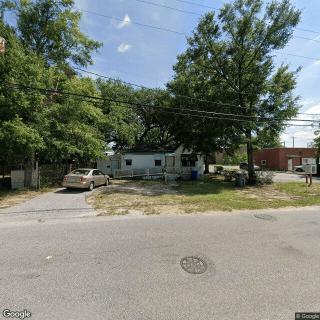
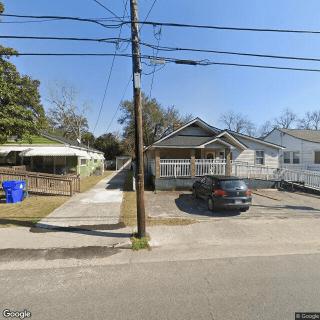
3431 Rivers Avenue, North Charleston, SC 29405
For more information about senior living options: (866) 208-4318
Overall Review of Cabading Homes 1
Pros
 The reviews reflect a strong concern for residents' well-being and safety.
- They emphasize the need for clearer communication from leaders to families about residents' progress, medicine changes, pain, and injuries.
- They call for changes to reduce crowding, improve sanitation, and address pest concerns to create better living conditions.
- They value accountability and expect facilities to address issues promptly.
- They express hope that, with proper action, these conditions can improve.
Cons
 The conditions are not suitable for residents with mental health concerns.
- Rooms are overcrowded and space is too small.
- It is a COVID/flu breeding ground.
- It is in need of an exterminator.
- There are constant complaints from a family member.
- There is no leadership or manager communicating with families about residents’ progress, decline, medicine changes, pain, or injuries.
- The living conditions are horrible given the state funding.
- The place is disgusting.
- The governor should be paying attention to facilities like Canading Homes rather than worrying about food stamps.
Review
Cabading Homes 1 in North Charleston is best suited for residents who face few expectations for care quality and can tolerate crowded, cramped living spaces with minimal administrative engagement. The reviews depict a setting where rooms are crowded and space is limited, and where daily life centers on logistical frustrations rather than attentive, responsive care. For families prioritizing safety, dignity, and consistent oversight, this community does not meet the mark. Those who require purposeful care planning, reliable caregiver attention, and a clean, well-maintained environment will notice a substantial mismatch between promise and reality. In essence, this is a last-resort option when other choices are exhausted and price pressure dominates decision criteria.
Explicitly, alternatives should be on the table for anyone evaluating this community who values transparent leadership, timely communication, and a clean, navigable living environment. Prospective residents with mental health concerns should seek facilities with specialized programming and closer monitoring, not a setting described as overcrowded and rundown. Families should demand scheduled progress updates, clear medication management, and visible, ongoing maintenance and housekeeping oversight. If core requirements include prompt responses to concerns, accurate care planning, and a professional leadership presence, a different option becomes indispensable.
From a practical standpoint, the scant positives do little to counterbalance the major flaws. Any potential cost advantage or convenience is undercut by persistent overcrowding and cramped quarters that erode comfort and mobility. Subpar cleanliness and maintenance elevate health and safety risks, not just nuisance factors. The absence of a reliable communication channel between families and administration means declines in condition, changes in treatment, and reports of pain or injury may not reach the right hands promptly. In short, the negative patterns are not isolated incidents but a recurring reality that erodes trust and safety.
To evaluate in real terms, families should demand concrete evidence during tours: the current resident-to-staff ratio, recent inspection results, and a firm plan for ongoing care milestones. Request written policies on how and when care changes are communicated, how medications are managed, and who supervises daily operations. Inspect living spaces for adequate size, cleanliness, and sound levels; verify that a robust housekeeping and maintenance cadence exists. Talk directly with current residents and family members about responsiveness and follow-through. These tangible metrics separate facilities capable of incremental improvement from those with systemic, chronic issues.
Within the North Charleston landscape, the reported rating, 1.3 from four reviews, serves as a sharp red flag. When a provider is described as a risk for disease spread, with per-room density and space constraints that feel entrenched, and with leadership that appears disengaged, the decision becomes easier: prioritize options with demonstrable oversight and quality. Savings at the point of admission are quickly erased by ongoing dissatisfaction, safety concerns, and unpredictable care delivery. The prudent path is to benchmark against higher-rated communities that show consistent communication, cleaner environments, and transparent, proactive care planning.
Bottom line: Cabading Homes 1 is not a recommended choice for most families, particularly those seeking reliable management, clear care plans, and safe, comfortable living spaces. It becomes a defensible last resort only when every viable alternative is exhausted and budget dictates proceeding despite pervasive concerns. The next step for decision-makers is to visit competing facilities, review state inspection histories, and foreground staffing stability and family communication practices. If choosing a facility now is unavoidable, insist on a concrete care plan, scheduled updates, and a formal escalation process to address grievances promptly.
 18 resident community capacity
 Assisted Living
 Board and Care Home
 Cable or satellite TV
 Dining room
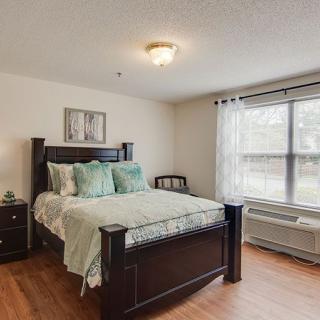
 Fully furnished
 Garden
 Housekeeping services
 Move-in coordination
 Outdoor space
 Telephone
 Wi-Fi/high-speed internet available
 Charleston AFB International (5 miles away)
 24-hour supervision
 Activities of daily living assistance
 Assistance with bathing
 Assistance with dressing
 Assistance with transfers
 Diabetes diet
 Meal preparation and service
 Medication management
 Special dietary restrictions
 Transportation arrangement (medical)
 Transportation to doctors appointments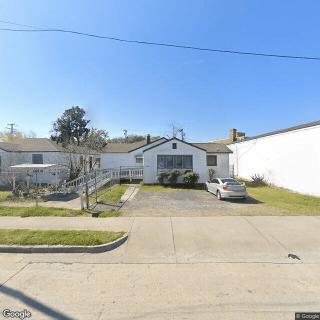





 Assisted Living Support for Veterans: A Complete and Detailed Overview
 Exploring the Contrasts Between Assisted Living and Skilled Nursing
 8 Key Indicators That Suggest It May Be Time to Transition from Assisted Living to Skilled Nursing Care