Tricounty Crisis Stabilization Center in Charleston, SC

5 Charleston Center Drive Ste 246, Charleston, SC 29401

For more information about senior living options: (844) 490-3973

5 from 5 reviews
5 stars
5
4 stars
0
3 stars
0
2 stars
0
1 stars
0

Assisted Living

What level of care are you interested in?

Assisted Living

Memory Care

Independent Living

Skilled Nursing Facility

Continuing Care Retirement Community (CCRC)CCRC

Other


Request a tour at Tricounty Crisis Stabilization Center

    Overall Review of Tricounty Crisis Stabilization Center

    Pros

    • pro The services provided are extremely important.
    • pro The staff have been first rate.

    Cons

    • pro The pandemic has caused multiple changes and has had an impact on the organization.

    Review

    This community is best suited for adults who are in acute mental health or behavioral crises and need rapid, professional stabilization with a clear path toward outpatient follow-up. It excels as a crisis intervention hub in the Charleston, South Carolina area, where skilled staff deliver timely assessments, safety planning, and discharge coordination. It is not a setting for long-term residence, daily living assistance, or extended rehabilitation. Families seeking a home-like environment with ongoing daily supports, memory care, or prolonged residential care should look to other options. For those who require a focused, short-term stabilization period with a solid handoff to community resources, this center stands out.

    Those who may want to consider alternatives are families prioritizing ongoing daily supervision, robust social programming, or specialized long-term supports. Traditional assisted living or memory-care communities, which emphasize continual daily activities and extended care planning, are often a better fit for individuals who require sustained supervision beyond crisis stabilization. Likewise, for loved ones needing long-term psychiatric rehabilitation, chronic illness management, or a more restorative living environment, other facilities designed for extended stay will usually deliver more consistent day-to-day structure. In short, this center delivers essential crisis services; it does not replace the needs met by long-term care communities.

    The strongest advantages align with the core mission: the services themselves are profoundly important, and the staff are consistently rated as first-rate. The team brings professional credibility, attentiveness, and a compassionate approach to people in acute distress. This combination supports rapid risk assessment, safety planning, and a credible bridge to outpatient care or community-based supports after stabilization. Operationally, the center can mobilize resources quickly, coordinate with external providers, and lay out a discharge plan grounded in the individual's immediate needs. Those features often determine whether a crisis ends with a solid plan or with lingering uncertainty.

    Yet the main drawback highlighted by recent experience centers on disruption. Pandemic-era pressures produced multiple changes that have at times affected organization-wide consistency and the smooth delivery of services. For families, this translates into potential variability in routine, scheduling, and the availability of non-clinical supports during the stabilization window. While the clinical care remains strong, the surrounding operational rhythms can feel unsettled. The offset is that the clinical team's capabilities still provide a reliable safety net during a crisis, preserving the core value of immediate intervention and a clear next step.

    From a practical decision-making standpoint, expectations should be calibrated around the center's strengths and its limits. If the priority is a rapid, well-coordinated stabilization with direct linkage to outpatient resources, this setting performs decisively. Families should seek clarity on discharge pathways, including follow-up appointments, case management, and transportation to outpatient services. It is wise to request specifics about typical length of stay, how often the care team updates families, and who serves as the primary point of contact during the transition. At the same time, prepare to pivot to a long-term living option if ongoing daily needs, memory care, or extended rehabilitation are anticipated.

    In the end, this crisis stabilization center represents a high-impact option for those facing acute distress who require immediate, competent intervention and a credible plan for moving forward. The staff's professionalism and the essential nature of the services provide a compelling case for prioritizing stabilization here. The pandemic-related disruptions are real but do not negate the center's fundamental value. Families should approach with a concrete post-stabilization plan in hand: identify outpatient supports, confirm continuity of care, and ensure there is a defined pathway to the next appropriate setting if long-term living or ongoing supervision becomes necessary.

    Features

    Housing

    • 10 resident community capacity 10 resident community capacity

    Types of Care

    • Assisted Living Assisted LivingAssisted living facilities provide crucial support and care for seniors who may need help with daily tasks such as medication management, bathing, and meal preparation. These communities offer a safe and comfortable environment where seniors can maintain their independence while receiving the assistance they need to thrive in their golden years.

    Amenities

    • Cable or satellite TV Cable or satellite TVCable or satellite TV is important for seniors because it provides entertainment, news, and companionship, helping to combat loneliness and boredom. It also offers a wide range of programming options tailored to different interests and preferences.
    • Dining room Dining roomDining rooms are important for seniors as they provide a space for socialization, connection, and nutritious meals. They offer opportunities for residents to bond over shared meals, foster a sense of community, and promote healthy eating habits. Dining rooms also ensure that seniors have access to well-balanced meals tailored to their dietary needs and preferences.
    • Fully furnished Fully furnishedFully furnished senior living communities are important for seniors because they provide convenience, comfort, and a hassle-free moving experience. Seniors can easily settle into their new living space without the stress of having to buy and move furniture. This allows them to focus on enjoying their new home and community.
    • Garden GardenGardens are important for seniors as they provide a peaceful and therapeutic environment for relaxation, physical activity, and socialization. Being in nature has been shown to reduce stress, improve mood, and promote overall well-being. Gardens also offer opportunities for seniors to engage in gardening activities, which can improve mobility, flexibility, and cognitive function. Additionally, gardens create a sense of community and connection with others who share a passion for plants and outdoor spaces.
    • Housekeeping services Housekeeping servicesHousekeeping services are important for seniors because they help maintain a clean and safe living environment, promote independence, and reduce the risk of accidents or illnesses. Additionally, having assistance with household chores can alleviate physical strain and allow seniors to focus on other aspects of their well-being.
    • Move-in coordination Move-in coordinationMove-in coordination is important for seniors because it helps ease the transition into their new living environment. It ensures that all logistics, such as packing, organizing movers, and setting up utilities are taken care of, allowing seniors to focus on settling in and adjusting to their new home. Having a smooth move-in process can alleviate stress and anxiety, making the transition smoother and more enjoyable for seniors.
    • Outdoor space Outdoor spaceOutdoor spaces are important for seniors as they provide opportunities for physical activity, social interaction, exposure to natural light and fresh air, and a sense of connection to nature. Having access to outdoor spaces can improve overall well-being and quality of life for older adults living in senior communities.
    • Telephone TelephoneTelephones are important for seniors as they provide a lifeline for communication with loved ones, emergency services, and healthcare providers. They offer a sense of security and independence, enabling seniors to stay connected and access assistance when needed.
    • Wi-Fi/high-speed internet available Wi-Fi/high-speed internet availableWi-Fi/high-speed internet is important for seniors to stay connected with loved ones, access online resources, and participate in virtual activities to combat feelings of loneliness and isolation. It also allows them to easily manage healthcare needs, access entertainment, and engage in lifelong learning opportunities.

    Transportation

    • Charleston AFB International (10 miles away) Charleston AFB International (10 miles away)

    Care Services

    • 24-hour supervision 24-hour supervision24-hour supervision is important for seniors to ensure their safety, well-being, and access to immediate assistance in case of emergencies or health issues. This constant support provides peace of mind for both seniors and their loved ones, allowing them to age in place with dignity and security.
    • Activities of daily living assistance Activities of daily living assistanceActivities of daily living assistance are important for seniors because they provide essential support with tasks such as eating, bathing, dressing, and mobility. This assistance helps seniors maintain their independence, dignity, and overall quality of life as they age.
    • Assistance with bathing Assistance with bathingAssistance with bathing is crucial for seniors as it helps maintain personal hygiene, prevents infections, and ensures their overall well-being and comfort. It also provides a sense of dignity and independence for seniors who may struggle with this task on their own.
    • Assistance with dressing Assistance with dressingAssistance with dressing is important for seniors because it helps maintain their independence, promotes personal hygiene, prevents accidents and injuries, and improves overall quality of life. This service ensures that seniors can continue to dress comfortably and confidently, despite any physical limitations they may have.
    • Assistance with transfers Assistance with transfersAssistance with transfers is crucial for seniors as it helps prevent falls and injuries, maintains their independence, and ensures they can safely navigate their living environment. It also provides peace of mind for both seniors and their loved ones.
    • Coordination with health care providers Coordination with health care providersCoordination with health care providers is crucial for seniors to ensure proper medical care, medication management, and overall well-being. This collaboration helps prevent overlapping treatments, track progress more effectively, and provide comprehensive support tailored to individual needs.
    • Diabetes diet Diabetes dietA diabetes diet is crucial for seniors as it helps manage blood sugar levels, reduce risks of complications, and improve overall health and well-being. By following a balanced and nutritious diet tailored to their specific needs, seniors can better control their diabetes and enhance their quality of life.
    • Meal preparation and service Meal preparation and serviceMeal preparation and service are crucial for seniors as they may have limited mobility or energy to cook nutritious meals. Having access to healthy and convenient food options can ensure they are getting the proper nutrition needed to maintain their overall health and well-being.
    • Medication management Medication managementMedication management is crucial for seniors to ensure they are taking the right medications at the correct dosages and times. This helps prevent adverse drug interactions, reduces the risk of medication errors, and promotes overall health and well-being. Proactive management also allows for adjustments as needed based on changing health conditions or new prescriptions.
    • Special dietary restrictions Special dietary restrictionsSpecial dietary restrictions are important for seniors because age-related changes in metabolism and health conditions can make it difficult for their bodies to process certain foods. By following a diet tailored to their specific needs, seniors can maintain their overall health and well-being, manage chronic conditions, and reduce the risk of complications such as malnutrition or food interactions with medications.
    • Transportation arrangement (medical) Transportation arrangement (medical)Transportation arrangements for medical purposes are essential for seniors as they may have difficulty driving themselves to appointments or accessing public transportation. Having reliable and safe transportation options ensures that seniors can receive timely medical care and maintain their health and well-being.
    • Transportation to doctors appointments Transportation to doctors appointmentsTransportation to doctors' appointments is crucial for seniors as it ensures they have access to necessary medical care and support for their health needs. Without reliable transportation, seniors may struggle to attend important appointments, leading to potential delays in treatment and health complications. Providing transportation services helps seniors maintain their overall well-being and quality of life.

    Dining

    • Diabetes diet Diabetes dietA diabetes diet is crucial for seniors as it helps manage blood sugar levels, reduce risks of complications, and improve overall health and well-being. By following a balanced and nutritious diet tailored to their specific needs, seniors can better control their diabetes and enhance their quality of life.
    • Special dietary restrictions Special dietary restrictionsSpecial dietary restrictions are important for seniors because age-related changes in metabolism and health conditions can make it difficult for their bodies to process certain foods. By following a diet tailored to their specific needs, seniors can maintain their overall health and well-being, manage chronic conditions, and reduce the risk of complications such as malnutrition or food interactions with medications.

    Activities

    • Community-sponsored activities Community-sponsored activitiesCommunity-sponsored activities are important for seniors as they provide opportunities for social interaction, mental stimulation, and physical activity. These activities can help improve overall well-being, combat loneliness and isolation, and promote a sense of belonging and purpose among older adults.
    • Scheduled daily activities Scheduled daily activitiesScheduled daily activities are important for seniors because they provide structure, socialization, mental stimulation, and physical activity. Engaging in regular activities can improve overall well-being and quality of life for seniors living in a community setting.

    Description

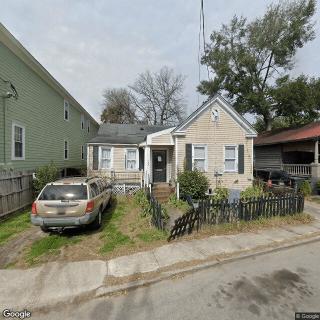
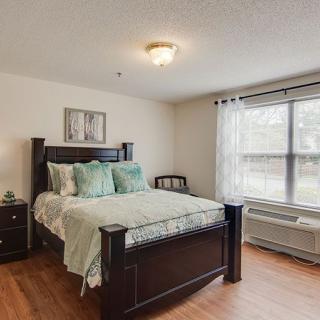
    The Tricounty Crisis Stabilization Center in Charleston, SC is a premier assisted living community that provides a comfortable and supportive environment for its residents. The center offers a range of amenities to ensure the well-being and convenience of its residents. With a dining room on-site, residents can enjoy delicious meals without having to leave the community. The center is fully furnished, providing a cozy and welcoming atmosphere for its residents. Additionally, there is a beautiful garden where residents can relax and enjoy the outdoors.

    Housekeeping services are provided to ensure that the living spaces remain clean and tidy at all times. Move-in coordination assistance is also available to make the transition into the community as smooth as possible for new residents. For communication needs, telephone services as well as Wi-Fi/high-speed internet access are provided.

    In terms of care services, the center offers assistance with activities of daily living such as bathing, dressing, and transfers for those who require it. Health care providers are coordinated with to ensure that residents receive necessary medical attention. Specialized care such as diabetes diets and medication management are also available.

    The dining options at Tricounty Crisis Stabilization Center cater to individuals with special dietary restrictions. Meal preparation and service are provided by experienced staff members who prioritize nutrition and taste.

    To keep residents engaged and active, scheduled daily activities are offered at the center. This ensures that residents have opportunities for social interaction, mental stimulation, and physical fitness.

    Conveniently located near cafes, parks, pharmacies, physicians' offices, restaurants, places of worship, transportation options including medical transportation services, and hospitals; Tricounty Crisis Stabilization Center allows easy access to various amenities outside of the community.

    Overall, this assisted living community provides exceptional care services and amenities in a warm and inviting environment that promotes the overall well-being of its residents.

    Nearby Places of Interest

    Hospitals

    • Musc Shawn Jenkins Children's Hospital (0.1 miles)
    • MUSC Ashley River Tower (0.1 miles)
    • Roper St Francis Foundation (0.2 miles)
    • Emergency Department, Roper Hospital (0.2 miles)
    • Buxton Surgical Pavilion (0.2 miles)
    • Medical University of South Carolina (0.4 miles)
    • Roper Hospital Ambulatory Surgery & Pain Management (2 miles)

    Physicians

    • Thomas Karl Byrne, MD (0.1 miles)
    • Chucktown Dental (0.2 miles)
    • Eyecare Physicians & Surgeons (0.2 miles)
    • Anesthesia Associates PA (0.2 miles)
    • MUSC Health University Family Medicine - Peninsula (0.4 miles)
    • Kratz John M MD (0.4 miles)
    • MUSC Radiology (0.4 miles)

    Pharmacies

    • MUSC Hollings Cancer Center Pharmacy (0.3 miles)
    • Rutledge Tower Pharmacy (0.5 miles)
    • Walgreens (0.5 miles)
    • CVS Pharmacy (1 miles)
    • Walgreens (1 miles)
    • Low Country Diagnostics Compounding Lab (1.1 miles)
    • CVS Pharmacy (1.5 miles)

    Restaurants

    • California Dreaming (0.5 miles)
    • Brown Dog Deli (0.6 miles)
    • 60 Bull Cafe (0.6 miles)
    • The Darling Oyster Bar (0.9 miles)
    • Prohibition (1 miles)
    • Malagon (1 miles)
    • Hall's Chophouse (1 miles)

    Parks

    • Brittlebank Park (0.6 miles)
    • Hampton Park Dog Run (1.4 miles)
    • Gadsdenboro Park (1.6 miles)
    • Joe Riley Waterfront Park (1.6 miles)
    • Medway Park (2.7 miles)
    • Mount Pleasant Memorial Waterfront Park (3.2 miles)
    • Bayview Soccer Complex (3.9 miles)

    Cafes

    • Sightsee (0.9 miles)
    • Babas on Cannon (0.9 miles)
    • Off Track Ice Cream (1.1 miles)
    • The Daily (1.1 miles)

    Transportation

    • Charleston Visitor Center Bus Shed (1 miles)

    Places of Worship

    • Greek Orthodox Church of the Holy Trinity (1.1 miles)

    Frequently Asked Questions

    Where is Tricounty Crisis Stabilization Center?

    Nearby Communities

    • My Father's House

      My Father's House

      Charleston, SC


      pro 24/7 supervision with ADL support and dietary accommodations in furnished rooms.

    • L Simmons Residential Home

      L Simmons Residential Home

      Charleston, SC

      5 from 1 review
       

      pro Peaceful residential setting with extensive nearby amenities (cafes, parks, healthcare, dining, transport, worship).

    • Canterbury House

      Canterbury House

      Charleston, SC

      4.3 from 66 reviews
       

      pro Excellent access to numerous nearby amenities (cafes, parks, pharmacies, restaurants, transportation, places of worship, and hospitals).

    • Kempton of Charleston

      Kempton of Charleston

      Charleston, SC

      4.3 from 28 reviews
      $5,000 to $7,800 / month

      pro Exceptional, compassionate care with attentive staff and strong management.

    • Commonwise Home Care - Charleston,  SC

      Commonwise Home Care - Charleston, SC

      Charleston, SC


      pro Vibrant Charleston location with convenient access to parks, dining, pharmacies, healthcare, and transit.

    • Right at Home Charleston

      Right at Home Charleston

      Charleston, SC

      3.2 from 5 reviews
       

      pro Excellent communication and high-quality care reported by clients.

    • Nhc Health Care - Charleston

      Nhc Health Care - Charleston

      Charleston, SC

      4 from 108 reviews
       

      pro Clean facility with friendly staff and robust rehab/amenities.

    • Oaks at Charleston

      Oaks at Charleston

      Charleston, SC

      4.3 from 122 reviews
      $2,499 to $3,900 / month

      pro Caring staff with engaging activities and a clean environment.

    • Oaks at Daniel Island

      Oaks at Daniel Island

      Charleston, SC

      4.5 from 84 reviews
      $2,995 to $5,000 / month

      pro Friendly staff and clean, comfortable apartments with engaging activities.

    Related Resources

    • assisted living waiver programA Detailed Exploration of Assisted Living Medicaid Waivers Across the United States
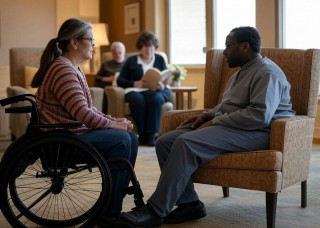
      Medicaid waivers for assisted living services provide vital support for seniors and individuals with disabilities in need of long-term care, with varying state-specific eligibility criteria and benefits. These waivers cover personal care and case management but often do not fully cover room and board, leading to waiting lists for many applicants.

    • assisted living for disabled adultsComprehensive Residential Support and Assisted Living Solutions for Individuals with Disabilities

      The article examines the complexities of assisted living for individuals with disabilities, emphasizing the need for tailored care solutions that enhance quality of life and social inclusion, while addressing financial challenges and advocating for community integration. It discusses various housing options, the importance of financial assistance through public benefits, and highlights trends towards integrated and technology-driven solutions in disability-focused housing.

    • assisted living for disabled adultsComprehensive Supportive Living Arrangements for Adults with Disabilities

      Assisted living for adults with disabilities has transformed to provide personalized care and support services aimed at improving residents' quality of life while balancing independence and assistance. However, low-income individuals often face challenges in affording these services, requiring navigation of various financial resources and advocacy for better policies and solutions.


    Get Pricing Ask A Question Schedule A Tour Contact Senior Advisor