
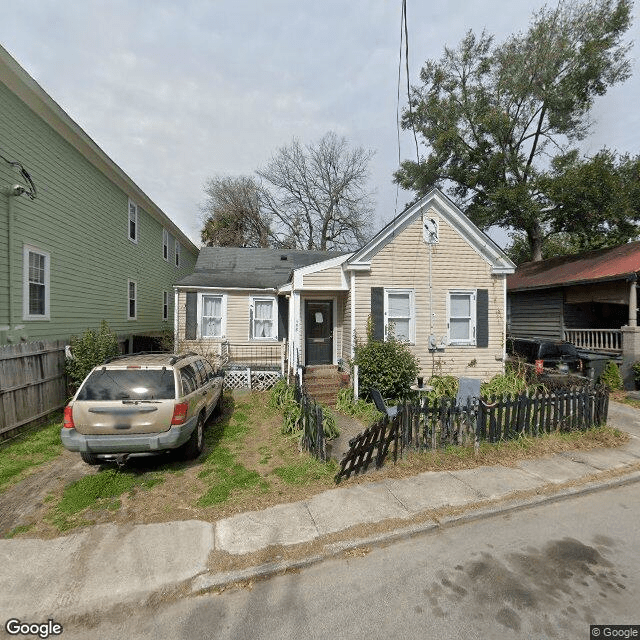
458 Race St, Charleston, SC 29403
To contact a resident: (843) 853-3179
For more information about senior living options: (866) 208-4318
Overall Review of L Simmons Residential Home
Pros
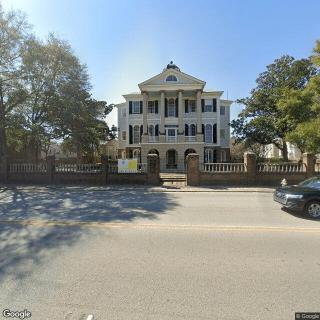
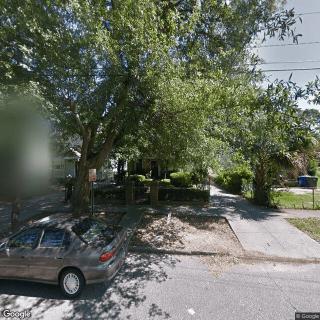
 The impressive projecting bays across the front facade create a striking first impression.
- The house’s 1760 origin as a colonial double house lends rich historic character.
- The 1840 alterations preserve the colonial fabric, maintaining timeless charm.
- It was once the most expensive house sold in Charleston, highlighting its prestige.
- It remains a private residence with a distinguished exterior that invites admiration from the street.
Review
This property is best suited for architecture and history enthusiasts who want a private Charleston landmark more than a senior living option. It is not a care community, and its value to families evaluating assisted living lies in its exterior grandeur and historical significance rather than any caregiving or daily-living infrastructure. For anyone seeking ongoing supervision, medication management, meals, or 24/7 staff support, alternatives that offer licensed services should be the focus.
L Simmons Residential Home presents a striking façade that hides a nuanced history. Built in 1760 as a colonial double house and later altered in 1840, the architectural fabric remains impressively intact, with projecting bays that convey a sense of permanence and pedigree. The narrative, a structure that commanded Charleston’s market attention when sold in the late 2000s as one of the city’s most expensive properties, adds to the allure for collectors and history buffs. Yet the substance behind the charm is residential, not service-oriented: a private home meant for admiration from the street, not for hosting daily living or caregiving routines.
From a practical senior-living perspective, the standout pros are largely non-transferable. The preserved colonial character and the prestige associated with such a property offer no tangible benefit in terms of safety, daily support, or social programming. The most salient “advantage”, a remarkable architectural legacy, does not translate into accessible meals, medication oversight, mobility assistance, or consistent supervision. In short, the positives contribute to cultural or investment interest, while they do little to address the fundamental needs that determine suitability for assisted living.
The core conundrum for families evaluating senior housing is simple: essential services and protections are absent here. There is no indication of caregiving staff, on-site wellness checks, emergency response systems, or structured activities that sustain independence with support. For a senior who requires help with activities of daily living, memory care, or even reliable transportation to appointments, this property simply cannot serve as a viable option. The absence of access to a regulated care environment means that any perceived value is outweighed by the critical gaps in daily functioning support and safety.
Those weighing alternatives should consider licensed assisted living communities, memory-care focused settings, or home-care arrangements that bring professional staff into a resident’s chosen living space. Look for facilities with certified caregivers, meal programs, housekeeping, medication administration, and safety features such as non-slip flooring, grab bars, and emergency alert systems. In Charleston, a broad spectrum of such options exists, ranging from campus-style settings to smaller, intimate communities; the key is to align the choice with the individual’s care needs, mobility level, and social preferences.
In conclusion, L Simmons Residential Home stands as a remarkable private historic residence whose architectural beauty and narrative value are indisputable. However, its fit ends at curiosity and investment interest; for families pursuing genuine senior living solutions, this property does not meet the fundamental requirements of daily care, safety, and ongoing support. The practical decision is clear: keep this property within the realm of admiration or real estate interest, and pursue licensed assisted living or home-care arrangements for actual care needs. The stark difference between architectural splendor and care infrastructure determines the recommended path forward.
 Board and Care Home
 Charleston AFB International (9 miles away)
 Engaging Brain Games and Innovative Apps to Keep Senior Minds Active
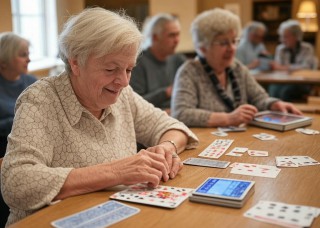 Effective Strategies for Keeping Seniors' Minds Active: A Deep Dive into Brain Games and Apps
 In-Depth Look at the VA Aid and Attendance Program