
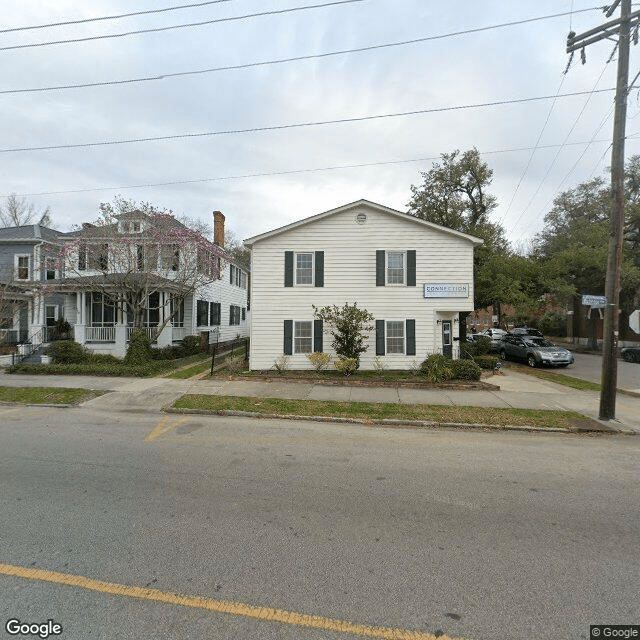
658 Rutledge Ave, Ste B, Charleston, SC 29403
To contact a resident: (843) 580-5120
For more information about senior living options: (866) 208-4318
Overall Review of Right at Home Charleston
Pros
 The service has been pretty good and there are no complaints.
- The communication was good and there were no issues with the home care.
- They would be recommended in the future.
Cons
 The company is terrible.
- They send workers 1 hour and 30 minutes away for a 3-hour shift.
- The staff is horrible.
- Management is unprofessional; the office manager allegedly says it's okay.
- Clients complain about unstable employees.
- They donā€™t pay for mileage.
- The company should be avoided at all costs.
Review
Right at Home Charleston is best suited for families that prize clear, proactive communication and a dependable coordination routine more than a fixed cadre of the same caregiver each day. The agency appears to thrive when families can work with a structured plan, where updates come regularly and schedule changes are managed efficiently. Clients who do not require highly specialized medical care or around-the-clock one-on-one attention tend to fare better, provided expectations are anchored in steady, predictable service. In practical terms, this community serves mid-level in-home support well, functioning as a practical hinge for daily living tasks, transport coordination, and companionship rather than a substitute for intensive clinical oversight.
Those considering alternatives should pay attention to staffing stability and geographic realities. Several reviews flag long travel times for caregivers and inconsistent staff coverage, with one account alleging little mileage reimbursement and another calling management tone and behavior into question. For families where the only acceptable model is a consistently assigned caregiver with low turnover, or where scheduling precision and caregiver accountability must be ironclad, a different provider may deliver more reassurance. If the client relies on steady, familiar faces or expects a straightforward pay-for-mileage policy, this agency warrants a cautious comparison with peers.
On the plus side, several experiences point to solid communication and smooth coordination. A reviewer who has partnered with the agency for a year describes the arrangement as pretty good with no complaints, signaling a baseline level of reliability and responsiveness. Another client reports that communication was good and the overall home care experience left no issues, with a willingness to recommend. These strains of feedback indicate that, when functioning as intended, Right at Home Charleston can deliver timely updates, responsive scheduling, and satisfactory day-to-day assistance that supports independence and safety at home.
However, the most vocal judgments caution against overreliance on consistent staffing and standard of care. Claims of unreliability, poor treatment by staff, and even outright mismanagement paint a picture of a service that can deliver good moments but also expose clients to abrupt changes, long commutes for visits, and limited mileage reimbursement. The combination of perceived office-level indifference and caregiver turnover creates scenarios where care quality is inconsistent from week to week. For families with a fixed budget or strict expectations about who comes to the door and when, these gaps are a meaningful red flag.
Ultimately, the pros, clear communication, reasonable coordination, and a track record of positive, if not universal, client experience, do offset some risk when the client can tolerate variability and logistical tradeoffs. The downsides, however, are not trivial: unstable staffing, extended caregiver travel, and questions about how mileage is handled can erode confidence if not actively managed. In a decision framework, this agency makes the most sense for households that prioritize being kept in the loop and that can accept occasional caregiver turnover as a cost of a flexible, in-home support model. For those that cannot, the balance tips toward alternatives with stronger retention and more predictable logistics.
Practical next steps include requesting a concrete care plan with named caregivers, a stated escalation path for scheduling gaps, and a transparent policy on mileage reimbursement. Ask for turnover data, how often caregivers change for the same client, and insist on a trial period to observe how communication and continuity actually perform. Seek client references who faced similar needs and verify consistency over at least six weeks. If these criteria fail to meet expectations, compare with other local agencies that emphasize caregiver stability, consistent assignment, and mileage policy as core commitments to caregiver quality.
 Charleston AFB International (9 miles away)






 Is a Geriatric Care Manager the Right Choice for Your Family?
 Compassionate Conversations: How to Comfort Someone Who Is Grieving
 Home Health Care Aides: Understanding Their Role and Supporting Your Family