Canterbury House
Save
175 Market St, Charleston, SC 29401
For more information about senior living options: (844) 490-3973
What level of care are you interested in?

Assisted Living

Memory Care

Independent Living

Skilled Nursing Facility

Continuing Care Retirement Community (CCRC)CCRC

Other
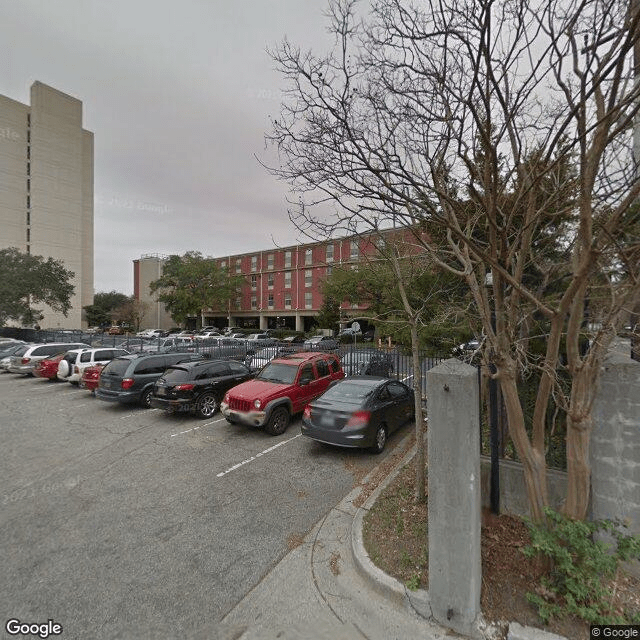
Across a range of remarks about independent senior living in Charleston, a single thread emerges: some residents and families praise the idea of a convenient, downtown home for 62-plus adults, while others raise serious concerns about maintenance, safety, management, and how residents are treated. The reviews touch several facilities, with Canterbury House and properties described as HUD/ Episcopal diocese?affiliated, high-rise options that promise social programs, on-site amenities, and close proximity to shops, theaters, and churches. Yet the sentiment in many comments is mixed at best, and at times severely critical, depending on who was doing the reporting and when.
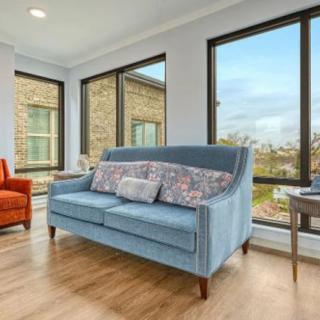
In the mix are heartfelt endorsements of the overall concept. For those who have found the right fit, these buildings offer independent living, affordable rents, and the perk of living in a historic downtown area. Several accounts highlight the attractive features: upper-floor apartments with striking city views, proximity to cultural amenities, and a sense of community with neighbors who "are very friendly" and who offer activities such as bingo, Bible study, and group socials. A few residents describe their living spaces as part of a broader cultural experience - "the views from my upper floor window are incredible," or "it's a lucky find for culture buffs and convenient within walking distance to shops, churches, theatres, hospitals." Some residents also note practical conveniences like in-building laundry and access to exercise equipment, and they emphasize the value of the social and spiritual programs that the facilities advertise.
But beneath these positives lie substantial, sometimes explosive complaints. Bed bugs and pest problems recur as a dominant theme in multiple reviews, with residents describing ongoing infestations that persist despite "monthly pest control" and heat treatments. One family member describes a cycle where treatments provide only temporary relief and insists on a "proper treatment," alleging reluctance by staff to acknowledge the scope of the problem. The same narrative recounts unhealthy indoor air or residue from sprays, washing facilities that fail to resolve the issue, and a sense that the problem is not being addressed at the level needed for residents' health and safety. Coupled with pest issues are concerns about water quality and general cleanliness, with complaints that the environment is not consistently clean or safe.
Maintenance and infrastructure fester as other recurring problems. Elevators are described as frequently broken, and residents report a sense of instability and inconvenience when access to essential services is intermittently cut off. Several reviews mention aging facilities with leaking toilets and other repair needs, while some residents question whether enough money is being invested to maintain safety and livability. In addition, residents note general service gaps - transportation for outings that is allegedly unreliable or slow, and "joke" transportation arrangements that leave families waiting or frustrated. The overall tone suggests that even when the facilities offer a broad menu of services, the execution of those services can be inconsistent, creating daily friction for residents and their visiting family members.
The management dynamic is a central nerve in these accounts. A recurring pair of names - Sally and Ann - appears in multiple reviews, sometimes portrayed as responsive and service-oriented, at other times accused of harassment, discrimination, or a lack of concern for residents' voices. One reviewer explicitly condemns a manager for "discriminatory behavior" and concerns about harassment, going so far as to describe the director as dismissive of complaints and to suggest a "toxic environment" created by staff interpersonal dynamics. These intense claims often pair with broader anxiety about residents' ability to advocate for themselves, because some reviewers say they or their loved ones fear retribution or eviction for speaking up. In one notably vehement post, a writer calls for welfare checks and for broader accountability, even naming local civic leaders in a bid to prompt oversight. The combination of praise for the intended mission of elder care with sharp accusations about how residents are treated creates a polarized portrait.
Some visitors and residents emphasize the importance of dignity and choice, insisting that these places should be safe, respectful homes that honor residents' autonomy. There are also touches of nostalgia and personal ties: families grateful for care that helped a parent through illness, or residents who feel blessed by the opportunity to live independently in a city setting. Yet even these affirmations sit within a broader frame that acknowledges serious concerns about how residents' voices are heard, how problems are managed, and how timely improvements are made. The contrast between the ideal of a thriving 62-plus community and the reality described by multiple accounts points to a need for careful due diligence, transparent complaint channels, and stronger accountability measures.
Taken together, the collection of remarks paints a nuanced picture of Charleston's downtown senior-living scene. For prospective residents and families, the message is clear: the concept of independent senior living in an urban, culturally rich setting can be highly appealing, offering proximity, social programs, and heartfelt community moments. At the same time, the experiences shared here underscore real, sometimes escalating, concerns about pest control, maintenance, safety, the reliability of transportation and social activities, and the quality of management. Anyone considering these communities would do well to verify current conditions, request transparent information on service levels and repairs, examine the grievance and escalation processes, and talk directly with current residents about day-to-day realities. In the end, the best choice may hinge on ongoing oversight, open communication, and a shared commitment to preserving residents' dignity, safety, and independence.
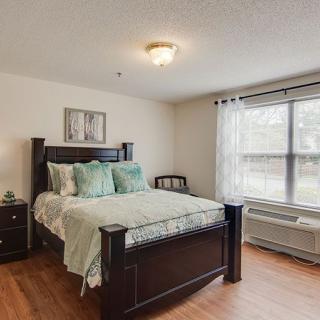
Canterbury House in Charleston, SC is an assisted living community conveniently located near a plethora of amenities. With 4 cafes nearby, residents can enjoy a variety of local coffee shops and eateries for a quick bite or relaxing cup of coffee with friends and family.
For those who appreciate spending time outdoors, there are 9 parks in the vicinity. These parks offer opportunities for scenic strolls, picnics, or simply enjoying nature's beauty.
The community also boasts 13 pharmacies nearby, ensuring that residents have easy access to their medication needs and healthcare supplies. Additionally, with 22 physicians in close proximity, seniors can easily schedule doctor appointments or seek medical advice when necessary.
Food enthusiasts will delight in the presence of 43 restaurants nearby. From fine dining establishments to cozy cafes and local culinary gems, there is no shortage of options to indulge in various cuisines and dining experiences.
Transportation is made convenient with one transportation option nearby. This allows for easy accessibility to explore the surrounding areas or run errands without the need for personal transportation.
Residents seeking solace and spiritual fulfillment will find comfort knowing that there is one place of worship located nearby where they can engage in religious activities and connect with their faith community.
Lastly, the well-being and safety of residents are ensured as there are 7 hospitals in close proximity. In cases of emergencies or any medical concerns requiring immediate attention, necessary medical care is readily available within just a short distance from Canterbury House.
Overall, Canterbury House offers its residents a well-rounded community experience by providing access to various amenities essential for comfortable living while maintaining a strong focus on health, wellness, social connectivity, and convenience.
This area of Charleston, South Carolina offers a vibrant mix of dining options, ranging from seafood restaurants like Le Farfalle and Hyman's Seafood to charming cafes such as Off Track Ice Cream and Babas on Cannon. For healthcare needs, there are several pharmacies nearby like CVS Pharmacy and Walgreens, as well as reputable medical facilities including the Medical University of South Carolina and Roper Hospital. Residents can also enjoy the green spaces in the area, with parks like Joe Riley Waterfront Park and Gadsdenboro Park providing serene settings for outdoor activities. Additionally, there are various places of worship such as the Greek Orthodox Church of the Holy Trinity within a short distance. Overall, this part of Charleston offers convenient amenities and healthcare services that cater to senior living needs.
Canterbury House is located at 175 Market St, Charleston, SC 29401 in Charleston County, South Carolina
California's Form 602A: An In-Depth Examination of Senior Care Assessment

California's Form 602A is a vital tool for evaluating the health needs of seniors seeking residential care, detailing their medical conditions and daily living requirements to ensure proper service alignment. This standardized form enhances communication among physicians, families, and facilities, serving as a regulatory measure for admissions and ongoing care while adapting to changing healthcare practices.
Comprehensive Look at Senior Blood Pressure Charts: Normal and Elevated Levels by Age
The overview of blood pressure management for seniors emphasizes the importance of monitoring and interpreting blood pressure readings, noting that normal ranges can vary due to age-related factors and individual health conditions. It highlights tailored guidelines for systolic and diastolic levels, the necessity of early detection and consistent management to prevent serious health complications, and advocates for personalized care strategies that incorporate lifestyle changes and medication adherence.
Top Canine Companions for Older Adults
Dogs can greatly improve the lives of older adults by offering emotional support and encouraging physical activity, with factors such as size, temperament, and grooming needs being crucial in selecting a suitable breed. Senior dogs often make ideal companions for this demographic, promoting social connections and requiring care routines that align with seniors' capabilities.