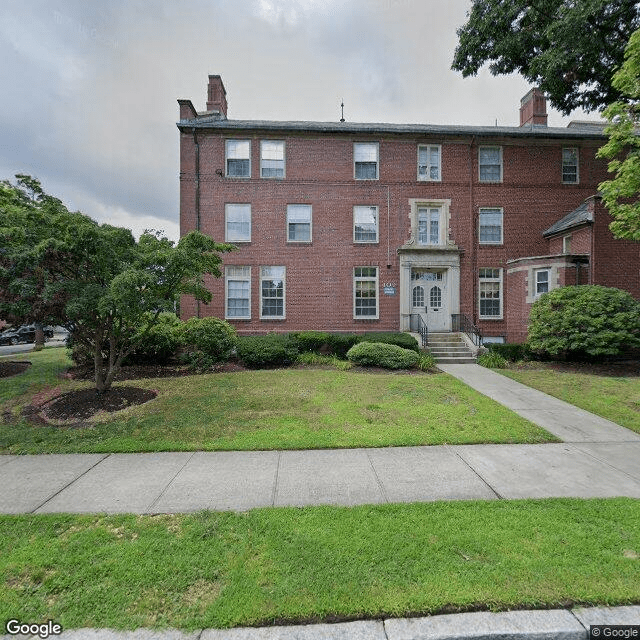
109 Melrose Street, Providence, RI 02907
For more information about senior living options: (866) 208-4318
Saint Elizabeth Court Costs & Pricing
Saint Elizabeth Court offers competitive pricing for its residence options when compared to both Providence County and the broader Rhode Island market. For instance, the monthly cost of a studio at Saint Elizabeth Court is $2,800, significantly lower than the county average of $3,847 and the state average of $4,015. Similarly, one-bedroom units at Saint Elizabeth Court are priced at $3,300, which is more affordable than the county's rate of $4,449 and the state's rate of $4,796. The two-bedroom apartments also reflect this trend: priced at $4,400, they remain less expensive than both the county average of $5,365 and the state average of $5,810. These cost advantages highlight Saint Elizabeth Court as an attractive option for those seeking quality living accommodations without exceeding their budget in comparison to surrounding areas.
| Floor plans | Saint Elizabeth Court | Providence County | Rhode Island |
|---|---|---|---|
| Studio | $2,800 | $3,847 | $4,015 |
| 1 Bedroom | $3,300 | $4,449 | $4,796 |
| 2 Bedrooms | $4,400 | $5,365 | $5,810 |
Skilled Nursing Facilities with a similar price nearby
-
from -$200 / mo

Brookdale Sakonnet Bay
$2,600 to $5,895 / month15.6 miles away -
from +$440 / mo

Brookdale Centre of New England
$3,240 to $7,420 / month11.7 miles away -
from +$200 / mo

Catholic Memorial Home
$3,000 / month15.8 miles away -
from +$90 / mo

Franklin Court Assisted Living
$2,890 to $3,575 / month11.6 miles away
Overall Review of Saint Elizabeth Court
Pros
 The staff at Saint Elizabeth Court are helpful to residents and their families.
- The administration and maintenance teams keep the facility safe, well kept, and well maintained.
- The apartments at Saint Elizabeth Court are clean, neat, and conveniently located near hospitals and doctors.
- They provide engaging daily activities and outings that residents enjoy.
- The administration and staff go above and beyond for their residents.
- The staff are phenomenal and help families feel welcomed and supported.
- The facility is wonderful, clean, and home to kind and caring staff.
- The community feels friendly and safe, making it a place families would highly recommend.
Cons
 The food is not varied and is often cold, undercooked, or the same every week.
- The meals are very small and not very good.
- Outings and activities cost money, and residents may not have cash for them.
- The staff need to learn to speak English, as they often speak their own language when together.
- There is a rude, cranky woman who answers the phone.
- The staff are not being managed well.
Review
Saint Elizabeth Court in Providence is best suited for active seniors who want a safety-forward, people-centered assisted living where staff accessibility and a neighborhood feel sit at the heart of care. It works well for families prioritizing consistent administration, dependable maintenance, and easy access to Providence-area hospitals and physicians. The community earns trust through hands-on support from administration, med techs, and frontline staff, and it shows in a transparent, approachable culture where questions are welcome and problems are addressed promptly. Residents tend to thrive in a social, well-kept environment with ready access to transportation for outings. Those needing high-intensity medical supervision, or a budget-driven option with minimal amenities, should consider alternatives, as Saint Elizabeth Court leans toward broader service offerings rather than bare-minimum care.
On the positive side, the living spaces are described as well-kept, clean, and convenient, with apartments that meet basic expectations. The location is an asset, closer to hospitals and doctors in the Providence metro area. The staff is repeatedly praised for going beyond the call of duty, from administrators who solve problems to med techs who monitor safety and comfort. Daily activities, bingo, entertainment, arts and crafts, and clubs, keep residents engaged, and occasional outings to ice cream shops, beaches, or nice dinners provide variety without leaving the building unremarked. The care culture shines through in stories of residents with dementia feeling settled and friends being made, underscoring the warmth and approachability that pervades the building.
Yet this is not a flawless picture. Dining quality emerges as a recurring concern: menus can feel repetitive, portions small, and some meals described as undercooked or not up to expectation. Some residents are reluctant to complain, and scheduling quirks, two meal times that don’t guarantee identical meals, add frustration. Staffing pressures surface in anecdotes about lean periods limiting help or responsiveness. A few reviews refer to a change in management, with concerns about how duties were reallocated, and a past incident where accountability felt misplaced. Language differences and communication gaps also appear in a subset of experiences, reminding that customer service can vary by interaction.
Despite these drawbacks, the strong pros often offset the cons for many families. The dependable staff and proactive administration mean issues are less likely to linger, safety protocols are visible through sign-in/out procedures and meticulous maintenance, and the social calendar keeps residents active without isolating them. Proximity to medical resources reduces stress for families during crises, and the well-kept apartments provide a comfortable home base that remains appealing over time. The ability to participate in outings, coupled with a vibrant resident community, makes Saint Elizabeth Court a practical choice for those who value a secure, social environment with steady daily support.
Families should consider alternatives if dining quality and predictable value matter most, or if a lower-cost, more self-directed lifestyle is the priority. If dementia care requires specialized programming beyond what Saint Elizabeth Court routinely provides, or if staff availability during peak hours is a major concern, exploring other communities with larger teams or different care models is prudent. For those who prioritize language accessibility or want venues that minimize language barriers, a nearby facility with a more multilingual staff might be a better fit. In short, Saint Elizabeth Court suits families seeking warmth, reliability, and a ready-made social environment, while more intensive dining control, memory-care specialization, or budget constraints point toward alternatives.
To decide, prospective residents should tour the building, speak with current residents and families, and specifically ask about current staffing ratios, meal service details, and the cost structure of activities and trips. Confirm the director’s tenure and the process for addressing concerns. Inspect the living spaces, confirm safety features, and request menu samples to gauge variety and portion standards. Check if the community can accommodate memory-support needs or if a dedicated memory-care option is warranted. With due diligence, Saint Elizabeth Court stands out as a capable, community-focused choice for Providence-area seniors who prize care, safety, and social engagement over the long haul.
 72 resident community capacity
 1-bedroom apartments
 Assisted Living
 Skilled Nursing Facility
 Cats allowed
 Dogs allowed
 Activities on-site
 Air-conditioning
 Beautician on-site
 Cable or satellite TV
 Computer center
 Devotional services off-site
 Dining room
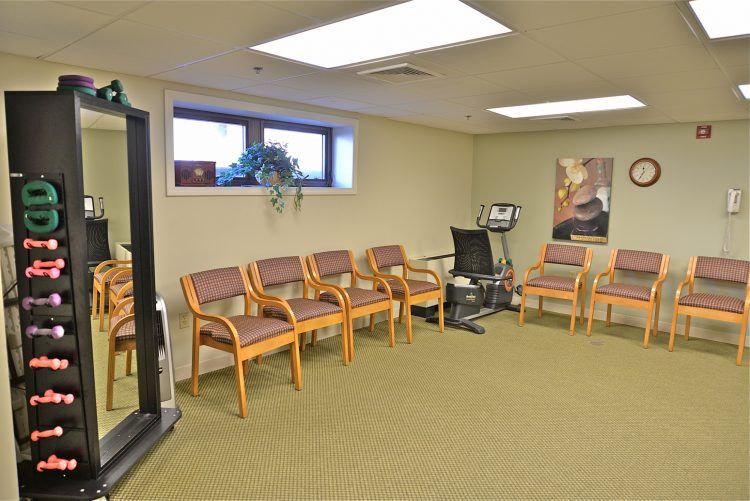
 Fitness room
 Fully furnished
 Gaming room
 Garden
 Housekeeping services
 Indoor common areas
 Kitchenette
 Laundry
 Move-in coordination
 Outdoor space
 Party space
 Private bathrooms
 Respite or short term stays offered
 Restaurant-style dining
 Small library
 Telephone
 Wellness center
 Wi-Fi/high-speed internet available
 Theodore F Green State (5 miles away)
 Community operated transportation
 24-hour call system
 Ambulatory care
 Assistance with bathing
 Assistance with dressing
 Assistance with transfers
 Diabetes diet
 Medication management
 Special dietary restrictions
 Concierge services
 Planned day trips
 English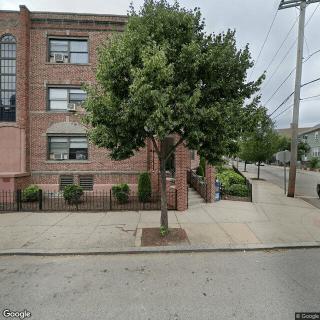







 An Extensive Exploration of the VA Aid and Attendance Benefit
 Senior Transition Services: Understanding Their Role, Cost, and Importance
 Exploring the Path to Senior Living: A Comprehensive Look at Independent Living and Assisted Living