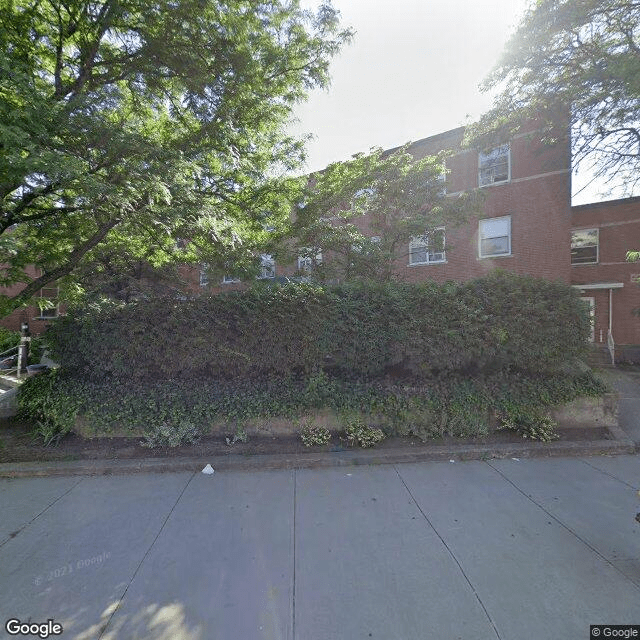
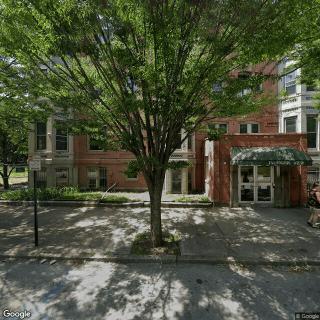
153 Dean Street, Providence, RI 02903
To contact a resident: (401) 400-1800
For more information about senior living options: (866) 208-4318
Arbor Hill Costs & Pricing
Arbor Hill offers competitive pricing for its accommodations, particularly when compared to the wider market in Providence County and the state of Rhode Island. For instance, a studio at Arbor Hill is priced at $3,150 per month, which is notably lower than the average studio costs in Providence County at $3,847 and the state average of $4,015. Similarly, their one-bedroom apartments are available for $3,485 monthly, significantly undercutting both Providence County's average of $4,449 and Rhode Island's overall average of $4,796. This positions Arbor Hill as a financially attractive option for prospective residents seeking quality living arrangements without the higher price tag associated with many other local offerings.
| Floor plans | Arbor Hill | Providence County | Rhode Island |
|---|---|---|---|
| Studio | $3,150 | $3,847 | $4,015 |
| 1 Bedroom | $3,485 | $4,449 | $4,796 |
Overall Review of Arbor Hill
Pros
 The facility is great and the staff are even better.
- It is a great facility on Federal Hill and a good place for elder friends in need of 24-hour supervised care.
- The director is courteous and very helpful.
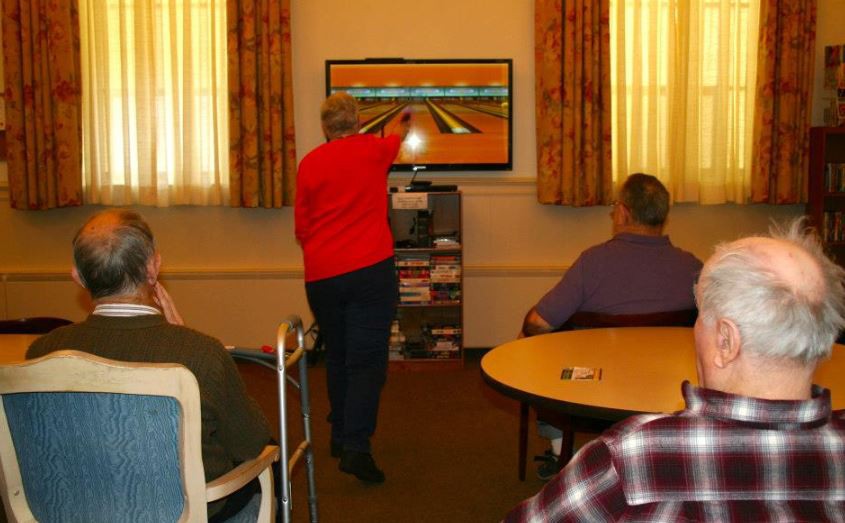
- The facility offers activities and has a van for residents.
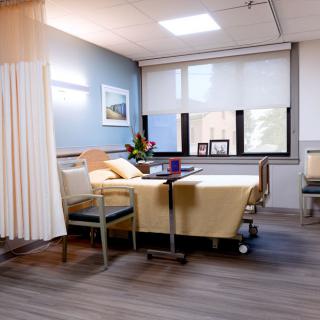
- Residents like their little rooms and feel at home.
Cons
 The staff there is awful.
- Only a handful of workers truly care.
- Most of the staff are rude and ignore patients.
- Staff ignore patients while being on their phones.
- Arbor Hill is not clean.
- The place is very dark and dingy.
- The residents line up to get medications, which isn’t very private.
Review
Arbor Hill is best suited for seniors who want a compact, homey feel on Federal Hill and rely on structured supervision with accessible transportation and occasional organized activities. It suits families prioritizing a 24-hour supervised environment where a director can influence service quality and residents can still enjoy a degree of social programming. The setting appeals to those who value a sense of belonging in a small-community atmosphere, and who can tolerate fluctuations in day-to-day staff attentiveness and cleanliness. In short, this is a choice for families willing to trade some consistency in care quality for location, resident familiarity, and the chance for routine outings via the activity van.
Those who should consider alternatives are families for whom constant, compassionate staff interactions are non-negotiable. If reliable, respectful treatment across shifts, bright, well-maintained spaces, and private, discreet medication management are critical, Arbor Hill may fall short. The surrounding neighborhood quality matters to visitors and residents alike, so if safety, curb appeal, and a consistently clean, well-lit environment are priorities, other options with stronger reputations for cleanliness and staff stability deserve exploration. Also, if the plan requires robust, day-to-day activity levels and predictable programming, a larger or more resource-rich community might deliver more reliably.
On the plus side, several reviews highlight redeeming attributes that can make Arbor Hill workable for the right resident. The facility’s location on Federal Hill offers convenient access to bridges, shops, and social opportunities, and some residents report feeling at home in their private room, which can ease the transition to assisted living. A courteous director and a few dedicated staff members emerge in feedback as bright spots, signaling that genuine care can be found on certain shifts. The presence of a resident van and available activities contributes real value for those seeking social engagement and light excursions, helping stave off isolation when other supports are limited. For families who prioritize personal connections and a sense of belonging over pristine sterility, these elements can carry meaningful weight.
Yet the downsides are not easily dismissed. A recurring thread is staff behavior that many perceive as disrespectful or inattentive, with accounts of employees appearing distracted and unresponsive. Cleanliness and ambiance receive mixed reviews, with some seeing rooms and common areas as dark or dingy, which undermines dignity and comfort. Privacy during medication administration emerges as a notable concern, with fears that the process could feel public rather than discreet. The feedback about the surrounding area being less appealing and the overall environment feeling austere further strengthens the caution. Given these patterns, the absence of consistent, high-quality care across all shifts remains Arbor Hill’s most consequential challenge.
Those pros and cons must be weighed against each other with care. For families who can tolerate episodic lapses in service if the core team demonstrates genuine concern and the resident gains from social outings and a welcoming private room, Arbor Hill can deliver a livable, if imperfect, assisted-living experience. The director’s courteous conduct and the promise of activities and a transport option provide a meaningful offset for residents who prioritize companionship and routine over pristine décor or absolute staff consistency. However, when reliability of care, privacy, and cleanliness become defining criteria, these positives lose some of their heft. The result is a facility that can work for a subset of residents, but not a universal fit.
A practical decision includes a targeted, two-track approach. Conduct a structured visit with specific questions about staff coverage across all shifts, cleanliness standards, and the privacy of the medication line. Request to observe a medication pass, talk with current residents about daily routines, and review the activities calendar to gauge consistency. Simultaneously compare with other local options that emphasize staffing stability and superior hygiene, especially if neighborhood ambiance and indoor brightness are non-negotiables. If those criteria cannot be met, Arbor Hill remains a viable option only for families willing to compromise for location and limited-but-accessible engagement rather than a comprehensive, consistently excellent care experience.
 53 resident community capacity
 Studio apartments
 Assisted Living
 Independent Living
 Skilled Nursing Facility
 Activities off-site
 Air-conditioning
 Beautician on-site
 Cable or satellite TV
 Computer center
 Devotional services off-site
 Dining room
 Fitness room
 Fully furnished
 Gaming room
 Garden
 Guest parking
 Housekeeping services
 Indoor common areas
 Kitchenette
 Move-in coordination
 Outdoor common areas
 Party space
 Private bathrooms
 Restaurant-style dining
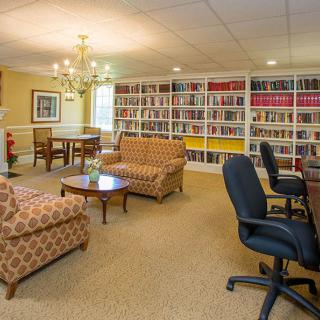
 Small library
 Telephone
 Wellness center
 Wi-Fi/high-speed internet available
 Theodore F Green State (7 miles away)
 Community operated transportation
 24-hour call system
 Ambulatory care
 Assistance with bathing
 Assistance with dressing
 Assistance with transfers
 Diabetes diet
 Diabetic care
 Medication management
 Special dietary restrictions
 Concierge services
 Planned day trips
 English
 Beyond the Bingo Hall: 50+ Enriching Activities for Seniors in Assisted Living
 Understanding the Distinctions: Assisted Living and Memory Care Explained
 Guiding Elderly Parents Who Refuse Assisted Living: 6 Practical Steps