
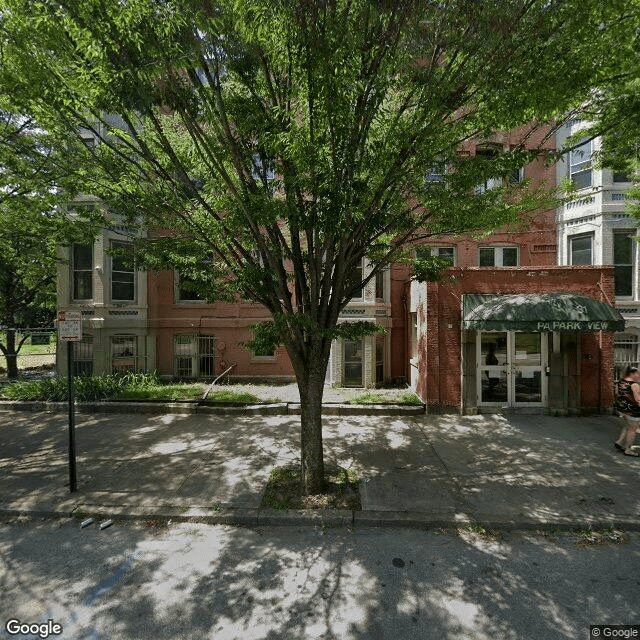
31 Parade St, Providence, RI 02909
To contact a resident: (401) 351-2600
For more information about senior living options: (866) 208-4318
Overall Review of Park View Nursing Home
Pros
 The staff seemed capable and well meaning.
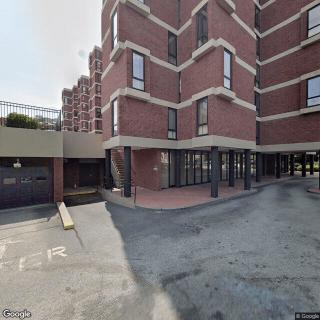
- The upcoming conversion into new apartments or condos in the coming year gives hope for improvements.
Cons
 The place is a run-down dump and a house of horrors.
- The patient received the worst possible care; doctors told him he didn't need more therapy even though he could hardly talk or walk.
- His wound from a fall wasn't properly addressed.
- The dentist at the facility didn't visit the patients.
- The patient's teeth were rotting.
- The staff are extremely incompetent and careless.
Review
Park View Nursing Home in Providence is best viewed as a last-resort option for families with few alternatives and a concrete plan to move a loved one out promptly, because the facility’s trajectory is tied to a conversion into housing rather than sustained, reliable elder care. The building’s status as a site slated for significant redevelopment creates inevitable instability, and the care environment is shaped by that reality rather than a steady commitment to residents. For anyone seeking predictable therapy, thorough wound care, and consistently attentive staffing, this community is not the right fit.
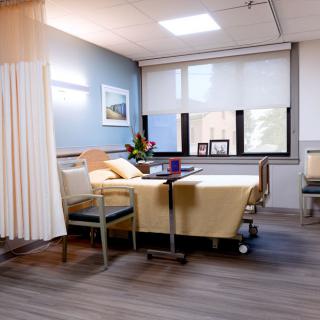
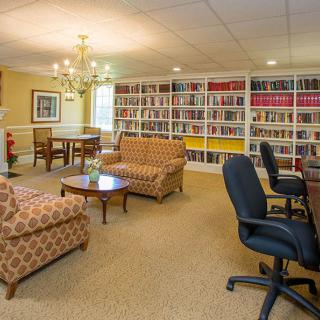
Those evaluating options should explicitly consider alternatives before even visiting. Any family prioritizing steady clinical oversight, timely therapy progress, and proactive preventive care will want to look elsewhere. Residents in need of regular physical therapy, wound management after a fall, or routine dental attention will likely encounter gaps that compromise safety and outcomes. In short, this is not the place for seniors who rely on dependable, high-quality daily care or expect a well-maintained facility with consistent standards.
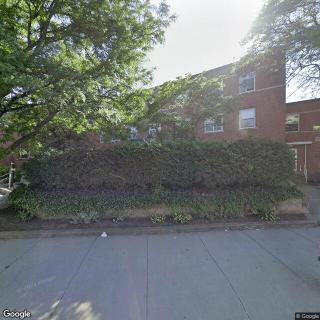
On paper, the staff can come across as capable and well meaning; in practice, that goodwill does not compensate for the core deficiencies. The significant concerns documented by families point to systemic problems, an environment that feels dilapidated, maintenance issues that go unaddressed, and a care culture that appears overwhelmed rather than empowered. The contrast between perceived intentions of staff and the lived experience inside the building creates a mismatch that undermines trust and raises the risk of missed or delayed care when it matters most.
The most troubling patterns are concrete and personal: a loved one receiving four years of care that reportedly deteriorated to the point where essential therapies were halted, falls occurring without prompt or adequate wound management, and dental neglect that left a resident vulnerable to preventable problems. Other families describe the facility as a “dump,” a “house of horrors,” and an environment where the building itself is falling apart. These are not abstract complaints; they reflect real, ongoing risks to health, dignity, and safety that short or unstructured stays cannot easily overcome.
For families making a decision, this facility demands a rigorous, action-oriented decision framework. If still considering it, demand an in-person tour focused on cleanliness, safety systems, and the specific care routines for medical, therapy, and dental needs. Request current deficiency reports and any active remediation plans, and probe transparency about how the impending conversion will affect staffing and ongoing resident oversight. Speak with multiple staff members and, crucially, with current residents or their families to verify consistency between policy and practice. If there is any plan to relocate or transition residents before a move, insist on a clear, written timeline and a guaranteed continuity of care during the transition. Above all, treat this as a temporary holding place only if no viable alternative exists, and pair it with a firm exit strategy.
Ultimately, Park View Nursing Home does not align with expectations for dependable, high-quality long-term care. It is ill-suited for seniors who require consistent medical attention, progressive therapy, and meticulous daily maintenance. Families should actively compare options, prioritizing facilities with documented positive trajectories in therapy outcomes, wound care, and resident satisfaction, and with environments that are stable over time. If choosing this community becomes a necessity due to constraints, it must be accompanied by relentless oversight, an explicit plan for rapid relocation, and a ready roster of backup options to avoid being trapped in a deteriorating setting.
 Skilled Nursing Facility
 Theodore F Green State (6 miles away)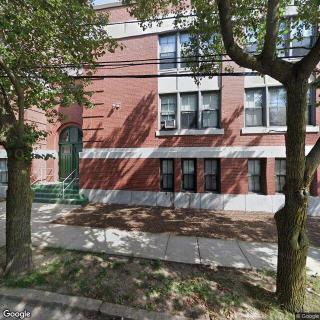


 California's Form 602A: An In-Depth Examination of Senior Care Assessment
 Comprehensive Look at Senior Blood Pressure Charts: Normal and Elevated Levels by Age
 Top Canine Companions for Older Adults