For more information about senior living options: (866) 208-4318
3.6 from 64 reviews
5 stars
38
4 stars
4
3 stars
1
2 stars
1
1 stars
20
Angel's Touch PCH Costs & Pricing
Angel's Touch PCH offers competitive monthly rates for its residents, particularly when compared to both York County and the broader state of Pennsylvania. For a semi-private room, Angel's Touch charges $3,250, which is notably lower than the county average of $3,483 and significantly below the state average of $3,542. When considering a 1-bedroom accommodation, the cost at Angel's Touch is $3,500. This figure remains quite competitive against York County's rate of $3,266 but does fall short when juxtaposed with Pennsylvania's statewide average of $4,006. Overall, Angel's Touch PCH provides appealing pricing structures that reflect both quality care and affordability within its local context.
Floor plans
Angel's Touch PCH
York County
Pennsylvania
Semi-Private
$3,250
$3,483
$3,542
1 Bedroom
$3,500
$3,266
$4,006
Assisted Living communities with a similar price nearby
Residents describe staff as supportive and attentive during treatment.
Across many reviews, residents and families highlight staff and nurses as a key reason they felt cared for—whether through greeting someone right away, helping with needs in a timely way, or providing encouragement and structure. A number of reviews also name counselors and techs specifically, describing them as respectful, compassionate, and helpful. Even some negative reviews include exceptions or praise for particular people, while frustrations focus more on medical processes or administration than day-to-day human support.
caveat6 reviews mention this
Medical care and meds get mixed
Medication management and follow-through earn both complaints and praise.
Several reviews raise concerns about medical department performance, medication timing, and discharge or after-care planning. Others say medication access took too long or that after leaving they did not get what they needed, including an absence of an after-care plan. At the same time, some residents describe getting medication support such as MAT/Suboxone and trust in how nurses worked to keep them comfortable.
common7 reviews mention this
Food quality comes up often
Food quality is frequently mentioned, with experiences ranging from excellent to poor.
A set of reviews describe meals as great, awesome, or plentiful, and they tie the food to an overall comfortable stay. Other reviews are much less positive, including comments about horrible food and meals being mediocre. Taken together, residents seem to notice food as a day-to-day detail, but the satisfaction level varies.
common7 reviews mention this
Activities and groups shape the day
Group programming and scheduled activities are repeatedly discussed by residents.
Many reviews reference groups, classes, and structured programming, including substance-use recovery groups and scheduled activities. Several residents also mention religious devotional time, fellowship, church, or time outdoors, while others point to gym access and recreation like basketball. A few reviews describe the program approach more generally, emphasizing daily participation in groups and lessons as part of recovery.
How we summarize
Counts show how many written reviews mention each theme; a review can touch several themes, and only frequently mentioned themes are displayed.
Features
Types of Care
Assisted Living
Amenities
Activities off-site
Activities on-site
Bath tubs
Devotional services off-site
Indoor common areas
Outdoor common areas
Respite or short term stays offered
Wheelchair accessible showers
Transportation
Harrisburg International (16 miles away)
Care Services
Ambulatory care
Diabetic care
Incontinence care
Medication management
Dining
Kosher
Meals provided
Vegetarian
Activities
Activities off-site
Activities on-site
Devotional activities offsite
Nearby Places of Interest
This area of York, Pennsylvania offers a variety of amenities and services that would be beneficial for senior living. With several physicians, pharmacies, and hospitals in close proximity, residents have easy access to medical care. In addition, there are cafes and restaurants nearby for dining options, as well as parks for enjoying the outdoors. Places of worship are also available for spiritual needs. The availability of transportation services like car rentals ensures convenient travel around the area. Overall, this part of York provides a well-rounded community with essential resources for seniors looking to settle in the area.
Physicians
Bell Gordon Dr DDS (2.6 miles)
Susquehanna Family Medicine (3.4 miles)
Columbia Regional Health Center at St Anne's Retirement Community (5 miles)
Advanced Eye Specialists (6.2 miles)
Weaver Eye Associate (6.3 miles)
Pediatric Health Associates, PC (6.4 miles)
East York Family Medicine (6.5 miles)
Cafes
Coffee and Cream (3.4 miles)
Starbucks (6.4 miles)
Manchester Cafe (8.5 miles)
Starbucks (8.5 miles)
Starbucks (8.6 miles)
Restaurants
McDonald's (4 miles)
The First Post (4.8 miles)
Stonybrook Family Restaurant (5.2 miles)
Maple Donuts (5.2 miles)
Chick-Fil-A (6.1 miles)
Columbia Family Restaurant At Prospect (6.3 miles)
Sweet Willows Creamery (6.5 miles)
Pharmacies
Brockie Pharmatech (4.7 miles)
BioScrip Infusion Services (5.3 miles)
Rite Aid (5.5 miles)
Walmart Pharmacy (6.1 miles)
Walgreens (6.6 miles)
York Hospital Pharmacy (6.9 miles)
CVS Pharmacy (7.2 miles)
Transportation
Avis Rent A Car (4.9 miles)
Places of Worship
First Baptist Church (6 miles)
St Joseph Catholic Church (6.2 miles)
Hospitals
Dermatology & Skin Surgery Center of York (6.5 miles)
Wellspan Childbirth And Family Education Center (8.4 miles)
Angel's Touch PCH offers competitive monthly rates for its residents, particularly when compared to both York County and the broader state of Pennsylvania. For a semi-private room, Angel's Touch charges $3,250, which is notably lower than the county average of $3,483 and significantly below the state average of $3,542. When considering a 1-bedroom accommodation, the cost at Angel's Touch is $3,500. This figure remains quite competitive against York County's rate of $3,266 but does fall short when juxtaposed with Pennsylvania's statewide average of $4,006. Overall, Angel's Touch PCH provides appealing pricing structures that reflect both quality care and affordability within its local context.
The VA Aid and Attendance benefit provides financial support to veterans needing assistance with daily living due to medical conditions or disabilities, augmenting standard VA pensions for services like in-home care. Eligibility is based on service duration, wartime status, income, and medical needs, with a detailed application process required to access funds for caregiving and home modifications.
Senior move management services assist older adults in the relocation process by providing emotional support and organizational help, addressing unique challenges like downsizing and moving from long-term homes. These specialists collaborate with real estate agents and manage logistics, making the transition smoother for seniors and their families.
The article examines senior housing options, detailing the distinctions between independent living and assisted living, along with the emerging "independent assisted living" model that blends both approaches. It highlights the importance of assessing individual needs, preferences, and financial factors in making informed decisions about suitable living arrangements for seniors.
Get PricingAsk A QuestionSchedule A TourContact Senior Advisor
By clicking submit, you agree to our Partner's Terms of Use. You
also consent to receive calls and texts, which may be autodialed, from our Partner. Your consent is not a condition to
using our Partner's service. Please visit our Partner's Privacy Policy for information about their privacy practices.

 Assisted Living
 Activities off-site
 Bath tubs
 Devotional services off-site
 Indoor common areas
 Outdoor common areas
 Respite or short term stays offered
 Wheelchair accessible showers
 Harrisburg International (16 miles away)
 Ambulatory care
 Diabetic care
 Incontinence care
 Medication management
 Kosher
 Convenient location with nearby amenities and healthcare access.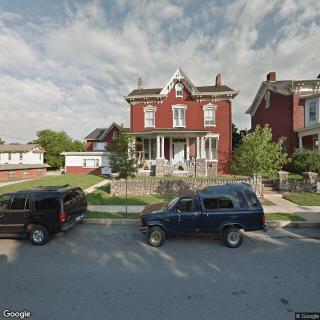




 An Extensive Exploration of the VA Aid and Attendance Benefit
 Senior Transition Services: Understanding Their Role, Cost, and Importance
 Exploring the Path to Senior Living: A Comprehensive Look at Independent Living and Assisted Living