
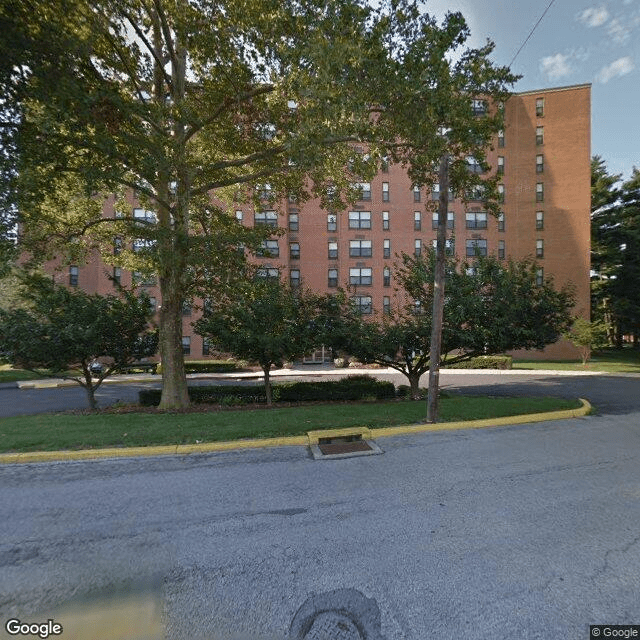
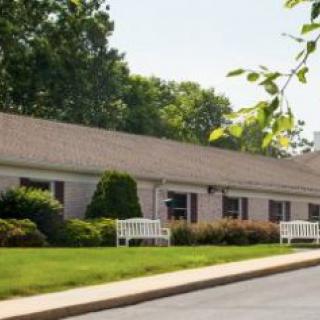
400 Mill St, Columbia, PA 17512
To contact a resident: (717) 684-4141
For more information about senior living options: (866) 208-4318
Overall Review of Trinity House
Pros
 They feel lucky to have a place they can afford.
- They appreciate living there.
- They have no problems with any of the staff.
- The housing is great for people with disabilities.
Cons
 The reviewer notes staff are incredibly lazy, with maintenance and cleaning personnel sitting in the office and doing nothing.
- They report maintenance staff harassing residents and acting like security, causing discomfort.
- They say the front entrance, bathrooms, and elevators are dirty and not sanitized or wiped down.
- They describe the lack of cleanliness as disgusting, especially since residents are elderly.
- They mention that family and friends express concerns about the staff.
- They allege that Kurt, the maintenance worker, has harassed people and asked personal questions, which is inappropriate.
- They suggest the place is controlled by someone else or the government, implying oppressive oversight.
- They say the atmosphere feels like being in God's waiting room, a strongly negative impression.
Review
Trinity House in Columbia, PA is best for budget-minded seniors who need a straightforward, accessible place to live and can tolerate uneven service levels. The community appears to deliver on affordability, and at least some residents report no trouble with the staff. For households that must stretch fixed incomes and value a simple, practical living environment over premium service, Trinity House can be a workable option, provided expectations are calibrated to a basic level of care and maintenance.
Those who should consider alternatives are seniors who require consistently dependable maintenance, meticulous cleanliness, and consistently respectful, proactive staff interactions. The reviews describe maintenance and cleaning personnel who seem disengaged at times, with reports of uncomfortable, intrusive contact from maintenance staff and a lack of routine sanitization in key areas. Privacy and visitor interactions are another area of concern, with some residents feeling overly policed or pressured. Families seeking a high-touch, safety-forward atmosphere should look elsewhere.
On the plus side, affordability is a meaningful pro that can offset some limits, especially for households with tight budgets. A resident notes gratitude for the value, and there is an impression of accessible design that supports independence for people with disabilities. These advantages matter when cost is a primary constraint and independent living is the goal. Yet the scale tips decisively away from optimal experience when common areas, entrances, bathrooms, and elevators, aren’t consistently clean, and when sanitation routines appear intermittent. The combination of a low price tag with sporadic upkeep makes daily life feel uncertain at times.
Cleanliness and staff behavior are the critical fault lines. Reports of dirty entryways and neglected bathrooms and elevators undermine comfort and safety, while lax attitudes among maintenance and cleaning staff erode trust. The perception that a maintenance person engages in intrusive questioning or “security” vibes adds another layer of discomfort, particularly for visitors and residents who expect privacy and respectful boundaries. In short, the day-to-day experience can feel unwelcoming, especially for those who rely on predictable routines and a respectful environment.
Practical next steps for families include requesting a clear maintenance response timeline, observing housekeeping in action during tours, and inquiring about privacy and visitor policies. It is essential to talk to current residents about how often cleaning occurs, how quickly issues are addressed, and whether any incidents have occurred with staff conduct. When evaluating Trinity House, request up-to-date details on staffing, supervision, and quality-control practices. If choosing Trinity House, set concrete expectations in writing, and arrange for regular oversight by family or a trusted advocate to monitor cleanliness, safety, and staff conduct.
Bottom line: Trinity House offers affordable housing with some accessibility advantages, but the concerns around cleanliness and staff conduct are substantial. For households where budget is the overriding priority and oversight can be maintained, it remains a viable option. For anyone who cannot tolerate inconsistent cleaning, intrusive staff interactions, or a sense of being underserved by maintenance, alternatives with stronger housekeeping discipline and more respectful staff culture should be pursued. The decision hinges on balancing cost against daily quality of life and the ability to supervise or advocate effectively, with Trinity House best reserved for situations where price and basic accessibility truly trump the need for consistently high service levels.
 Activities on-site
 Devotional services off-site
 Indoor common areas
 Harrisburg International (18 miles away)
 Ambulatory care
 Diabetic care
 Meals provided

 Comprehensive Look at Senior Blood Pressure Charts: Normal and Elevated Levels by Age
 Top Canine Companions for Older Adults
 Comprehensive Guide to Blood Pressure Charts for Older Adults: Understanding Normal and High Readings by Age