

200 Luther Lane, Columbia, PA 17512
For more information about senior living options: (866) 208-4318
Overall Review of St John S Herr Estate
Pros
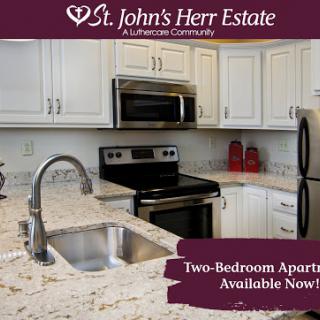
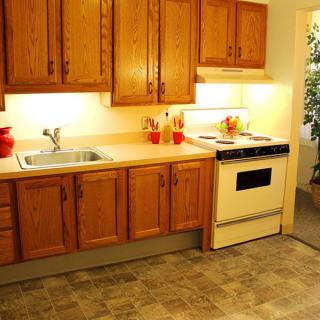
 St. John's Herr Estate offers apartments with a full set of rooms, including a dining room, living room, bedroom, bathroom, and a full kitchen.
- Residents receive a $125 monthly meal credit and can dine in the on-site restaurant.
- The menu is varied and consistently well-prepared.
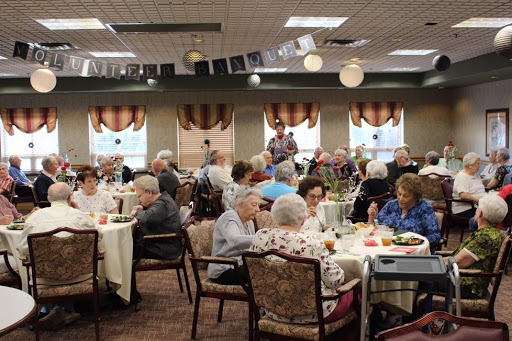
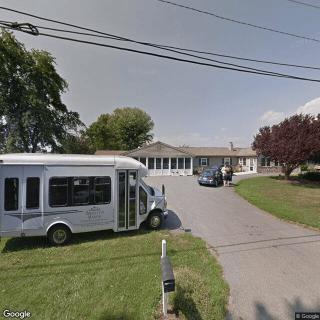
- A wide range of activities is available, including bus trips, bingo, Wii bowling, and shuffleboard.
- There is an on-site small farm where residents can garden.
- The staff is friendly, cooperative, and helpful.
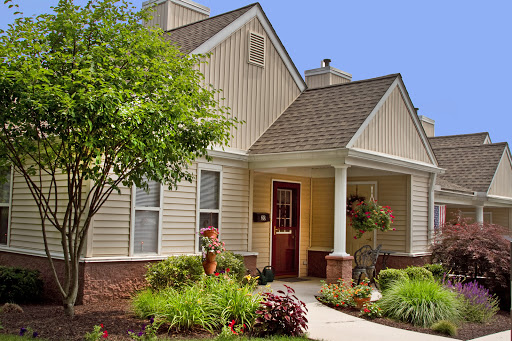
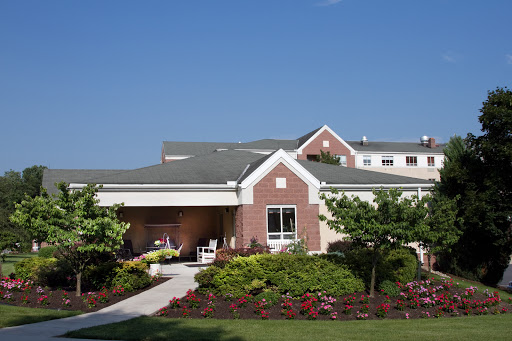
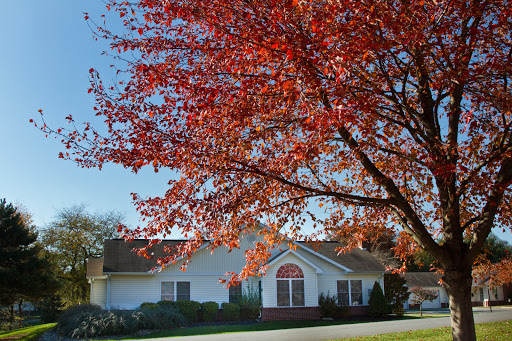
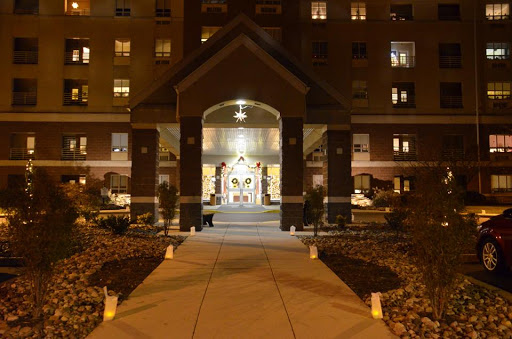
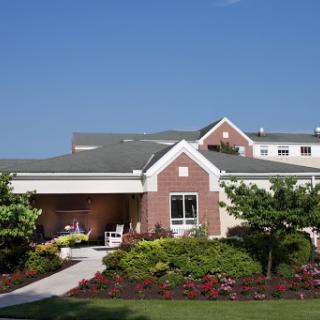
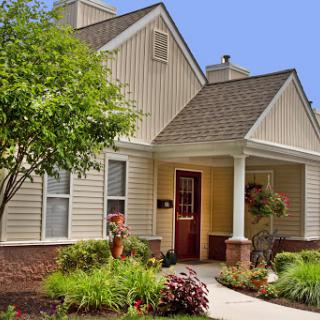
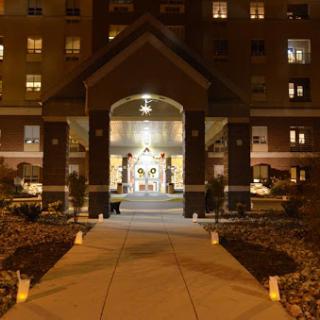
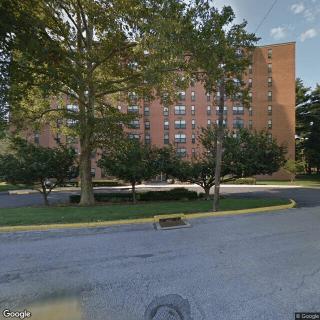
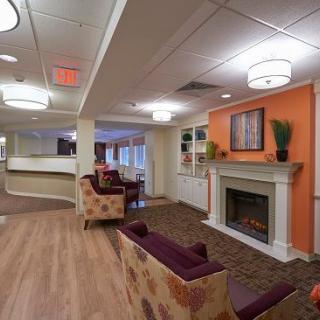
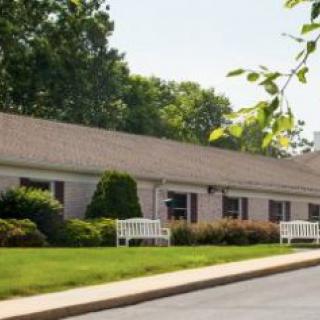
- The facility is nearly brand-new, clean, and well-maintained.
- The pricing is reasonable and offers good value.
- There is ample space for residents to roam and play.
Cons
 The manager is mean.
- The manager doesn’t know basic health protocols when someone is sick.
- The manager has lied.
- The staff are almost impossible to talk to.
- The reviewer was screamed at and asked personal questions.
- There appears to be retribution from management when residents speak out.
Review
St John S Herr Estate in Columbia, PA is best suited for active, socially oriented seniors who want the independence of an apartment with the built-in benefits of a community lifestyle. The floor plans include a full kitchen, separate dining room, living room, bedroom, and bath, which preserves personal autonomy while still providing convenient support structures. The on-site dining program, plus a monthly meal credit of $125, appeals to residents who enjoy regular restaurant-style meals without sacrificing the option to cook. The community has a clear peer dynamic: residents are generally around the same age, which fosters shared interests and easier social integration. The campus itself feels bright, modern, and well-kept, contributing to a sense of dignity and belonging.
Those who may want to consider alternatives are individuals who require highly responsive, consistently respectful management and a procedure-driven approach to concerns. One review highlights a manager who was described as mean, with accusations of lies, difficult communication, and retaliation toward residents who raise concerns. While this is a single data point among ten, it underscores the importance of frontline leadership culture and clear grievance processes. Prospective residents with sensitive health needs, complex care coordination, or a preference for a transparent, open-door administrative style may want to tour with a focus on meeting the executive team and asking pointed questions about how concerns are handled and documented.
On the upside, several core advantages counterbalance the potential friction at the top. The facility is almost brand-new, clean, and well-maintained, which reduces maintenance hassles and fosters a respectful living environment. Staff generally come across as friendly and cooperative, with a willingness to accommodate reasonable requests, an essential buffer against the isolation that can creep into aging in place. The calendar is rich: bus trips to banks and shopping, bingo, Wii bowling, shuffleboard, and even a small farm where residents can garden. This abundant programming supports social connection, routine, and purpose, which are powerful moderators of mood and well-being. The financial structure, an upfront entrance fee followed by a predictable monthly apartment charge, plus a modest meal credit, offers clear budgeting advantages when compared with higher all-inclusive options.
Yet the primary con bears watching: the management dynamic can color every interaction. If a resident experiences shoddy communication or feels singled out, it may erode trust quickly. The claim of retaliation for speaking up is grave enough to prompt families to verify the existence of robust resident advocacy channels, independent ombudspersons if available, and transparent complaint resolution timelines. In practice, the day-to-day living experience, clean facilities, engaged staff, active peers, can still be quite positive for those who keep expectations aligned with what is deliverable here, rather than what one imperfect manager might imply. This makes a careful judgment essential: the overall atmosphere can be welcoming, but leadership behavior sets the tone for how issues are resolved.
To make an informed decision, prospective residents should scrutinize three practical areas during a tour. First, verify dining details: how the meal credit works, what the sample menus look like, and whether dietary accommodations are routinely supported. Second, assess the social ecosystem: ask to speak with current residents about how well staff listen, how quickly issues are addressed, and whether there is a functioning resident council or family support structure. Third, validate the care framework: understand what level of assistance is available, how often assessments occur, and how the community coordinates with family physicians or outside providers. Do not shy away from pressing leadership on accountability and response times.
For active seniors seeking a lively, well-maintained campus with strong amenities and a schedule of meaningful activities, St John S Herr Estate stands out as a practical, solid option. It delivers real value through apartment autonomy, on-site dining, accessible transportation, and a broad activity slate. The potential downside, questionable management demeanor, should be weighed against the desire for social vitality and financial predictability. If leadership transparency and a consistently respectful resident experience are critical, approach with a plan to verify cultural fit and consider alternatives with similarly robust programming but stronger governance.
 46 resident community capacity
 Assisted Living
 Respite Care
 Beauty salon
 Cable or satellite TV
 Computer center
 Dining room
 Fully furnished
 Garden
 General store
 Housekeeping services
 Kitchenette
 Laundry
 Move-in coordination
 Outdoor space
 Overnight guests
 Resident parking
 Restaurant-style dining
 Small library
 Telephone
 Wi-Fi/high-speed internet available
 Harrisburg International (18 miles away)
 24-hour call system
 Activities of daily living assistance
 Assistance with bathing
 Assistance with dressing
 Assistance with transfers
 Diabetes diet
 Medication management
 Mental wellness program
 Special dietary restrictions
 Arts and crafts
 English

 Funding and Affording Assisted Living: A Thorough Overview
 Assisted Living Expenses and Long-Term Care Insurance: A Comprehensive Exploration
 Securing Financial Support for Assisted Living: A Comprehensive Overview