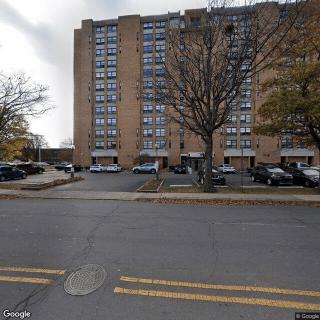
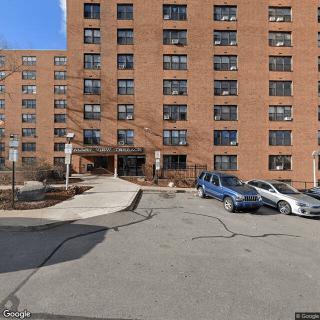
200 South Meade Street, Wilkes Barre, PA 18702
For more information about senior living options: (866) 208-4318
Overall Review of Little Flower Manor and St Therese Residence
Pros
 He is a lot happier at Little Flower Manor of Diocese.
- The facility is a nice place.
- Residents play bingo almost every day and enjoy cards and checkers.
- They take trips to the casino and parks.
- The nurses, doctors, and staff are always nice and courteous and seem to truly care for the grandfather.
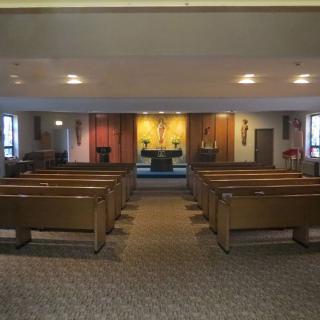
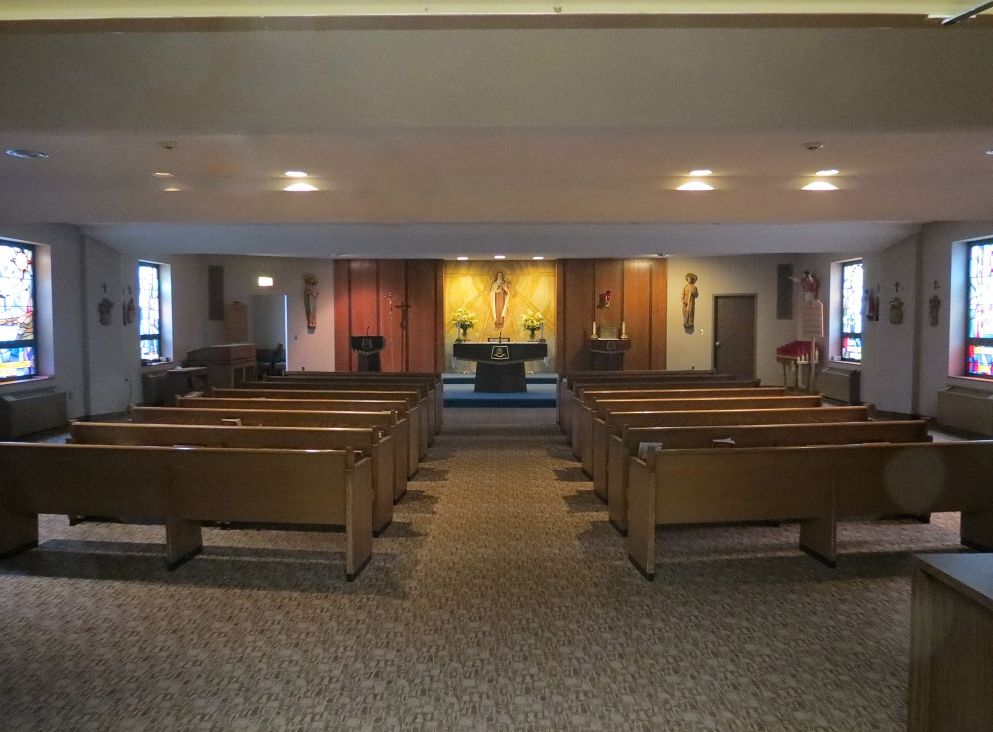
- It is a Catholic nursing home, allowing residents to attend church and celebrate Catholic holidays.
- The home continually provides activities to entertain residents and keep them moving, and they have a good time.
Review
Little Flower Manor and St Therese Residence is best suited for seniors who want a warm, faith-centered community with an active social calendar and attentive, personable care. This setting particularly appeals to families that value regular outings, structured recreation, and a Catholic environment where church participation and sacred holidays are integrated into daily life. For residents who thrive on companionship, routine, and meaningful engagement with peers, this community presents a compelling fit in the Wilkes-Barre area.
The strongest takeaways from the available experiences are clear: residents appear happier and better engaged with daily life. The calendar revolves around social games like bingo, cards, and checkers, with frequent opportunities to venture out to casinos, parks, and other local attractions. Families highlight a palpable sense of happiness in their loved ones, tied to the chance to move around, socialize, and stay mentally and physically active. The staff dimension stands out as well, nurses, doctors, and caregivers are described as consistently nice, courteous, and genuinely caring, which translates into a reliable sense of security and belonging for residents, anchored in a Catholic framework that supports church attendance and holiday observances.
On the flip side, the reviews do not foreground any significant drawbacks, which suggests a strong alignment with the priorities of residents who want community life to be the main focus. However, two important caveats emerge for planners. First, the Catholic orientation may be a decisive factor for families with non-C Catholic or secular preferences. Second, the limited number of reviews leaves questions about medical acuity, memory care capabilities, and the range of clinical services open to residents who require higher levels of skilled nursing or specialized therapies. For families whose loved ones demand extensive clinical oversight, or who seek a non-religious setting, alternatives that emphasize medical specialization or a different cultural environment may be worth exploring.
Those two realities, robust social activity and strong staff warmth on one hand, and potential preferences for non-religious settings or higher medical needs on the other, shape how the pros offset the cons. The daily and weekly program of entertainment, movement, and out-of-fuild activities directly counters isolation and boredom, which often bedevil senior living transitions. The Catholic framework adds a meaningful, faith-based structure that helps residents feel rooted and oriented, contributing to emotional well-being and contentment. In short, for families prioritizing companionship, spiritual life, and visible resident satisfaction, the positives substantially outweigh the lack of detail on medical intensity.
For families evaluating a move, a practical plan helps separate fit from fit-for-someone-else. During tours, verify the availability of medical oversight appropriate to current needs, question memory-care or dementia support options, and confirm the consistency of religious services, both in-person and accommodated travel for worship if needed. Ask about staff-to-resident ratios during peak activity times, the range of therapies offered, meal quality, and transportation for off-site excursions. It is also wise to connect with additional families or residents beyond the two cited reviews to gauge consistency over time. This due diligence will clarify whether the embodied warmth and activity-rich environment will endure as needs evolve.
Overall, Little Flower Manor and St Therese Residence presents a strong, recommendation-worthy option for seniors who prize a faith-forward, community-centric lifestyle and who expect daily opportunities to stay active and social. It is particularly well suited for families seeking visible resident happiness, attentive care, and a structured program of church life and outings. Those with non-Catholic preferences, or with advanced medical or memory-care requirements, should consider alternatives that offer a broader clinical footprint or a secular environment. In the Wilkes-Barre market, this community stands out as a practical, compassionate choice for motivated seniors ready to embrace a lively, connected retirement.
 76 resident community capacity
 Assisted Living
 Respite Care
 Skilled Nursing Facility
 Air-conditioning
 Beauty salon
 Cable or satellite TV
 Computer center
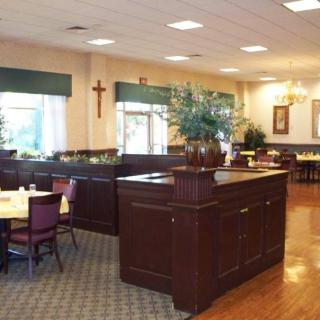
 Dining room
 Fitness room
 Fully furnished
 Gaming room
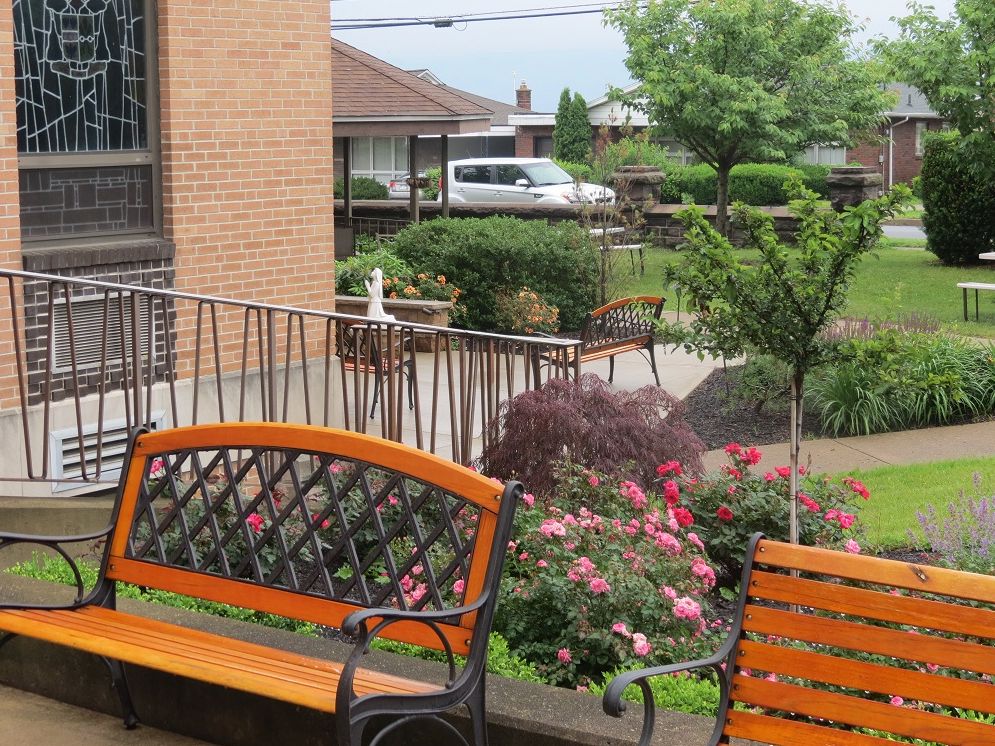
 Garden
 Housekeeping services
 Kitchenette
 Move-in coordination
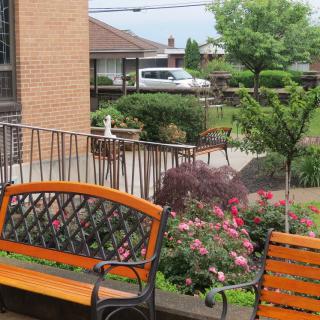
 Outdoor space
 Private bathrooms
 Restaurant-style dining
 Small library
 Telephone
 Wellness center
 Wi-Fi/high-speed internet available
 Wilkes-Barre Scranton International (11 miles away)
 Community operated transportation
 12-16 hour nursing
 24-hour call system
 Activities of daily living assistance
 Assistance with bathing
 Assistance with dressing
 Assistance with transfers
 Diabetes diet
 Medication management
 Mental wellness program
 Special dietary restrictions
 Concierge services
 Planned day trips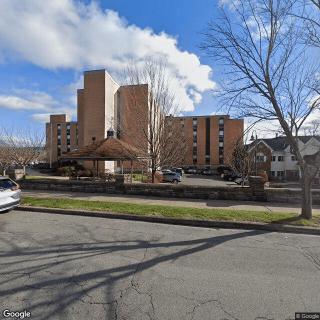

 Securing Financial Support for Assisted Living: A Comprehensive Overview
 Social Security Benefits and Assisted Living: Navigating Options Across the U.S.
 An Extensive Exploration of the VA Aid and Attendance Benefit