

260 South Meade Street, Wilkes Barre, PA 18702
For more information about senior living options: (866) 208-4318
Overall Review of Little Flower Manor St Therese Res Diocese Of Scranton
Pros
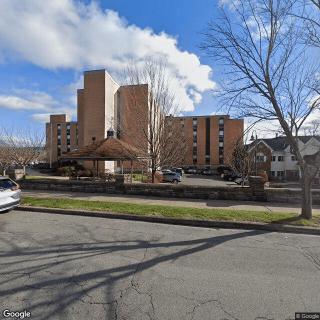
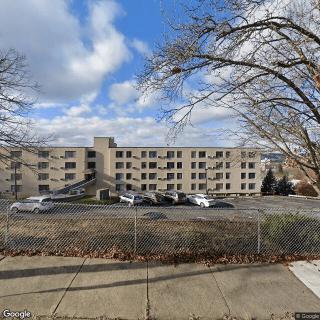
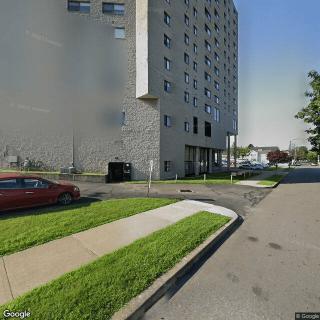
 It looked very good.
Cons
 It looked very good, but the long waiting list meant it wouldn't happen.
- It looked very good, but the long waiting list forced them to look into other options.
Review
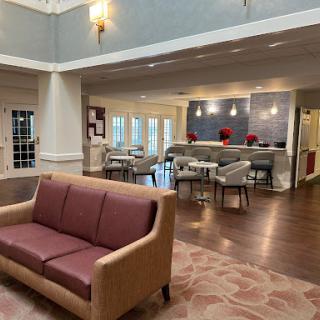
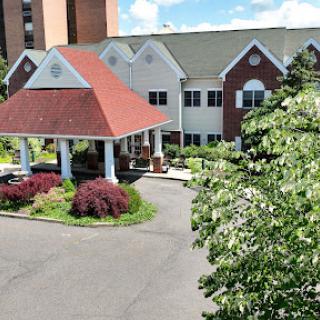
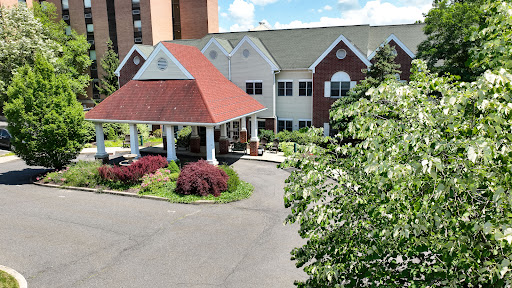
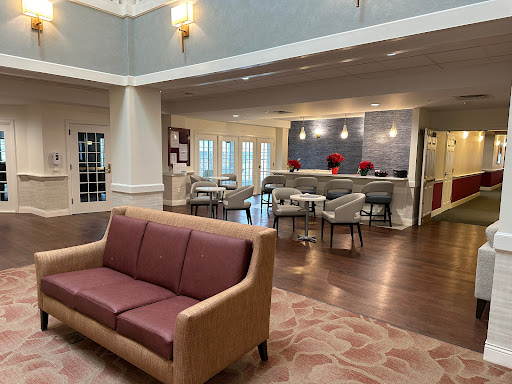
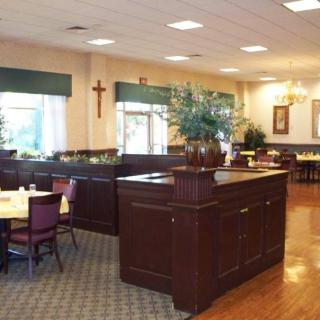
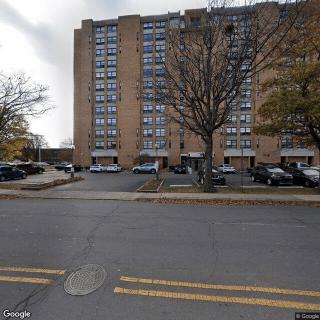
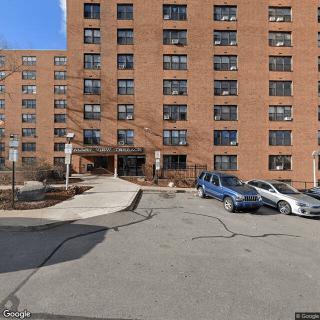
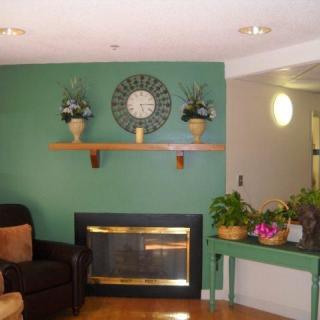
Little Flower Manor St Therese, a diocesan-affiliated community in Wilkes-Barre, is best suited for seniors who prize a polished, attractive environment and who can plan for admission well in advance. The early impression from outside and inside is that the setting is well-kept and inviting, signaling a baseline level of quality and care. Families drawn to a faith-based, Catholic-led atmosphere will likely feel aligned with the mission implied by the Diocese of Scranton affiliation. For those who want a warmly cultivated, traditional senior living standard, this community presents a compelling first impression that hints at a cohesive, values-driven environment.
At the same time, there is an explicit caveat that shapes every decision: the waiting list is long. Those in urgent need should not expect timely placement here. This combination, high initial appeal paired with an extended enrollment timeline, narrows the field to individuals who can wait, or who are lining up a staged plan that permits a transition once a spot becomes available. For families prioritizing instant occupancy or requiring rapid care adjustments, alternatives will be a more reliable fit. Alternatives with shorter wait times or more flexible start dates become the practical focus for anyone facing a concrete deadline.
The primary positive signal is the appearance of quality and order, which translates into confidence about the environment residents will inhabit. A facility that “looks very good” often correlates with thorough maintenance, predictable routines, and a setting that supports comfort and dignity. If the care philosophy aligns with a faith-inflected, community-centered approach, that alignment can reinforce daily living routines, social engagement, and a sense of belonging. Yet these positives do not erase the umbrella concern: the waiting list. The advantage of a refined, welcoming atmosphere is meaningful, but it only fully serves those who can wait long enough to secure a placement, otherwise the con remains dominant.
From a decision standpoint, the pros offset the cons only in a conditional sense. For families with the luxury of time, the well-presented environment and potential alignment with diocesan values become legitimate reasons to pursue placement here. It becomes a matter of balancing patience against need: if the timeline is flexible, the overall package can be compelling. For those with pressing needs, the extended wait effectively negates the benefit of the favorable first impression, making a broader market search with quicker options more prudent. In short, the trade-off favors a careful, time-tolerant plan rather than an urgent move.
What families should do next is clear. Start by clarifying current wait times with admissions and calibrating expectations against a concrete target move date. If the timeline can accommodate a wait, schedule a thorough visit to verify fit with daily routines, religious atmosphere, social programming, and staff responsiveness. Simultaneously, assemble a robust backup plan: compare other local communities with shorter delays, review cost structures, and assess what level of care is guaranteed on arrival. Keep a proactive line of communication with Little Flower Manor to track any shifts in availability, and treat this horizon as a long-game decision rather than a punt. The right choice hinges on timing as much as on ambience.
In conclusion, Little Flower Manor St Therese stands out for families who prioritize a dignified, aesthetically pleasing, faith-grounded environment and who can endure a sizeable enrollment wait. It is not the fit for those needing immediate placement or those who place equal emphasis on speed over setting. Alternatives in the Wilkes-Barre area will better serve time-sensitive needs, but for the right slate of circumstances, the combination of ambiance, values, and long-range planning can make this community a strong, confidently recommended option. The key is to align the admission horizon with the care goals and to act decisively once that timeline becomes clear.
 76 resident community capacity
 Assisted Living
 Skilled Nursing Facility
 Activities on-site
 Air-conditioning
 Beauty salon
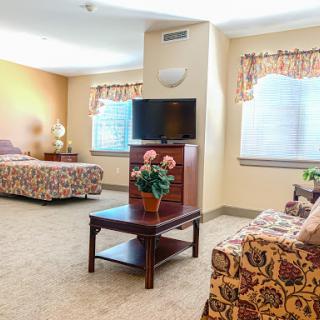
 Cable or satellite TV
 Computer center
 Devotional services off-site
 Dining room
 Fitness room
 Fully furnished
 Gaming room
 Garden
 Housekeeping services
 Indoor common areas
 Kitchenette
 Move-in coordination
 Outdoor space
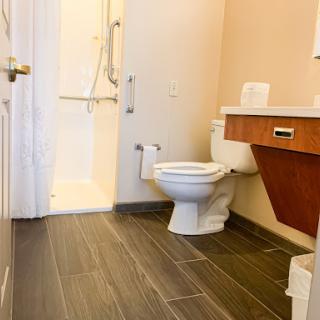
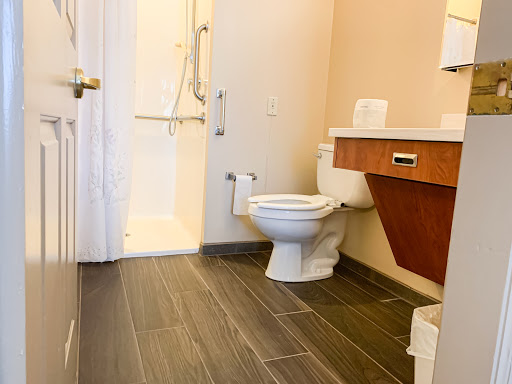
 Private bathrooms
 Restaurant-style dining
 Small library
 Telephone
 Wellness center
 Wi-Fi/high-speed internet available
 Wilkes-Barre Scranton International (11 miles away)
 Community operated transportation
 24-hour call system
 Ambulatory care
 Assistance with bathing
 Assistance with dressing
 Assistance with transfers
 Diabetes diet
 Diabetic care
 High acuity care
 Medication management
 Special dietary restrictions
 Concierge services
 Planned day trips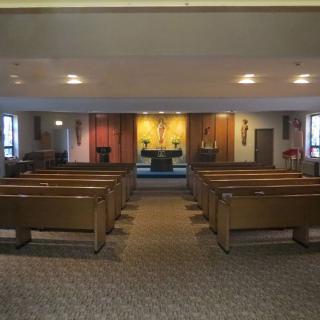

 Understanding Medicaid Coverage for Assisted Living: A Comprehensive Guide
 How and When Medicaid May Cover Assisted Living Costs
 A Detailed Exploration of Assisted Living Medicaid Waivers Across the United States