Wellsboro Shared Homes in Wellsboro, PA

Save
Wellsboro Shared Homes Wellsboro Shared Homes Wellsboro Shared Homes

Wellsboro Shared Homes in Wellsboro, PA

Information last verified:

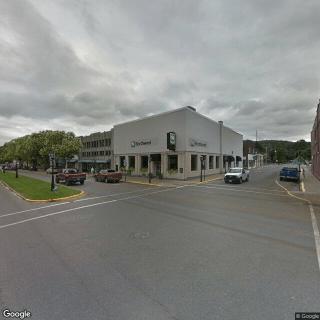
27 Bacon Street, Wellsboro, PA 16901

For more information about senior living options: (844) 490-3973

4.8 from 11 reviews
5 stars
9
4 stars
2
3 stars
0
2 stars
0
1 stars
0

Wellsboro Shared Homes Costs & Pricing

Wellsboro Shared Homes offers competitive pricing for private room accommodations, reflecting a monthly cost of $4,250. This rate aligns seamlessly with the average costs in Tioga County, where residents can expect to pay the same amount. However, it stands out as a more economical option when compared to the broader Pennsylvania state average of $4,890 for similar private accommodations. This positioning not only highlights Wellsboro Shared Homes as a financially attractive choice but also underscores their commitment to providing quality living arrangements at a fair price within the local community.

Floor plansWellsboro Shared HomesTioga CountyPennsylvania
Private$4,250$4,250$4,890

Overall Review of Wellsboro Shared Homes

Pros

  • pro It is a very nice place for senior living.
  • pro The environment is clean with cheerful and friendly staff, and is Covid cautious.
  • pro The staff are friendly and provide professional care.
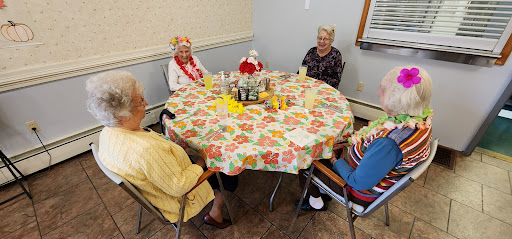
  • pro Residents have nicely equipped rooms and can form meaningful friendships that fill their days with smiles.
  • pro The employees are caring and on top of things.
  • pro It is a beloved small shared home with attentive staff.
  • pro A loved one would feel comfortable living there.

Cons

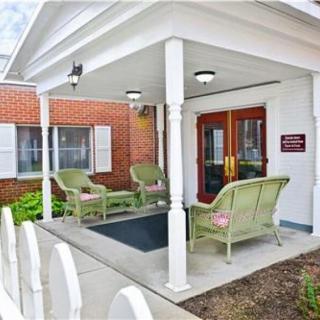
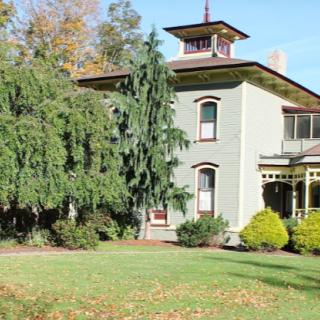
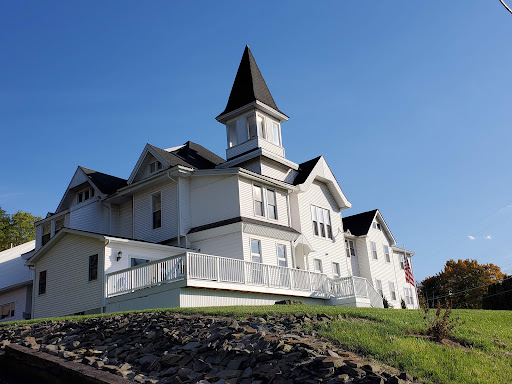
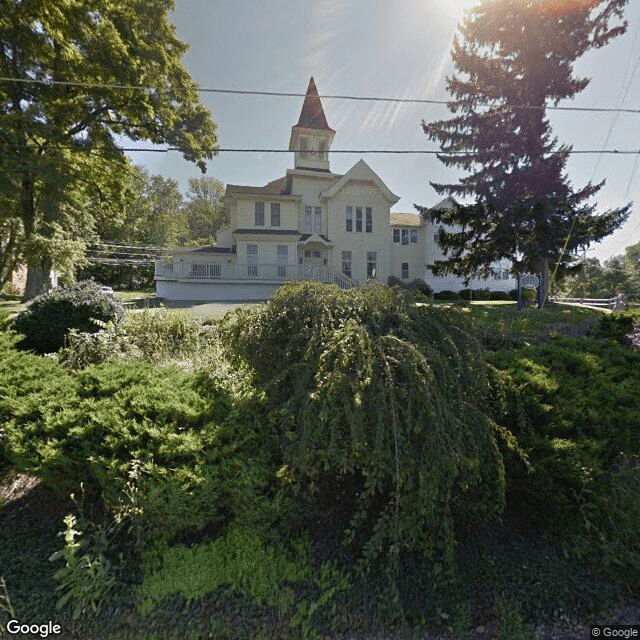
  • pro It looks rundown and has a very steep driveway.

Review

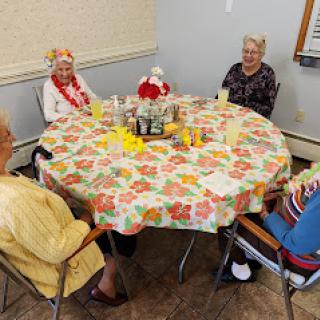
Wellsboro Shared Homes is best suited for seniors who want a intimate, homelike setting where daily life revolves around personal attention from staff and meaningful connections with fellow residents. In Wellsboro, PA, this community tends to attract families seeking predictable routines, approachable care, and a sense of neighborhood within a small footprint rather than a sprawling campus. The prevailing experience highlighted by families is cheerful, steady staff and well-prepared rooms, with residents forming friendships that give daily life purpose and pleasure. Notably, one family described their mother arriving after a lengthy search and immediately finding a best friend while staff demonstrated dependable care, underscoring the core value: consistent, personable support within a close-knit environment.

Those weighing options should explicitly consider alternatives if a larger scale is a priority. The most obvious mismatch occurs for families looking for robust medical staffing, frequent rehabilitative services, or specialized memory-care programs housed on a larger campus. The small-house model, while charming and efficient, inherently constrains the breadth of on-site services and programming. A first impression may also mislead: some visitors note a slightly rundown exterior or a steep driveway that can complicate access for guests and residents with mobility challenges. For families prioritizing pristine curb appeal, cutting-edge amenities, or extensive on-site clinical resources, it is prudent to compare with bigger, more modern communities.

On the upside, the strongest advantages are tangible: a clean environment, consistently friendly and capable staff, and a social ecosystem that fosters connections among residents. The care team is described as caring and on top of things, contributing to a sense of safety and reliability for families. Rooms are reportedly nicely equipped, and the daily rhythm in this setting tends to support routine and predictability, which many families equate with peace of mind. The small-scale format also yields frequent, genuine interactions, residents know each other and the caregivers well, which translates into quick responses and a sense that someone is looking out for the person living there.

The main drawbacks are tied to scale. A small shared home has fewer on-site resources than a larger senior community, which can translate into limited activity variety, fewer therapy options, and a leaner nursing presence. For a resident needing intensive medical oversight, frequent therapy, or highly structured memory-care programming, care coordination becomes crucial and may require arranging services outside the community. The exterior impression and driveway logistics are practical considerations for families planning frequent visits or arranging transportation. These factors do not negate the warmth and reliability reported, but they do demand clear expectations about what is included in the base rate and what would require additional arrangements or outsourcing.

The positives offset the limitations when the resident’s priorities align with intimacy, connection, and dependable daily care. The intimate setting keeps staff highly accessible, which supports quick problem-solving and consistent monitoring, a meaningful offset to a smaller menu of on-site services. Families repeatedly note that residents are engaged, content, and well-integrated into the life of the home, with ample social opportunities and meaningful day-to-day interactions. To capitalize on these strengths, prospective families should insist on seeing how care planning is executed, how medications are managed, and how weekends and evenings are staffed. A candid discussion about fee structure, what’s included, and how outside providers plug into the plan will clarify whether this model truly meets the specific needs of the loved one.

Bottom line: Wellsboro Shared Homes excels for families prioritizing warmth, personal attention, and resident-to-resident connectedness within a compact, homey setting. It serves well those who value routine, companionship, and steady caregiving over campus-scale amenities or high-intensity medical programming. For anyone whose expectations include extensive on-site medical services, modern facilities, or large-scale programming, it is wise to compare alternatives before committing. The community earns strong validation from an overall 4.8 rating across 11 reviews, with consistent praise for caring staff and a clean, welcoming environment. A thoughtful visit, meeting the caregiving team, observing interactions, and probing the care-planning process, will illuminate whether this is the right fit and how to structure a plan that preserves dignity, companionship, and practical support for the long term.

Features

Housing

  • 31 resident community capacity 31 resident community capacity

Types of Care

  • Assisted Living Assisted LivingAssisted living facilities provide crucial support and care for seniors who may need help with daily tasks such as medication management, bathing, and meal preparation. These communities offer a safe and comfortable environment where seniors can maintain their independence while receiving the assistance they need to thrive in their golden years.

Amenities

  • Activities on-site Activities on-siteActivities on-site are important for seniors because they provide opportunities for socialization, mental stimulation, physical activity, and overall well-being. Engaging in activities can help seniors stay active, maintain their independence, and improve their quality of life.
  • Beauty salon Beauty salonBeauty salons are important for seniors because they provide a space for them to feel pampered, socialize, and maintain their personal grooming and hygiene. Regular visits to a beauty salon can help boost seniors' self-esteem and overall well-being.
  • Cable or satellite TV Cable or satellite TVCable or satellite TV is important for seniors because it provides entertainment, news, and companionship, helping to combat loneliness and boredom. It also offers a wide range of programming options tailored to different interests and preferences.
  • Devotional services off-site Devotional services off-siteDevotional services off-site are important for seniors as they provide spiritual nourishment, social engagement, and a sense of community outside of the senior living facility. This can enhance overall well-being and help combat feelings of isolation and loneliness often experienced by older adults.
  • Dining room Dining roomDining rooms are important for seniors as they provide a space for socialization, connection, and nutritious meals. They offer opportunities for residents to bond over shared meals, foster a sense of community, and promote healthy eating habits. Dining rooms also ensure that seniors have access to well-balanced meals tailored to their dietary needs and preferences.
  • Fully furnished Fully furnishedFully furnished senior living communities are important for seniors because they provide convenience, comfort, and a hassle-free moving experience. Seniors can easily settle into their new living space without the stress of having to buy and move furniture. This allows them to focus on enjoying their new home and community.
  • Garden GardenGardens are important for seniors as they provide a peaceful and therapeutic environment for relaxation, physical activity, and socialization. Being in nature has been shown to reduce stress, improve mood, and promote overall well-being. Gardens also offer opportunities for seniors to engage in gardening activities, which can improve mobility, flexibility, and cognitive function. Additionally, gardens create a sense of community and connection with others who share a passion for plants and outdoor spaces.
  • Housekeeping services Housekeeping servicesHousekeeping services are important for seniors because they help maintain a clean and safe living environment, promote independence, and reduce the risk of accidents or illnesses. Additionally, having assistance with household chores can alleviate physical strain and allow seniors to focus on other aspects of their well-being.
  • Indoor common areas Indoor common areasIndoor common areas are crucial for seniors as they provide a space for socialization, recreation, and community engagement, promoting overall well-being and reducing feelings of isolation and loneliness.
  • Kitchenette KitchenetteKitchenettes are important for seniors living in senior living communities because they provide the convenience and independence of being able to prepare simple meals and snacks in the comfort of their own living space. This can help promote a sense of autonomy and well-being for seniors, allowing them to maintain some level of control over their dietary choices and daily routines.
  • Move-in coordination Move-in coordinationMove-in coordination is important for seniors because it helps ease the transition into their new living environment. It ensures that all logistics, such as packing, organizing movers, and setting up utilities are taken care of, allowing seniors to focus on settling in and adjusting to their new home. Having a smooth move-in process can alleviate stress and anxiety, making the transition smoother and more enjoyable for seniors.
  • Outdoor space Outdoor spaceOutdoor spaces are important for seniors as they provide opportunities for physical activity, social interaction, exposure to natural light and fresh air, and a sense of connection to nature. Having access to outdoor spaces can improve overall well-being and quality of life for older adults living in senior communities.
  • Restaurant-style dining Restaurant-style diningRestaurant-style dining is important for seniors because it allows them to enjoy delicious, nutritious meals in a social and upscale setting. This enhances their dining experience, promotes healthy eating habits, and fosters socialization with fellow residents, ultimately contributing to their overall well-being and quality of life.
  • Small library Small librarySmall libraries are important for seniors as they provide access to a variety of reading materials, including books, newspapers, and magazines. This can help stimulate their minds, keep them engaged, and provide a sense of community through book clubs and other social activities. Additionally, reading has been shown to improve cognitive function and overall mental well-being in older adults.
  • Telephone TelephoneTelephones are important for seniors as they provide a lifeline for communication with loved ones, emergency services, and healthcare providers. They offer a sense of security and independence, enabling seniors to stay connected and access assistance when needed.
  • Wi-Fi/high-speed internet available Wi-Fi/high-speed internet availableWi-Fi/high-speed internet is important for seniors to stay connected with loved ones, access online resources, and participate in virtual activities to combat feelings of loneliness and isolation. It also allows them to easily manage healthcare needs, access entertainment, and engage in lifelong learning opportunities.

Care Services

  • 24-hour call system 24-hour call system24-hour call systems are important for seniors because they provide peace of mind and immediate assistance in case of emergencies. This technology ensures that help is always available, promoting safety and security for elderly individuals living alone or in assisted living facilities.
  • 24-hour supervision 24-hour supervision24-hour supervision is important for seniors to ensure their safety, well-being, and access to immediate assistance in case of emergencies or health issues. This constant support provides peace of mind for both seniors and their loved ones, allowing them to age in place with dignity and security.
  • Activities of daily living assistance Activities of daily living assistanceActivities of daily living assistance are important for seniors because they provide essential support with tasks such as eating, bathing, dressing, and mobility. This assistance helps seniors maintain their independence, dignity, and overall quality of life as they age.
  • Ambulatory care Ambulatory care"Ambulatory care services provide essential medical support and treatment to seniors without requiring hospitalization, allowing them to maintain their independence and quality of life while managing chronic conditions or receiving routine medical care."
  • Assistance with bathing Assistance with bathingAssistance with bathing is crucial for seniors as it helps maintain personal hygiene, prevents infections, and ensures their overall well-being and comfort. It also provides a sense of dignity and independence for seniors who may struggle with this task on their own.
  • Assistance with dressing Assistance with dressingAssistance with dressing is important for seniors because it helps maintain their independence, promotes personal hygiene, prevents accidents and injuries, and improves overall quality of life. This service ensures that seniors can continue to dress comfortably and confidently, despite any physical limitations they may have.
  • Assistance with transfers Assistance with transfersAssistance with transfers is crucial for seniors as it helps prevent falls and injuries, maintains their independence, and ensures they can safely navigate their living environment. It also provides peace of mind for both seniors and their loved ones.
  • Diabetes diet Diabetes dietA diabetes diet is crucial for seniors as it helps manage blood sugar levels, reduce risks of complications, and improve overall health and well-being. By following a balanced and nutritious diet tailored to their specific needs, seniors can better control their diabetes and enhance their quality of life.
  • Diabetic care Diabetic careDiabetic care is crucial for seniors as they are more susceptible to developing diabetes due to aging and other health conditions. Proper management of diabetes can help prevent complications such as heart disease, vision loss, and nerve damage, improving the overall quality of life for seniors in senior living communities.
  • Meal preparation and service Meal preparation and serviceMeal preparation and service are crucial for seniors as they may have limited mobility or energy to cook nutritious meals. Having access to healthy and convenient food options can ensure they are getting the proper nutrition needed to maintain their overall health and well-being.
  • Medication management Medication managementMedication management is crucial for seniors to ensure they are taking the right medications at the correct dosages and times. This helps prevent adverse drug interactions, reduces the risk of medication errors, and promotes overall health and well-being. Proactive management also allows for adjustments as needed based on changing health conditions or new prescriptions.
  • Mental wellness program Mental wellness programMental wellness programs are essential for seniors as they promote cognitive stimulation, emotional support, and social engagement. These programs help prevent isolation, depression, and cognitive decline, ultimately enhancing the overall quality of life for older adults.
  • Special dietary restrictions Special dietary restrictionsSpecial dietary restrictions are important for seniors because age-related changes in metabolism and health conditions can make it difficult for their bodies to process certain foods. By following a diet tailored to their specific needs, seniors can maintain their overall health and well-being, manage chronic conditions, and reduce the risk of complications such as malnutrition or food interactions with medications.

Dining

  • Diabetes diet Diabetes dietA diabetes diet is crucial for seniors as it helps manage blood sugar levels, reduce risks of complications, and improve overall health and well-being. By following a balanced and nutritious diet tailored to their specific needs, seniors can better control their diabetes and enhance their quality of life.
  • Meals provided Meals provided"Meals provided" are crucial for seniors in assisted living communities as it ensures they have access to nutritious, balanced meals without the stress of meal planning and preparation. This can help promote overall health and well-being for seniors who may have limited mobility or cognitive abilities.
  • Special dietary restrictions Special dietary restrictionsSpecial dietary restrictions are important for seniors because age-related changes in metabolism and health conditions can make it difficult for their bodies to process certain foods. By following a diet tailored to their specific needs, seniors can maintain their overall health and well-being, manage chronic conditions, and reduce the risk of complications such as malnutrition or food interactions with medications.

Activities

  • Activities on-site Activities on-siteActivities on-site are important for seniors because they provide opportunities for socialization, mental stimulation, physical activity, and overall well-being. Engaging in activities can help seniors stay active, maintain their independence, and improve their quality of life.
  • Community-sponsored activities Community-sponsored activitiesCommunity-sponsored activities are important for seniors as they provide opportunities for social interaction, mental stimulation, and physical activity. These activities can help improve overall well-being, combat loneliness and isolation, and promote a sense of belonging and purpose among older adults.
  • Devotional activities offsite Devotional activities offsiteDevotional activities offsite are important for seniors because they provide social engagement, spiritual growth, and a sense of community outside of their living environment. This can improve overall well-being, mental health, and combat feelings of isolation or loneliness.
  • Resident-run activities Resident-run activitiesResident-run activities are important for seniors as they encourage social interaction, creativity, and a sense of autonomy. These activities empower seniors to stay engaged and active in their community while fostering meaningful connections with their peers.
  • Scheduled daily activities Scheduled daily activitiesScheduled daily activities are important for seniors because they provide structure, socialization, mental stimulation, and physical activity. Engaging in regular activities can improve overall well-being and quality of life for seniors living in a community setting.

Description

Wellsboro Shared Homes in Wellsboro, PA offers a comfortable and supportive environment for seniors looking for assisted living. Our community provides a range of amenities to enhance the quality of life for our residents. With a beauty salon on-site, residents can easily maintain their personal grooming needs. Cable or satellite TV is available in each room for entertainment purposes. Devotional services are offered off-site to meet the spiritual needs of our residents.

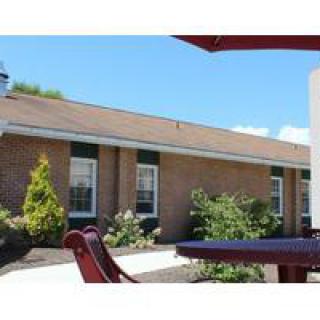
Our dining room provides restaurant-style dining where delicious meals are served daily. The community areas are beautifully furnished and provide a space for socializing and relaxation. Residents can also enjoy the peaceful outdoor space and garden.

Housekeeping services ensure that the living spaces are kept clean and tidy. A small library is available for those who enjoy reading, and Wi-Fi/high-speed internet access allows residents to stay connected with loved ones.

At Wellsboro Shared Homes, we prioritize the well-being of our residents. 24-hour supervision is provided to ensure their safety and security at all times. Assistance with activities of daily living, such as bathing, dressing, and transfers, is readily available. Our dedicated staff assists with medication management and meal preparation according to specific dietary restrictions, including diabetes care.

To promote mental wellness, we offer a mental wellness program that focuses on supporting emotional health and overall well-being.

Residents have ample opportunities to engage in various activities within our community. We coordinate community-sponsored activities as well as resident-run activities to cater to different interests and preferences. Daily scheduled activities keep residents entertained and engaged.

The convenience of our location is another advantage of Wellsboro Shared Homes. There are two cafes, three parks, two pharmacies, five physicians' offices, thirteen restaurants nearby, providing easy access to essential services. Additionally, transportation options are available for those who require assistance traveling within the area.

For individuals seeking spiritual support or involvement in religious communities, there are fourteen places of worship situated nearby.

With three hospitals in close proximity, residents can feel confident knowing that medical assistance is readily available whenever needed.

At Wellsboro Shared Homes, our goal is to provide a warm and inclusive community where seniors can enjoy the comforts of home and receive the support they require.

Nearby Places of Interest

Located in the heart of Wellsboro, Pennsylvania, this area offers a variety of amenities and services that cater to seniors looking for a comfortable and convenient living environment. With nearby hospitals such as UPMC Lab Services and Soldiers & Sailors Memorial Hospital, residents can have access to quality healthcare facilities just a short distance away. Places of worship like Wellsboro Church of Christ and St Paul's Episcopal Church provide spiritual support and community engagement opportunities. In addition, pharmacies like Rite Aid and CVS Pharmacy are easily accessible for medication needs. Nearby parks such as The Green in Wellsboro offer peaceful outdoor spaces for relaxation and recreation. Restaurants like Harland's Family Style Restaurant and cafes like Wired Rooster provide delicious dining options for residents to enjoy. With reliable transportation options like U-Haul and Enterprise Rent-A-Car nearby, getting around the area is convenient for seniors looking to explore the surrounding areas.

Hospitals

  • UPMC Lab Services (0.2 miles)
  • Soldiers & Sailors Memorial Hospital (0.2 miles)
  • Soldiers & Sailors Caf (0.2 miles)

Places of Worship

  • Samaritan House (0.2 miles)
  • Wellsboro Church of Christ (0.2 miles)
  • Independent Bible Church (0.2 miles)
  • Wbc Women's Ministry (0.2 miles)
  • St Paul's Episcopal Church (0.3 miles)
  • United Methodist Church of Wellsboro (0.4 miles)
  • Vineyard Church of Wellsboro (0.4 miles)

Pharmacies

  • Rite Aid (0.2 miles)
  • CVS Pharmacy (0.3 miles)
  • Walmart Pharmacy (11.9 miles)
  • CVS Pharmacy (12 miles)
  • Brown's Pharmacy (23.8 miles)

Physicians

  • Susquehanna Health Physician Specialists (0.2 miles)
  • North Central Hearing Associates (0.4 miles)
  • Guthrie Clinic (0.4 miles)
  • Guthrie Wellsboro (0.8 miles)
  • Complete Family Dentistry (1.2 miles)
  • Mansfield Laurel Health Center (12 miles)
  • Strohecker Vision Care (12 miles)

Restaurants

  • Harland's Family Style Restaurant (0.2 miles)
  • Three Sisters (0.3 miles)
  • The Main Street Creamery (0.3 miles)
  • Dumpling House (0.3 miles)
  • Wellsboro Diner (0.3 miles)
  • Mary Wells Dining Room (0.3 miles)
  • McDonald's (0.4 miles)

Parks

  • The Green In Wellsboro, P.A. (0.3 miles)
  • Packer Park (0.4 miles)
  • PA Grand Canyon State Park (2.1 miles)
  • Hills Creek State Park (6.8 miles)
  • Colton Point State Park (9.2 miles)
  • Ives Run State Park (12 miles)
  • Sunfish Pond County Park (23.7 miles)

Cafes

  • Cafe 1905 (0.3 miles)
  • Wired Rooster (0.3 miles)
  • StacyKay's Cafe (11.9 miles)
  • Night & Day Coffee Cafe (12 miles)
  • Milky Way Farms (24.9 miles)

Transportation

  • U-Haul (1.1 miles)
  • Schmouder's Wildlife (3.7 miles)
  • The Fox Den Taxidermy Studio (6.9 miles)
  • Enterprise Rent-A-Car (11.8 miles)
  • U-Haul Neighborhood Dealer (23.2 miles)
  • Nature's Reflections Taxidermy (24.5 miles)

Frequently Asked Questions

How much does it cost to live at Wellsboro Shared Homes in Wellsboro, PA?
Where is Wellsboro Shared Homes?
What photos are available for Wellsboro Shared Homes in Wellsboro, Pennsylvania?

Nearby Communities

  • The Laurels

    The Laurels

    Wellsboro, PA

    4.3 from 6 reviews
     

    pro Extensive on-site amenities and comprehensive daily care

  • Green Home

    Green Home

    Wellsboro, PA

    3.9 from 76 reviews
     

    pro Comprehensive care options with extensive amenities and dementia-focused programming.

  • Martin's Guest Home

    Martin's Guest Home

    Wellsboro, PA

    5 from 3 reviews
     

    pro Warm, community-focused environment with convenient access to healthcare, dining, and parks.

  • Tioga County Housing

    Tioga County Housing

    Wellsboro, PA

    3 from 3 reviews
     

    pro Specialized diabetic care with ample indoor social areas and a convenient location near parks, shops, and healthcare.

  • Carleton Healthcare And Rehabilitation Center

    Carleton Healthcare And Rehabilitation Center

    Wellsboro, PA

    2.1 from 16 reviews
     

    pro Intimate setting with 24-hour supervision and diabetes care.

  • Broad Acres Health And Rehab

    Broad Acres Health And Rehab

    Wellsboro, PA

    1.9 from 17 reviews
     

    pro Attentive and capable morning staff.

  • Twin Oaks Personal Care Home

    Twin Oaks Personal Care Home

    Granville Summit, PA

    3.5 from 2 reviews
     

    pro Attentive staff; home?cooked meals; clean, well?maintained facility.

  • Badger Creek Meadows Apts

    Badger Creek Meadows Apts

    Painted Post, NY

    4.3 from 43 reviews
     

    pro Strong access to nearby amenities, dining, and healthcare.

Related Resources

  • when to move from assisted living to nursing home8 Key Indicators That Suggest It May Be Time to Transition from Assisted Living to Skilled Nursing Care

    The transition from assisted living to skilled nursing care is often prompted by complex medical needs that assisted living cannot meet, with key indicators including frequent health declines, increased falls, severe memory issues, and caregiver burnout. Families should recognize these signs early to discuss options with healthcare providers and prepare for the emotional and logistical aspects of moving to a facility that offers comprehensive medical support.

  • active senior livingVibrant Senior Living: A Comprehensive Guide for Active Older Adults

    Vibrant Senior Living emphasizes active senior living communities that promote independence and engagement through diverse amenities and activities, fostering wellness and social interaction among older adults. These communities range from independent to assisted living, with a focus on personal growth, family involvement, financial planning, and leveraging technology to enhance residents' experiences.

  • when to move from assisted living to memory careWhen to Transition from Assisted Living to Memory Care: Key Indicators, Steps, and Finding the Right Community
    Transitioning from assisted living to memory care is driven by an individual's cognitive decline and specific needs, requiring careful evaluation of indicators like increased confusion and wandering. The process involves consulting medical professionals, researching suitable communities, considering financial and legal aspects, and ensuring effective communication for personalized care plans.