
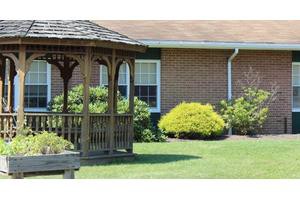


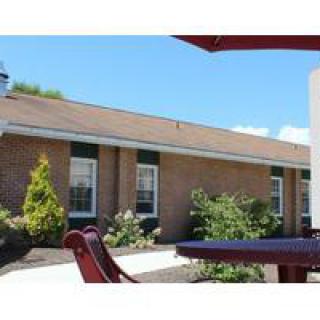
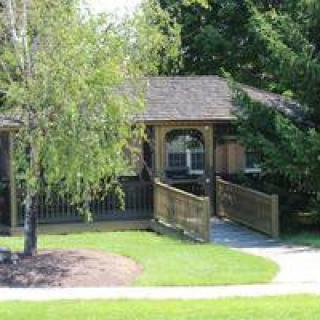

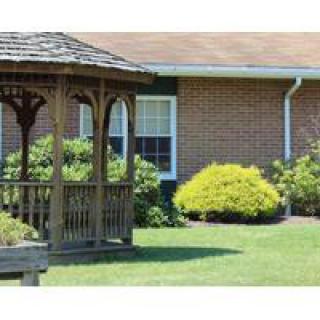
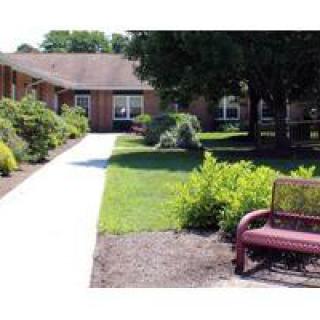
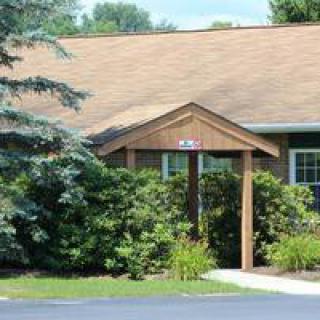
1883 Shumway Hill Road, Wellsboro, PA 16901
For more information about senior living options: (866) 208-4318
Overall Review of Broad Acres Health And Rehab
Pros
 The facility is described as pretty nice given the state of nursing.
 - The morning shift is well rounded and they know exactly what they’re doing, getting the job done.
- Some CNAs are great and go the extra mile, with aides having good-spirited, upbeat attitudes.
- The transfer process for a relative was made easier by well-educated, helpful staff.
- Families feel their loved ones are cared for, with staff who stop to talk and make residents feel valued.
- Residents enjoy activities and dining, with one mom especially liking bingo and meals thanks to attentive staff.
- Staff readiness to help with outings shows reliable coordination and care.
Cons
 The facility is described as an absolute joke and not a good place to care for loved ones.
 - It is severely understaffed, leading to long waits for basic care and inadequate attention to residents.
- Corporate greed and profit motives are seen as driving decisions, often at the expense of residents’ welfare.
- There are grave accusations that the facility lied about deaths or misrepresented health outcomes to keep admissions flowing.
- Administration is portrayed as callous, uncaring, and two-faced toward families.
- Communication and information about residents are poor, with transfers and updates frequently delayed.
- Care quality is inconsistent: some staff are caring, but overall care wanes when residents cannot advocate for themselves.
Review
Broad Acres Health and Rehab in Wellsboro is best suited for families who can commit to active oversight and who are prioritizing budget-friendly placement over pristine, uniform care. The small-town setting offers familiarity and lower costs, but it comes with patchy staffing and uneven operations. This community will serve residents who can tolerate variability in day-to-day attention and who are prepared to step in when schedules slip. For seniors with complex medical needs, memory care demands, or a history of rapid health changes, alternatives should be seriously explored. The reality is that without sustained family involvement, the care quality may dip, and the risk of gaps in monitoring rises.
Pros emerge in pockets. On morning shifts, staff can be competent, organized, and responsive; some CNAs show genuine dedication and establish positive rapport with residents. There are residents who enjoy daily activities, bingo, outings, and routine dining experiences, that provide a sense of normalcy. Families report smoother transfers when administration is engaged and helpful. In those moments, the facility can function as intended, a workable place where basic needs are met and residents are treated with courtesy. These bright spots, however, depend on who is on shift and how much a family is willing to advocate.
Yet the principal headwinds overwhelm those bright spots. Chronic understaffing and inconsistent management appear across multiple reviews, translating into long wait times for care and unreliable monitoring. Allegations range from lost belongings and questionable administration to selective communication and rushed wound or hygiene care. Several accounts describe a lack of empathy and a business-like atmosphere that can leave families feeling unseen and residents under-socialized. High costs, often a shared room and extensive monthly charges, accentuate the sense that profit margins drive decisions more than resident well-being. When a loved one needs immediate attention, the pattern of delays and gaps is untenable.
Those pros offset the cons only under specific conditions. If a resident can thrive with supervision from a vigilant family member or advocate, and if mornings bring reliable care, Broad Acres can deliver a livable baseline experience. For residents who resist cognitive or physical decline moving toward independence, the blend of a structured routine and accessible activities may offer value. The problem is that these offsets are not reliable enough to count on in every case, and a single shift of better care may be followed by another with insufficient staffing and attention.
Alternatives deserve serious consideration for anyone prioritizing consistent quality and clear communication. Facilities with stronger staffing ratios, transparent administration, and more robust wound care and dietary programs are worth evaluating. For those living out of state or unable to sustain daily check-ins, this community may not meet expectations. In-home care or other nearby senior communities with higher star ratings and proven track records provide a safer path for residents requiring steady oversight, predictable daily routines, and reliable emergency response.
Practical next steps: visit multiple times, including evenings and weekends; speak directly with frontline staff and residents; request the facility's current care plans and daily schedules; review recent state inspection reports and any complaint logs; ask to meet the administrator and discuss staffing levels, turnover, and how urgent concerns are escalated. If staying here, insist on a clear, documented care plan with defined response times; insist on weekly family updates and transparent billing practices. In the end, Broad Acres is a price-conscious option that can work for highly involved families; for most seniors needing dependable, compassionate care, look elsewhere.
 120 resident community capacity
 Skilled Nursing Facility
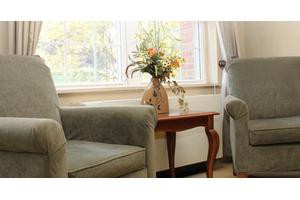
 Air-conditioning
 Beauty salon
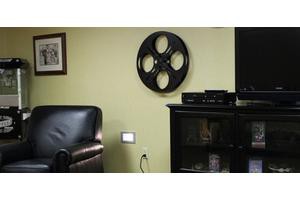
 Cable or satellite TV
 Computer center
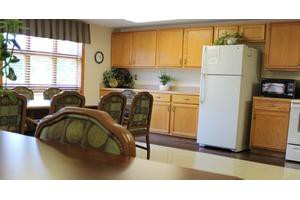
 Dining room
 Fitness room
 Fully furnished
 Gaming room
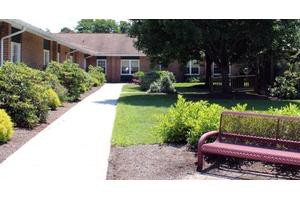
 Garden
 Housekeeping services
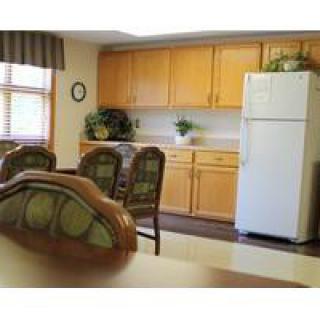
 Kitchenette
 Move-in coordination
 Outdoor space
 Private bathrooms
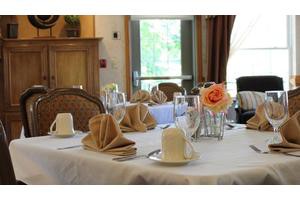
 Restaurant-style dining
 Small library
 Telephone
 Wellness center
 Wi-Fi/high-speed internet available
 Community operated transportation
 12-16 hour nursing
 24-hour call system
 Activities of daily living assistance
 Assistance with bathing
 Assistance with dressing
 Assistance with transfers
 Diabetes diet
 Medication management
 Mental wellness program
 Special dietary restrictions
 Concierge services
 Planned day trips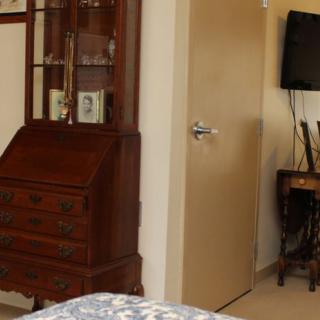






 9 Stimulating Memory Activities for Seniors: Puzzles, Cards, and Much More
 Managing Nursing Home Expenses After Medicare Coverage Ends
 Is a Geriatric Care Manager the Right Choice for Your Family?