
1100 Cowley Road, Granville Summit, PA 16926
For more information about senior living options: (866) 208-4318
Overall Review of Twin Oaks Personal Care Home
Pros
 They are very pleased with the care and attention their father receives at Twin Oaks.
- The staff are very helpful and attentive.
- The food is home cooked.
- The place is immaculate.
- The residents get along well.
- For the price, they cannot possibly find better.
Cons
 The facility’s treatment of its clients was criticized.
- A resident was made to wait nearly an hour for a pitcher of water.
- The nurse claimed she was busy with other patients, deeming water not a top priority.
- The feeding practices were questioned, with residents told to feed themselves.
- The reviewer would not recommend this personal care home to anyone.
Review
Twin Oaks Personal Care Home in Granville Summit is best suited for families seeking an intimate, value-oriented setting where daily life centers on attentiveness, cleanliness, and a seeming sense of community. The community tends to appeal to seniors who are relatively independent but want reliable hands-on help with routine tasks, appreciate home-style meals, and value a calm, home-like atmosphere over a more clinical, large-facility environment. For residents who require frequent medical oversight, complex dementia care, or aggressive hydration and feeding support, Twin Oaks may fall short. In short, this is a practical choice for affordable, genteel living with decent social dynamics, not a contingency for high-acuity care.
Those weighing alternatives should note who may want to look elsewhere. If hydration and feeding support must be consistently vigilant, or if there are significant memory or behavioral challenges, consider options with stronger staffing ratios and clearly defined assisted-living protocols. For families seeking aggressive care management, 24/7 nurse availability, or a facility with formal memory-care programming, a larger personal care home, a dedicated memory-care unit, or a nearby skilled-nursing option will likely deliver more reassurance. In short,Twin Oaks can work well for lower-acuity needs, while higher needs warrant a broader search.
The strongest pros here are tangible and meaningful: staff that demonstrates helpfulness and attentiveness in day-to-day contact, home-style cooking that residents seem to enjoy, a consistently clean environment, and a social atmosphere where residents appear to get along. When these elements align, they deliver real value, particularly on price. A calm, well-kept setting where meals feel like a family kitchen and where residents interact amicably can significantly improve the daily quality of life for someone who doesn’t require intensive medical intervention. Those advantages do offset several concerns for families prioritizing warmth, routine, and cost.
Yet the main drawbacks are substantive and not easily wished away. One review describes a slow response to basic requests, with a long wait for a pitcher of water and a nurse juggling multiple patients. The implication is that hydration and urgent comfort needs may not be reliably prioritized. More troubling is a note about feeding: a resident told to feed himself, raising questions about how residents who cannot independently feed will be supported. This gap points to a potential risk for anyone with reduced functional capacity or advanced cognitive impairment. If real-time responsiveness and hands-on feeding assistance are essential, these shortcomings cannot be ignored.
To make a well-grounded decision, prospective families should verify several specifics during a visit. Ask how hydration is managed throughout the day, what the typical response time is for basic needs, and how often staff check in with residents who require assistance. Request to see dining routines in action, review the menu and any dietary accommodations, and confirm how staff support residents who cannot self-feed. Inquire about staffing ratios, shift patterns, and staff turnover, plus the facility’s approach to individualized care plans and how progress is tracked. A candid conversation about expectations can reveal whether Twin Oaks can reliably meet the resident’s essential daily needs.
Ultimately, Twin Oaks stands out for practical strengths that can make daily life pleasant and affordable, especially when independence is present and social engagement is valued. The counterweight is clear: for residents requiring consistent, proactive hands-on care, especially around hydration and feeding, those strengths may be insufficient without closer supervision or a more robust care model. The decisive move rests on matching the resident’s care needs to the facility’s operational realities. If such care demands remain modest and cost efficiency is paramount, Twin Oaks is worth pursuing with disciplined due diligence. If not, the search should widen toward options with stronger, more transparent protocols for basic, ongoing care.
 24 resident community capacity
 Assisted Living
 Activities on-site
 Beauty salon
 Cable or satellite TV
 Devotional services off-site
 Dining room
 Fully furnished
 Garden
 Housekeeping services
 Indoor common areas
 Kitchenette
 Move-in coordination
 Outdoor space
 Restaurant-style dining
 Small library
 Telephone
 Wi-Fi/high-speed internet available
 24-hour call system
 Ambulatory care
 Assistance with bathing
 Assistance with dressing
 Assistance with transfers
 Diabetes diet
 Diabetic care
 Medication management
 Mental wellness program
 Special dietary restrictions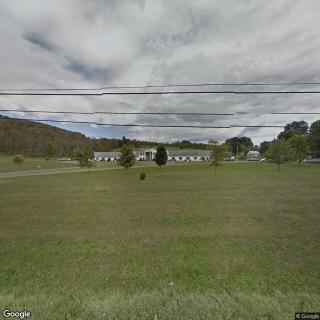


 Assisted Living Support for Veterans: A Complete and Detailed Overview
 Exploring the Contrasts Between Assisted Living and Skilled Nursing
 8 Key Indicators That Suggest It May Be Time to Transition from Assisted Living to Skilled Nursing Care