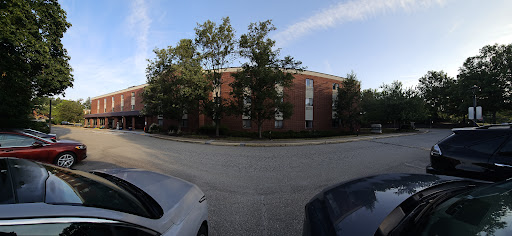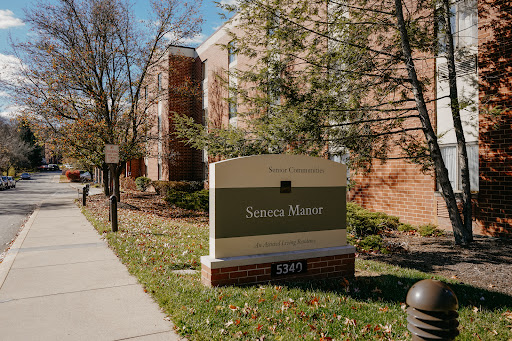






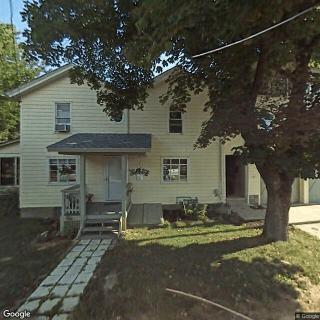
5340 Saltsburg Road, Verona, PA 15147
For more information about senior living options: (866) 208-4318
Seneca Manor Costs & Pricing
Seneca Manor presents a competitive pricing structure for its residential offerings, particularly when compared to the broader market in Allegheny County and the state of Pennsylvania. For instance, the monthly cost of a studio apartment at Seneca Manor is $2,184, which significantly undercuts the county's average of $3,637 and the statewide average of $3,737. Similarly, their one-bedroom units are priced at $2,633, providing a favorable alternative to the county's $3,798 and the state's $4,006. These pricing advantages make Seneca Manor an attractive option for individuals seeking quality living arrangements without compromising on affordability in comparison to regional benchmarks.
| Floor plans | Seneca Manor | Allegheny County | Pennsylvania |
|---|---|---|---|
| Studio | $2,184 | $3,637 | $3,737 |
| 1 Bedroom | $2,633 | $3,798 | $4,006 |
Assisted Living communities with a similar price nearby
-
from +$316 / mo

Fawn Personal Care Home
$2,500 / month12.0 miles away -
from +$226 / mo
Brookdale Mt. Lebanon
$2,410 to $4,055 / month11.8 miles away -
from +$366 / mo

Mount Vernon Of South Park
$2,550 to $3,550 / month14.9 miles away -
from +$266 / mo
Mount Vernon of Elizabeth
$2,450 to $3,600 / month13.4 miles away -
from -$384 / mo
Easy Living Estates of New Stanton
$1,800 to $2,781 / month23.5 miles away
Overall Review of Seneca Manor
Pros
 The staff are wonderful, very attentive, and quick to answer calls, helping with any needs.
- Residents are very happy with the staff.
- The food is very good, prepared by two chefs who provide three meals a day.
- There are many menu choices daily, so residents aren’t limited to a single option.
- Before lockdown, residents enjoyed a lot of activities and outside entertainment.
Cons
 Residents report that it is terrible right now because of the lockdown.
- COVID restrictions prevent residents from doing anything.
- All activities have been cancelled.
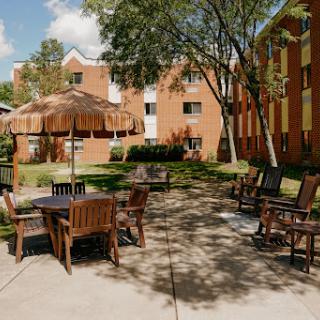
- Outdoor space is limited to a small patio, with no large area for hiking or walking trails.
- The lack of a large outdoor area is disappointing.
Review
Seneca Manor in Verona, PA is best suited for seniors who prize highly responsive, personable care and dependable dining over expansive campus amenities. The community clearly supports residents who want a hands-on staff that answers calls promptly and attends to needs without hesitation. For someone who values consistent, attentive service and a home-like dining routine, this setting delivers reliability and warmth that can make daily life smoother and more comfortable. It is a good fit for individuals who don’t require sprawling grounds or constant on-site programming to stay engaged, provided they appreciate a solid core of assistance and companionship.
Those considering alternatives should weigh a few clear limitations. If outdoor recreation options and a broad, activity-rich calendar are non-negotiables, this community may feel restrictive. The exterior space is described as modest, with a small patio rather than extensive walking trails or large common outdoor areas. Additionally, although prior to restrictions there was a lively assortment of activities and entertainment, the current calendar is leaner. Prospective residents and their families should assess whether a more expansive campus and a fuller slate of events align with their expectations for everyday life.
On the upside, the strongest anchors are the staff and the dining program. Staff members are depicted as wonderful, attentive, quick to respond, and capable of handling diverse needs with a calm efficiency that reduces daily stress for residents and families alike. The culinary team earns high marks as well, with two chefs crafting a varied menu and providing three meals daily. The combination of attentive caregiving and restaurant-grade dining creates a dependable rhythm to life, offering comfort through predictable routines, individualized meal choices, and reliable service that can offset other constraints.
The notable downsides center on space and activity breadth. The limited outdoor footprint constrains opportunities for casual strolling or longer outdoor excursions, which can be a drawback for residents who value nature access as part of their daily routine. And while programming has historically been robust, current activity offerings are not as expansive as one might prefer, primarily due to necessary adjustments. These factors can translate into a feeling of residual confinement for those who crave constant social interaction and varied recreation on-site.
The key value proposition here lies in the balance between exceptional care and dependable dining, and how that offsets the space and programming trade-offs. The staff’s responsiveness and the kitchen’s versatility produce tangible, everyday advantages, ease of communication, fewer caregiving gaps, and a reliable dining experience that reduces decision fatigue for families. For residents who are content to structure their days around curated assistance and regular meals, the quality of service can substantially diminish concerns about other limitations. Strong caregiver availability also translates into safer, more confident living, particularly for those who need consistent oversight.
In the end, Seneca Manor offers a thoughtful option for families prioritizing care quality and meal stability over expansive outdoor amenities and nonstop activity calendars. It is a compelling choice for seniors who value a warm, well-supported home environment with predictable routines and attentive staff. For those who require broad outdoor space, frequent on-site programming, or a campus with hiking trails and continuous social options, alternatives with larger footprints and more aggressive activity schedules should be explored. A guided tour, with questions about current activity offerings and potential enhancements to outdoor spaces, will illuminate how this community can fit into the broader care plan.
 100 resident community capacity
 Assisted Living
 Activities on-site
 Air-conditioning
 Beauty salon
 Cable or satellite TV
 Computer center
 Devotional services off-site
 Dining room
 Fitness room
 Fully furnished
 Gaming room
 Garden
 Housekeeping services
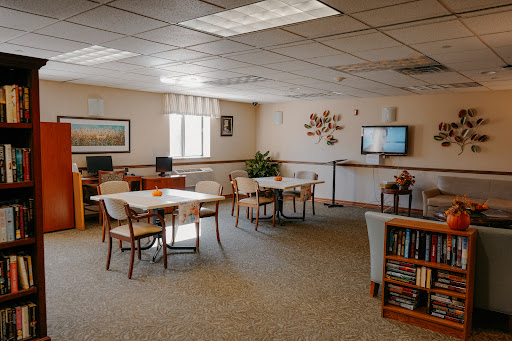
 Indoor common areas
 Kitchenette
 Move-in coordination
 Outdoor space
 Private bathrooms
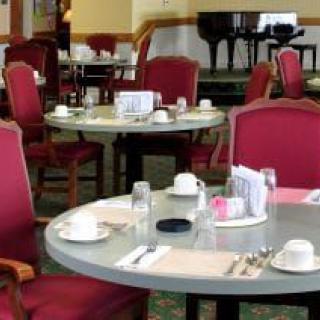
 Restaurant-style dining
 Small library
 Telephone
 Wellness center
 Wi-Fi/high-speed internet available
 Pittsburgh International (21 miles away)
 Community operated transportation
 24-hour call system
 Ambulatory care
 Assistance with bathing
 Assistance with dressing
 Assistance with transfers
 Diabetes diet
 Diabetic care
 Medication management
 Special dietary restrictions
 Concierge services
 Planned day trips
 Is Assisted Living Deductible on Your Taxes? Understanding the Complexities of Assisted Living Expenses and Deductions
 Assisted Living Support for Veterans: A Complete and Detailed Overview
 Exploring the Contrasts Between Assisted Living and Skilled Nursing