
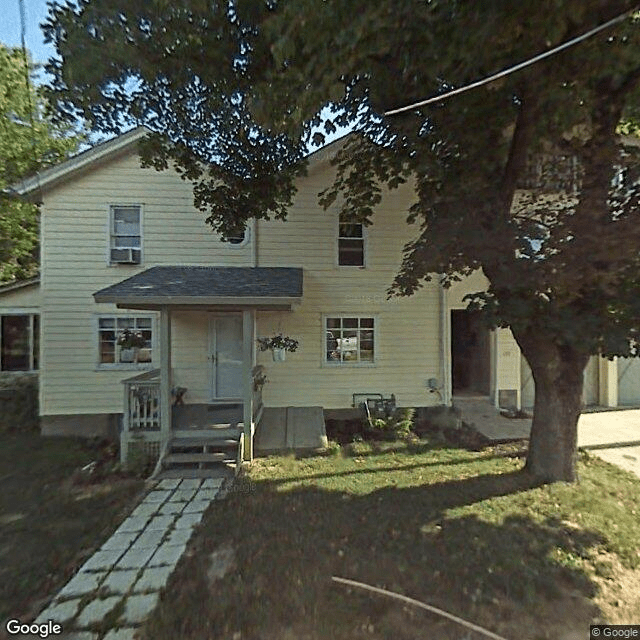
1 Demor Dr, Verona, PA 15147
To contact a resident: (412) 820-0388
For more information about senior living options: (866) 208-4318
Overall Review of A J Demor Towers
Pros
 Residents enjoy living there, and everyone is friendly.
- There are about 62 apartments, and residents get along with one another.
- Staff and residents are very friendly.
- The staff is punctual about upkeep and repairs.
- The location is convenient, with police and rescue services nearby and everything within walking distance.
- The facility offers bingo and poker, and there are weekday activities.
- Monthly visits from medical professionals, including a podiatrist, are available.
Cons
 There is not a lot of room for a dining area.
- Residents must cook their own meals.
- On Saturdays and Sundays, residents fend for themselves.
- Medical visits occur only once a month, which may be insufficient.
- Podiatry visits are available only once a month.
Review
This community is best suited for independent seniors who want a close-knit, neighborly atmosphere in Verona and prefer to manage their own meals while still enjoying social programming. A J Demor Towers works well for residents who value a compact campus where neighbors know each other, a sense of security from a well-connected location, and practical conveniences like nearby services and straightforward maintenance. The appeal rests on an active social life within a manageable size, roughly 60-some apartments, where friendliness and routine are the core benefits.
Those who may want to consider alternatives include seniors who require daily hands-on assistance or comprehensive assisted-living services. If a higher level of care, more formal dining options, or robust weekend programming is essential, other communities with full-service dining and more intensive staff coverage will likely serve better. Families seeking substantial on-site medical staffing, frequent wellness checks, or truly round-the-clock support should look elsewhere, as the cadence here leans toward independence with occasional, monthly health touches rather than continuous care.
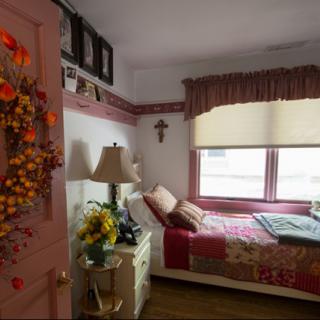
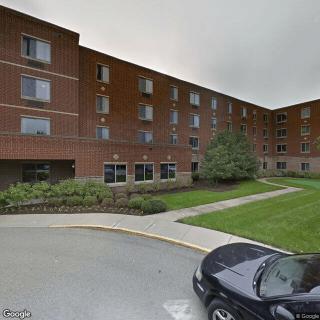
The strongest positives are tangible and counterbalance the quieter elements of living here. Residents report a welcoming, social fabric, “everybody gets along,” with a real sense of community that makes daily life feel comfortable and predictable. The building is described as updated, with reliable punctuality from staff on upkeep and repairs, which minimizes friction for everyday living. The walkable setting, cited as having the police and rescue station nearby and convenient access to surrounding services, adds a practical layer of safety and ease: errands, appointments, and short trips become routine rather than stressful. Activities such as bingo, poker, and weekly programming keep the social calendar active, sustaining connection without demanding a rigid schedule.
However, the layout and living model introduce clear trade-offs. The dining footprint is small, and residents cook their own food, which preserves independence but shifts meal planning and cleanup to residents or their families. Weekend rhythms reflect a more self-directed approach, with a suggestion that activity offerings taper off Saturday and Sunday, leaving residents to fend for themselves. Monthly on-site medical visits, while helpful for routine checks and foot-care access, do not substitute for the ongoing medical oversight some seniors require. In short, the pros deliver a warm, autonomous living environment, but the model is not designed to mimic a full-service assisted-living campus.
These trade-offs matter when weighing long-term needs. The intimate size and community vibe are a strong match for those who prize social integration and cost-control around meals, utilities, and routines. Yet for someone with chronic health concerns, frequent medical management needs, or a desire for daily hands-on assistance, the limited on-site medical presence and the absence of a fully served dining program can become limiting factors. The balance tilts toward independence, with quality of life enhanced by friendship and ease of access to local amenities, rather than a comprehensive care continuum.
For families evaluating next steps, prioritize a clear view of what “independence” means in daily life. Ask about the specific scope of staff coverage, emergency response, housekeeping and laundry options, and the extent of transportation services, if any. Probe the dining arrangements beyond the resident-cooked meals: are there guest meals, catered events, or retail dining nearby that residents habitually use? Verify how often wellness checks happen beyond the monthly cadence and whether residents with evolving health needs can transition to more supportive care without moving. These details crystallize whether this community will sustain comfort as health or mobility changes.
Bottom line: A J Demor Towers shines as a practical, sociable home for independents who value a friendly, updated setting, predictable maintenance, and the convenience of walking-distance services. Its strongest value lies in community warmth and autonomy, offset by limited on-site care and a smaller dining footprint. Families with a senior who thrives on social engagement, manages meals independently, and is comfortable with monthly wellness touchpoints will find this Verona option compelling. Those needing frequent, hands-on care or a more formal dining and caregiving environment should explore alternatives to align with future needs.
 Active Adult Communities (55+)
 Pittsburgh International (20 miles away)

 Ten Vital Duties of a Senior Caregiver: A Comprehensive Guide
 9 Stimulating Memory Activities for Seniors: Puzzles, Cards, and Much More
 Managing Nursing Home Expenses After Medicare Coverage Ends