



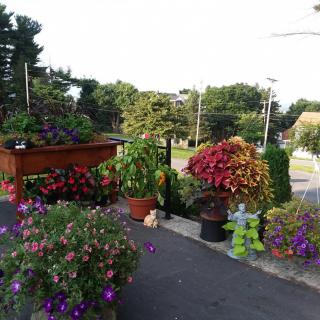
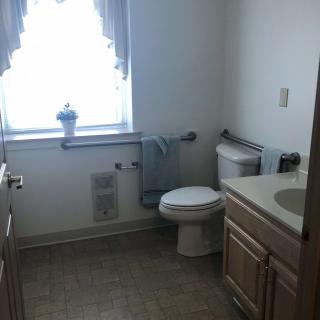
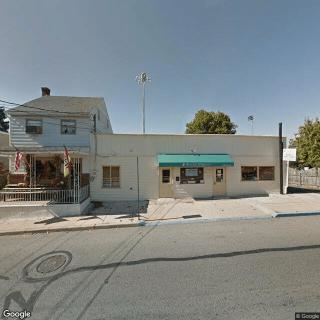
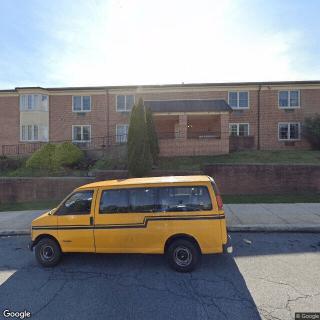
51 Seminary Avenue, Reading, PA 19605
For more information about senior living options: (866) 208-4318
Sacred Heart Villa Costs & Pricing
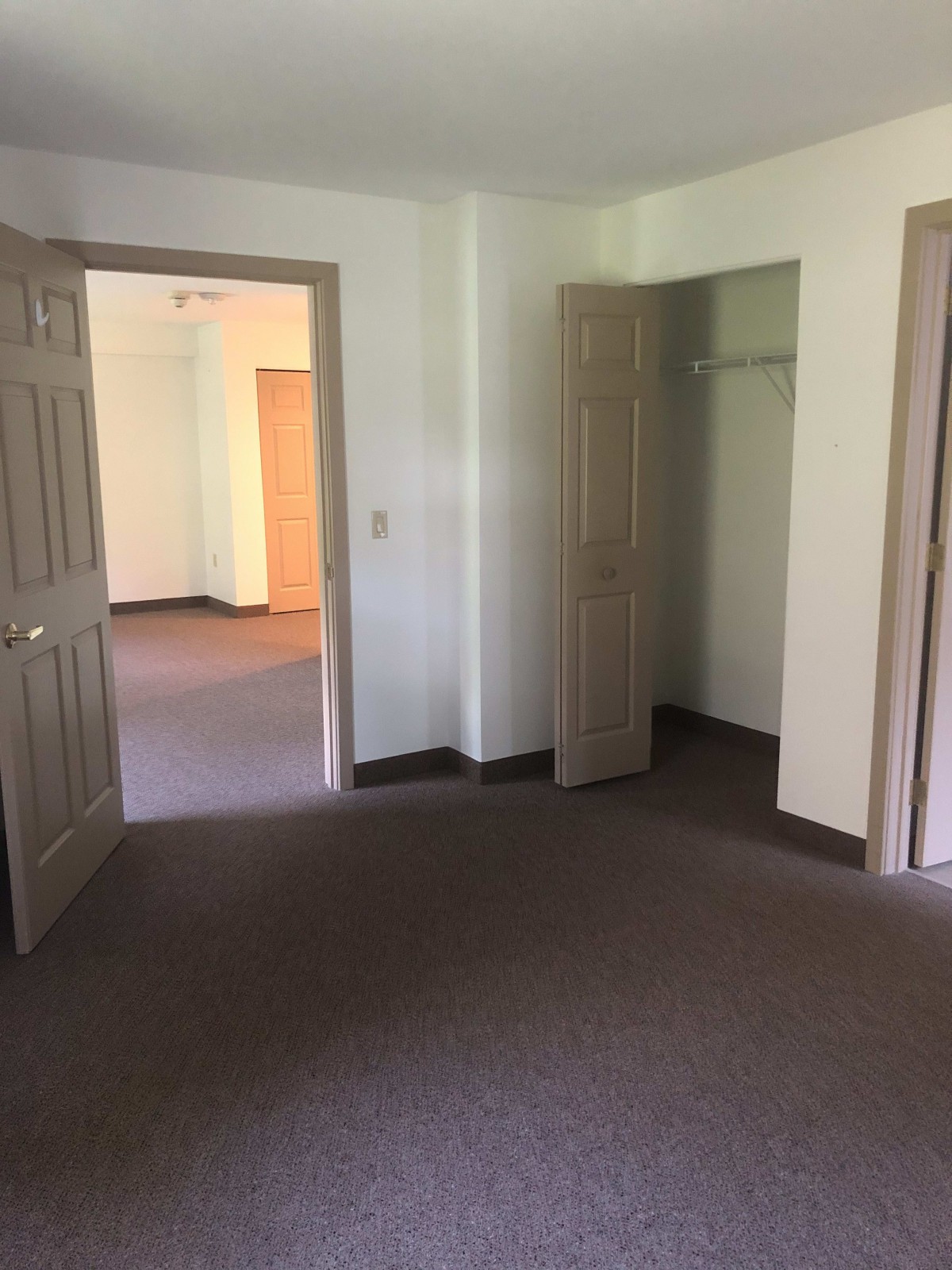
Sacred Heart Villa offers competitive pricing for its residential accommodations, significantly undercutting both Berks County and the broader Pennsylvania market. For instance, the monthly cost for a studio at Sacred Heart Villa is $2,450, a notable savings compared to Berks County's average of $3,338 and the state average of $3,737. Similarly, the semi-private room rate of $2,475 also provides cost benefits against local and state averages of $3,216 and $3,542 respectively. Even for one-bedroom units, at $3,650 per month, Sacred Heart Villa remains more affordable than both neighboring county and state rates of $4,043 and $4,006. This pricing structure positions Sacred Heart Villa as an attractive option for those seeking quality care without compromising their budget.
| Floor plans | Sacred Heart Villa | Berks County | Pennsylvania |
|---|---|---|---|
| Studio | $2,450 | $3,338 | $3,737 |
| Semi-Private | $2,475 | $3,216 | $3,542 |
| 1 Bedroom | $3,650 | $4,043 | $4,006 |
Memory care communities with a similar price nearby
-
About the same
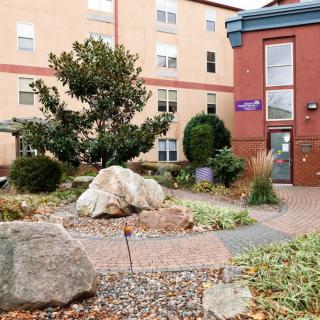
Manor At Market Square
$2,450 to $4,350 / month3.1 miles away -
from +$210 / mo
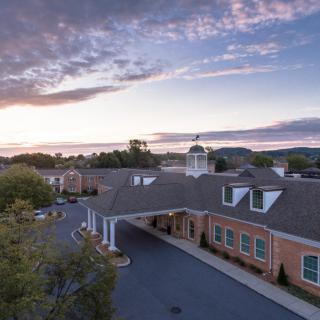
The Highlands At Wyomissing a CCRC
$2,660 to $3,770 / month5.9 miles away
Overall Review of Sacred Heart Villa
Pros
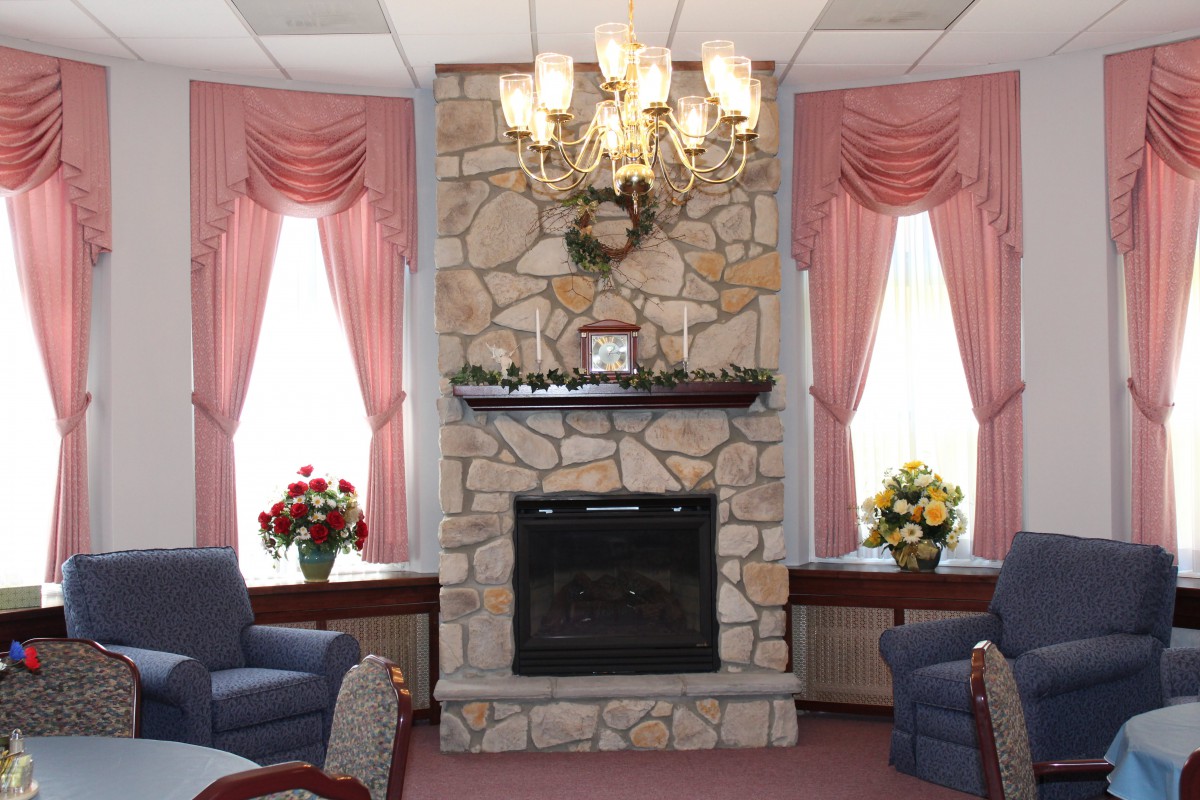
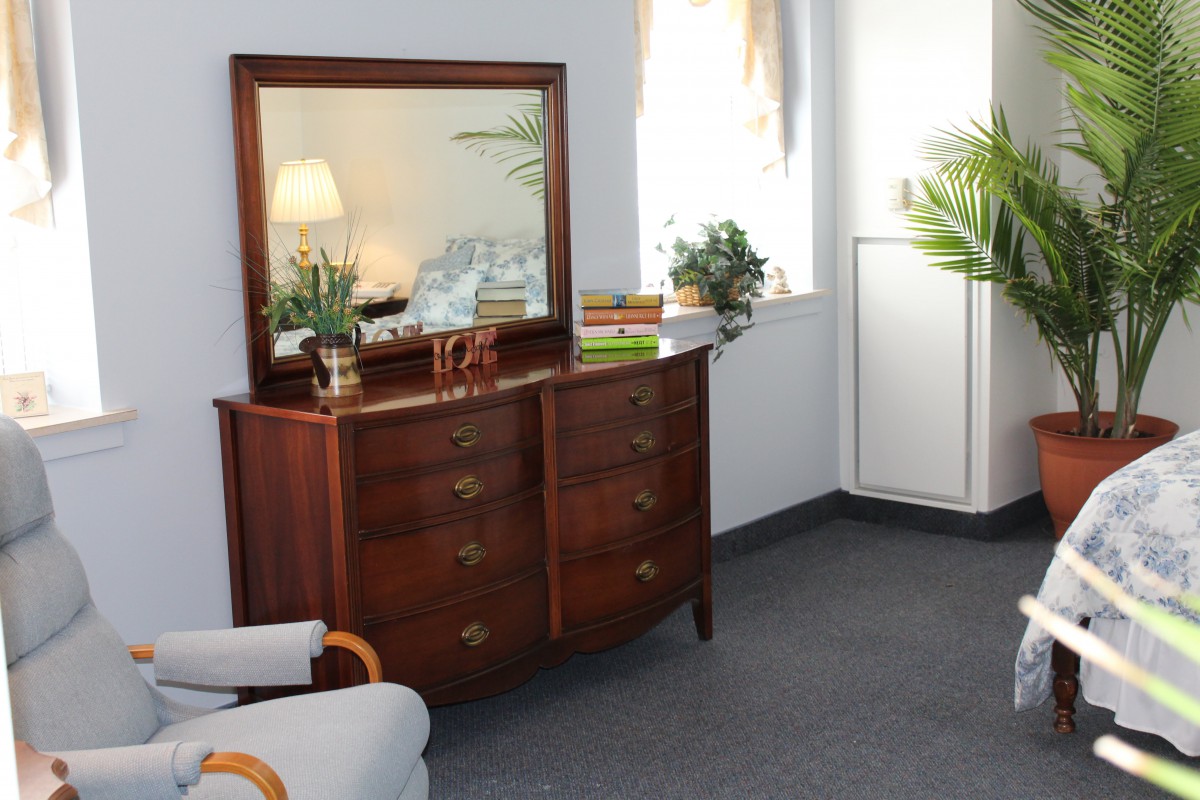
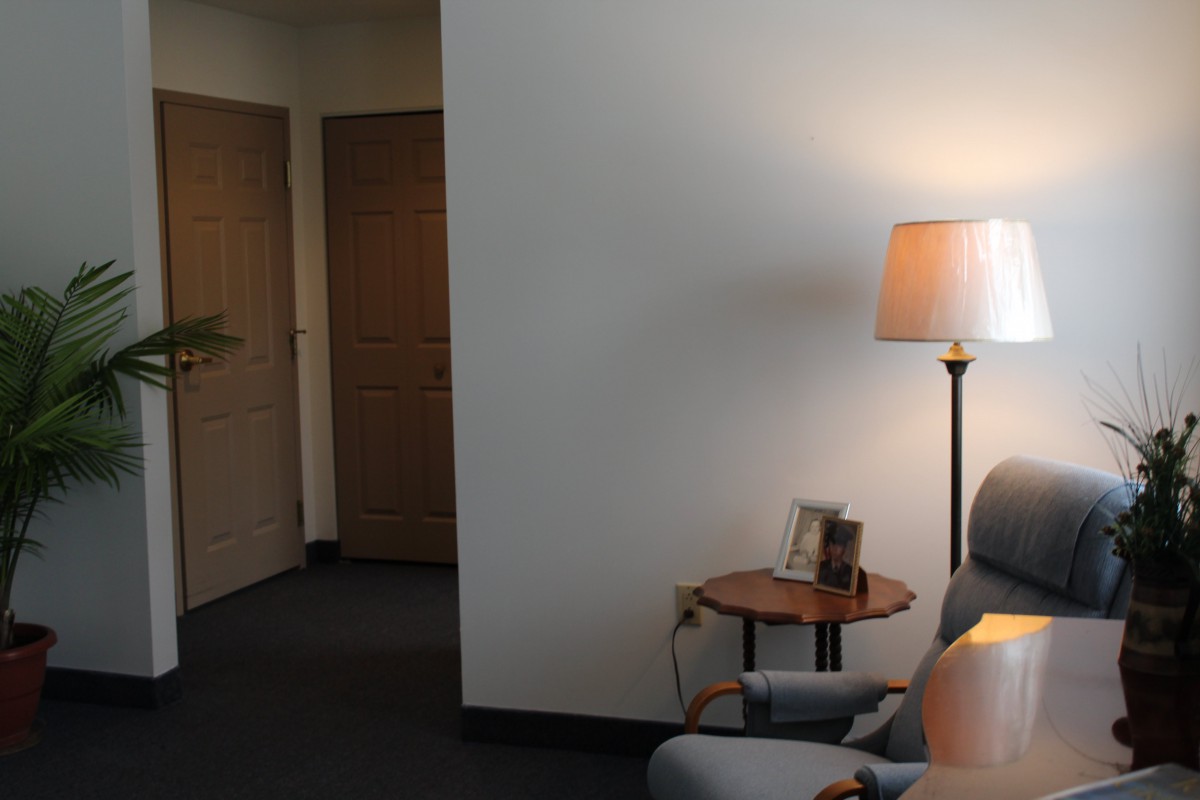
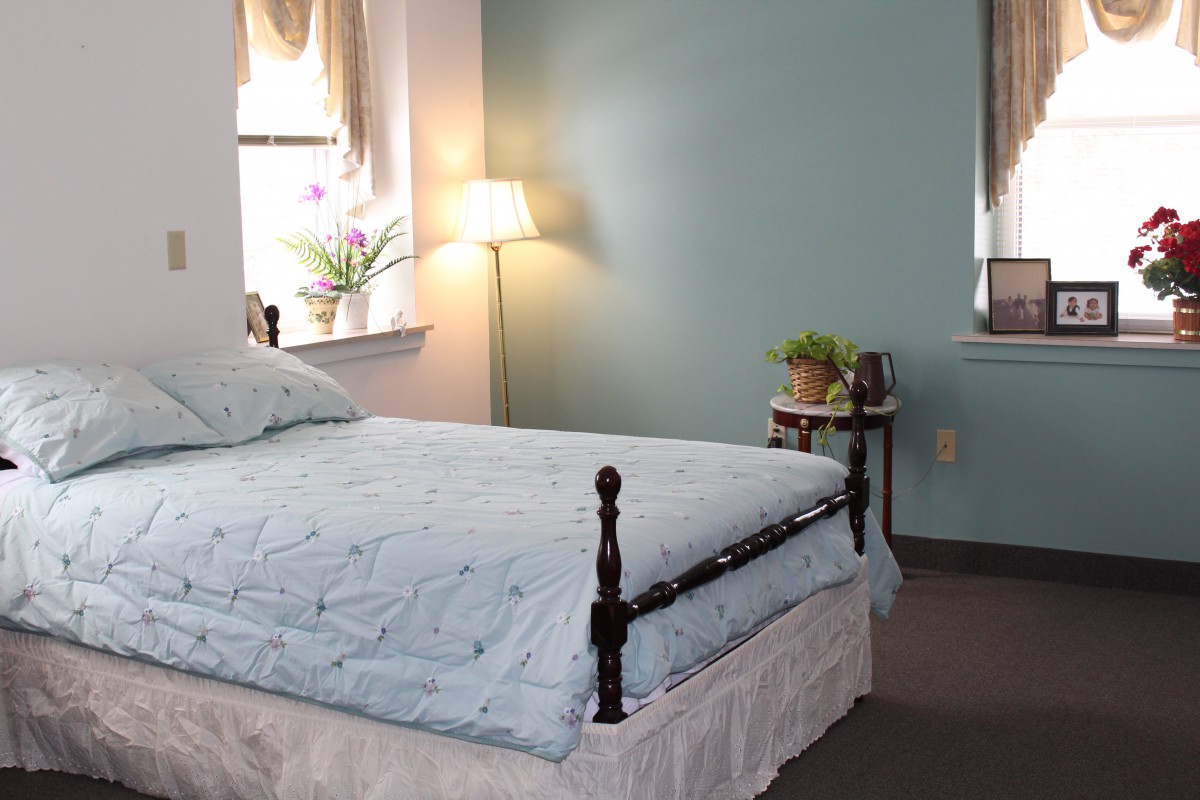
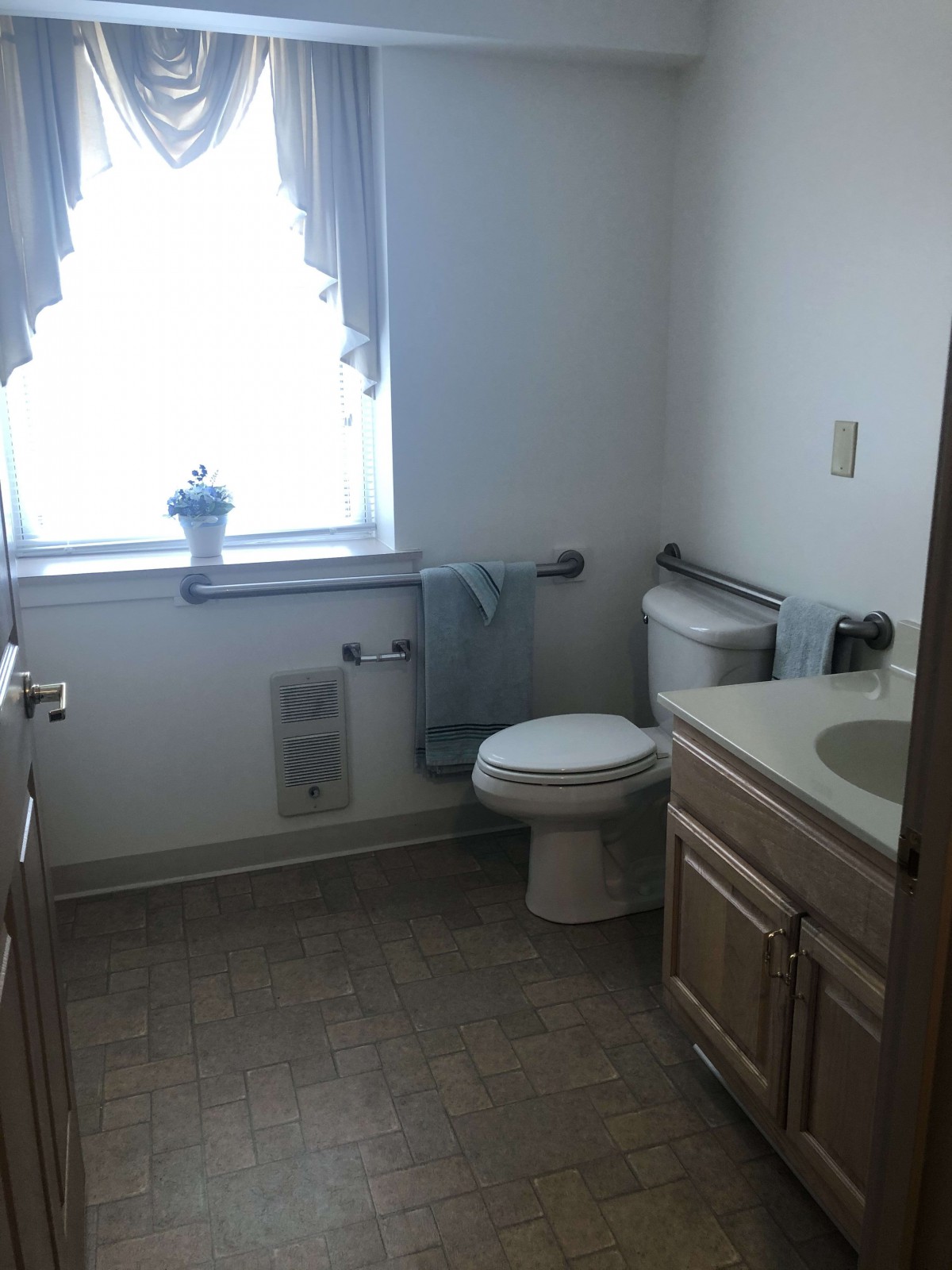
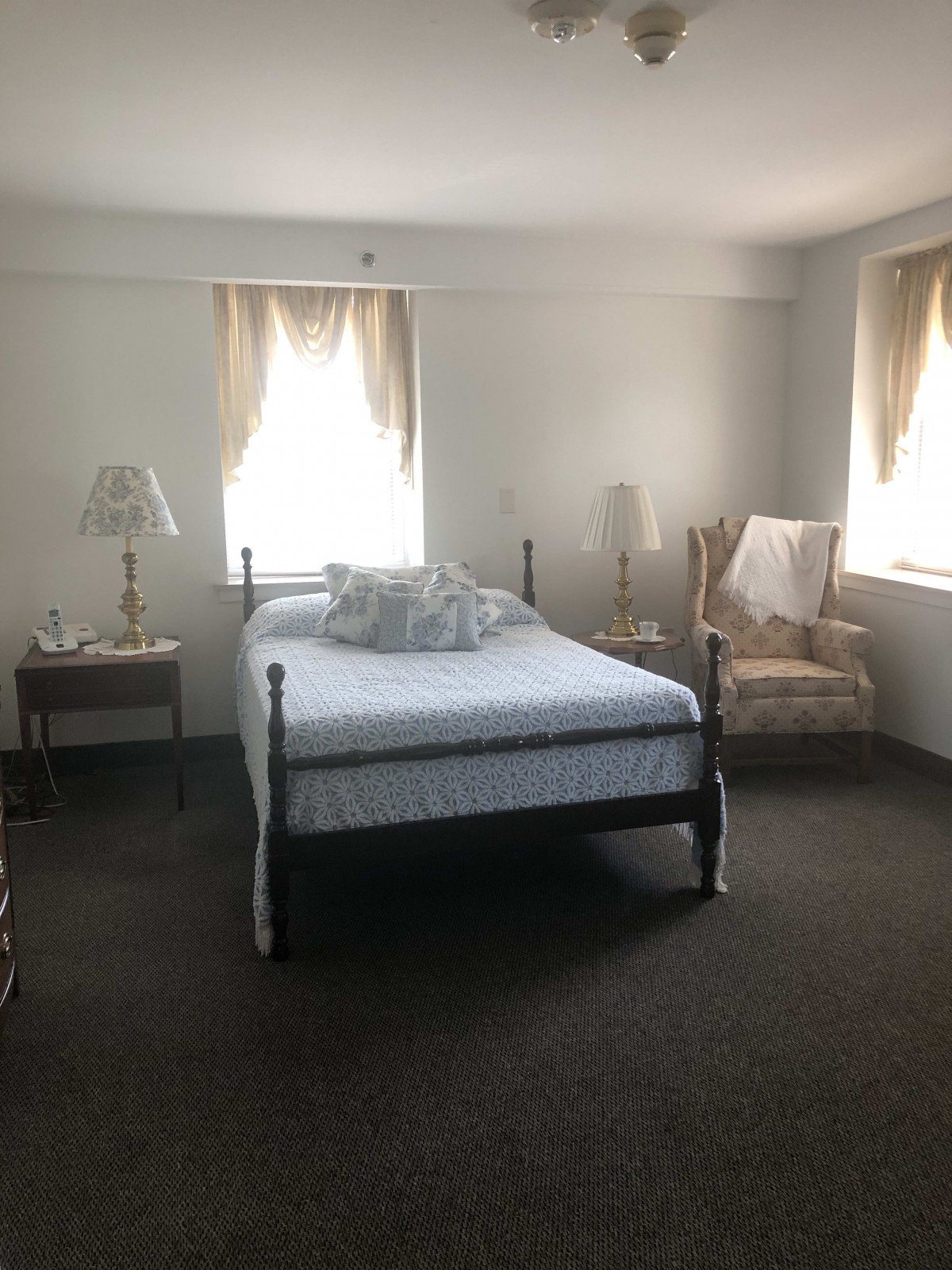
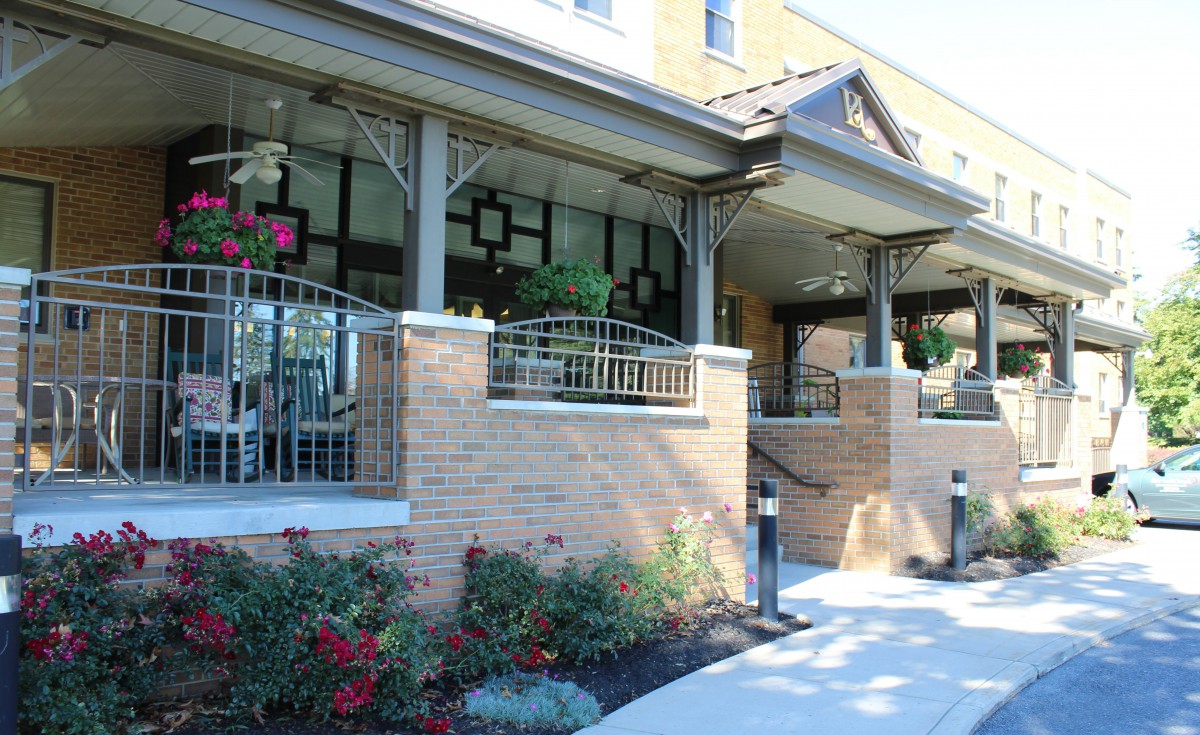
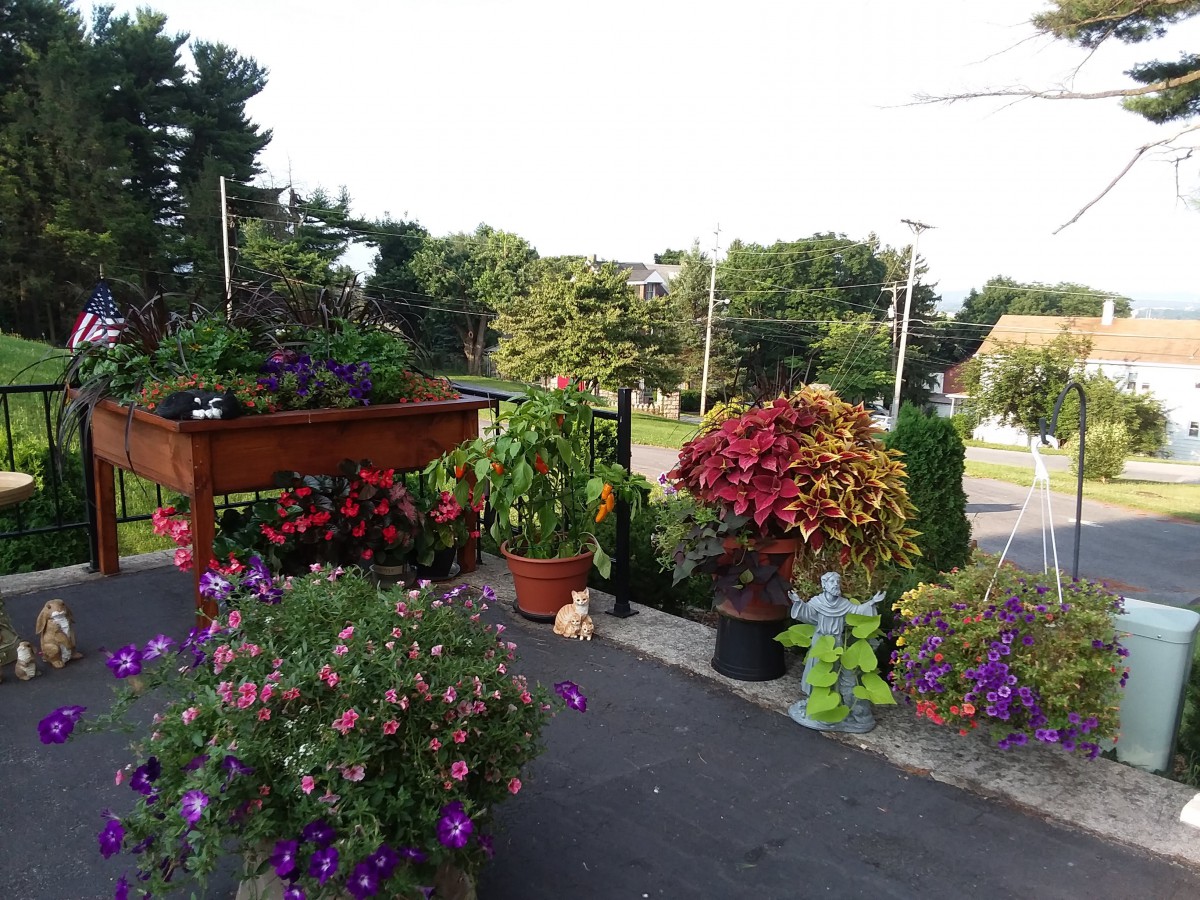
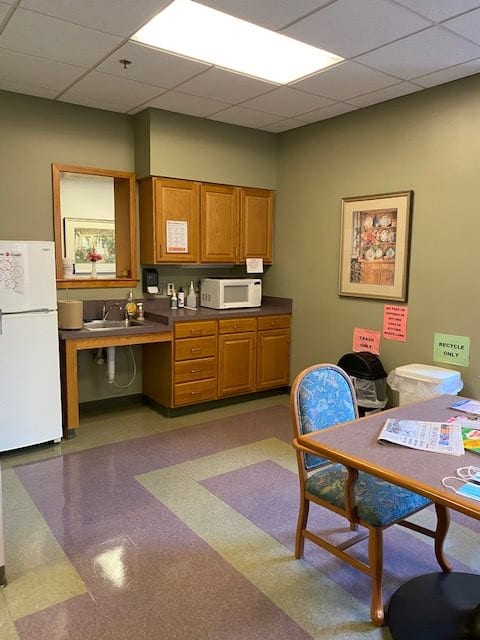
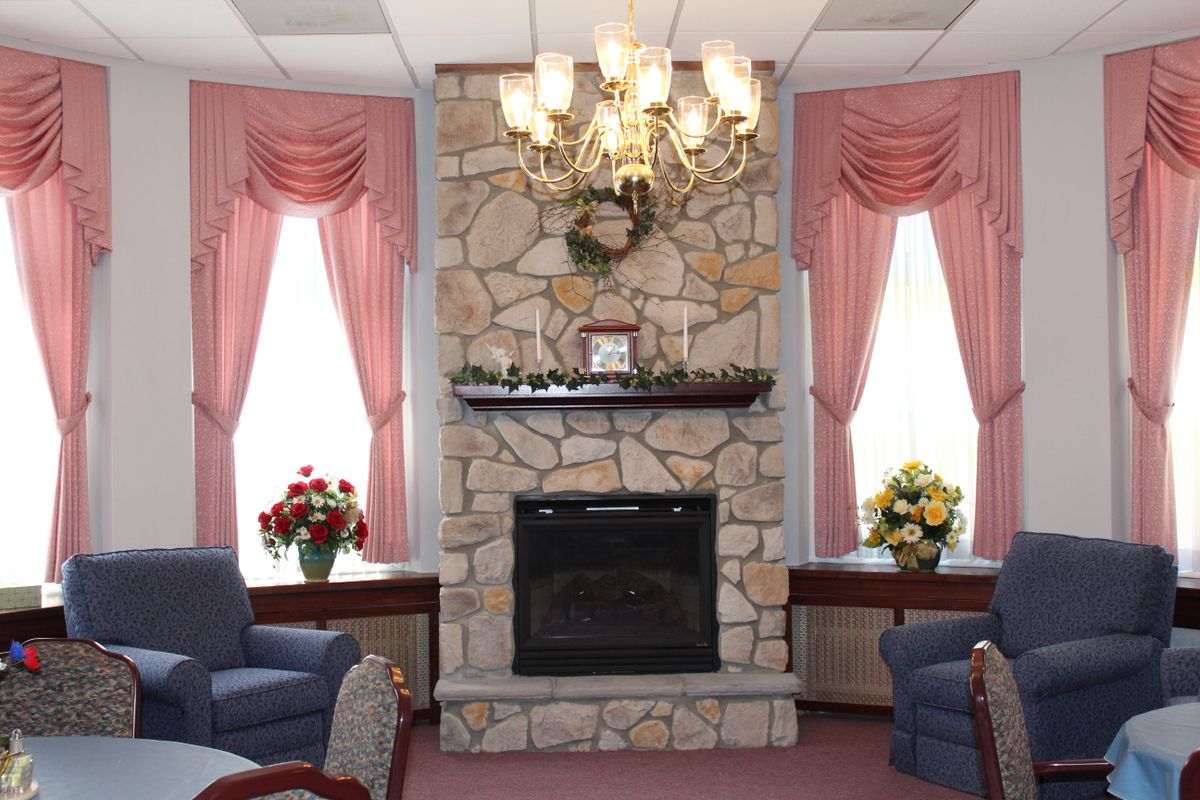
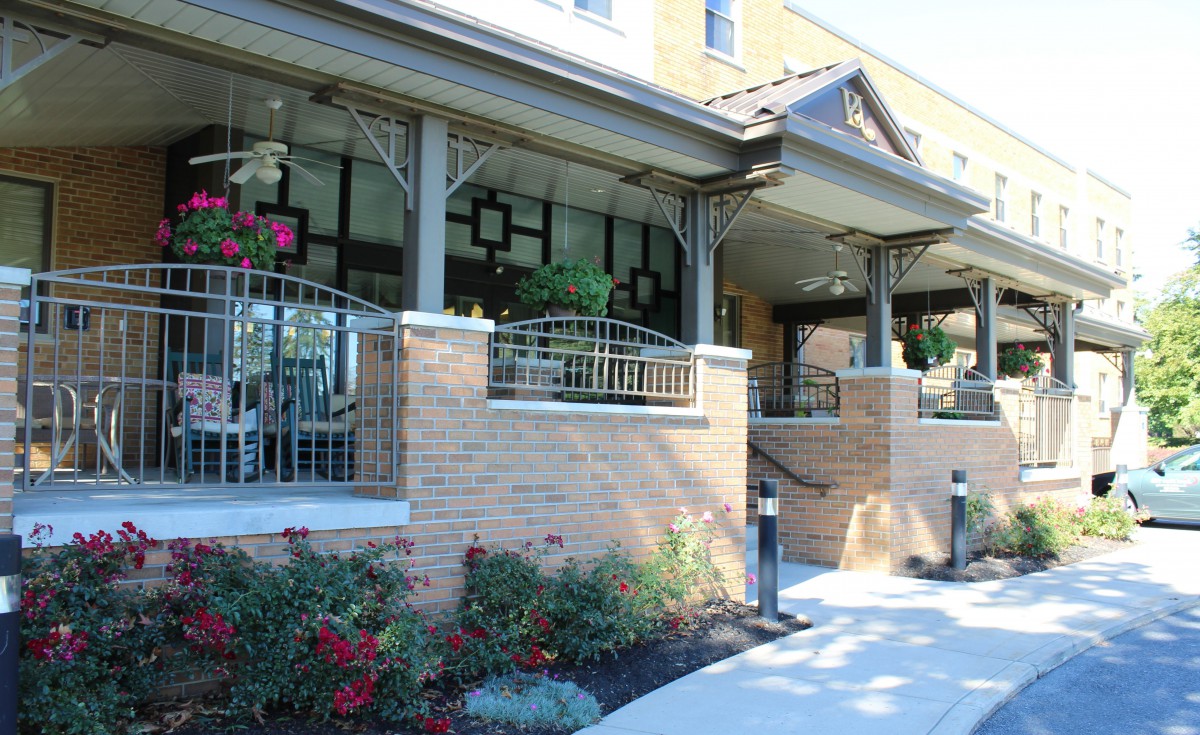
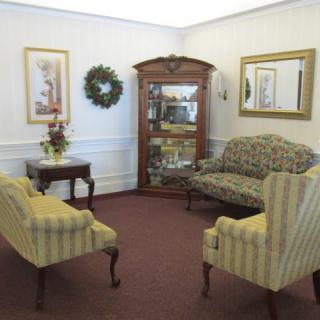
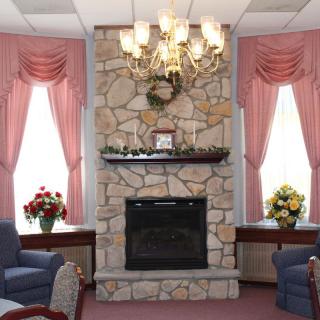
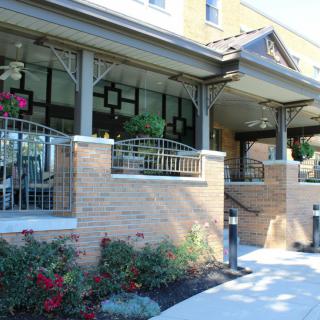
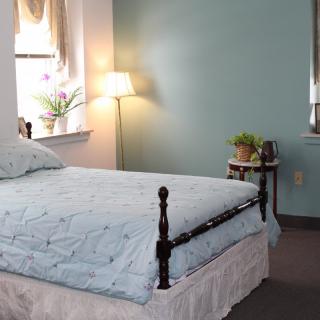
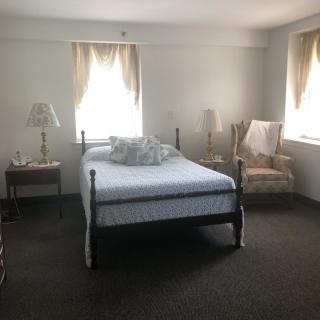
 The community is a beautiful property.
- The community feels like home, and the communication between the staff and family is good.
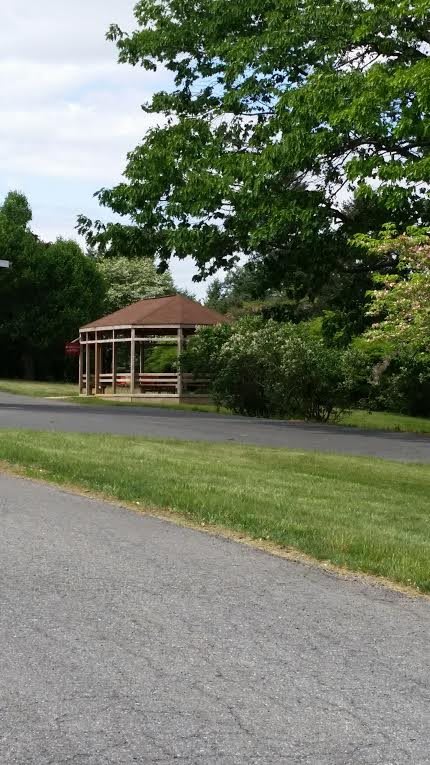
- The facility is spotless and well maintained, and the grounds around the building are gorgeous.
- The staff are friendly, engaged, and competent, and the residents seem very happy.
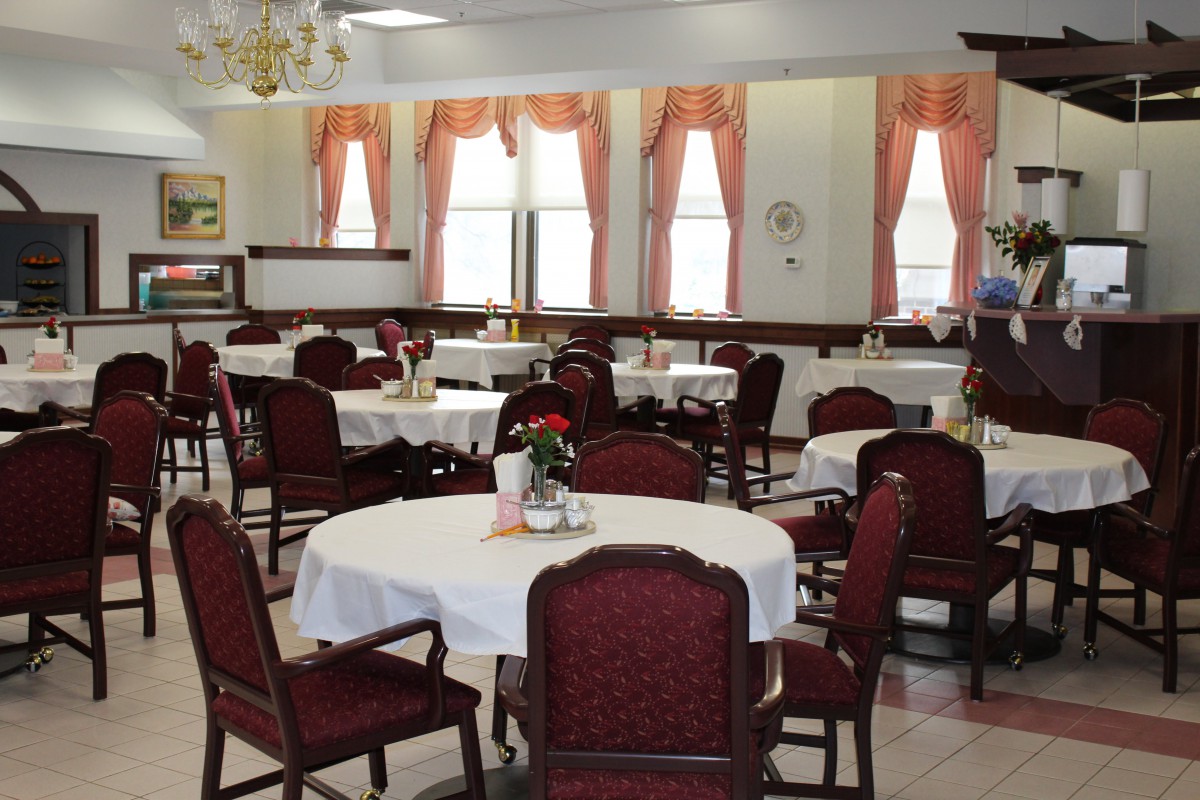
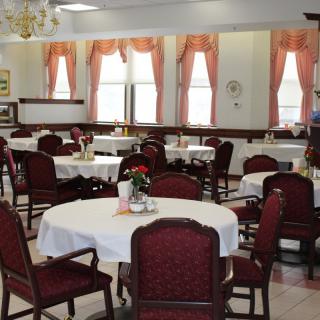
- The food is great and there are many different options.
- The community is smaller and more intimate, with staff having more time to spend with residents.
- They have not had a single case of COVID and they are really on top of safety measures.
- Sacred Heart Villa is a wonderful, caring, and knowledgeable place where families feel confident in the care.
- The nuns are still involved in the community.
- Families would highly recommend Sacred Heart Villa to others.
Cons
 The setup allowed a resident to potentially escape, creating safety concerns.
- They felt the facility would not meet their mother's dementia-care needs, and there would not be enough engaging or stimulating activities.
- The community does not provide shampoo or toiletries and does not take care of mail, trash, or recycling for residents.
- The community was sold after only two months, and they wish they had been told this before their loved one moved in.
- The food has gone downhill and their mother no longer enjoys meals.
Review
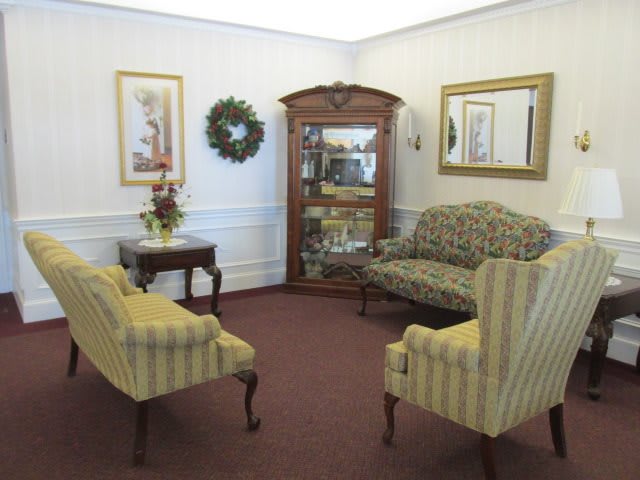
Sacred Heart Villa is best suited for Berks County families seeking a warm, home-like, faith-centered assisted living option in Reading. It excels for seniors who value personal attention, steady staff engagement, and clear, frequent communication between caregivers and families. The campus feels intimate rather than sprawling, which translates into more meaningful interactions and a sense of belonging. For residents who appreciate consistent routines, a respectful atmosphere, robust meals, and spiritual support, this community offers a remarkably comfortable, almost familial environment.
Those weighing alternatives should note a key caveat: aggressive memory-care programming and highly secure, escape-proof layouts may require looking elsewhere. Several families expressed concern that dementia residents may not find enough cognitive stimulation or structured challenges to satisfy mental needs. For seniors with moderate to advanced memory care requirements, or for families that prioritize a campus designed specifically around dementia progression, other communities with targeted programming and more built-in security features could be preferable.
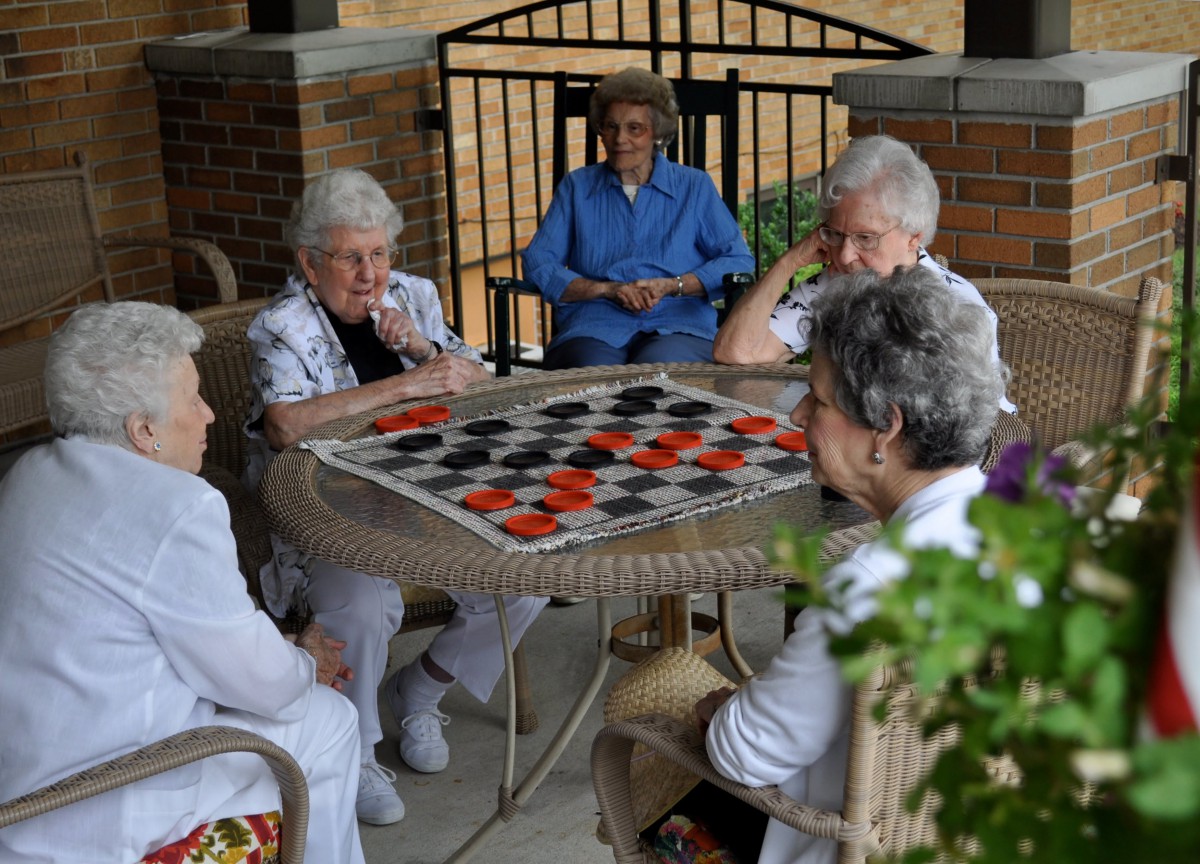
The strongest positives here, engaged, friendly staff; a well-maintained facility and grounds; and excellent meals with ample menu variety, tend to offset most cons for many residents. Reviews repeatedly point to compassionate leadership, staff competence, and the sense that residents are genuinely cared for. The setting supports social engagement through activities like bingo and music, and the presence of involved nuns and spiritual support adds a distinct, comforting dimension for families who value faith-based care. In short, the human touch and daily warmth are consistently evident and deeply felt.
However, genuine caveats merit close scrutiny. A handful of reviews mention housekeeping and service gaps, such as limited provision of toiletries or tasks like mail and trash handling, which can impact day-to-day convenience. One account raised concerns about an older building and cleanliness in parts of the property, underscoring that not all areas may meet every family’s cleanliness expectations. Most troubling to some families was news of a rapid community sale shortly after a resident moved in, highlighting potential financial and stability considerations that deserve explicit clarity before committing long term.
Families should approach admissions with practical diligence. Ask how dementia care is structured on a day-to-day basis, what cognitive-stimulation programs exist, and how wandering risk is mitigated within the layout. Probe the kitchen for menu flexibility, dietary accommodations, and the frequency of dining options. Scrutinize the billing model to understand what is included in monthly charges and what extras might appear for services such as hair appointments or laundry. Inquire about ownership, future plans, and any anticipated changes to services or care levels. And spend time talking with current residents and families to gauge whether the emotional and spiritual environment truly matches expectations.
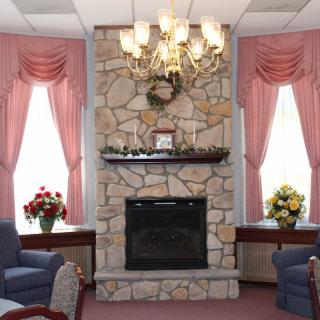
In the end, Sacred Heart Villa stands out as a practical, compassionate choice for families prioritizing warmth, personal attention, and spiritual care within a smaller, well-kept setting. It delivers a high level of staff engagement, comfortable living spaces, attractive grounds, and reliable meals that many residents and families come to rely on. For those whose loved ones require robust, specialized memory-care programming, or for families who fear a potential sale or evolving billing practices, alternatives should be explored. A guided visit, with targeted questions about dementia programming, safety features, and monthly charges, will reveal whether Sacred Heart Villa aligns with the specific needs and expectations of the senior family member.
 100 resident community capacity
 Assisted Living
 Independent Living
 Memory Care
 Activities off-site
 Air-conditioning
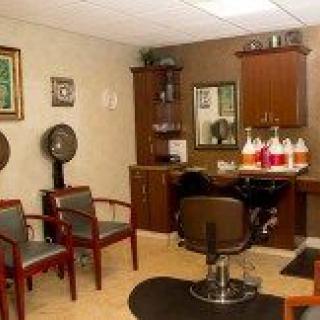
 Beautician on-site
 Cable or satellite TV
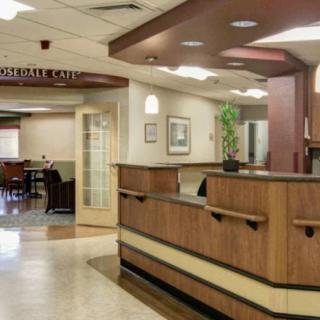
 Cafe
Cafe Computer center
 Devotional services off-site
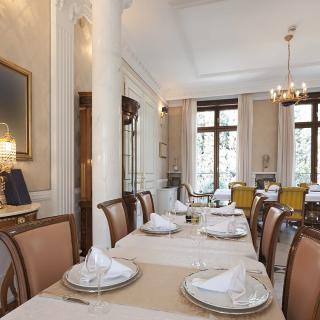
 Dining room
 Fitness room
 Fully furnished
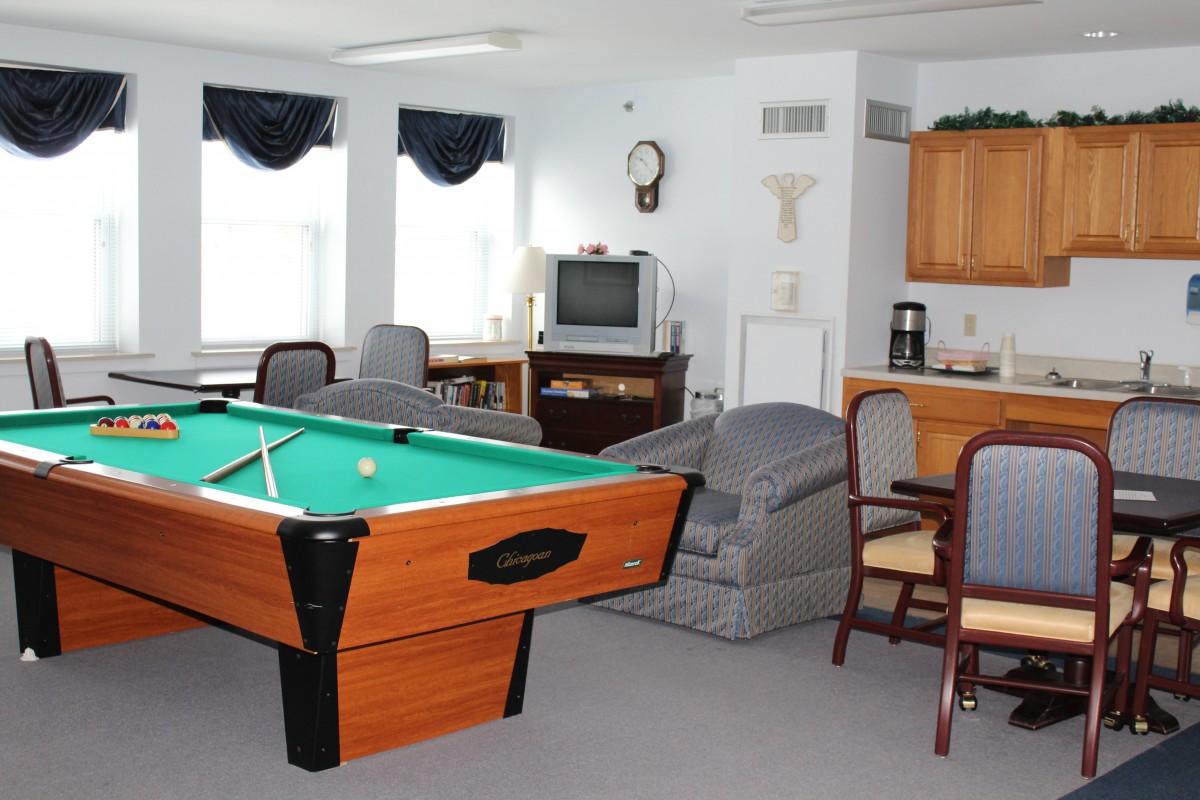
 Gaming room
 Garden
 Ground floor units
 Handicap accessible
 Housekeeping services
 Indoor common areas
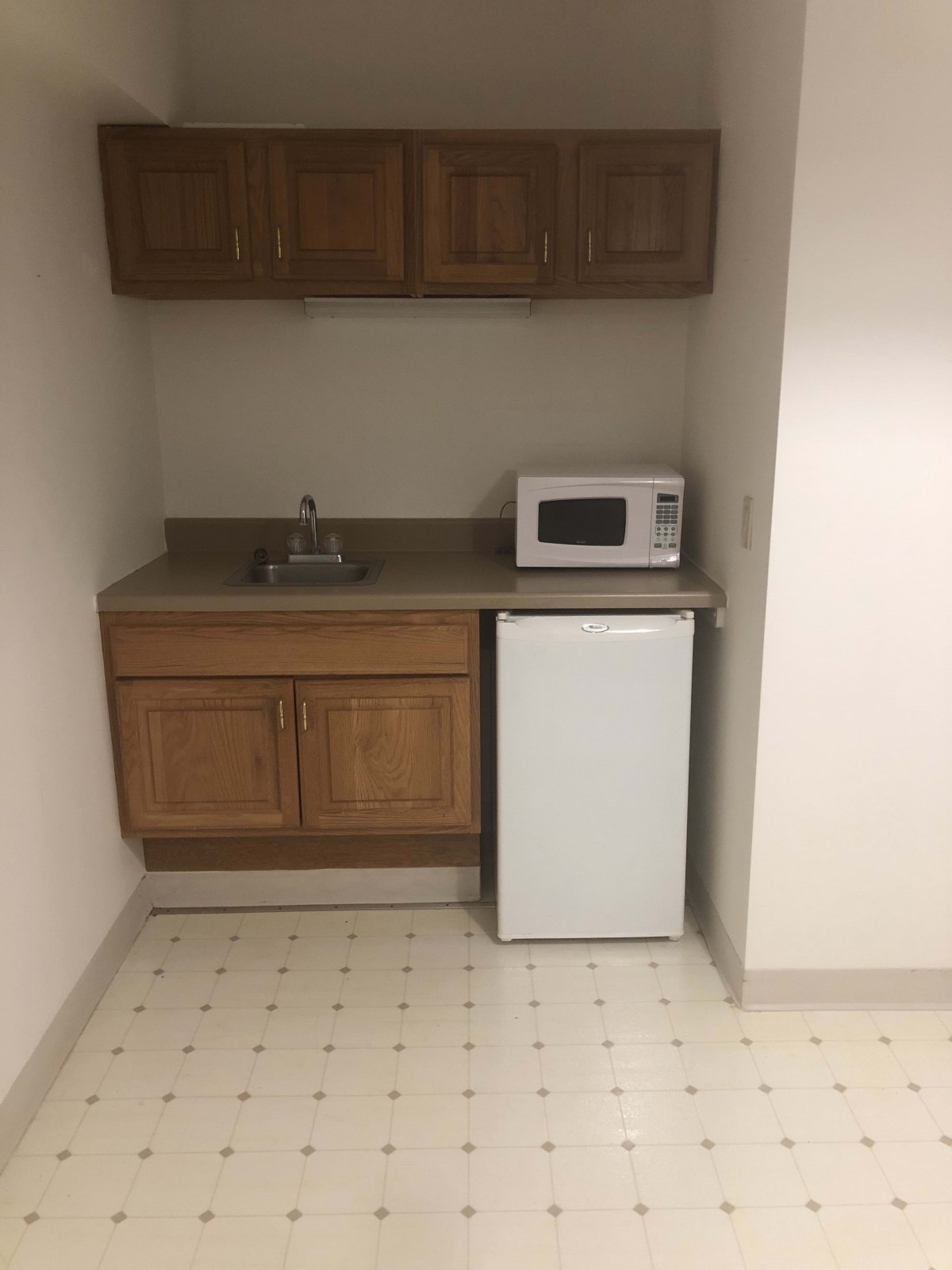
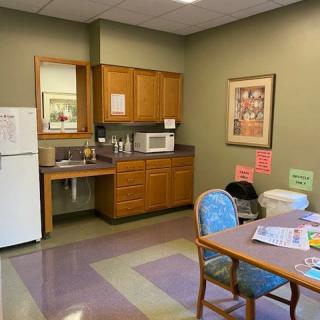
 Kitchenette
 Located close to restaurants
 Located close to shopping centers
 Move-in coordination
 Outdoor common areas
 Private bathrooms
 Respite or short term stays offered
 Restaurant-style dining
 Small library
 Telephone
 Wellness center
 Wheelchair accessible showers
 Wi-Fi/high-speed internet available
 Community operated transportation
 24-hour call system
 24-hour nursing
 Accept incoming residents on hospice
 Administer insulin injections
 Ambulatory care
 Assistance with bathing
 Assistance with dressing
 Assistance with transfers
 Diabetes diet
 High acuity care
 Incontinence care
 Medication management
 Mental wellness program
 Physical therapy
 Special dietary restrictions
 Art classes
 Catholic services
 Concierge services
 Cooking classes
 Day trips and outings
 Happy hour
 Karaoke
 Wine tasting


 8 Key Indicators That Suggest It May Be Time to Transition from Assisted Living to Skilled Nursing Care
 Nourishing the Mind: Essential Dietary Approaches for Dementia
 Understanding Dementia Behaviors: Practical Insights and Strategies for Caregivers