

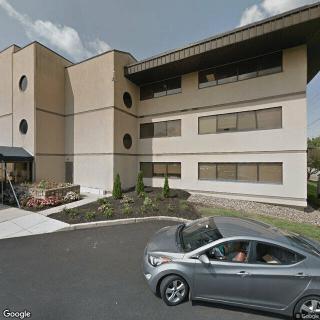
1200 E. High Street Suite 301, Pottstown, PA 19464
To contact a resident: (610) 323-0460
For more information about senior living options: (866) 208-4318
Overall Review of Senior Helpers - Pottstown, PA
Pros
 Senior Helpers has been phenomenal to work with, providing quick responses and wonderful support to seniors in the area.
- They are quick to respond, and their caregivers provide wonderful care to clients.
- Families have shared nothing but positive experiences with Senior Helpers’ services.
- Senior Helpers has been a great help to families, assisting with morning routines and chores around the house.
- Customers have been very pleased with the service and caregivers, and would highly recommend Senior Helpers.
- Senior Helpers do a very good job taking clients to the YMCA and cooking for them.
- Senior Helpers were prompt in responding and arranged a face-to-face meeting to discuss needs, with reasonable rates.
Cons
 Their response was terrible and they were impossible to reach.
- They never returned calls.
- The office staff was rude and non-responsive.
- They were described as the "DMV of care."
Review
Senior Helpers in Pottstown is best suited for families seeking in-home personal care that prioritizes caregiver compatibility, dependable visit schedules, and practical support with daily routines. The model shines when a loved one benefits from companionship, light housekeeping, transportation to activities, and help with morning or evening rituals without needing skilled nursing. The strongest value arrives from a local, hands-on agency that can tailor visits to individual rhythms and preferences, rather than a one-size-fits-all program. For families needing uninterrupted, around-the-clock monitoring or medical supervision, alternatives should be considered, including other home care providers with a stronger nursing scope or an assisted living option with on-site oversight.
Positive reviews consistently spotlight responsive caregiver matching and high-quality aides who handle daily tasks with finesse. In successful cases, a caregiver supported a father’s morning routine, helped a mother with light chores, and even provided transportation to activities like the YMCA, extending independence without intruding on family life. Several clients speak to a cooperative approach, where agencies set up face-to-face meetings, assess needs, and deploy caregivers who fit the household dynamic. When the service aligns with expectations, families describe noticeable relief, reliable consistency, and ongoing satisfaction with the level of personal attention delivered.
Onboarding can be straightforward when a local liaison moves quickly to review needs, arrange a caregiver, and establish a schedule. Reviewers also note reasonable rates for the service supplied, with some calls and visits described as exactly what was needed at a fair price. The practical edge comes from short-term and flexible arrangements that can scale with changing needs, without the commitment of a full-time facility move. The ability to adjust visit frequency and task scope gives families a practical pathway to maintain home life while balancing safety and independence.
However, the experience is not uniformly smooth. One critical review labels the office “rude and non-responsive,” describing repeated difficulties reaching staff and a sense that communications can collapse when urgent questions arise. This contrasts sharply with the stronger reports of prompt responses elsewhere. The place-to-place inconsistency introduces real risk: a family could commit based on one positive interaction and then face a lag in follow-through, missed calls, or delays in caregiver changes. That gap between promise and practice is the main con that potential clients must weigh against the solid caregiving quality reported by others.
Given the mix, this community is best for families who want practical, in-home support for daily routines and light care needs, with the expectation that caregiver compatibility will carry the bulk of the value. It likely serves well for vacation relief, post-hospital help, or ongoing companionship that keeps an aging loved one engaged at home. It is less suitable for those requiring consistent, highly reliable administrative communication, transparent escalation processes, or 24/7 skilled nursing oversight. In such cases, consider other agencies with proven track records in communication discipline or explore an assisted living option with professional oversight and guaranteed staffing.
For families choosing to proceed, start with a clear needs assessment, request written terms, and insist on a defined communication protocol and escalation path. Ask for caregiver matching criteria, expectations for response times, and a trial period to test reliability. Verify rates, cancellation terms, and what happens if a caregiver falls ill or if the schedule must shift. If responsiveness or caregiver compatibility proves unreliable, pivot to another local agency or revisit an assisted living community that offers consistent supervision and a broader care spectrum. The decision hinges on balancing caregiver quality with administrative reliability, and this option can be the right fit when those elements align.







 Comprehensive Insights into Palliative Home Care: What It Is and What to Expect
 Skilled Nursing Facilities vs. Nursing Homes: Making Sense of the Differences
 A Detailed Examination of Nursing Home Costs Across the U.S.