For more information about senior living options: (866) 208-4318
3.1 from 85 reviews
5 stars
34
4 stars
10
3 stars
7
2 stars
2
1 stars
32
Manatawny Manor Costs & Pricing
Manatawny Manor offers competitive pricing for its residents, particularly when compared to the costs in Chester County and throughout Pennsylvania. The monthly rates for a semi-private room at Manatawny Manor are set at $3,200, providing a substantial savings of over $1,200 compared to the county average of $4,429. Similarly, the studio apartments are priced at $3,800, which is more affordable than both the Chester County rate of $4,262 and the state average of $3,737. For those seeking one-bedroom accommodations, Manatawny Manor's rate of $4,200 remains lower than both the county's $4,319 and Pennsylvania's average of $4,006. This compelling pricing structure highlights Manatawny Manor as an attractive option for individuals looking for quality care and comfortable living arrangements without straining their finances.
Floor plans
Manatawny Manor
Chester County
Pennsylvania
Semi-Private
$3,200
$4,429
$3,542
Studio
$3,800
$4,262
$3,737
1 Bedroom
$4,200
$4,319
$4,006
Assisted Living communities with a similar price nearby
Residents and families describe physical and occupational therapy as a major reason for improvement.
Several reviewers say therapy supported progress during short-term rehab, including walking and overall health gains. Families also mention therapists taking time to understand goals and teaching exercises to continue at home. A few reviews describe therapy experiences more negatively, including concerns about how care was delivered, but the overall rehab-and-therapy theme is consistently present.
common18 reviews mention this
Staff kindness shows up often
A large number of reviewers describe caregivers and therapists as friendly, caring, and helpful.
Many reviews focus on staff being kind, supportive, and professional, with specific praise for nurses and therapy teams. Several families mention responsiveness to questions and keeping them informed about care changes. Some accounts complain about missed calls, delayed help, or short staffing, but positive staff impressions still dominate multiple reviewers’ accounts.
caveat14 reviews mention this
Care sometimes feels understaffed
Some residents and families report long waits and communication breakdowns during care needs.
A recurring complaint is that help was slow or incomplete, including delayed assistance after ringing a call bell and concerns about not getting medications on schedule. Other reviewers describe documentation and communication problems, such as arriving without needed information and families not being contacted when expected. There are also reports of night-time delays and concerns about supervision, which several reviewers connect to staffing and management issues.
caveat5 reviews mention this
Dining quality is a mixed story
Dining quality draws strong reactions, from praising meal availability to calling food unacceptable.
Some reviewers say the food is plentiful and healthy, and others mention assistance with meals. At the same time, multiple reviews criticize meals for being cold, repetitive, or unclean in the dining area, with some describing missing snacks or condiments. Overall, dining experiences vary widely across residents’ accounts.
caveat8 reviews mention this
Cleanliness varies by area
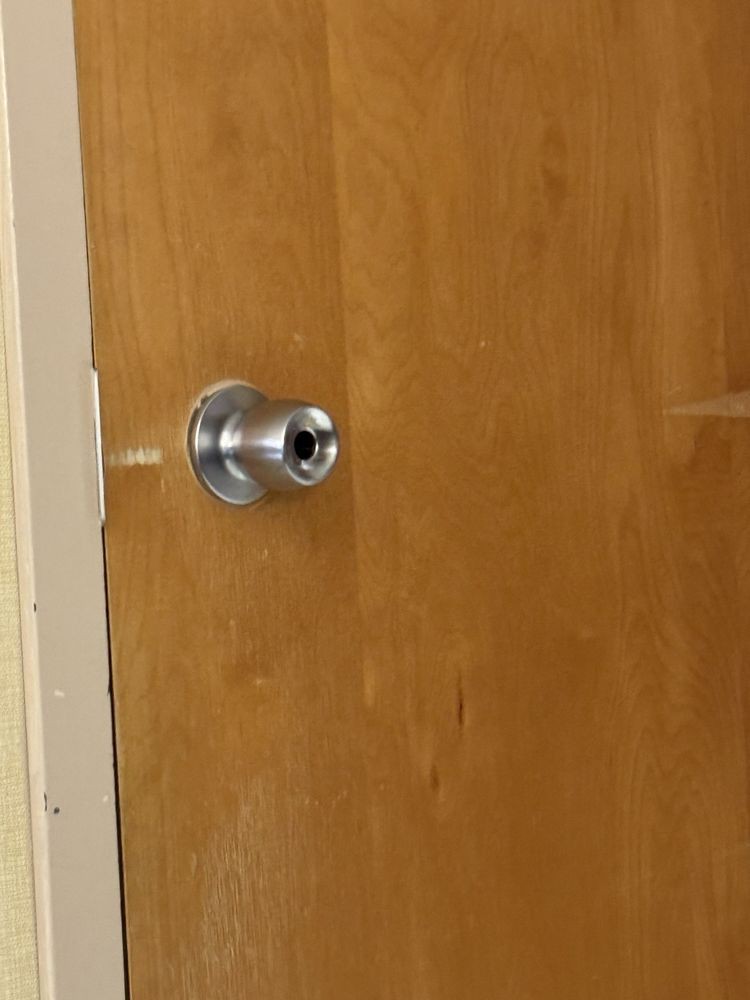
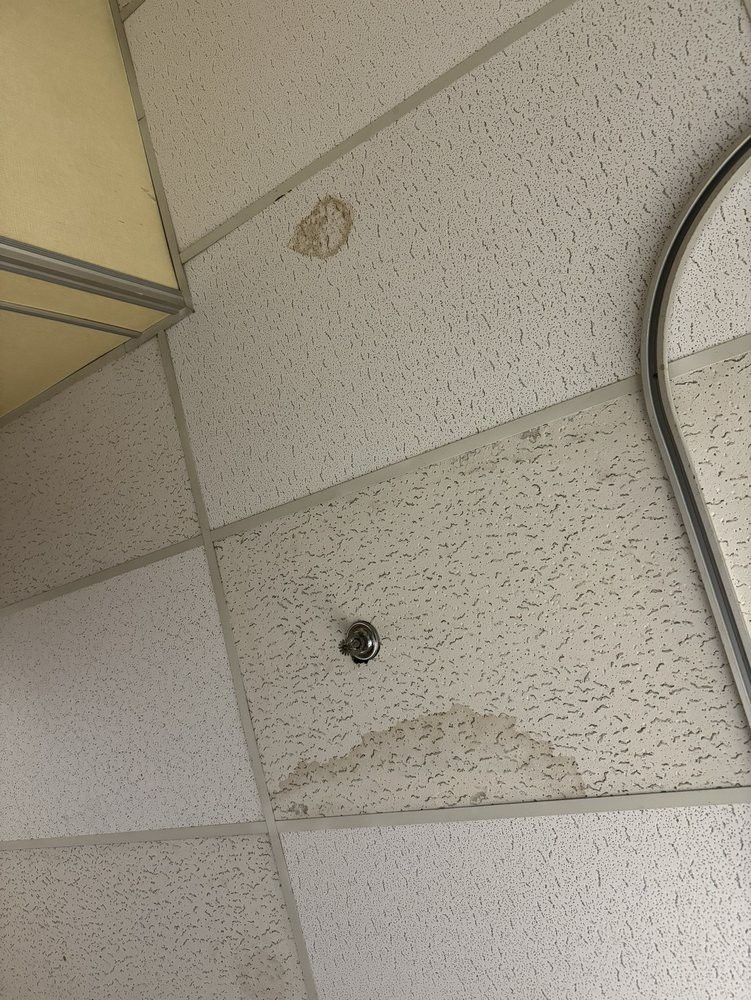
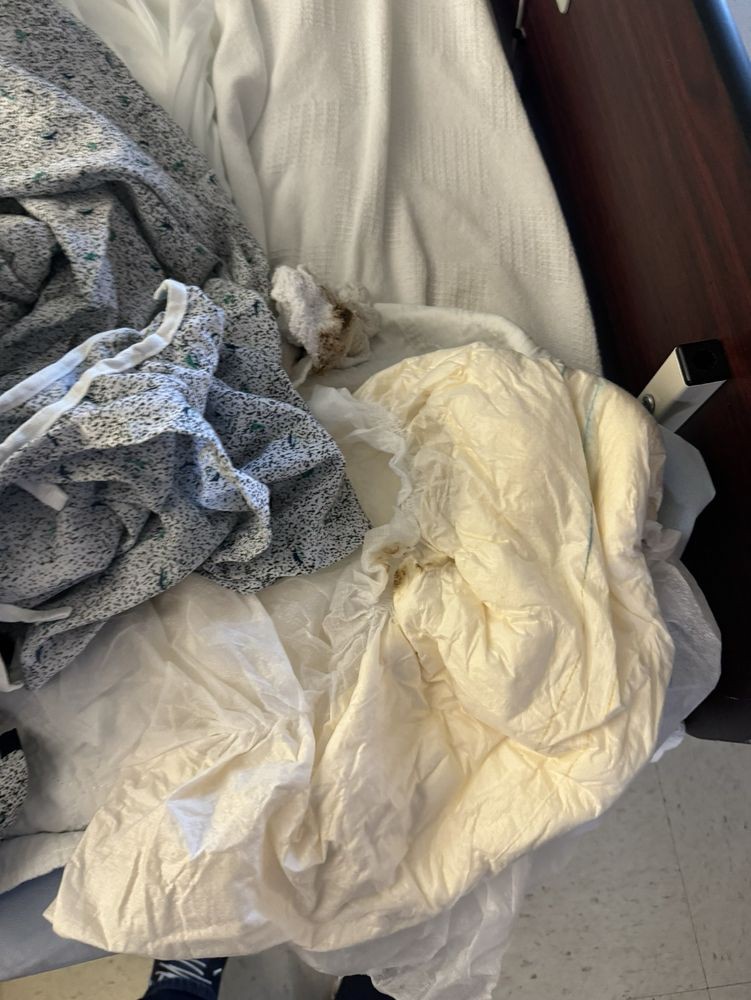
Reviews describe both clean public areas and serious cleanliness problems in other parts of the facility.
Several reviewers praise cleanliness, including clean hallways and rooms, and mention the facility looking well kept. Other accounts describe dirty dining spaces, old bedding, stained areas, and overall rundown conditions. Because both viewpoints appear in the reviews, cleanliness seems to be inconsistent across spaces and times.
caveat2 reviews mention this
Cost concerns come up in reviews
Some families questioned the value because of extra charges or overall cost.
A couple of reviewers mention added expenses and feeling the community was not worth the money. That aligns with the pricing context shown for multiple unit types. Together, the reviews suggest cost is a deciding factor for some families.
How we summarize
Counts show how many written reviews mention each theme; a review can touch several themes, and only frequently mentioned themes are displayed.
Features
Housing
124 resident community capacity
Types of Care
Assisted Living
Continuing Care Retirement Community (CCRC)
Independent Living
Memory Care
Skilled Nursing Facility
Amenities
Activities off-site
Activities on-site
Air-conditioning
Beautician on-site
Beauty salon
Cable or satellite TV
Computer center
Devotional services off-site
Devotional services on-site
Dining room
Fitness room
Fully furnished
Gaming room
Garden
Ground floor units
Handicap accessible
Housekeeping services
Indoor common areas
Kitchenette
Move-in coordination
Outdoor common areas
Outdoor space
Private bathrooms
Respite or short term stays offered
Restaurant-style dining
Small library
Telephone
Wellness center
Wi-Fi/high-speed internet available
Transportation
Community operated transportation
Transportation arrangement
Transportation arrangement (non-medical)
Transportation to doctors appointments
Care Services
12-16 hour nursing
24-hour call system
24-hour supervision
Activities of daily living assistance
Ambulatory care
Assistance with bathing
Assistance with dressing
Assistance with transfers
Diabetes diet
Diabetic care
Incontinence care
Meal preparation and service
Medication management
Mental wellness program
Special dietary restrictions
Dining
Anytime dining
Diabetes diet
Gluten-free
Guest meals
Kosher
Low / no sodium
Meals provided
No Sugar
Professional chef
Restaurant style dining
Room service
Special dietary restrictions
Special dining programs
Vegetarian
Activities
Art classes
Catholic services
Community-sponsored activities
Concierge services
Cooking classes
Devotional activities offsite
Devotional activities on-site
Educational speakers / life long learning
Fitness programs
Jewish services
Live well programs
Other religious services
Planned day trips
Protestant services
Resident-run activities
Scheduled daily activities
Visiting chaplain or priest
Nearby Places of Interest
Physicians
Eye Consultants of Pennsylvania, PC (0.7 miles)
Pmsi (1 miles)
Healthsouth Rehabilitation Pottstown (1 miles)
Tri-County Neurology (1.3 miles)
Performance Spine and Sports Physicians, PC (1.4 miles)
Coventry Family Care (1.7 miles)
Coventry Family (1.7 miles)
Restaurants
McDonald's (1.2 miles)
The Blue Elephant (2 miles)
Ice House Steaks & Pizza (2.3 miles)
Chick-Fil-A (2.6 miles)
Railroad Street Bar & Grill (3.2 miles)
Sly Fox Brewery & Tastin' Room (3.6 miles)
Creekside Sports Bar & Grille (4.6 miles)
Hospitals
Pottstown Memorial Medical Center (1.3 miles)
Physicians Care Surgical Hospital (3.7 miles)
Berks Family Care (5.9 miles)
Einstein Collegeville (8.6 miles)
Phoenixville Hospital (9 miles)
Pharmacies
CVS Pharmacy (1.5 miles)
Rite Aid (1.8 miles)
Rite Aid (1.9 miles)
CVS Pharmacy (2.4 miles)
Walmart Pharmacy (3 miles)
CVS Pharmacy (4.2 miles)
CVS Pharmacy (5 miles)
Parks
Pottstown Riverfront Park (2 miles)
Upper Schuylkill Valley Park (7.4 miles)
Upper Salford Park (10.4 miles)
Green Lane Park (11.2 miles)
French Creek State Park (12.1 miles)
Marsh Creek State Park (12.2 miles)
Lionville Park (12.7 miles)
Cafes
Shorty's Sunflower Cafe (3 miles)
Starbucks (3.1 miles)
Starbucks (5.6 miles)
Starbucks (6.5 miles)
Starbucks (8.6 miles)
Starbucks (10.8 miles)
Starbucks (11.1 miles)
Places of Worship
Hope Community Church (4.8 miles)
Royersford Baptist Church (5.9 miles)
St Catherine of Siena Roman Catholic Church (13 miles)
Manatawny Manor offers competitive pricing for its residents, particularly when compared to the costs in Chester County and throughout Pennsylvania. The monthly rates for a semi-private room at Manatawny Manor are set at $3,200, providing a substantial savings of over $1,200 compared to the county average of $4,429. Similarly, the studio apartments are priced at $3,800, which is more affordable than both the Chester County rate of $4,262 and the state average of $3,737. For those seeking one-bedroom accommodations, Manatawny Manor's rate of $4,200 remains lower than both the county's $4,319 and Pennsylvania's average of $4,006. This compelling pricing structure highlights Manatawny Manor as an attractive option for individuals looking for quality care and comfortable living arrangements without straining their finances.
Manatawny Manor's array of features is specifically designed to support residents with dementia and Alzheimer's disease, ensuring their comfort and dignity while addressing their unique needs. The provision of 24-hour supervision offers constant safety and security, which is critical for individuals who may experience confusion or wandering tendencies. Assistance with activities of daily living--including bathing, dressing, and transfers--empowers residents to maintain personal hygiene and autonomy, promoting self-esteem. Incontinence care further ensures dignity and pride in personal presentation. Meal preparation and service are tailored to accommodate dietary requirements, fostering nutritional health, while medication management helps prevent complications from missed doses or interactions. Finally, a mental wellness program actively engages residents' cognitive functions through structured activities designed to stimulate memory and social interaction, enhancing overall well-being in a compassionate environment.
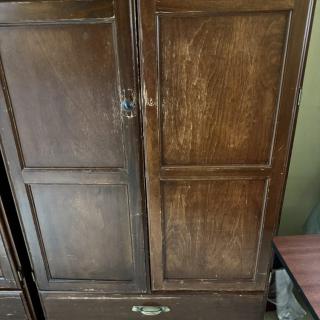
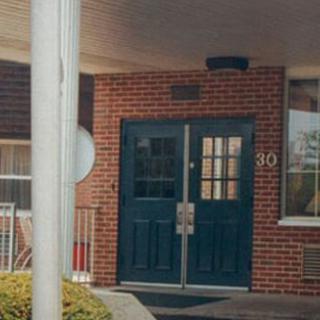
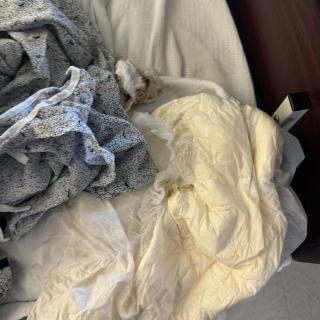
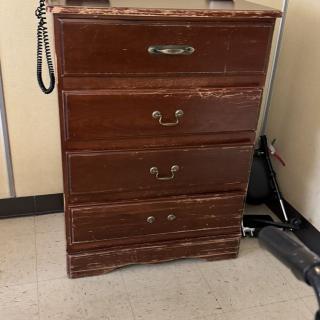
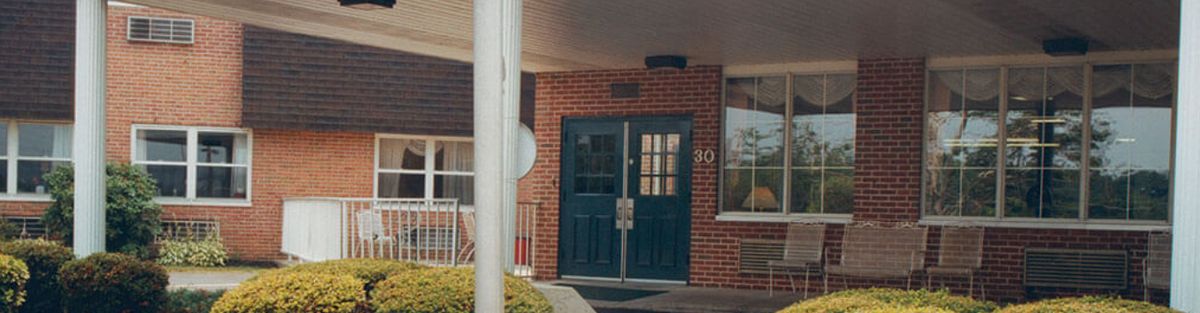
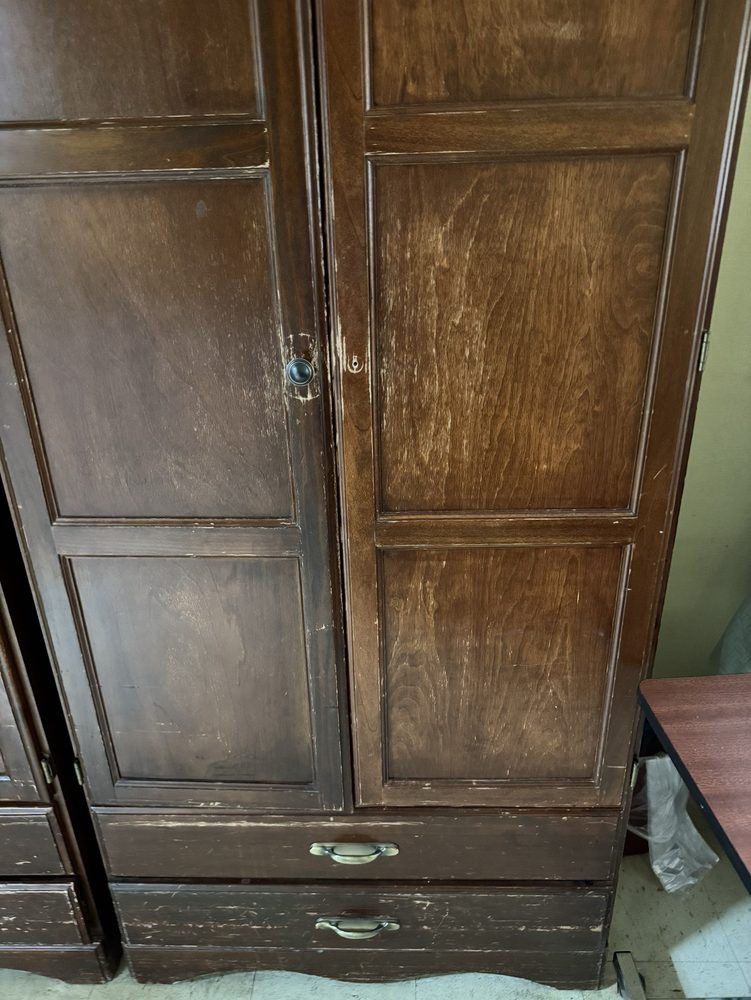
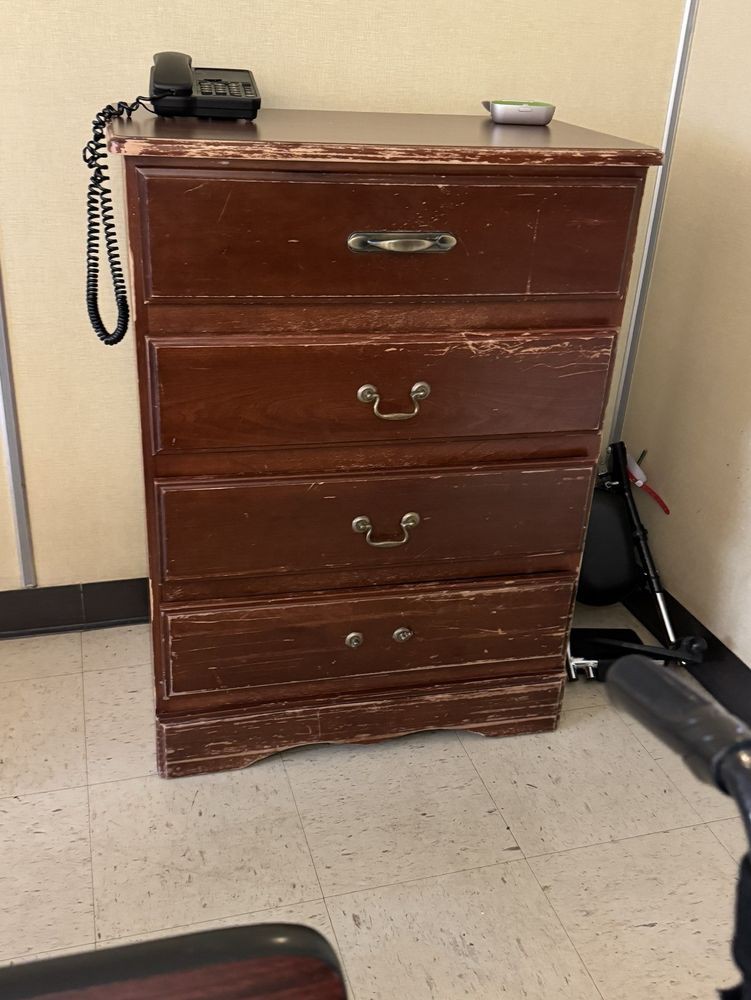
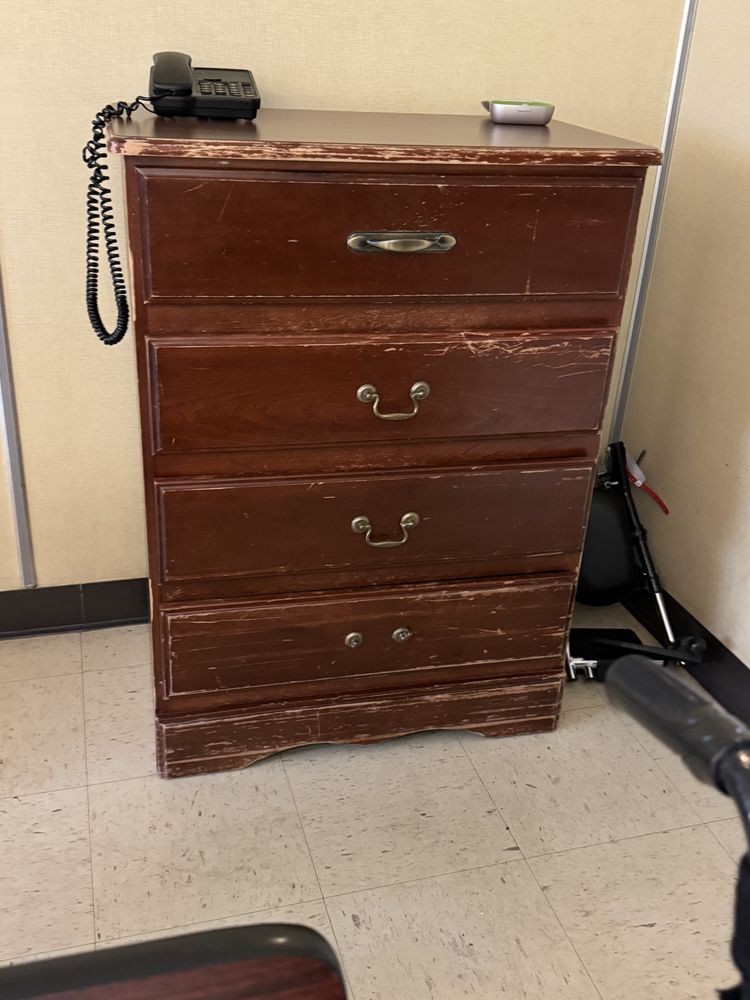
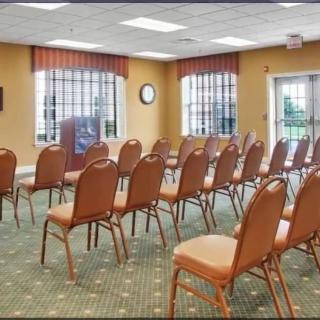
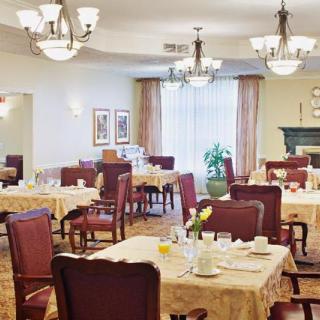
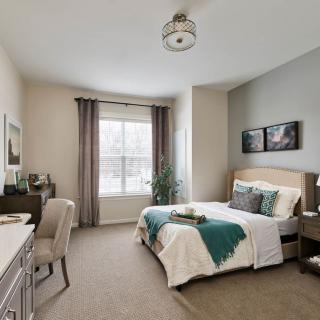
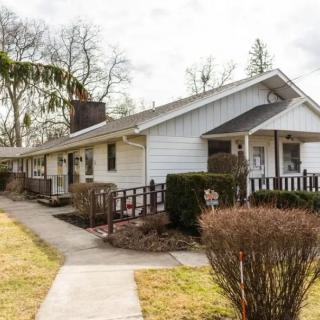
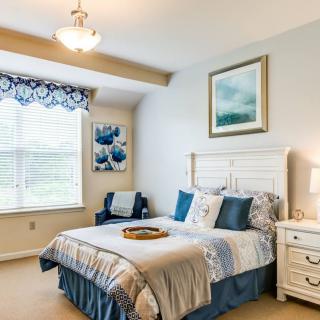
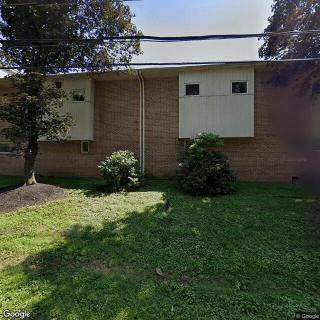
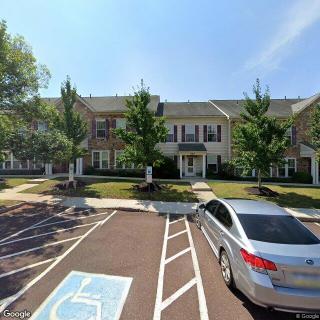
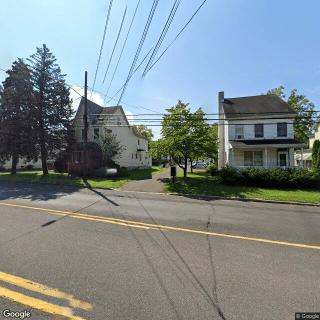
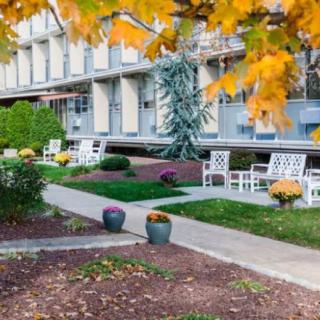
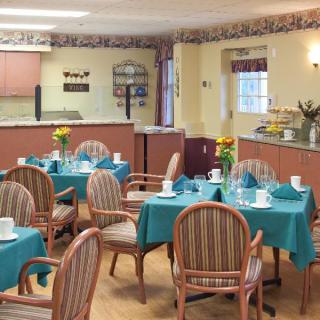
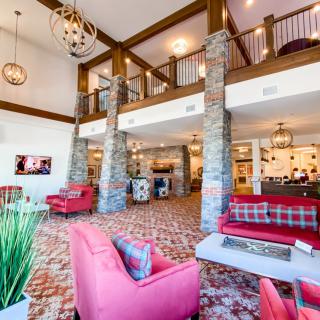
Manatawny Manor on seniors.fyi includes 7 photos including images showing interior, vintage, building, entrance, doors, brick wall, architecture, bedroom, and more.
Nearby Communities
Senior Helpers - Pottstown, PA
Pottstown, PA
4.4 from 18 reviews
Prompt, professional care at reasonable rates.
Tri County Home Health and Hospice
Pottstown, PA
4.3 from 6 reviews
Excellent location with abundant nearby dining, parks, pharmacies, healthcare providers, places of worship, and hospitals.
Visiting Angels
Pottstown, PA
4.8 from 58 reviews
Convenient access to nearby amenities and healthcare in a comfortable assisted living setting.
Right at Home Berks, Chester & Montgomery
Pottstown, PA
4.5 from 37 reviews
Reliable, experienced caregivers delivering compassionate care with strong communication.
Associated HealthCare Personnel, Inc.
Sanatoga, PA
Convenient access to cafes, restaurants, a park, doctors, pharmacies, worship, and hospitals nearby.
Manorcare Health Services - Pottstown
Pottstown, PA
3.9 from 119 reviews
Extensive amenities and personalized care (private suites, restaurant-style dining, wellness programs, and transport assistance).
Sanatoga Center
Pottstown, PA
3.9 from 129 reviews
Caring staff in a clean, well-maintained facility.
Douglass Village
Douglassville, PA
3.8 from 25 reviews
Intimate, personalized care with dietary accommodations and reliable connectivity.
Arcadia at Limerick Pointe
Limerick, PA
4.6 from 61 reviews
$3,780 to $5,400 / month
Clean, well-maintained facility with friendly staff, engaging activities, and high-quality dining.
The article discusses the late stages of dementia, detailing the progression from mild to severe impairment and highlighting key characteristics such as profound cognitive decline and dependency in daily activities. It emphasizes care strategies focused on comfort and dignity, the importance of advance directives, and the emotional support needed for family caregivers facing this challenging journey.
The article examines the link between certain medications and increased dementia risk, particularly in older adults, emphasizing that long-term or high-dose use of anticholinergics, benzodiazepines, and other drug classes can exacerbate cognitive impairment. It calls for careful medication evaluation and shared decision-making to mitigate these risks while managing treatment efficacy.
The article emphasizes the significance of establishing a power of attorney for elderly parents to enable an agent to make decisions on their behalf regarding health and finances, especially during cognitive or physical decline. It outlines various types of power of attorney, the importance of consulting legal professionals, and the responsibilities and challenges faced by agents, while also discussing alternatives and common misconceptions.
Building, Architecture, Entrance, Brick Wall, and Doors
Vintage
Get PricingAsk A QuestionSchedule A TourContact Senior Advisor
By clicking submit, you agree to our Partner's Terms of Use. You
also consent to receive calls and texts, which may be autodialed, from our Partner. Your consent is not a condition to
using our Partner's service. Please visit our Partner's Privacy Policy for information about their privacy practices.

 124 resident community capacity
 Assisted Living
 Continuing Care Retirement Community (CCRC)
 Independent Living
 Memory Care
 Skilled Nursing Facility
 Activities off-site
 Air-conditioning
 Beautician on-site
 Cable or satellite TV
 Computer center
 Devotional services off-site
 Dining room
 Fitness room
 Fully furnished
 Gaming room
 Garden
 Ground floor units
 Handicap accessible
 Housekeeping services
 Indoor common areas
 Kitchenette
 Move-in coordination
 Outdoor common areas
 Private bathrooms
 Respite or short term stays offered
 Restaurant-style dining
 Small library
 Telephone
 Wellness center
 Wi-Fi/high-speed internet available
 Community operated transportation
 12-16 hour nursing
 24-hour call system
 Ambulatory care
 Assistance with bathing
 Assistance with dressing
 Assistance with transfers
 Diabetes diet
 Diabetic care
 Incontinence care
 Medication management
 Mental wellness program
 Special dietary restrictions
 Art classes
 Catholic services
 Concierge services
 Cooking classes
 Educational speakers / life long learning
 Jewish services
 Planned day trips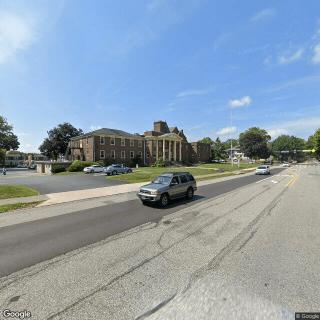
 Prompt, professional care at reasonable rates.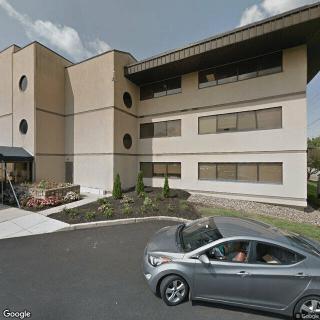

 Comprehensive Insights on the Late Stages of Dementia: What to Expect and How to Provide Care
 Medications Associated with Dementia Risk: A Comprehensive Overview
 Guiding Your Journey: Understanding Power of Attorney for Elderly Parents