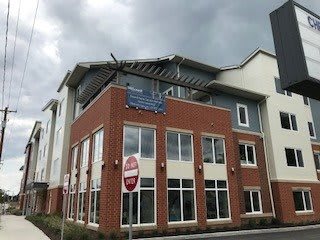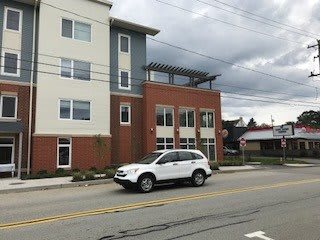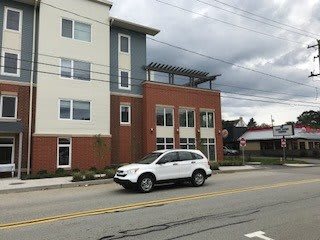
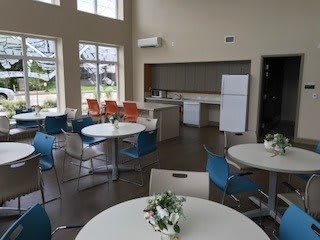
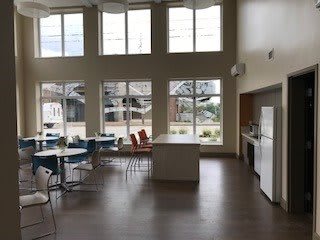
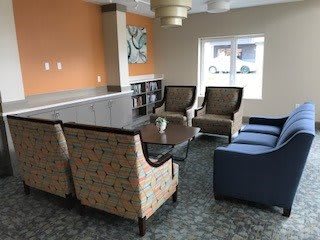
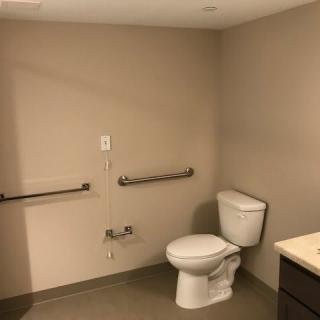
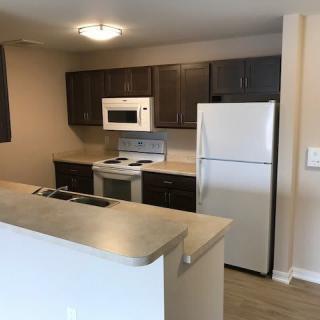
2848 Brownsville Rd., Pittsburgh, PA 15227
To contact a resident: (412) 872-2260
For more information about senior living options: (866) 208-4318
Hillcrest Senior Residences Costs & Pricing
Hillcrest Senior Residences offers competitive pricing for its accommodations compared to broader regional averages. For a one-bedroom unit, residents enjoy the affordability of $889 per month, significantly lower than the average costs in Allegheny County, which stands at $3,798, and even more so when considering the state average of $4,006. Similarly, the two-bedroom option at Hillcrest is priced at $1,067 per month, which again highlights substantial savings compared to Allegheny County's average of $4,653 and Pennsylvania's overall average of $4,242. This makes Hillcrest Senior Residences not only an attractive choice for seniors seeking quality living arrangements but also a fiscally sensible option within the market landscape.
| Floor plans | Hillcrest Senior Residences | Allegheny County | Pennsylvania |
|---|---|---|---|
| 1 Bedroom | $889 | $3,798 | $4,006 |
| 2 Bedrooms | $1,067 | $4,653 | $4,242 |
Senior living communities with a similar price nearby
-
from +$111 / mo

The Valley House
$1,000 / month20.3 miles away -
from +$133 / mo
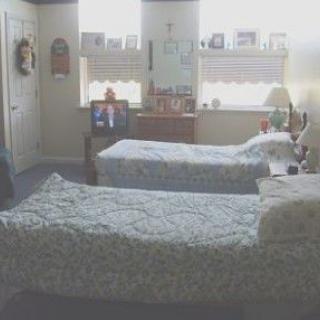
East Deer Personal Care Home
$1,022 to $1,800 / month14.8 miles away -
About the same
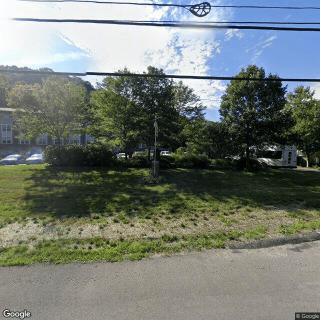
White Oak Retirement Residence
$910 to $1,030 / month10.6 miles away -
from +$68 / mo
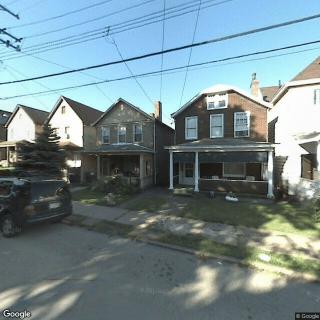
Harris Home with a Heart
$957 to $1,200 / month7.2 miles away -
from +$157 / mo
Petersons Domicilliary Home
$1,046 to $1,300 / month5.3 miles away
Overall Review of Hillcrest Senior Residences
Pros
 Don is fast, efficient, and especially friendly, and is a true asset to Hillcrest.
- Residents are pleasant, clean, and friendly.
- The technician fixed the issues in ten minutes.
Cons
 Six days of waiting for service was unacceptable.
- The address provided did not exist and did not match the Hillcrest residence.
- There was no tour, and the first impression was bad, especially for seniors.
- The air conditioning was bad and could not be fixed.
- The architect should be fined every time emergency vehicles are required.
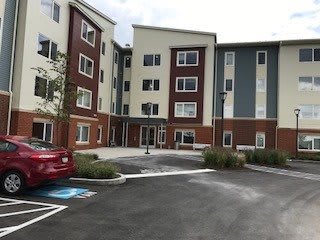
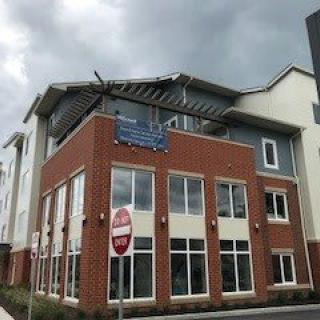
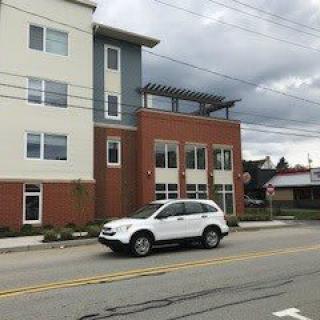
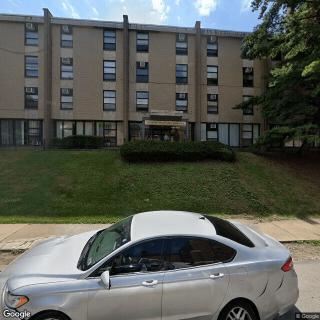
- The building is built up to the sidewalk, an old folk home, and residents will need help more often than neighbors.
- There were no ratings or stars given for this service; the prospective client was very disappointed.
Review
Hillcrest Senior Residences in Pittsburgh is best suited for seniors who prize a quiet, neighborly environment with pleasant, clean spaces and a friendly resident community, and who can live with maintenance and administrative processes that are functional but not highly proactive. The setting fits active seniors who want straightforward living and are comfortable navigating occasional lapses in coordination. It works for those who don’t require constant, on-demand care coordination or guaranteed rapid service responses. For families seeking rigorous front-desk reliability, precise scheduling, or robust care management, alternatives should be explored. In short, Hillcrest delivers a basic, approachable living experience that emphasizes community and simplicity over polish and flawless operations.
On the maintenance front, there is one standout asset: Don, described as fast, efficient, and especially friendly, a true credit to Hillcrest. His performance represents the level of personal reliability that families want to see pressed into daily operations. Yet the broader maintenance picture is troubling. Reports describe routine service requests stretching across six days, with the actual fix taking only a brief ten minutes once attended. That kind of lag undermines any sense of dependable upkeep and invites questions about how emergency or urgent repairs are prioritized. The gap between prompt communication and timely completion is exactly the mismatch that can sour otherwise favorable impressions when seniors live in a residence.
Prospective residents should weigh the front-end experience as part of the equation, because the first impression matters. One reviewer detailed a disappointing tour experience: the address given led to a non-existent location, the schedule conflicted with real-world routing, and no one was on hand to meet the visitor. The tone of that encounter, lack of coordination, a failed appointment, and a poor introduction to the community, doesn’t erase the quality of the living spaces or the friendliness inside, but it does signal a pattern of administrative gaps. For families evaluating Hillcrest, such missteps are not trivial; they become red flags when deciding whether the site can be trusted for a parent’s safety, routine scheduling, and ongoing communication.
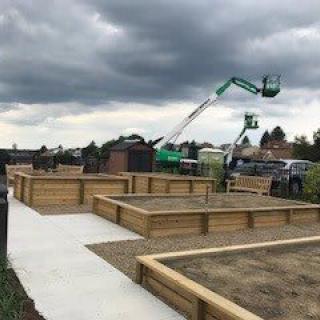
The facility’s reported design and climate-related shortcomings add another layer of caution. Several reviews note air conditioning issues that remain unresolved, a reminder that comfort can hinge on a reliable, climate-controlled environment. More critically, observers describe the building as an old-folk-home-style setting with design constraints that impede rapid emergency access, an entry-loop suggestion highlights how architecture can unintentionally complicate responsiveness. In an environment where residents will need assistance, the combination of aging infrastructure and potential access delays is a meaningful risk that families must weigh against the benefits of a smaller, close-knit community.
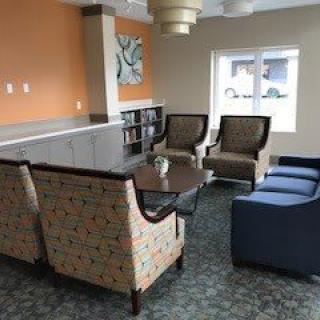
Conversely, the social fabric at Hillcrest is repeatedly identified as a genuine strength. The environment is described as pleasant, clean, and populated by friendly residents, which matters deeply for quality of life and daily satisfaction. The positive perception of residents and certain staff members can translate into meaningful daily interactions and a supportive living atmosphere. This warmth can offset some operational stumbles for residents who are relatively independent and who prioritize social engagement over high-level care coordination. The question becomes whether the warmth and community can endure as maintenance demands grow or as structural issues surface over time.
Ultimately, the decision hinges on expectations and risk tolerance. Hillcrest offers a welcoming, low-key option for seniors who value a congenial neighborhood feel and affordable, uncomplicated living, with a maintenance team member who clearly shines. But it requires a disciplined due diligence approach: demand concrete maintenance-response targets and track record, insist on a reliable front-desk and tour process, verify HVAC reliability, and probe the implications of the building’s age and design on safety and emergency access. If those operational elements meet clear, documented standards, Hillcrest can be a compelling choice. If not, families should confidently compare with alternatives that deliver stronger coordination, more predictable service, and architecture that prioritizes safety and clarity for residents and their families.
 Active Adult Communities (55+)
 Cats allowed
 Dogs allowed
 Activities on-site
 Air-conditioning
 Bath tubs
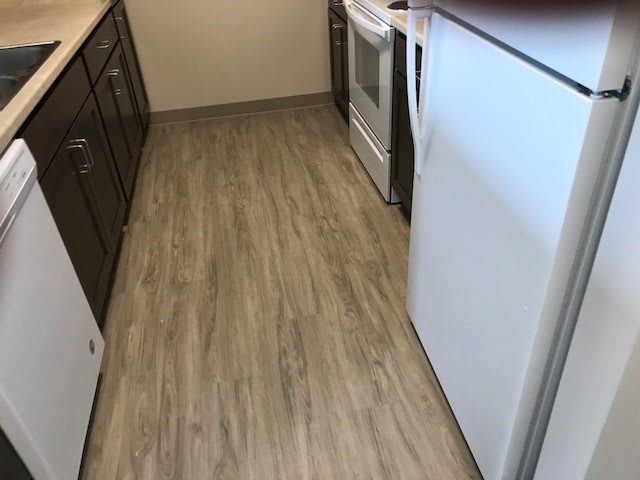
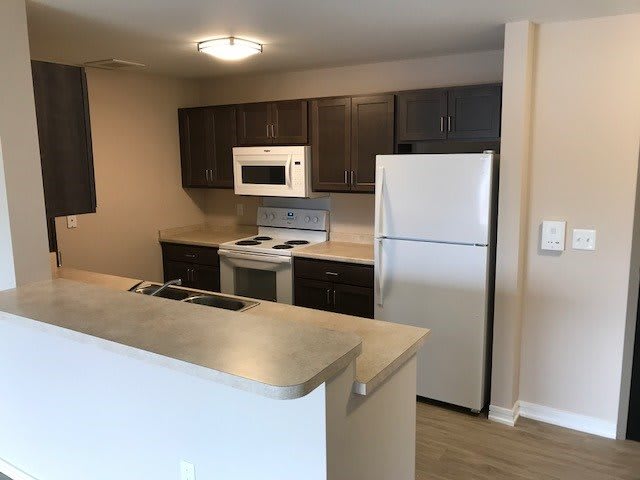
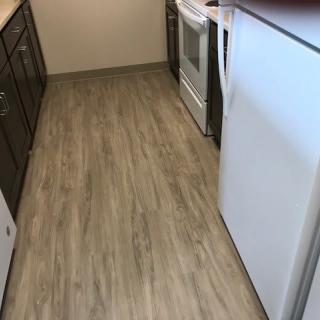
 Full kitchen
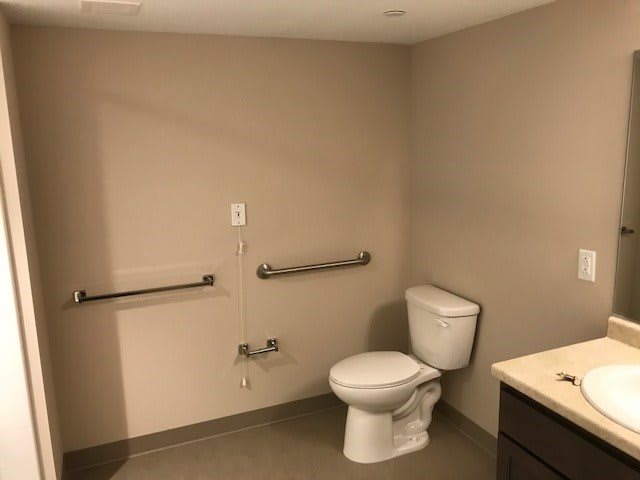
 Handicap accessible
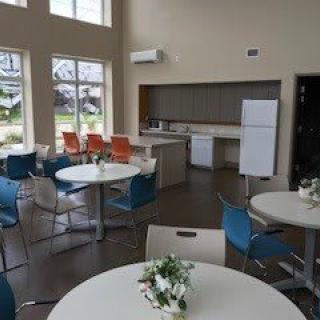
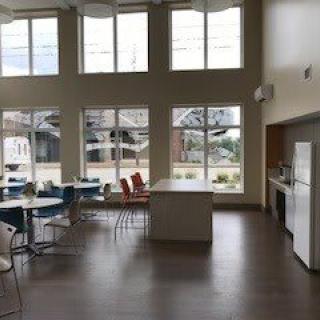
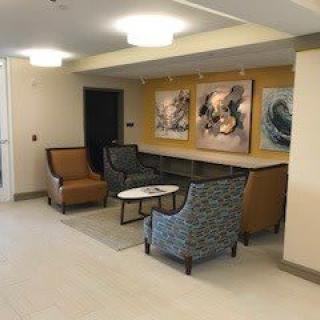
 Indoor common areas
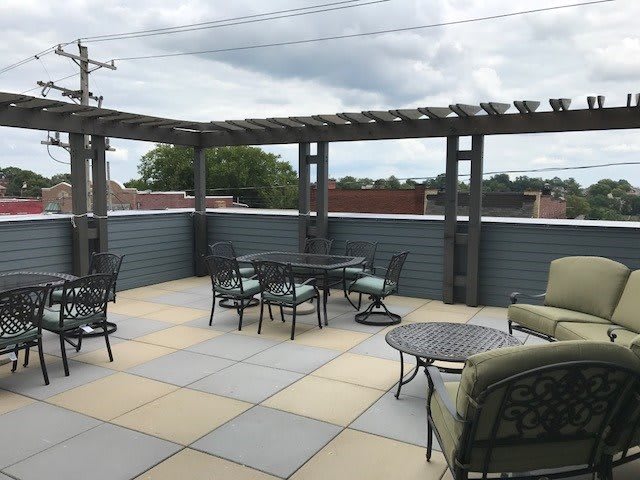
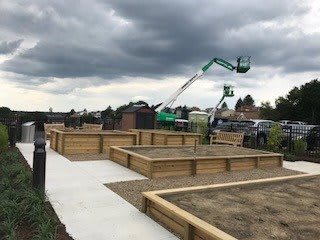
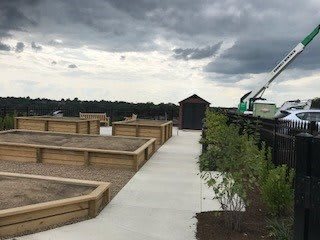
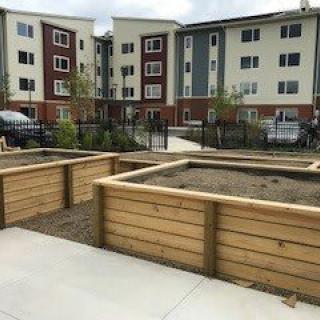
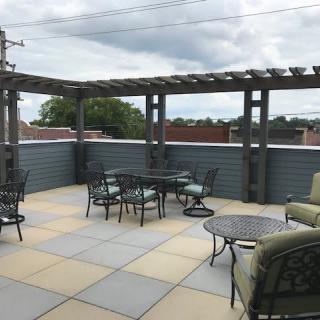
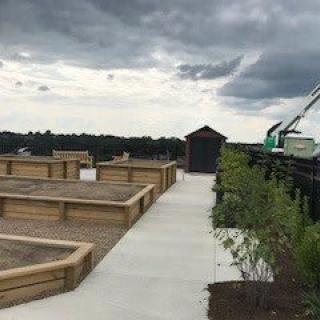
 Outdoor common areas
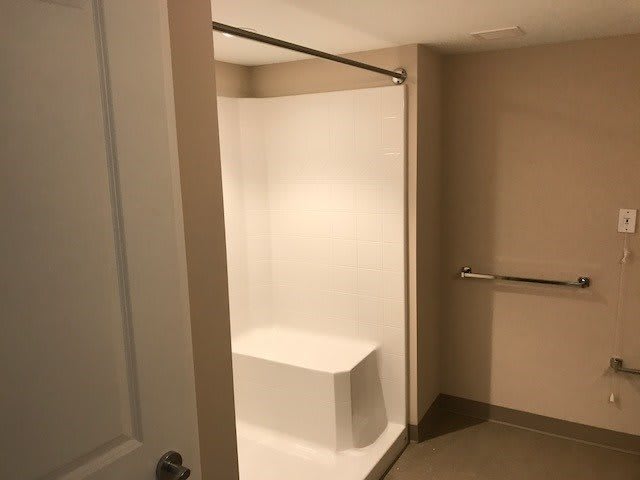
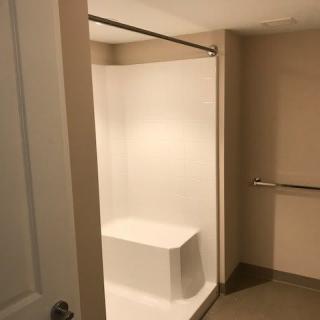
 Wheelchair accessible showers
 Pittsburgh International (15 miles away)
 Holiday parties

 Supportive Employee Benefits That Help Caregivers Attain Better Work-Life Harmony
 Top Cars for Senior Drivers and Essential Safety Innovations
 A Closer Look at Private Pay Home Care