
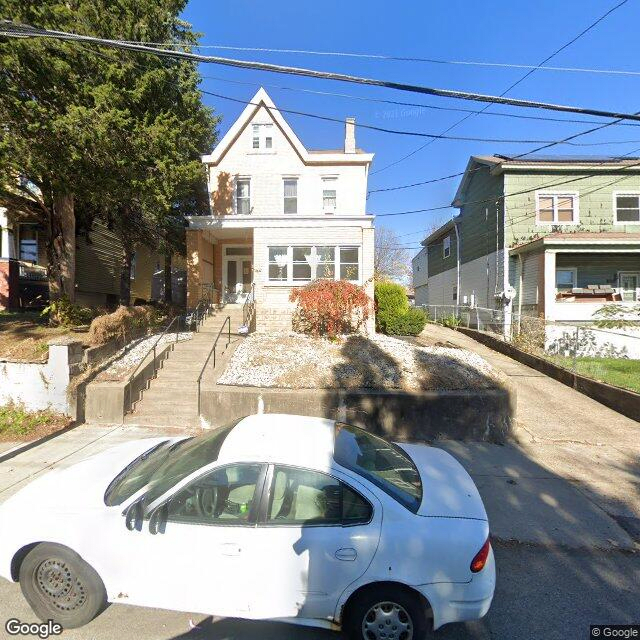
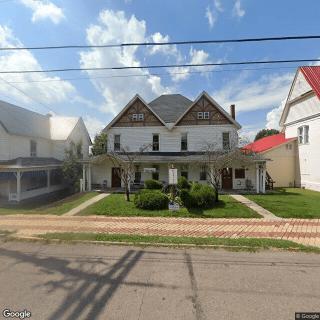
1737 Arlington Ave, Pittsburgh, PA 15210
To contact a resident: (412) 488-7486
For more information about senior living options: (866) 208-4318
Leah's Personal Care Home Costs & Pricing
Leah's Personal Care Home offers an attractive pricing model compared to the broader market in Allegheny County and across Pennsylvania. For semi-private accommodations, Leah's rate is set at $1,100 per month, which is significantly lower than the county average of $3,166 and the statewide average of $3,542. Similarly, for private rooms, Leah's cost of $1,500 stands in sharp contrast to Allegheny County's average of $3,905 and the state's average of $4,890. This compelling value makes Leah's Personal Care Home a noteworthy option for families seeking quality care without compromising their financial stability.
| Floor plans | Leah's Personal Care Home | Allegheny County | Pennsylvania |
|---|---|---|---|
| Semi-Private | $1,100 | $3,166 | $3,542 |
| Private | $1,500 | $3,905 | $4,890 |
Senior living communities with a similar price nearby
-
from +$100 / mo
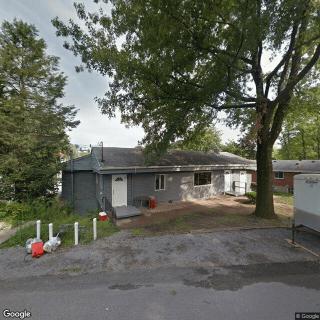
Shady Oaks Personal Care Home
$1,200 to $1,600 / month14.2 miles away -
from +$190 / mo

The Residence at Arrowood
$1,290 to $3,570 / month9.1 miles away -
from -$100 / mo

The Valley House
$1,000 / month19.9 miles away -
from -$78 / mo
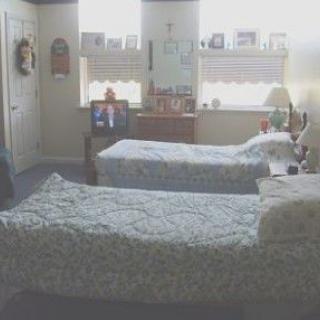
East Deer Personal Care Home
$1,022 to $1,800 / month15.9 miles away -
from +$100 / mo
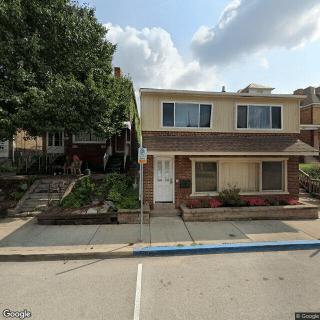
Logan Personal Care
$1,200 to $1,500 / month2.5 miles away
Overall Review of Leah's Personal Care Home
Pros
 Mrs. Norton provides outstanding, kind, and individualized care, with attentive staff.
 - Horton's Personal Care Home is a caring, compassionate environment with a family-style atmosphere and healthy meals, where residents' health has improved tremendously.
- The care at Horton's is outstanding and compassionate.
- Mrs. Horton is a pleasure to work with, delivering outstanding care in a clean, safe environment, and is highly recommended.
- Horton's Personal Care Home shows exceptional concern for each client and deep knowledge of healthy living for elders and others with disabilities, with a warm, cozy atmosphere and a nutritious meal plan.
Review
Leah's Personal Care Home is best suited for seniors who want a true home atmosphere, small, intimate, and led by an owner who is visibly hands-on. This community appeals to residents who need help with daily activities but still benefit from personalized attention rather than a large, impersonal facility. Family feedback consistently highlights individualized care delivered with warmth, steady communication, and a sense of partnership with relatives. The living space is clean and safe, and meals emphasize nutrition with thoughtful preparation. The day-to-day routine feels familiar, reducing anxiety for both residents and families and supporting steady function, mood, and recovery potential.
Those with higher medical needs or a desire for extensive programming may want alternatives. A small home typically lacks round-the-clock nursing coverage or memory-care security features, and it may offer fewer on-site therapies or activities. For residents requiring frequent wound care, injections, seizures, or other complex medical tasks, a larger community with formal nursing staff and clear escalation protocols often serves better. Families should weigh the comfort and intimacy of a home setting against the likelihood of needing more clinical oversight as needs evolve.
Key strengths include genuinely individualized care, compassionate, responsive staff, and a home-like ambiance that supports emotional well-being. This personal touch can lead to quicker responsiveness, greater attention to dietary preferences, and a stable routine that boosts appetite, sleep, and participation. The nutrition focus and safety, coupled with a warm, cozy environment, help families feel confident their loved one is not just cared for but nurtured. While the setting lacks high-acuity services, these benefits frequently translate into real improvements in daily life and peace of mind for caregivers.
For families evaluating options, practical due diligence matters as much as sentiment. Inquire about staff-to-resident ratios, coverage after hours, and how medications are managed. Ask who supervises changes in care and what medical professionals are available on-site or by referral. Review the meal planning process, dietary accommodations, and whether special diets are regularly accommodated. Observe the living spaces, cleanliness, and safety features during a tour, and confirm a clear protocol for escalating medical concerns when needed. A candid discussion about emergency procedures can prevent later surprises.
The resident profile that benefits most includes older adults who need help with activities of daily living but do not require continuous skilled nursing. Stroke survivors who gain function through steady, compassionate support and a predictable rhythm often do well in this environment. Families who value transparent communication and a tight-knit care team will find the approach reassuring. The intimate setting helps reduce isolation and fosters trust, provided expectations align with the available medical oversight and services.
Ultimately, Leah's Personal Care Home offers a practical, compassionate option for families prioritizing warmth, personalization, and nutrition-forward living. The upside, consistent attention, a calm atmosphere, and strong relationship with caregivers, frequently yields meaningful improvements in daily life. The trade-offs are the inherent limits of a small, less medically intensive setting: residents with complex clinical needs or a demand for expansive on-site therapies may fare better elsewhere. Prospective families should schedule a tour, request references, and consider a short-term stay to test fit. A careful match between resident needs and the home’s strengths will determine whether the choice delivers lasting comfort and quality of life.
 Board and Care Home
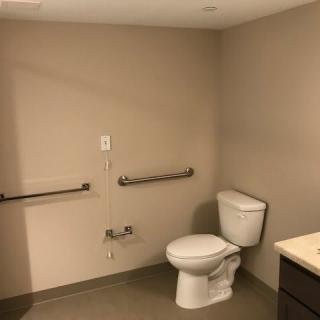
 Bath tubs
 Indoor common areas
 Private
 Pittsburgh International (14 miles away)
 Ambulatory care
 Meals provided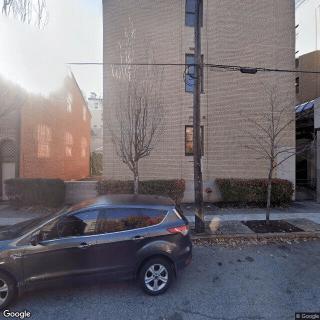




 Comprehensive Approaches for Arthritis: A Detailed Guide to Symptoms, Causes, and Care
 Comprehensive Insights and Practical Strategies to Help Older Adults Avoid Falls
 6 Crucial Ways an Elder Law Attorney Assists Families