
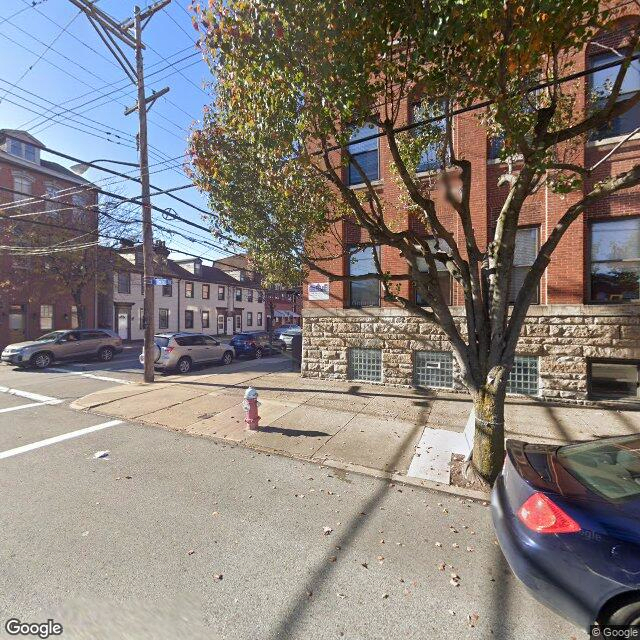
2850 East Carson Street, Pittsburgh, PA 15222
To contact a resident: (412) 481-0700
For more information about senior living options: (866) 208-4318
Overall Review of Carson Retirement Residence
Cons
 Residents were not informed about the numerous resident inspections at signing and only learned of them after living there for two weeks to three months.
- The property is not suitable for people who shower frequently due to ongoing water issues.
- The resident endured more than 11 maintenance visits and two plumbers to fix the water heater and plumbing, but hot water lasted only about five minutes before turning cold.
- The reviewer describes the place as a nightmare.
- The arrangement has the resident paying electricity and gas while management covers water.
- There is no financial saving on water from taking shorter showers.
- The walls are so thin that it feels like neighbors are living inside the home.
- Even with bedrooms on the top floor, sounds of neighbors walking overhead are audible.
- The dumpsters and mailboxes are located behind the living area, requiring a circular walk around other homes to reach them.
- Living there is described as one of the worst mistakes a person can make.
Review
Carson Retirement Residence’s Sarah Street Townhomes in Pittsburgh is best suited for genuinely independent seniors who want a private, townhome-style living environment and can operate with a lean level of on-site support. This is a residence where residents manage most daily tasks themselves and where a sense of home-like privacy comes first, rather than a high-touch assisted-living model. For those who expect consistent, proactive maintenance, fully disclosed lease terms, robust on-site help, and excellent sound control, alternatives will usually serve better. This community can work for someone who prioritizes autonomy, predictable monthly costs around utilities, and a do-it-yourself ethos, but it is not ideal for anyone seeking steady staff availability, frequent oversight, or modernized infrastructure.
Feedback from the two reviews is clearly polarized, underscoring a meaningful trade-off. One resident offers a five-star perspective, implying that the setup can meet the needs of a subset of residents who value independence and tolerable, if imperfect, systems. The other review paints a starkly different picture: undisclosed resident inspections surfaced after moving in, recurring plumbing problems that left hot water limited to a few minutes before dropping to cold, and repeated visits from maintenance personnel and plumbers without delivering durable fixes. The same account notes walls so thin that upstairs activity intrudes on sleep, and a practical layout issue, the dumpsters and mailboxes being positioned behind the living area, forcing a circular trek for routine tasks. Taken together, the feedback signals a risk-reward dynamic that must be weighed carefully.
The main cons cluster around transparency, reliability, and living comfort. The most serious concern is the failure to disclose certain lease-related inspections at the outset, which creates a sense of misrepresentation and can strain trust between resident and management. Plumbing and hot-water reliability emerge as recurring headaches, with multiple technicians visiting and no lasting resolution in sight. Such maintenance churn erodes the everyday comfort of living there and can turn simple routines into stress points. Add in the pervasive noise from thin walls and the awkward traffic pattern for basic chores (mail and trash access) and the living experience slides from acceptable to frustrating for anyone who values calm, predictable daily life. These are not isolated annoyances; they shape the core quality of residence life.
Yet the apparent positives are not entirely negligible. The independence angle remains a clear pro: residents who can function with limited on-site oversight will likely appreciate a residence that feels more like a standalone home than a typical apartment complex. The water utility is listed as managed by the community, which can translate into lower personal utility administration and a simpler bill, an advantage for budget-conscious seniors who are not comfortable managing multiple utility accounts. For a resident who has the time and inclination to coordinate repairs and tolerate some inconvenience, the upside is a degree of autonomy and a home-like footprint that can be appealing. The critical question is whether these advantages balance the persistent mechanical issues and the perception of opaqueness around lease clauses.
Prospects for improvement hinge on concrete, targeted changes, and prospective residents should come armed with a precise set of questions and observations. Before moving in, demand a clear, written disclosure of every inspection or inspection-type requirement tied to the lease, including how often inspections occur, who conducts them, and what remedies follow non-compliance. Verify the policy on hot-water service and the typical timeline for repair after a reported failure; insist on a commitment to a repair window and updates when a problem is escalated. Conduct a live test of sound insulation during different times of day and night, and request a tour of the full route to the dumpsters and mail collection to assess whether the layout truly fits one’s tolerance for routine activity near living spaces. Finally, confirm exactly which utilities are included and which are not, and obtain a sample bill to compare against anticipated costs.
The practical conclusion is straightforward. Carson Retirement Residence’s Sarah Street Townhomes are a viable option for seniors who prize independence, can absorb occasional maintenance friction, and value the potential savings from bundled water utilities. They are not the right fit for residents who require steady, responsive service, a meticulously transparent lease, or superior sound privacy. For families evaluating this option, the best move is to insist on clarity: force a candid discussion about inspections, a guaranteed maintenance response plan, and a realistic timetable for fixes. If those assurances cannot be obtained, or if the daily rhythm of the building feels too unsettled, alternatives that deliver stronger on-site support, clearer disclosures, and quieter, more intuitive layouts should be pursued. In other words, this community serves a niche: dependable self-reliance paired with tolerance for imperfect systems; others should look elsewhere for a more hands-on, predictable, and quieter living environment.
 Active Adult Communities (55+)
 Activities off-site
 Devotional services off-site
 Indoor common areas
 Outdoor common areas
 Pittsburgh International (15 miles away)
 Meals provided
 Affordable pricing compared to local county and state averages.


 Comprehensive Guide to Medicare Coverage for Hospice Care
 Caring for Those Who Care: Recognizing, Understanding, and Overcoming Caregiver Burnout
 Caregiver Exhaustion: Recognizing the Signs and Restoring Your Well-Being