
P O B 6363 528 30 Pressley Street, Pittsburgh, PA 15212
For more information about senior living options: (866) 208-4318
Overall Review of Henderson House
Cons
 The stay was overpriced for what was provided, with $1,500 charged for a single room.
- The common areas were cramped and offered few amenities.
- The food was very poor, consisting mostly of instant meals or canned items.
- An extra fee was required to have air conditioning.
- There was a bed bug infestation in the house during the stay, and the bugs reportedly followed the guest home.
- Getting rid of the bed bugs cost nearly $1,000.
- The overall experience was awful.
Review
Henderson House in Pittsburgh is best suited for seniors who can tolerate a no-frills setting and are prepared to accept higher-than-usual pricing for a compact living arrangement. The layout appears to emphasize a single-room footprint with limited, modest common spaces and amenities, which makes it less appealing to residents who expect generous social areas or a broad range of on-site services. Families facing limited nearby alternatives may consider Henderson House if the priority is straightforward, quiet living and the resident is comfortable with paying separate charges for items typically included elsewhere, such as climate control. In essence, Henderson House serves a niche: a basic, low-fuss residence that nonetheless commands a premium price, with meaningful caveats on value and experience.
Alternatives to consider are communities that offer larger, more inviting common areas, robust dining options, and bundled climate comfort, along with transparent pricing that includes essential comforts. If meals rely on fresh, varied options rather than instant or canned fare, or if air conditioning is treated as a standard included amenity rather than an upcharge, other Pittsburgh-area options are likely to deliver better day-to-day quality. For families where pest-free environments, predictable maintenance, and consistent service levels are non-negotiable, an independent comparison should be conducted, focusing on meal plans, room sizes, and what is included in the base rate versus optional add-ons.
Still, some residents left positive marks, with two five-star reviews indicating that Henderson House can deliver satisfaction in specific circumstances. Those high ratings suggest there are perceived advantages, potentially related to atmosphere, staff responsiveness, or compatibility with particular care needs, that resonate with certain residents and families. The lack of detailed substantiation in available feedback makes those advantages hard to quantify, but the existence of favorable opinions cannot be dismissed outright. Prospective movers should seek direct anecdotes during tours, especially from current residents who share how care, dining, and daily life are actually experienced on a typical day.
The weight of the negatives is substantial. A single-room charge around $1,500, combined with cramped common areas and a dining program described as poor, creates a value gap that is difficult to justify for many families. The need to pay extra for air conditioning adds another layer of cost volatility, undermining budgeting predictability. The bed bug incident compounds the concern, turning a health and safety red flag into a financial headache for residents and families, with cleanup costs approaching $1,000. Taken together, these factors form a compelling case that Henderson House often falls short of expectations for comfort, convenience, and value.
Whether the pros can offset these drawbacks depends on personal priorities, but the balance tips toward caution for most decision-makers. The reliability of amenities, the consistency of dining quality, and the absence of pest-related disruptions carry more weight than any positive anecdotes when evaluating senior living options. The bed bug episode is especially consequential, as it signals potential lapses in preventive maintenance and overall environment control. In decisions where peace of mind and predictable budgeting are critical, Henderson House’s current profile reduces it to a riskier choice, unless a tour reveals a different, more favorable reality.
For families moving toward a decision, a practical playbook is essential. Request current sample menus and confirm what meals include and how substitutions are handled. Demand a transparent breakdown of every fee, especially climate-control charges, and insist on a written policy for any add-ons that affect monthly cost. Inspect room size and layout in person, verifying that the space provides adequate living area for furniture, mobility needs, and personal belongings. Review pest-control history and ask for recent inspection records, warranties on continuous upkeep, and a plan for rapid remediation should issues arise. If those assurances cannot be obtained or if the price-to-value equation remains unappealing, explore other communities that demonstrate more consistent quality, better dining, and a cleaner, more comfortable environment.
 25 resident community capacity
 Assisted Living
 Beauty salon
 Cable or satellite TV
 Dining room
 Fully furnished
 Garden
 Housekeeping services
 Kitchenette
 Move-in coordination
 Outdoor space
 Restaurant-style dining
 Small library
 Telephone
 Wi-Fi/high-speed internet available
 Pittsburgh International (13 miles away)
 24-hour call system
 Activities of daily living assistance
 Assistance with bathing
 Assistance with dressing
 Assistance with transfers
 Diabetes diet
 Medication management
 Mental wellness program
 Special dietary restrictions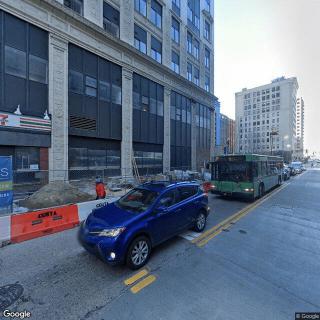
 Strong access to healthcare, dining, parks, and transit nearby.




 Medicare Coverage for Assisted Living: An In-Depth Exploration
 Choosing the Right Senior Care: A Detailed Exploration of Assisted Living and Nursing Homes
 Understanding the True Cost of Assisted Living in 2025: A Comprehensive Guide