Some reviewers describe the building as unclean or unpleasant to be in.
A handful of reviews call out cleanliness problems, from strong odors to reports of filthy or run-down conditions. Several of these comments also mention unsafe or neglected care situations alongside the cleanliness concerns. There are also a few positive remarks about the facility smelling good and looking clean, but the negative cleanliness feedback is recurring enough to be worth weighing.
common5 reviews mention this
Activities are a visible part
Residents and families mention community activities and engagement during visits.
Reviewers describe staff-run or resident-involved activities that are noticeable during tours and visits. One review specifically highlights the activities department working on an event setup, while another points to an activity calendar on site and group activities residents enjoy. Families also mention special events like celebrating holidays with residents and ongoing leisure activities as part of life there.
common4 reviews mention this
Communication and transparency matter
Multiple reviewers emphasize clear communication during care.
Some families report being kept informed and involved, describing communication and transparency as a standout part of their experience. A couple of reviews mention timely updates and open communication as the difference-maker during a loved one’s care. Others also describe having a direct way to reach the nursing team with questions and concerns.
common4 reviews mention this
Individualized care plans stand out
Reviewers frequently mention individualized attention to needs.
Several reviews highlight care plans paying close attention to details and focusing on a person’s specific preferences. Families also describe the approach as personalized, with staff working around individual needs rather than using a one-size-fits-all plan. A related theme is dignity and respect, which reviewers connect to the way care is organized and delivered.
common2 reviews mention this
Location and grounds get praise
A few reviewers cite the community’s location and grounds.
Some reviewers mention the grounds and overall setting as a positive factor, including comments about the beauty of the area. Others also describe the community as easy to get to from home, making visits more manageable. These points come through alongside their overall experience with care and daily life.
How we summarize
Counts show how many written reviews mention each theme; a review can touch several themes, and only frequently mentioned themes are displayed.
Features
Housing
38 resident community capacity
Types of Care
Assisted Living
Respite Care
Amenities
Beauty salon
Cable or satellite TV
Dining room
Fully furnished
Garden
Housekeeping services
Kitchenette
Move-in coordination
Outdoor space
Restaurant-style dining
Small library
Telephone
Wi-Fi/high-speed internet available
Transportation
Pittsburgh International (17 miles away)
Care Services
24-hour call system
24-hour supervision
Activities of daily living assistance
Assistance with bathing
Assistance with dressing
Assistance with transfers
Diabetes diet
Meal preparation and service
Medication management
Mental wellness program
Special dietary restrictions
Dining
Diabetes diet
Special dietary restrictions
Activities
Community-sponsored activities
Resident-run activities
Scheduled daily activities
Nearby Places of Interest
Restaurants
East End Brewing Company (0.2 miles)
McDonald's (1 miles)
5801 Video Lounge & Cafe (1.2 miles)
Primanti Bros. Restaurant and Bar Penn Ave (1.3 miles)
Spork (1.4 miles)
Wendy's (1.5 miles)
D's Six Pax & Dogz (2.1 miles)
Cafes
Bakery Square (0.5 miles)
Redstart Roasters (1 miles)
Arriviste Coffee Bar (1.2 miles)
Starbucks (2.1 miles)
Panera Bread (2.2 miles)
Trace Brewing (2.4 miles)
The Abbey on Butler Street (2.8 miles)
Places of Worship
Calvary Episcopal Church (0.8 miles)
First Presbyterian Church of Edgewood (2.2 miles)
Pharmacies
Walgreens (1 miles)
Walgreens (1.2 miles)
Stanton Negley Drug Company (1.2 miles)
Rite Aid (1.4 miles)
CVS Pharmacy (1.5 miles)
CVS Pharmacy (1.6 miles)
Rite Aid (1.7 miles)
Hospitals
Southwestern Veterans Center (1.4 miles)
Hillman Cancer Center (1.8 miles)
Western Pennsylvania Hospital labor and delivery (2 miles)
Western Pennsylvania Hospital (2 miles)
St Margaret's Hospital Emergency Department (2.1 miles)
Department of Radiology (2.2 miles)
UPMC Children's Hospital of Pittsburgh (2.4 miles)
Physicians
Bellissimo Plastic Surgery & Medi Spa (1.6 miles)
Aiken Medical Building (1.6 miles)
Western Psychiatric Institute and Clinic of UPMC (2.9 miles)
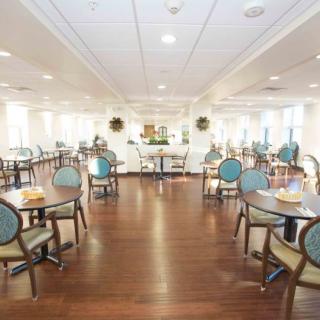
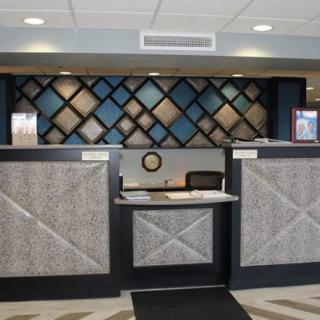
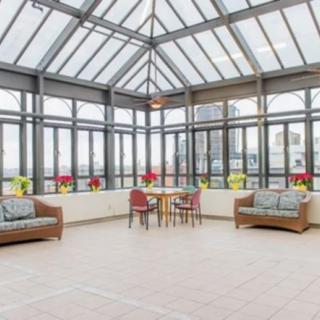
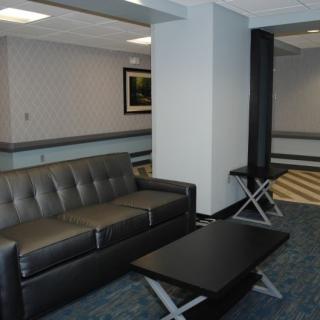
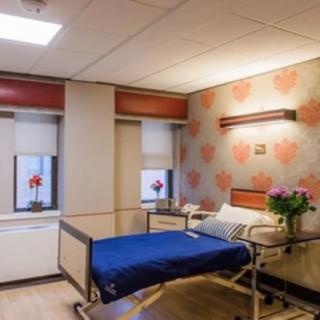
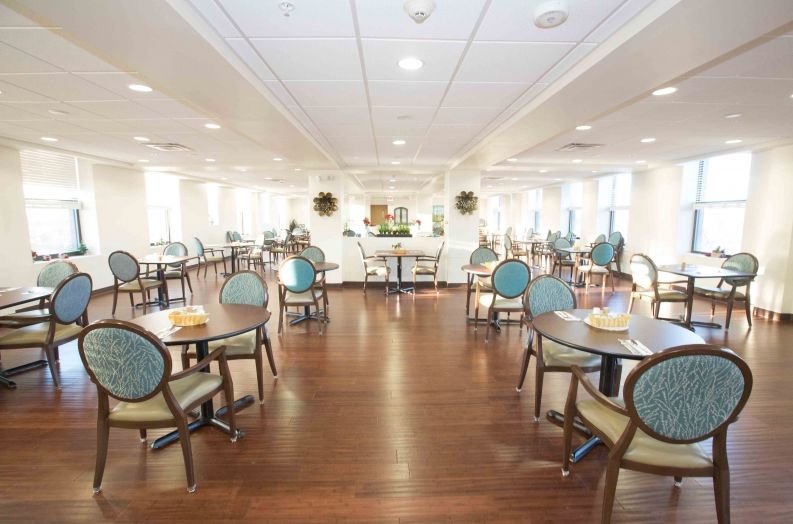
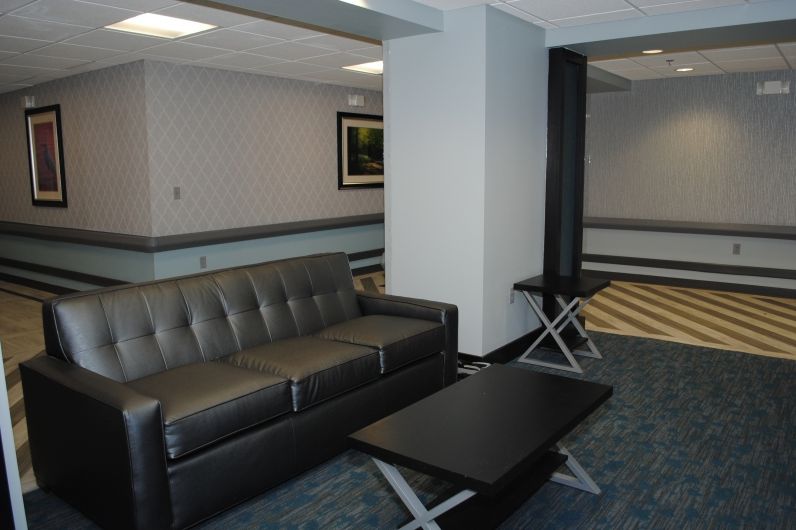
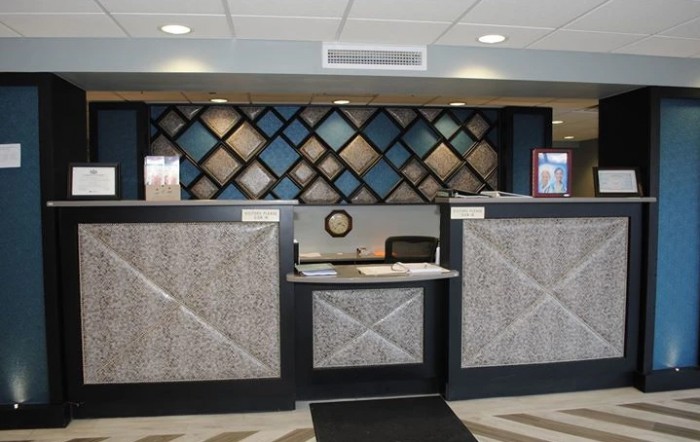
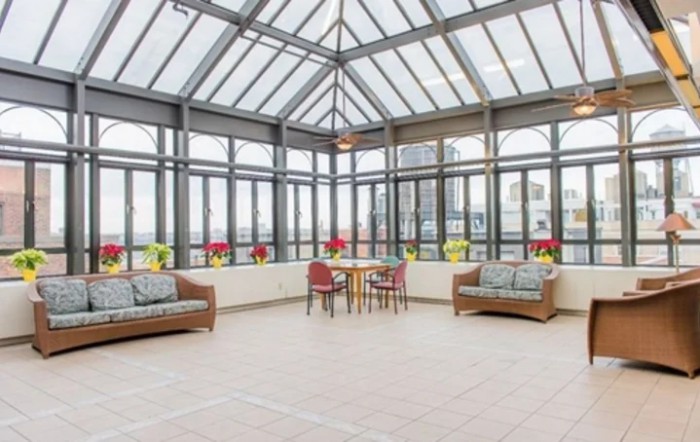
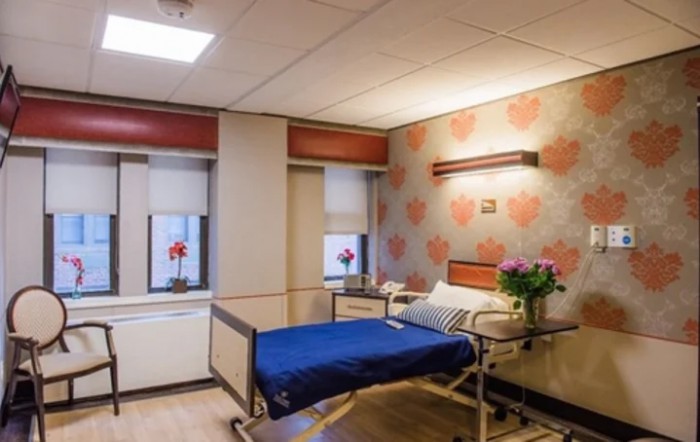
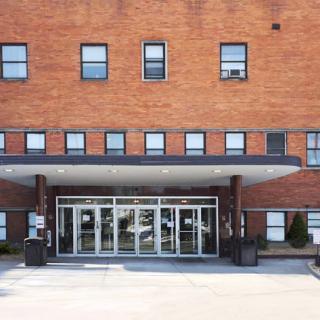
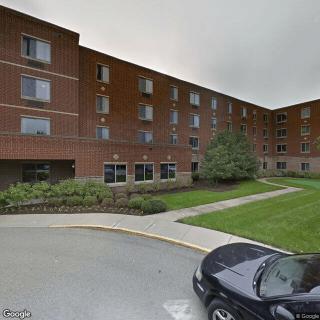
Forbes Road Residence on seniors.fyi includes 5 photos including images showing interior, dining, lobby, reception desk, decor, windows, natural light, healthcare, and more.
Nearby Communities
St James Deaconess Home
Pittsburgh, PA
Specialized diabetic care and devotional services with comfortable indoor spaces and nearby amenities.
Autumn Lane Personal Care Home Of Bellevue
Pittsburgh, PA
Small, personalized board-and-care with 24/7 supervision and daily activities.
Homewood House
Pittsburgh, PA
3.4 from 5 reviews
$3,425 / month
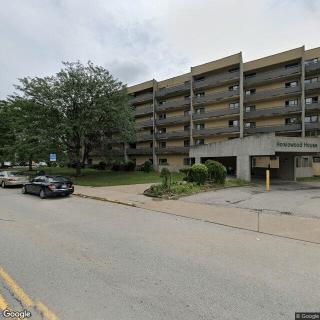
Diabetes-focused care with affordable private-room pricing and easy access to numerous local amenities.
Vets Home
Pittsburg, PA
Specialized diabetic and assisted living care with on-site activities and meals.
St Francis Nursing Ctr
Pittsburgh, PA
2.2 from 44 reviews
Strong access to nearby dining, pharmacies, parks, and healthcare.
Highland Park Care Center
Pittsburgh, PA
2.3 from 47 reviews
Caring staff, clean facilities, and engaging resident activities.
Village At Pennwood
Pittsburgh, PA
3 from 2 reviews
Clean facility with attentive staff and good family communication.
Squirrel Hill Wellness And Rehabilitation Center
Pittsburgh, PA
2.6 from 110 reviews
Attractive facility with some attentive staff (e.g., speech therapy) and a broad range of amenities.
Lighthouse Pointe at Chapel Harbor
Pittsburgh, PA
4.4 from 33 reviews
Pleasant riverfront setting with varied activities, multiple apartment options, and friendly, accommodating staff.
Assisted living provides moderate support for seniors seeking independence, while memory care offers specialized support for individuals with dementia or cognitive impairments through structured routines and trained staff. Key differences include care approaches, environment security measures, staff training levels, activity types, and cost considerations.
Assisted living communities offer diverse activities beyond traditional games to enhance seniors' physical health, cognitive well-being, emotional enrichment, and social connections, including fitness classes, creative expression, and intergenerational interactions. These enriching programs foster community bonds and support residents' independence and happiness.
The article differentiates between assisted living and memory care, explaining that assisted living supports seniors with daily activities while promoting independence, whereas memory care provides specialized services for individuals with dementia, focusing on secure environments and cognitive support. It also addresses staff training, safety considerations, costs, family involvement, and transition strategies for families navigating these care options.
Get PricingAsk A QuestionSchedule A TourContact Senior Advisor
By clicking submit, you agree to our Partner's Terms of Use. You
also consent to receive calls and texts, which may be autodialed, from our Partner. Your consent is not a condition to
using our Partner's service. Please visit our Partner's Privacy Policy for information about their privacy practices.

 38 resident community capacity
 Assisted Living
 Respite Care
 Beauty salon
 Cable or satellite TV
 Dining room
 Fully furnished
 Garden
 Housekeeping services
 Kitchenette
 Move-in coordination
 Outdoor space
 Restaurant-style dining
 Small library
 Telephone
 Wi-Fi/high-speed internet available
 Pittsburgh International (17 miles away)
 24-hour call system
 Activities of daily living assistance
 Assistance with bathing
 Assistance with dressing
 Assistance with transfers
 Diabetes diet
 Medication management
 Mental wellness program
 Special dietary restrictions
 Specialized diabetic care and devotional services with comfortable indoor spaces and nearby amenities.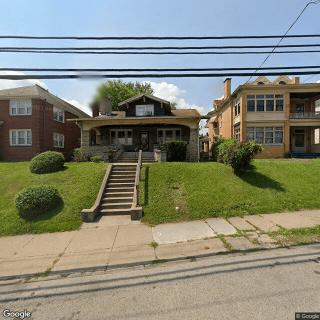


 Assisted Living and Memory Care: Understanding Their Core Differences
 Beyond the Bingo Hall: 50+ Enriching Activities for Seniors in Assisted Living
 Understanding the Distinctions: Assisted Living and Memory Care Explained