At Spring Mill, the monthly costs for accommodations reflect a premium experience compared to both Montgomery County and Pennsylvania as a whole. For instance, the price of a studio at Spring Mill is $5,075, significantly higher than the county average of $4,393 and the state figure of $3,737. Similarly, semi-private rooms are priced at $6,435, outpacing both local and state comparisons by over $1,800 and $2,893 respectively. The trend continues with one-bedroom units at $6,960 and two-bedroom options at $7,965, which are also above their counterparts in Montgomery County and Pennsylvania. This pricing structure illustrates Spring Mill's commitment to offering an elevated living experience amidst competitive alternatives in the region.
Floor plans
Spring Mill
Montgomery County
Pennsylvania
Studio
$5,075
$4,393
$3,737
Semi-Private
$6,435
$4,587
$3,542
1 Bedroom
$6,960
$4,619
$4,006
2 Bedrooms
$7,965
$4,962
$4,242
Memory care communities with a similar price nearby
Residents and families describe staff as caring, welcoming, and responsive to concerns.
Across many reviews, families and visitors emphasize how staff treat residents with kindness and attention. Several reviewers describe clear responsiveness when problems come up and a generally supportive tone from the front desk through the care team. A few residents also describe feeling safer and more comfortable once care needs are being managed on-site, while others say communication is top notch after move-in.
common20 reviews mention this
Food and dining experience
Food is a frequent bright spot, with residents and visitors praising meals.
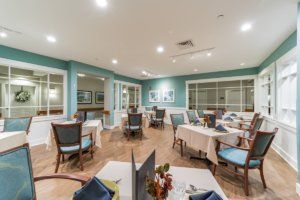
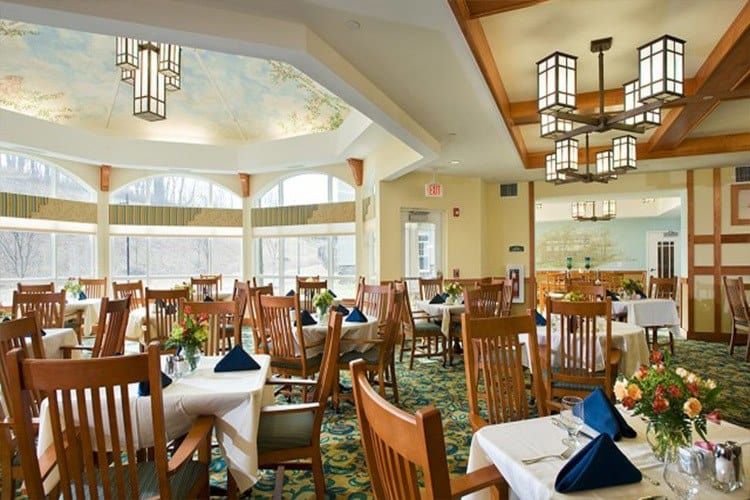
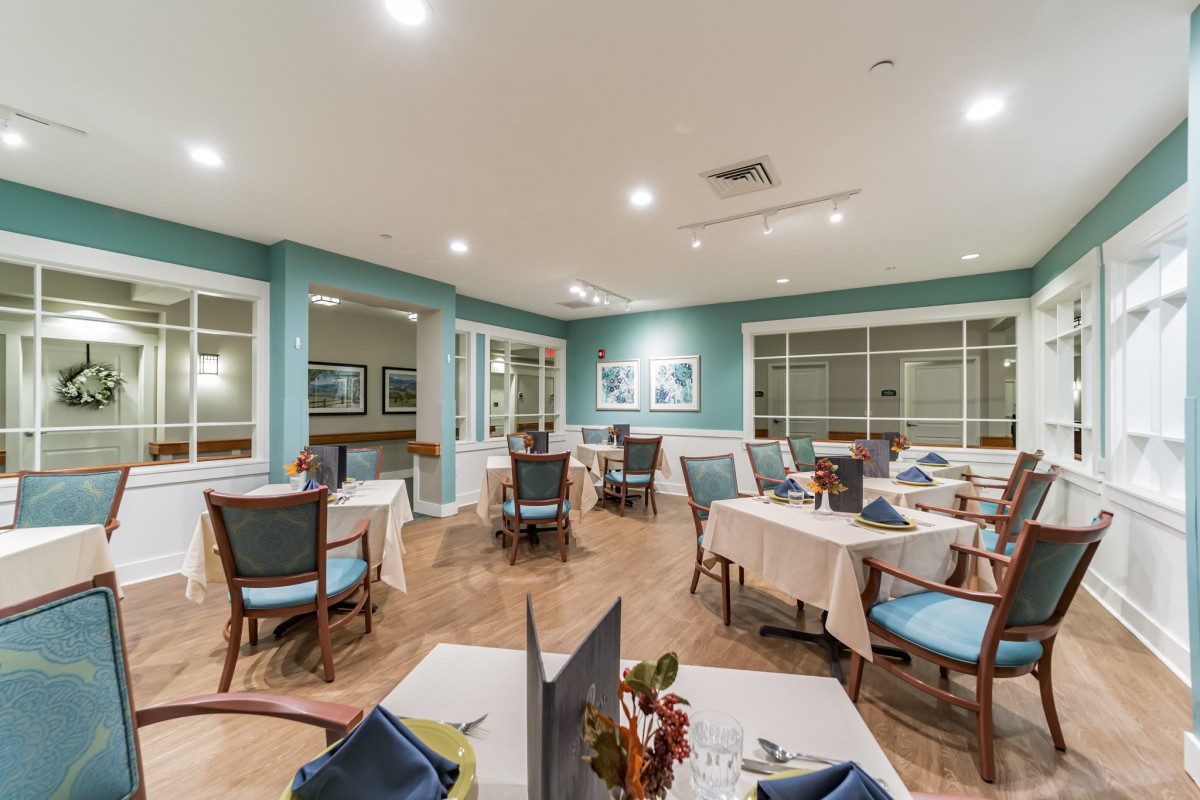
Dining comes up repeatedly, with reviewers describing the food as good to excellent and mentioning regular chances to eat together. Some reviews specifically call out the appeal of meals and snacks, and a few mention enjoying dining spaces like patios or eating in the dining area. There are also occasional concerns about meal variety and meeting specific diet needs, which shows dining can vary by situation.
common24 reviews mention this
Activities keep residents engaged
Many reviews describe a schedule of activities that keeps residents active and social.
A common theme is that residents appear engaged, with reviewers pointing to events, outings, and day-to-day programming. Several reviews mention religious services, music, classes, and resident-friendly community events that create a social atmosphere. A smaller set of reviews raises concerns about limited activities or understaffing affecting engagement at certain times.
caveat6 reviews mention this
Pricing feels high and changes
Some families say the community is expensive and pricing can shift after move-in.
While many reviews focus on care quality, several address cost directly. Reviewers mention that the community is pricier than expected, including concerns about pricing being restructured and charges increasing after decisions were made. A few also describe confusion about what was agreed to versus what was billed or provided, which adds to the overall concern about value.
caveat10 reviews mention this
Staffing and communication can slip
Some reviews report staffing gaps and difficulty getting timely support.
A clear caveat in the reviews is variability around staffing levels and follow-through. Several negative reviews describe difficulty reaching staff, delays in responding, or care falling short during busy periods, including mentions of inadequate help during daily needs. Others counter with more positive experiences, so the overall pattern suggests families’ experiences may depend heavily on timing and the level of support required.
How we summarize
Counts show how many written reviews mention each theme; a review can touch several themes, and only frequently mentioned themes are displayed.
Features
Housing
98 resident community capacity
1-bedroom apartments
2-bedroom apartments
Studio apartments
Types of Care
Assisted Living
Memory Care
Pets
Cats allowed
Dogs allowed
Amenities
Activities off-site
Activities on-site
Air-conditioning
Beautician on-site
Beauty salon
Cable or satellite TV
Computer center
Devotional services off-site
Devotional services on-site
Dining room
Fitness room
Fully furnished
Gaming room
Garden
Ground floor units
Handicap accessible
Housekeeping services
Indoor common areas
Kitchenette
Move-in coordination
Outdoor common areas
Outdoor space
Private bathrooms
Respite or short term stays offered
Restaurant-style dining
Small library
Telephone
Wellness center
Wheelchair accessible showers
Wi-Fi/high-speed internet available
Transportation
Philadelphia International (25 miles away)
Community operated transportation
Transportation arrangement
Transportation arrangement (non-medical)
Transportation to doctors appointments
Care Services
12-16 hour nursing
24-hour call system
24-hour supervision
Activities of daily living assistance
Ambulatory care
Assistance with bathing
Assistance with dressing
Assistance with transfers
Coordination with health care providers
Dementia waiver
Diabetes diet
Diabetic care
High acuity care
Hospice waiver
Incontinence care
Meal preparation and service
Medication management
Mental wellness program
Mild cognitive impairment
Special dietary restrictions
Specialized memory care programming
Transportation arrangement (medical)
Transportation to doctors appointments
Dining
Anytime dining
Diabetes diet
Gluten-free
Guest meals
Low / no sodium
Meals provided
No Sugar
Professional chef
Restaurant style dining
Special dietary restrictions
Special dining programs
Vegetarian
Activities
Art classes
Catholic services
Community-sponsored activities
Concierge services
Cooking classes
Day trips and outings
Devotional activities offsite
Devotional activities on-site
Educational speakers / life long learning
Fitness programs
Live well programs
Planned day trips
Protestant services
Resident-run activities
Scheduled daily activities
Visiting chaplain or priest
Wine tasting
Videos
Nearby Places of Interest
This area of Phoenixville, Pennsylvania, offers a variety of amenities and services that cater to senior living. With multiple restaurants such as O' Grady's Family Restaurant and Sedona Taphouse nearby, residents can enjoy convenient dining options. Additionally, there are several pharmacies including CVS Pharmacy and Rite Aid, ensuring easy access to medications and healthcare supplies. For medical needs, there are reputable physicians like Dr. Solis's Office and Rothman Orthopaedics within a short distance. In case of emergencies, Phoenixville Hospital is conveniently located just 3 miles away. The area also provides opportunities for recreation with parks like Upper Schuylkill Valley Park and Wilson Farm Park in close proximity. Overall, this part of Phoenixville offers a comfortable and convenient lifestyle for seniors with its diverse range of amenities and services.
Restaurants
O' Grady's Family Restaurant (1.8 miles)
Taco Bell (2.1 miles)
McDonald's (2.1 miles)
Sedona Taphouse (3.2 miles)
Cedar Hollow Inn Restaurant & Bar (4.4 miles)
Alex's Tavern (4.9 miles)
McDonald's (5.3 miles)
Pharmacies
CVS Pharmacy (1.9 miles)
Rite Aid (2 miles)
Walgreens (2.4 miles)
Gateway Pharmacy (3 miles)
CVS Pharmacy (4 miles)
Endo Pharmaceuticals (4.4 miles)
Rite Aid (5.1 miles)
Physicians
Dr Solis's Office (2.9 miles)
Phoenixville Valley Forge Dermatology Associates (4.6 miles)
All Star Pediatrics (6 miles)
Rothman Orthopaedics (6.4 miles)
Pma Medical Specialists (6.5 miles)
Main Line Center For Oral & Facial Surgery (6.7 miles)
At Spring Mill, the monthly costs for accommodations reflect a premium experience compared to both Montgomery County and Pennsylvania as a whole. For instance, the price of a studio at Spring Mill is $5,075, significantly higher than the county average of $4,393 and the state figure of $3,737. Similarly, semi-private rooms are priced at $6,435, outpacing both local and state comparisons by over $1,800 and $2,893 respectively. The trend continues with one-bedroom units at $6,960 and two-bedroom options at $7,965, which are also above their counterparts in Montgomery County and Pennsylvania. This pricing structure illustrates Spring Mill's commitment to offering an elevated living experience amidst competitive alternatives in the region.
The features at Spring Mill are meticulously designed to create a supportive and nurturing environment for residents facing the challenges of dementia and Alzheimer's disease. With 24-hour supervision, residents are continuously monitored, ensuring their safety and immediate assistance when needed. Help with activities of daily living, such as bathing and dressing, helps maintain dignity while promoting independence; this is essential for individuals in varying stages of cognitive decline. The coordination with healthcare providers optimizes medical care tailored to each resident's unique needs, while medication management ensures adherence to prescribed treatments. Specialized memory care programming engages residents cognitively and socially, fostering mental wellness through carefully crafted activities that cater to mild cognitive impairment. Incontinence care and meal preparation further enhance quality of life by addressing essential bodily functions and nutrition requirements with sensitivity. Transportation arrangements facilitate medical appointments, providing seamless access to healthcare services, all within an environment equipped specifically for dementia care.
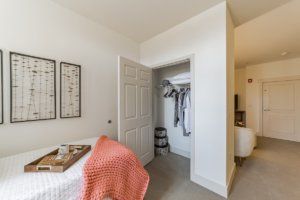
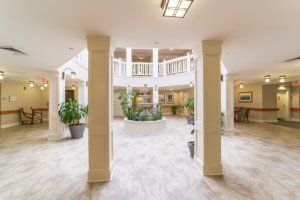
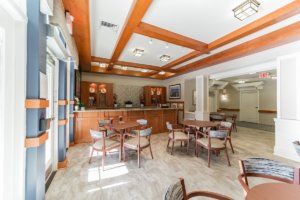
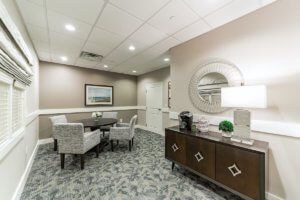
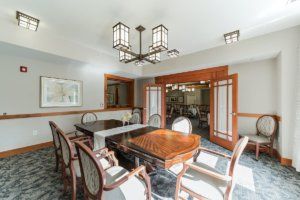
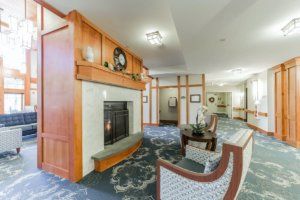
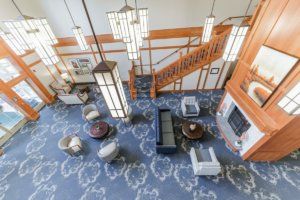
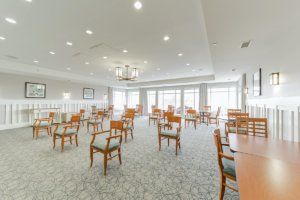
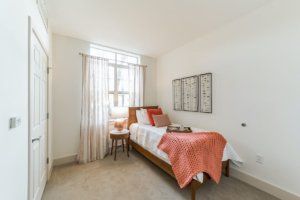
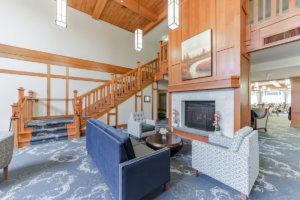
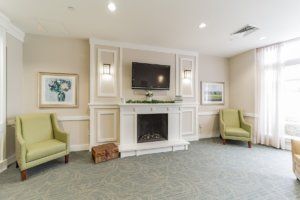
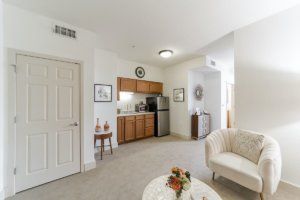
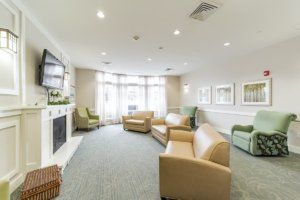
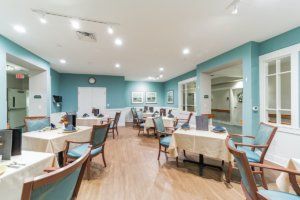
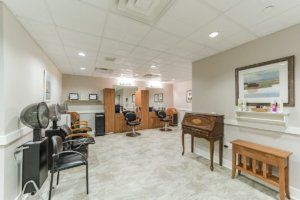
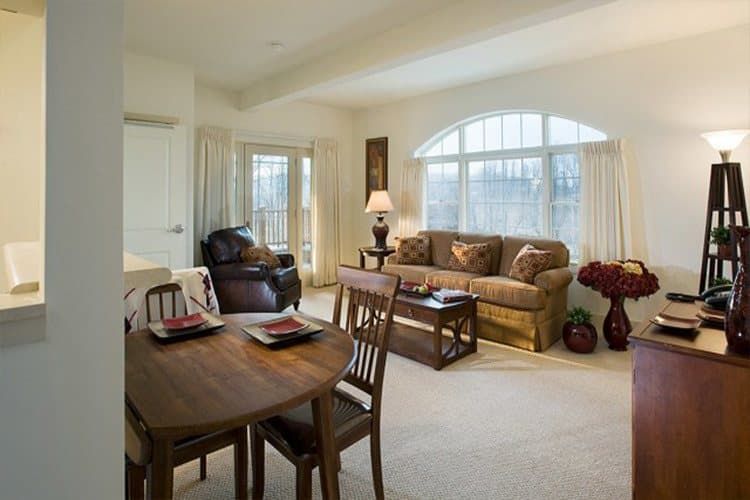
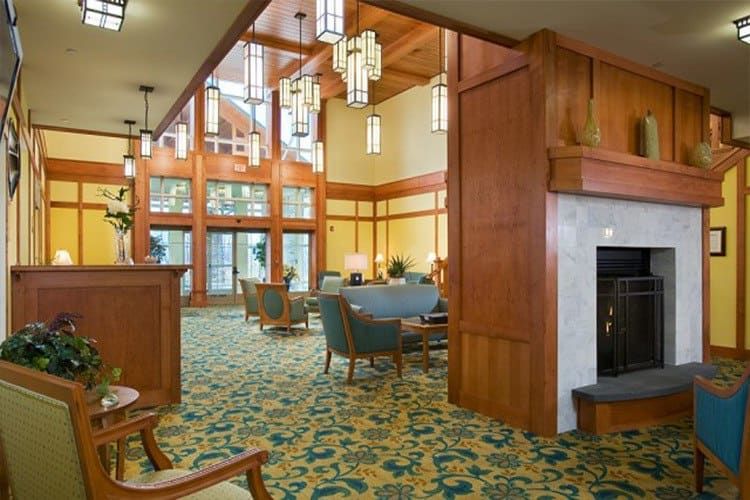
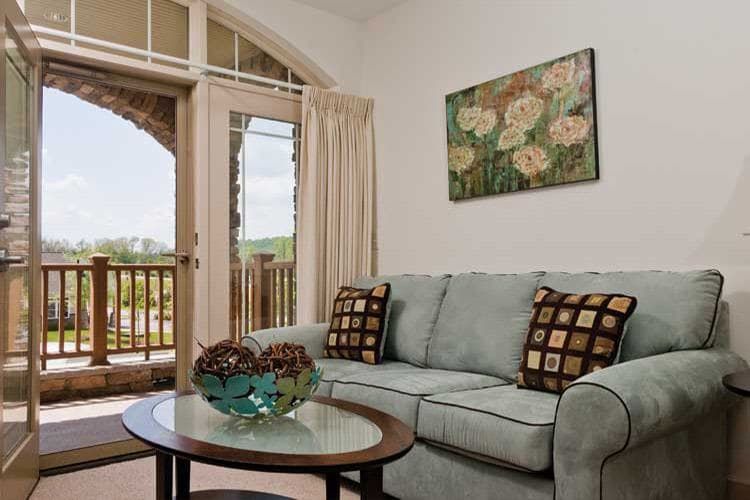
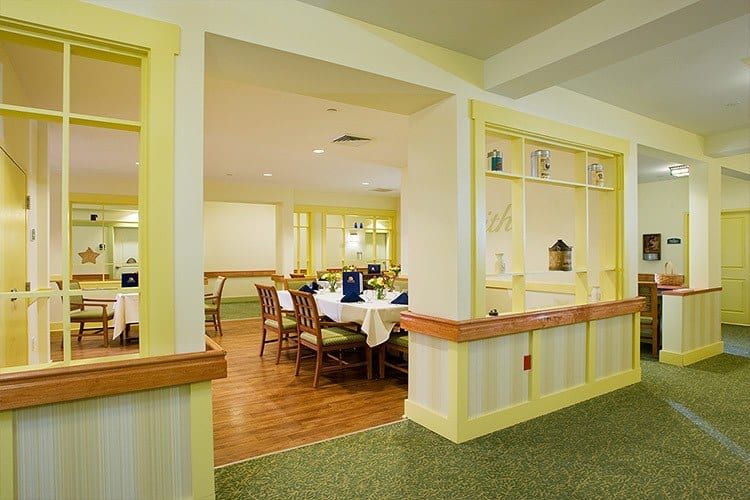
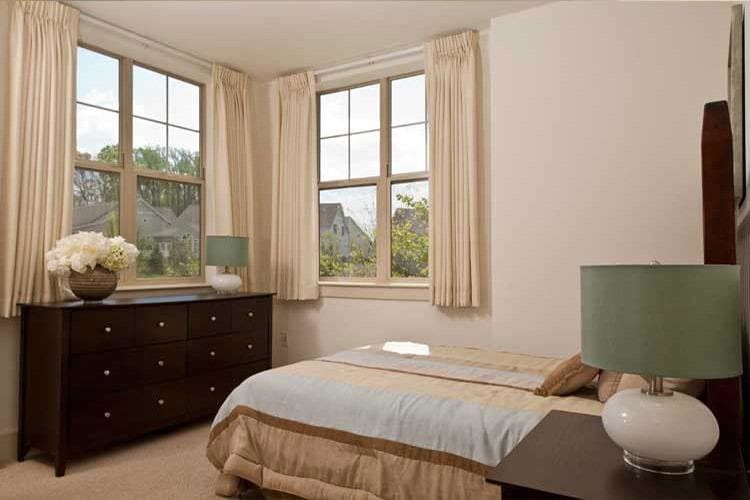
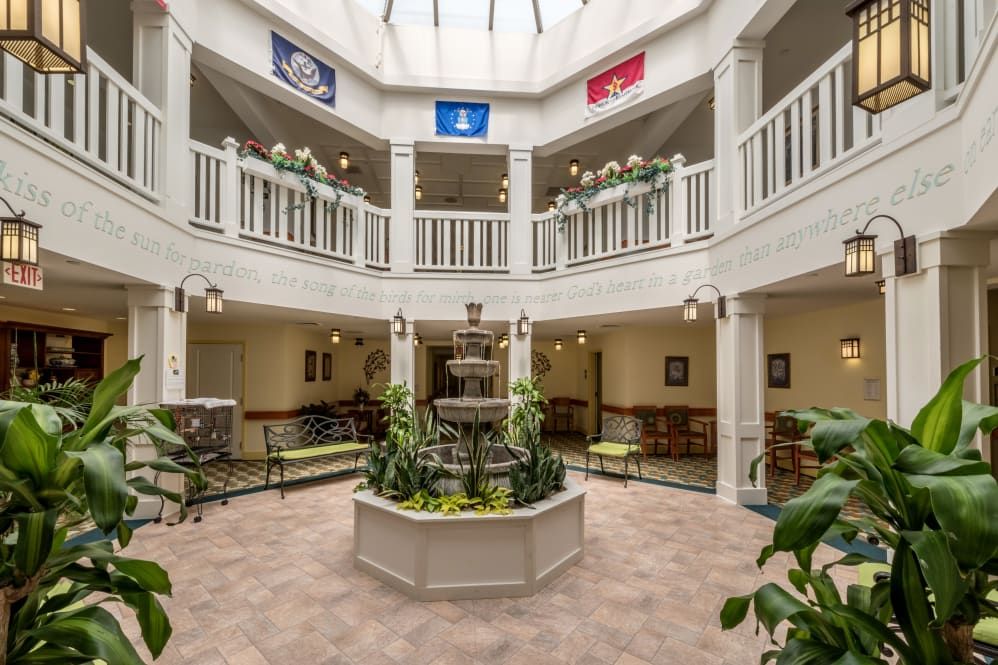
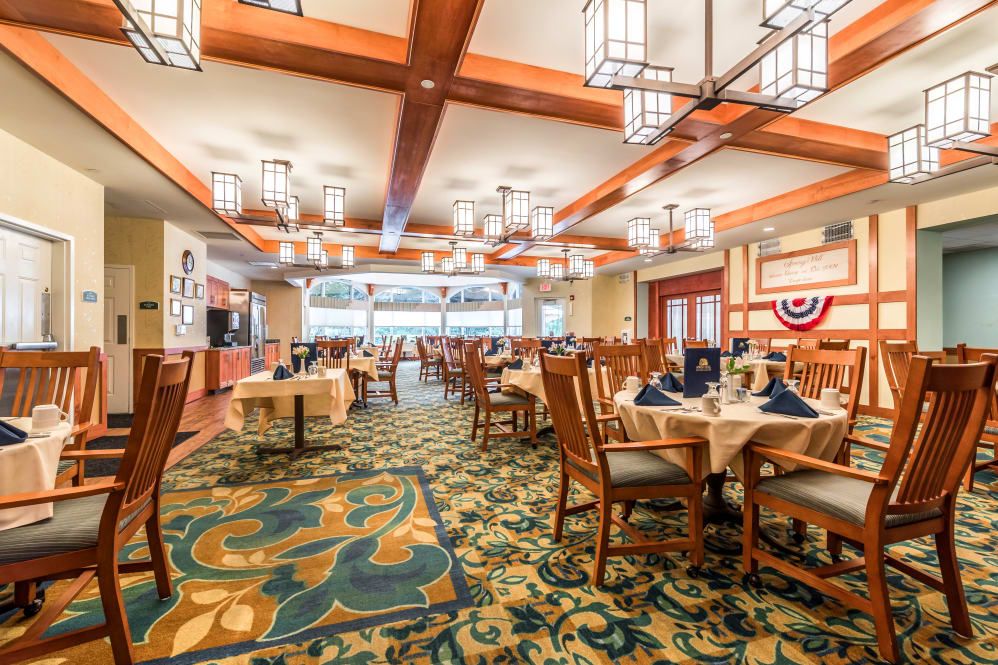
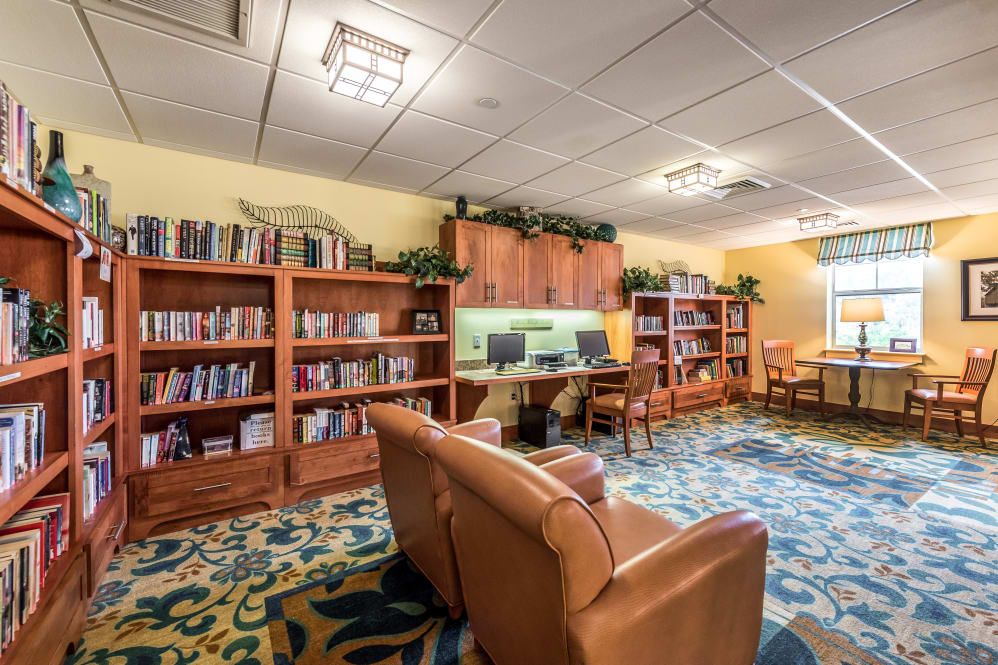
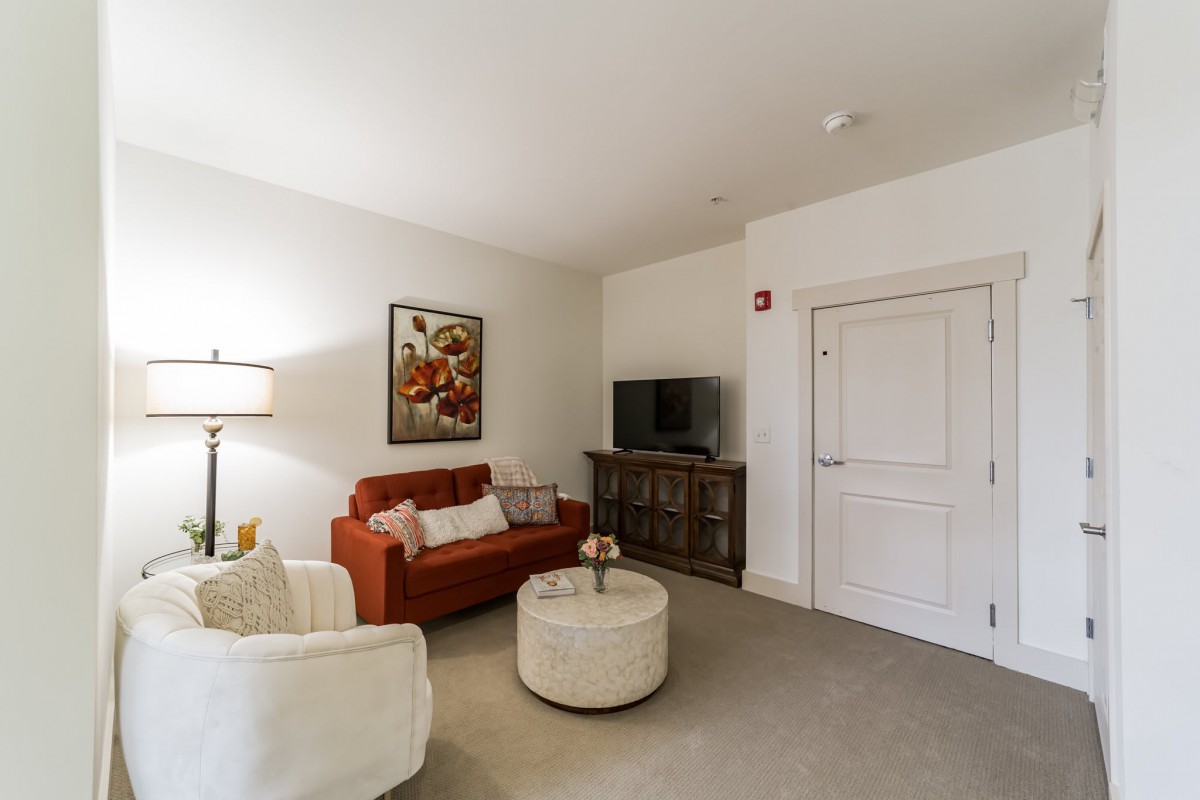
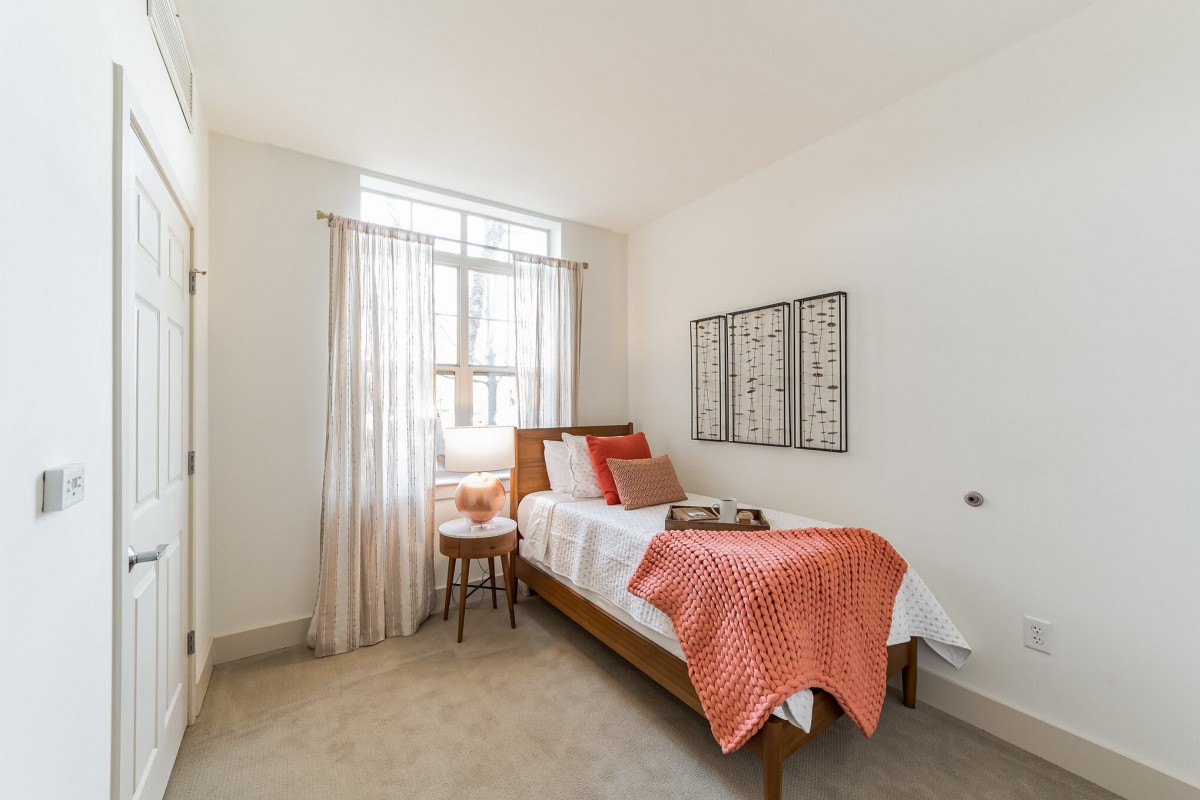
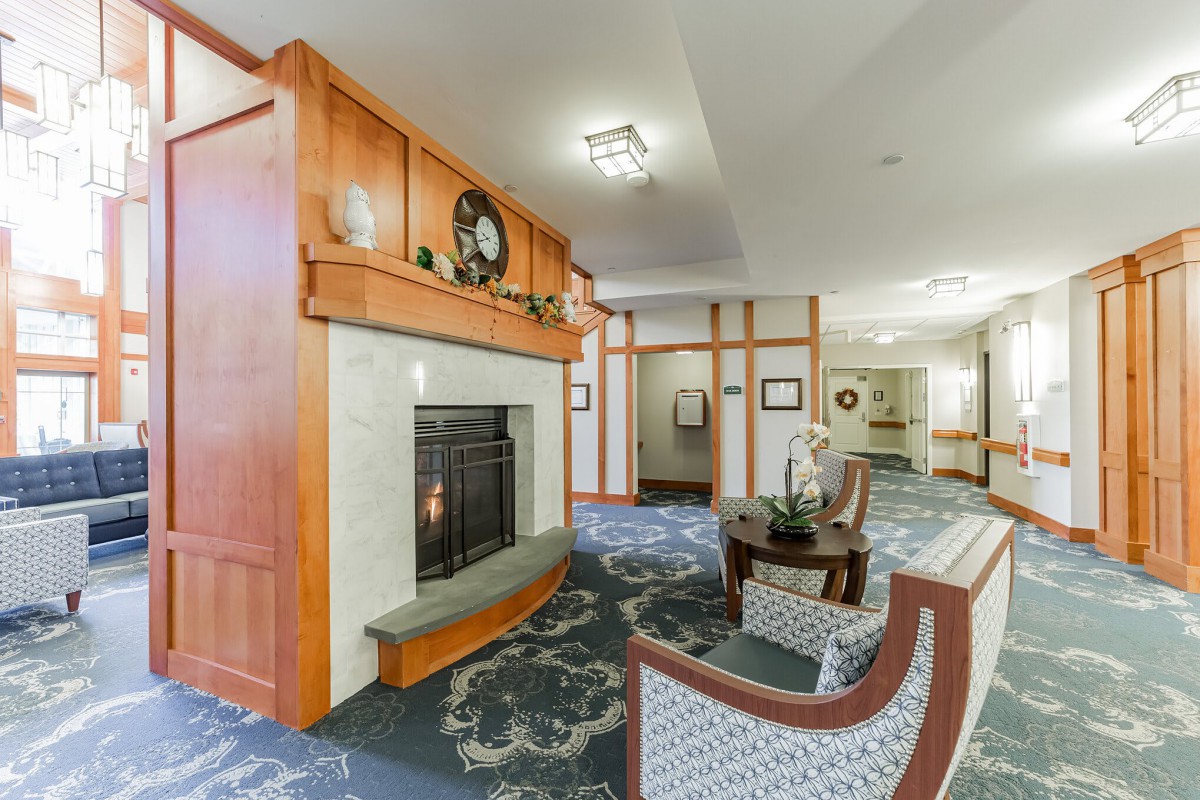
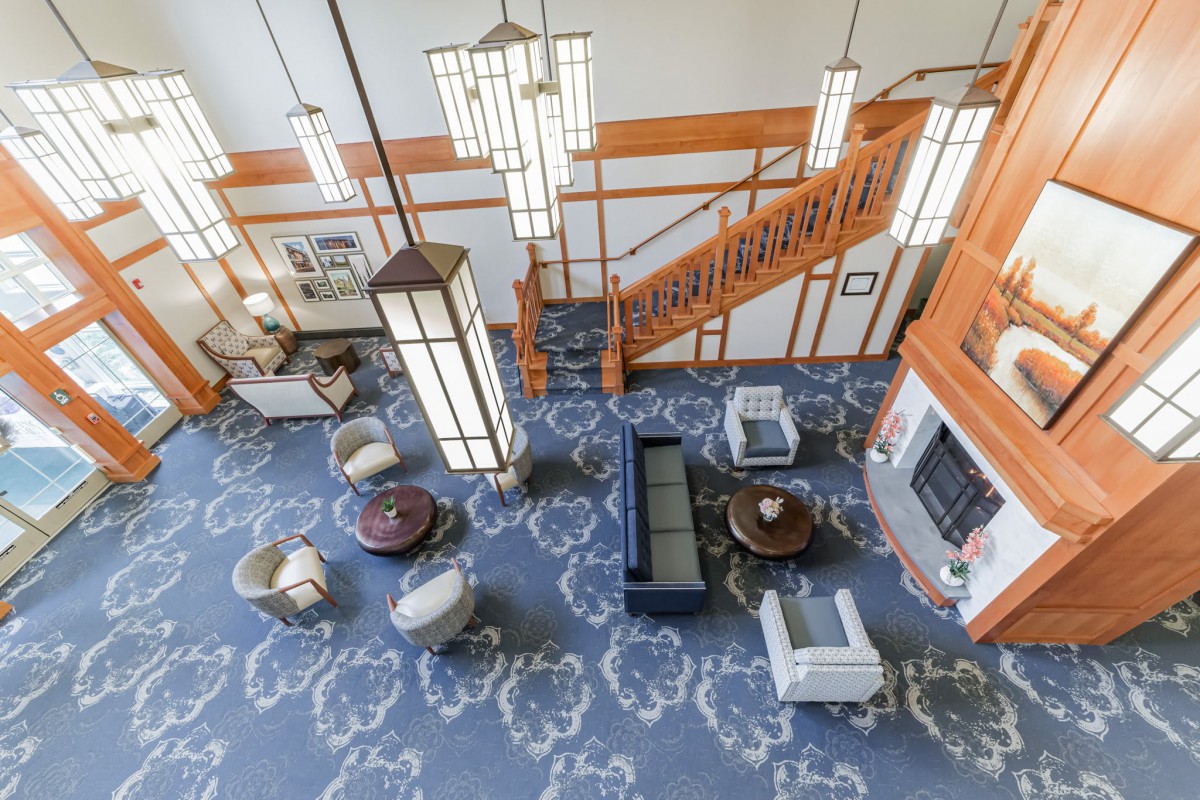
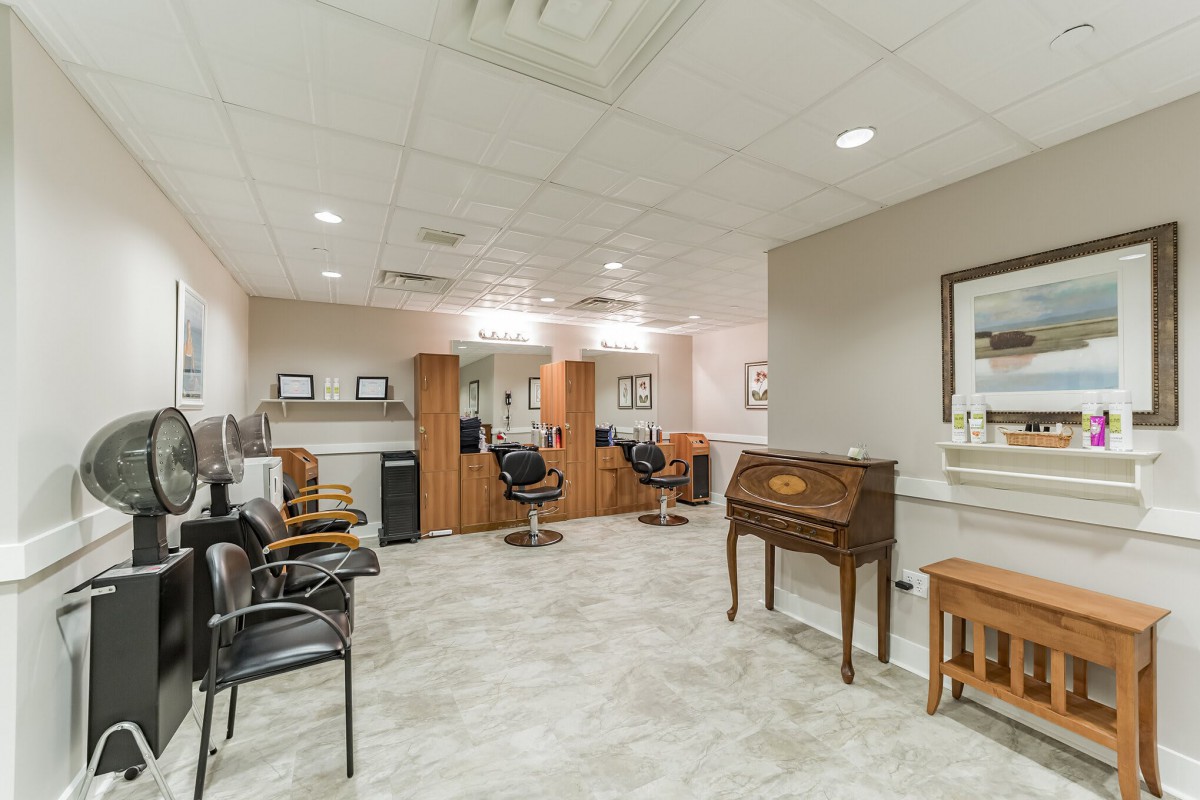
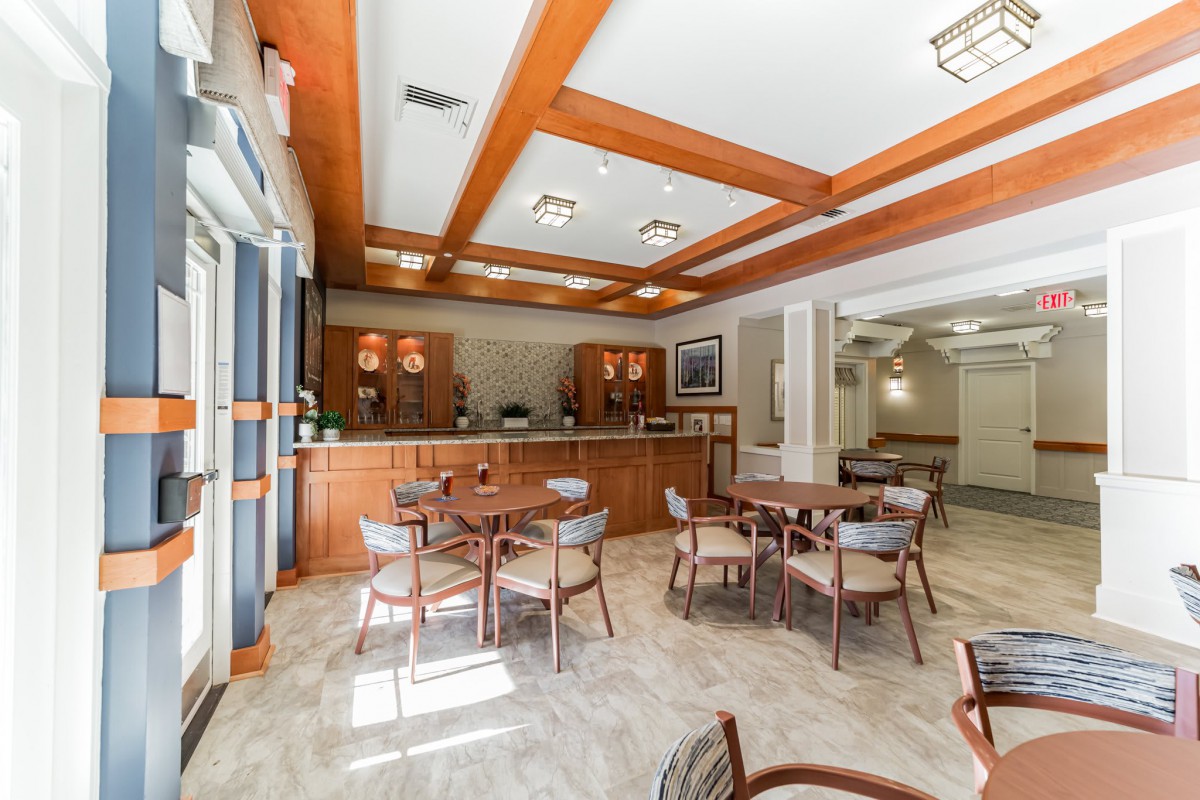
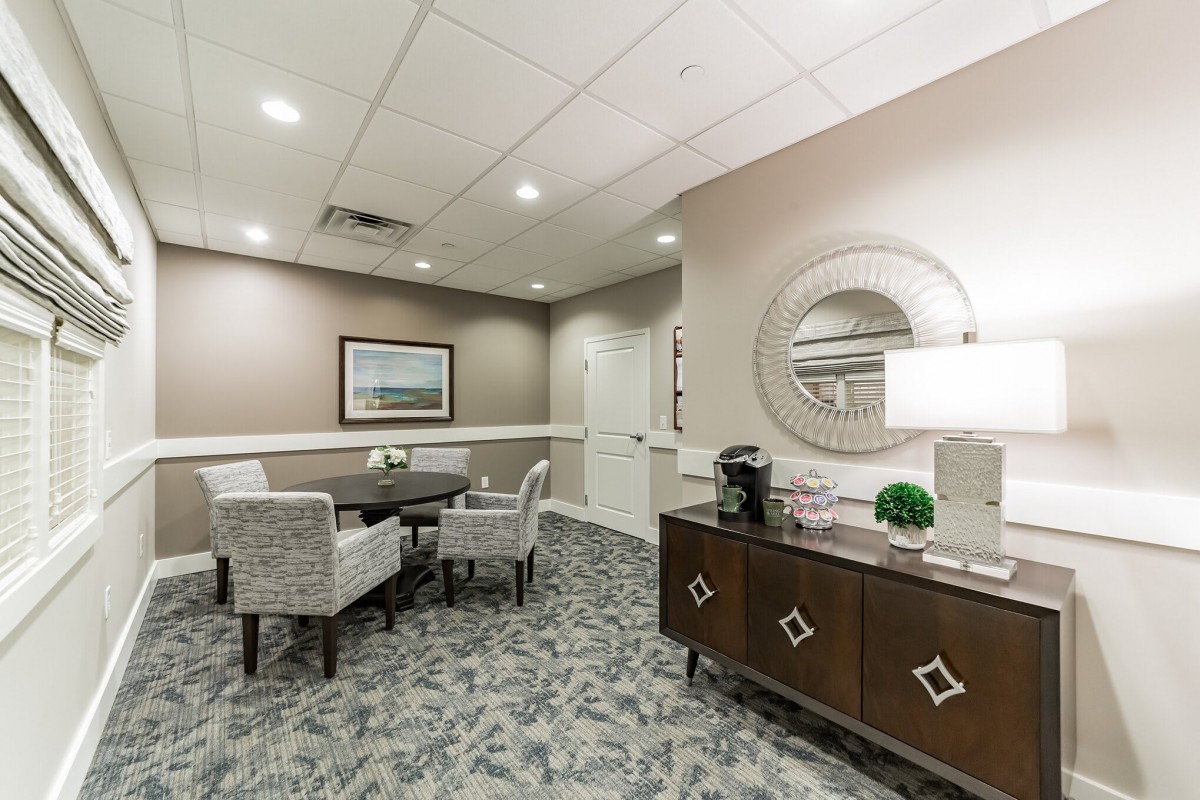
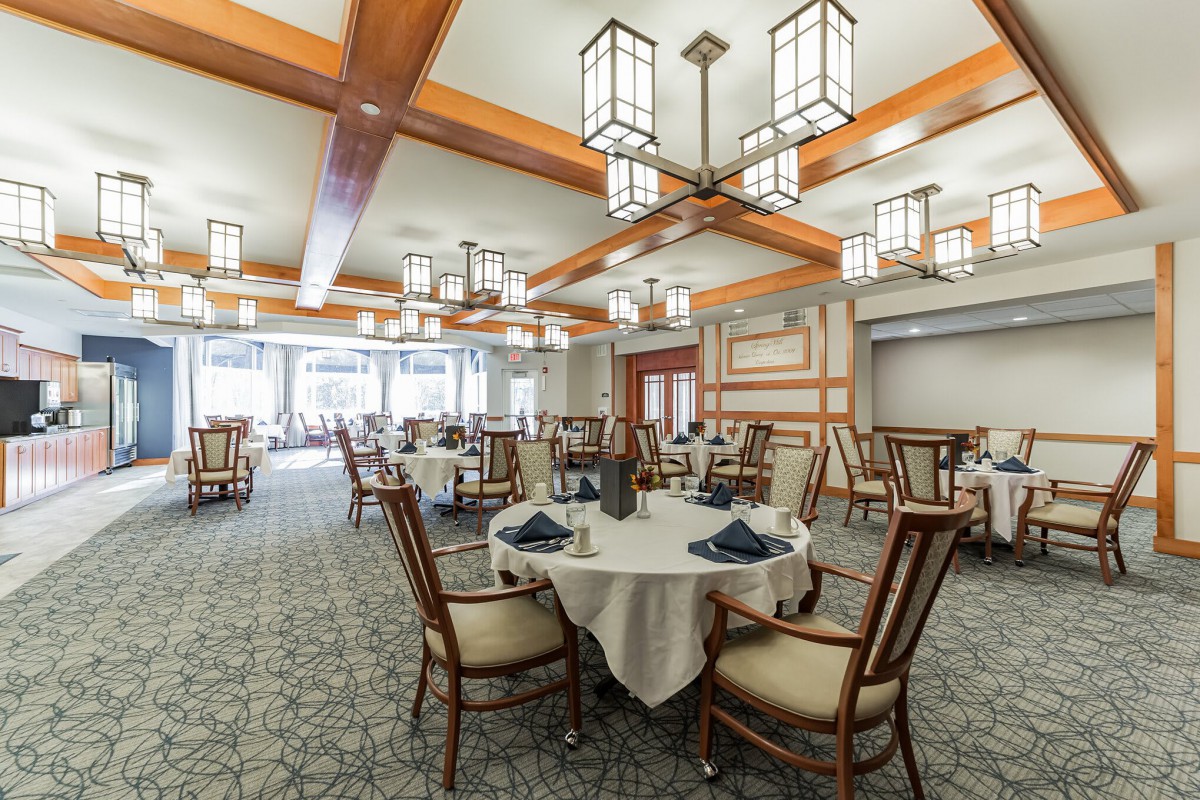
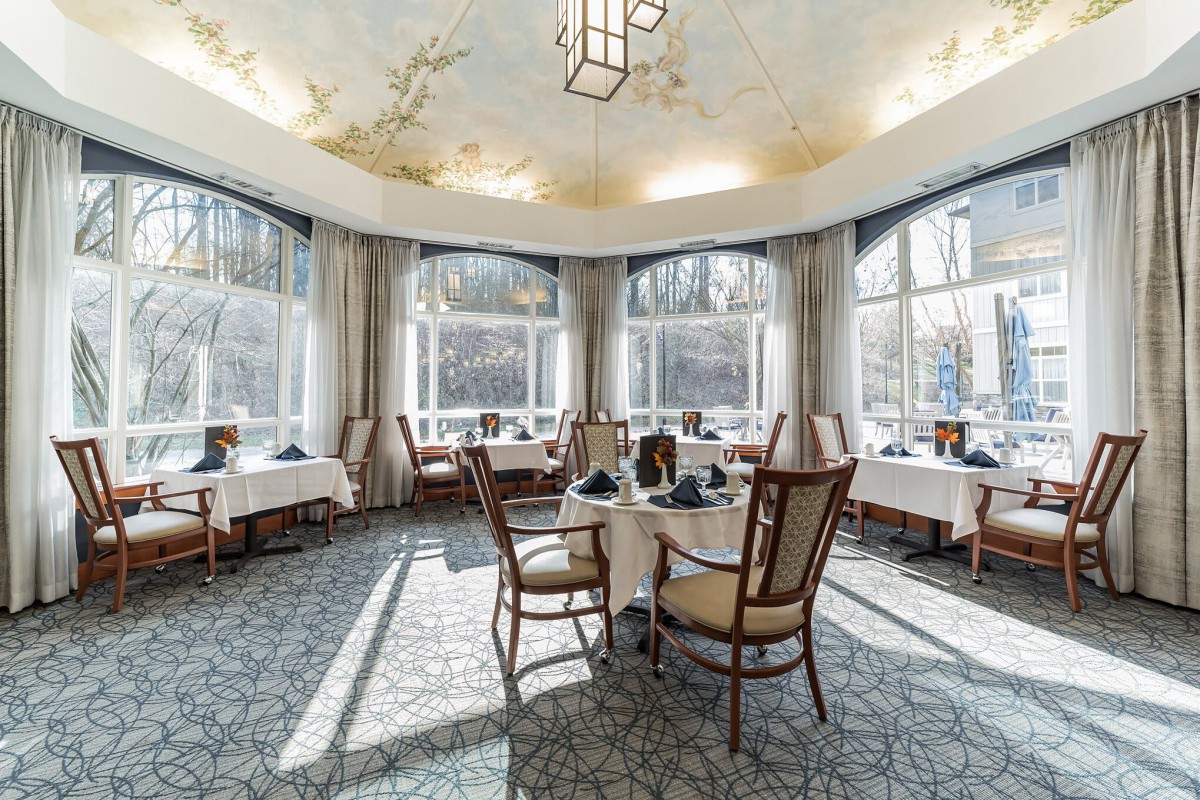
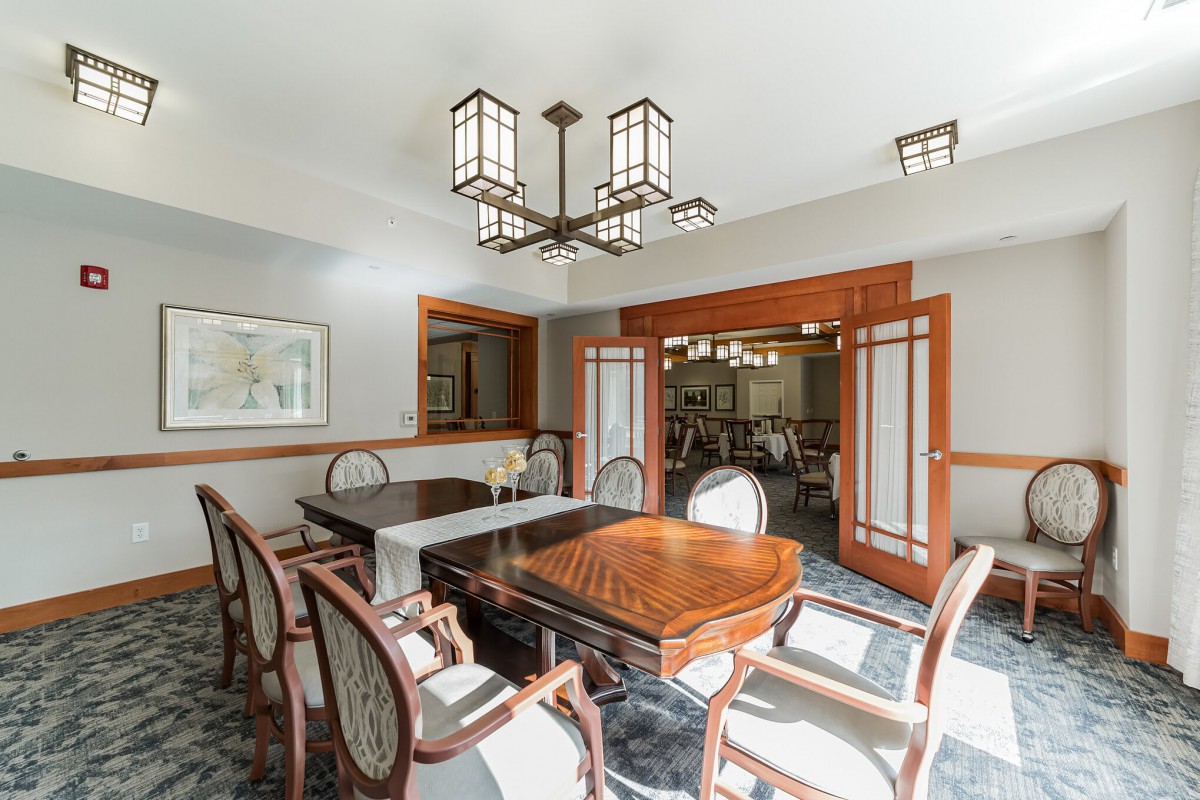
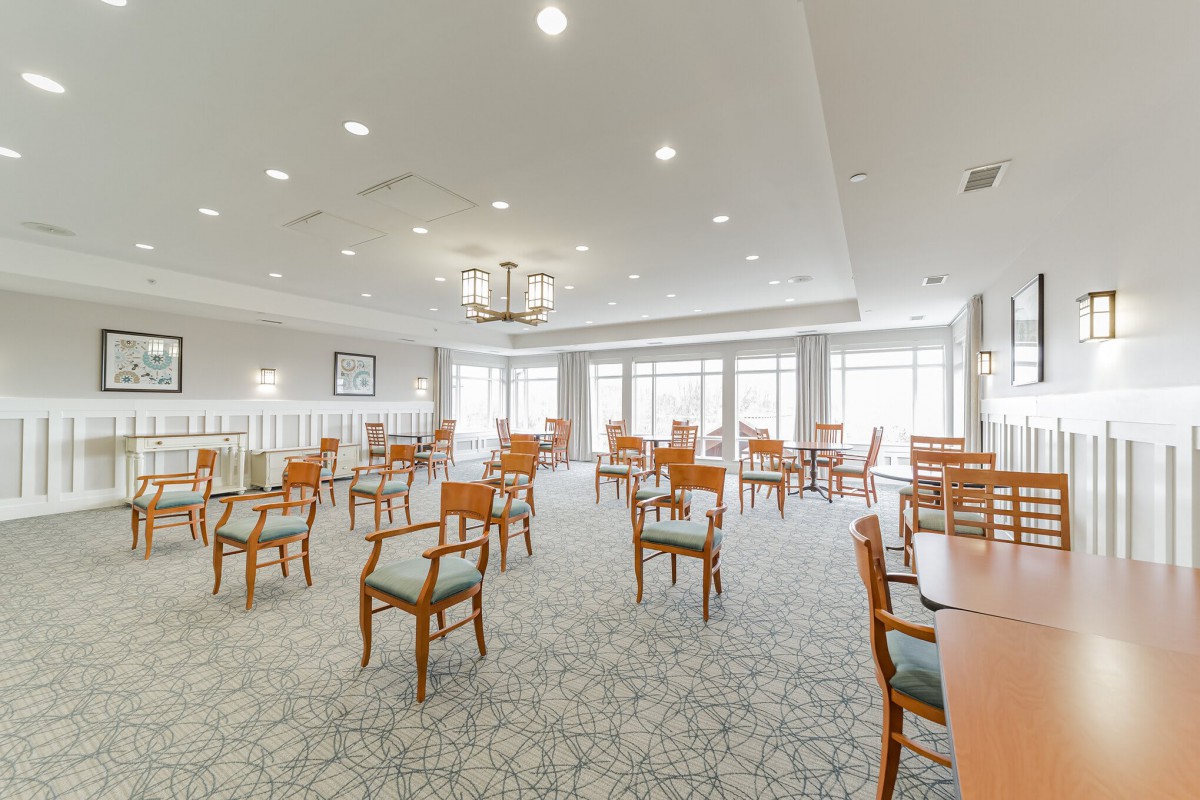
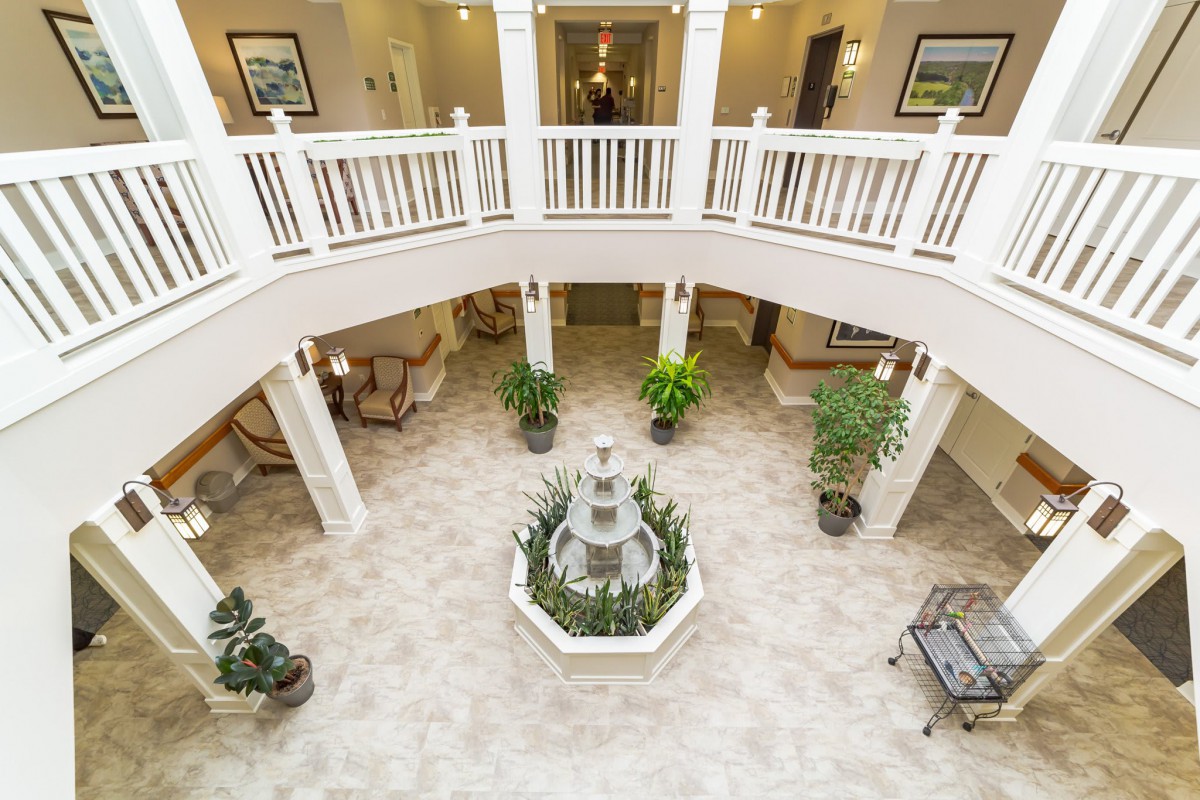
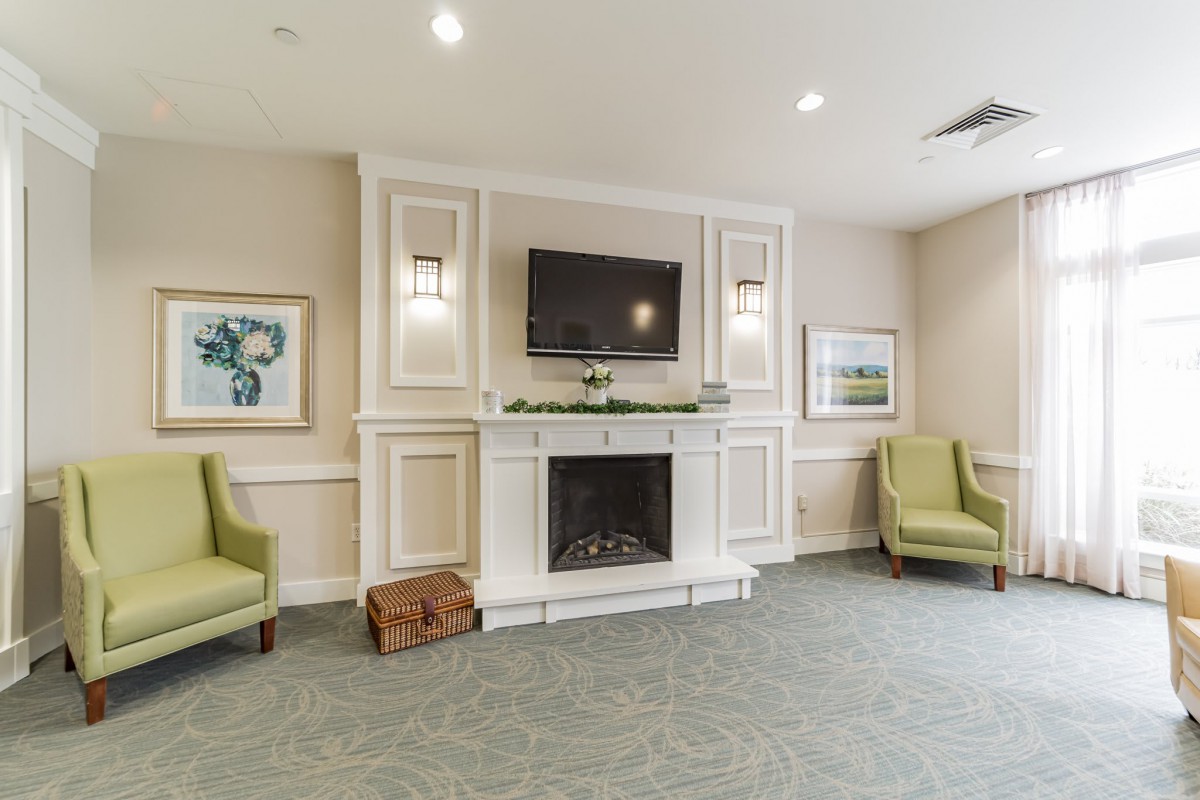
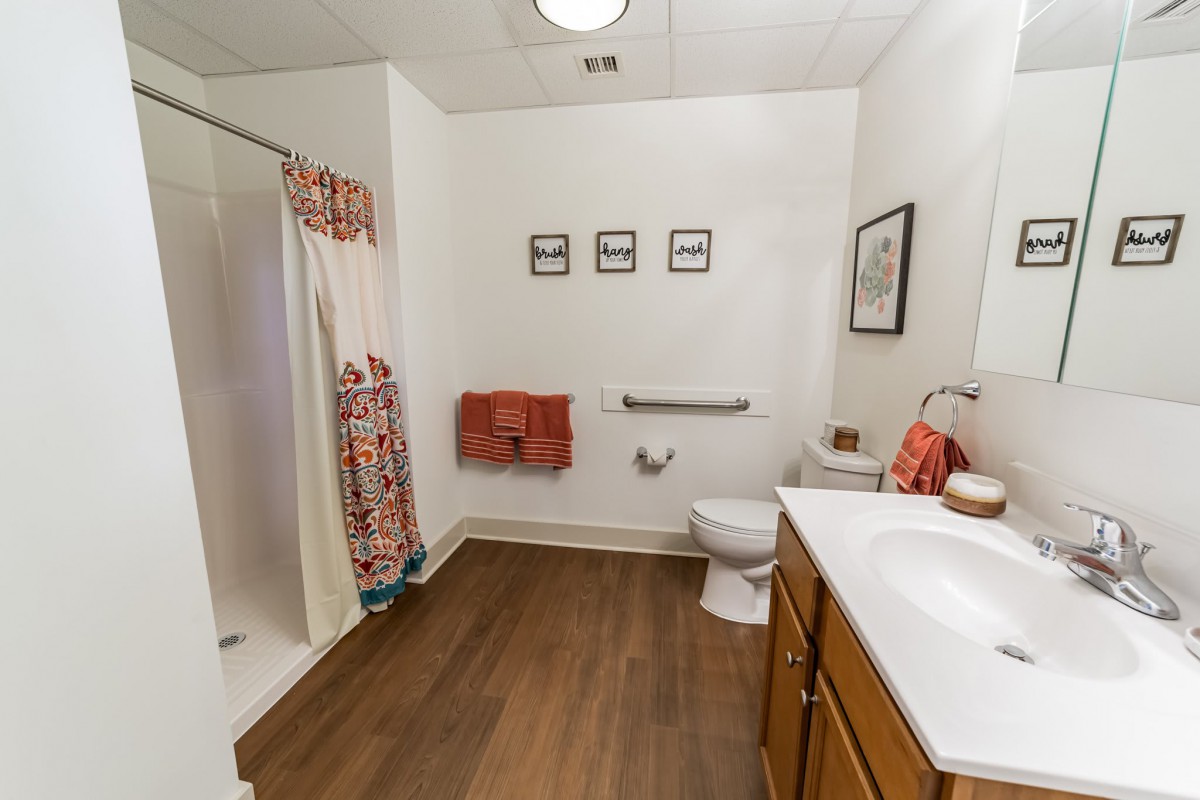
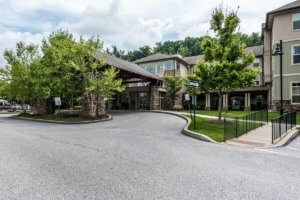
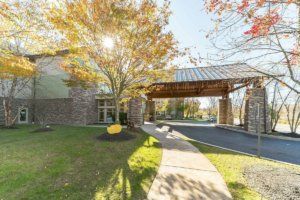
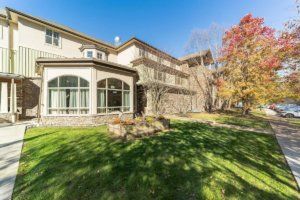
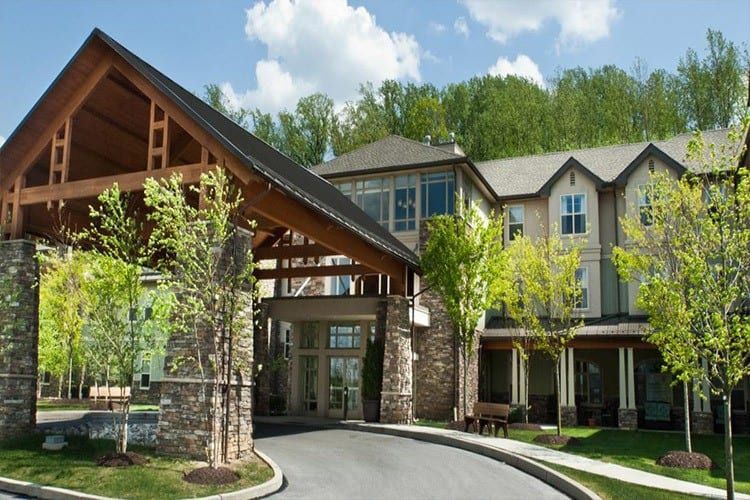
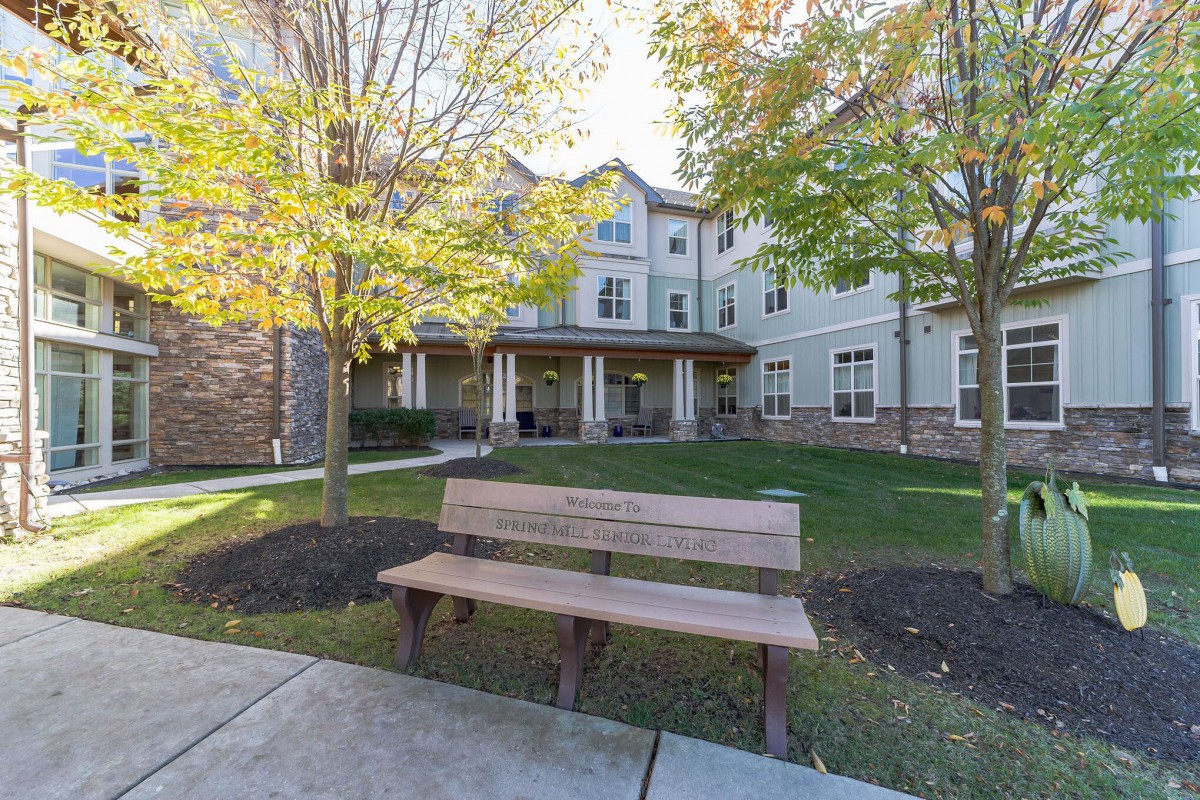
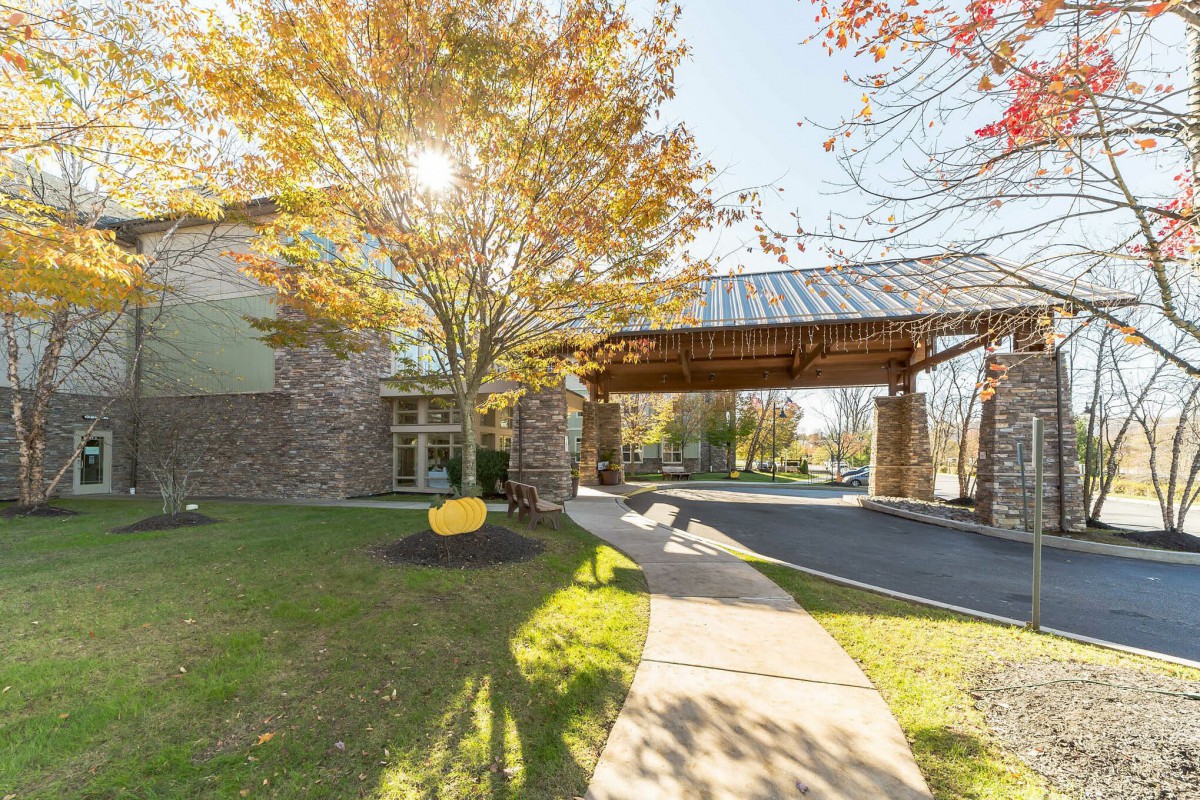
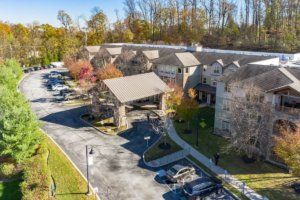
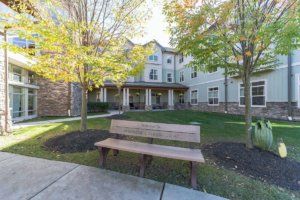
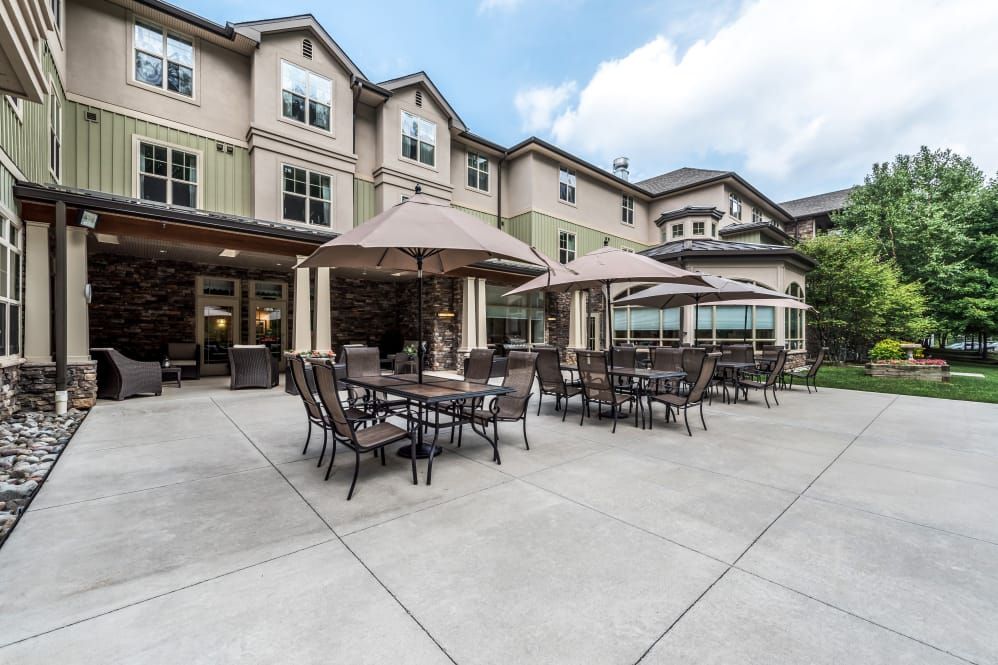
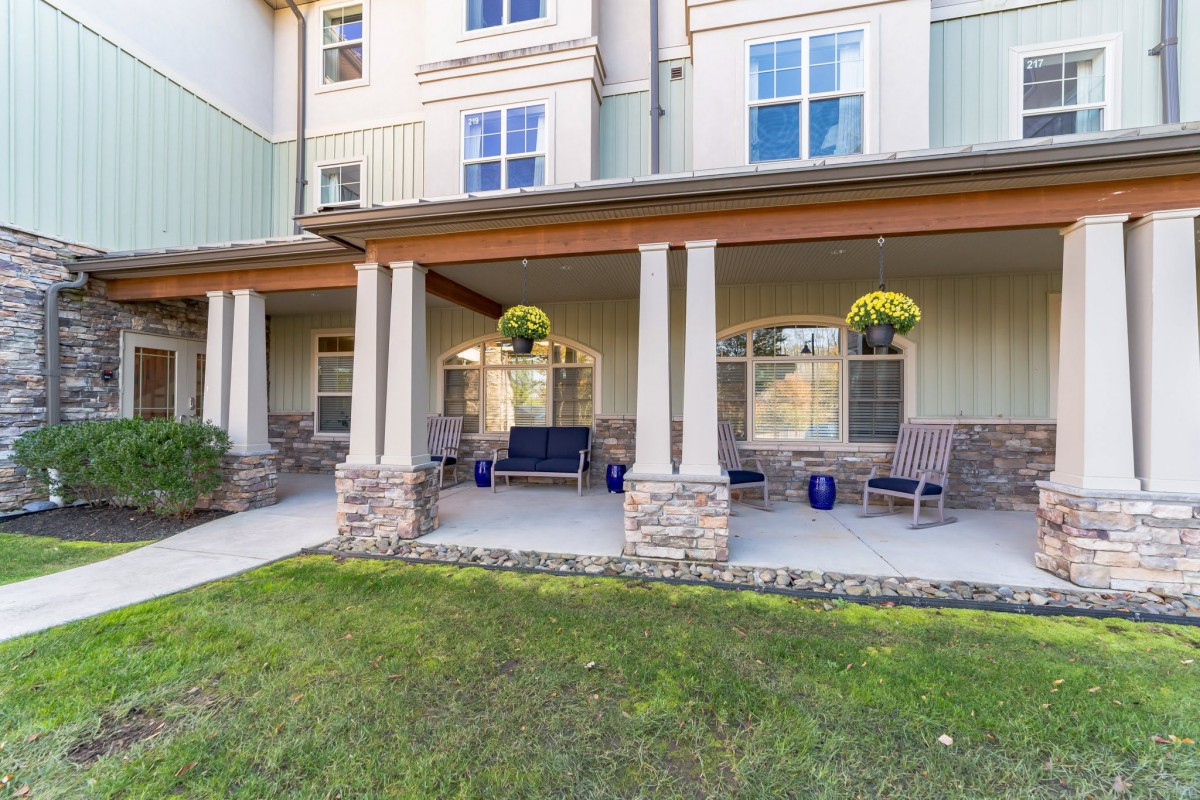
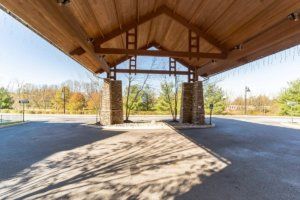
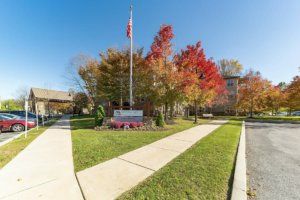
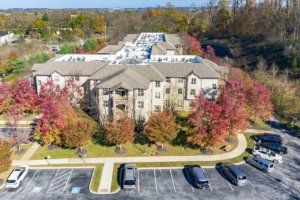
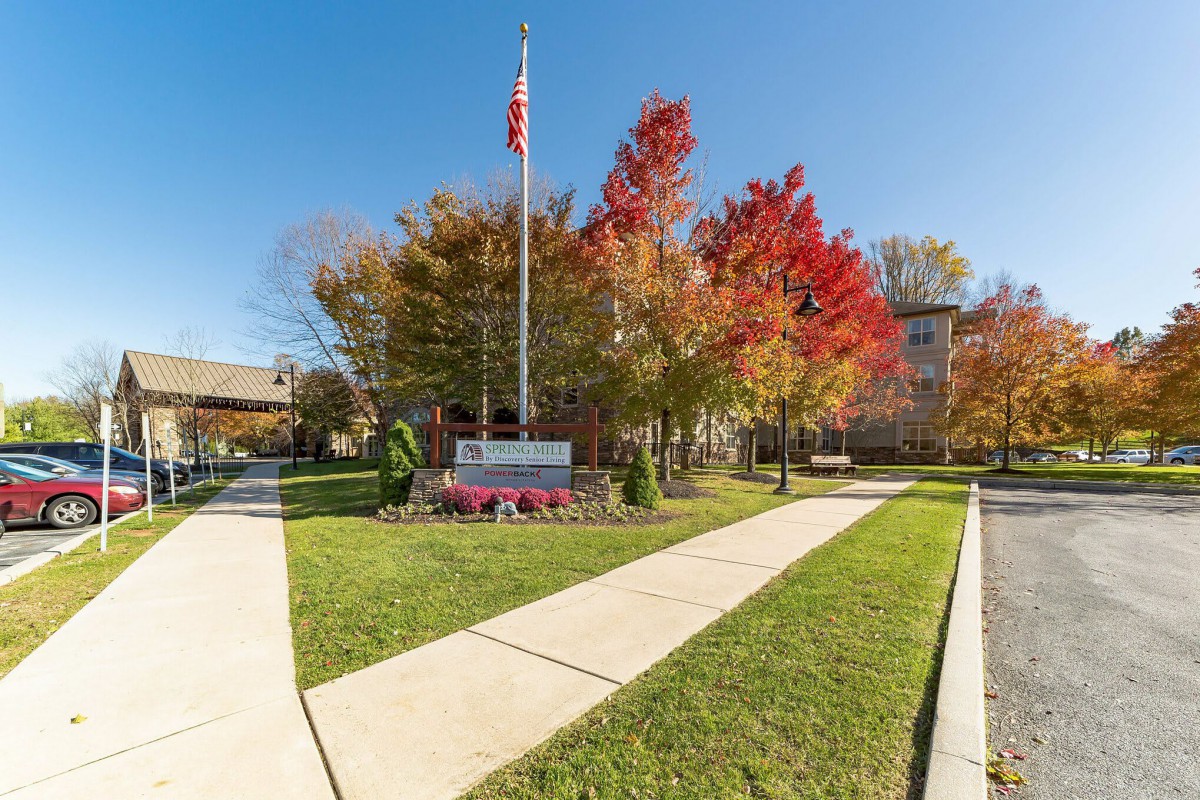
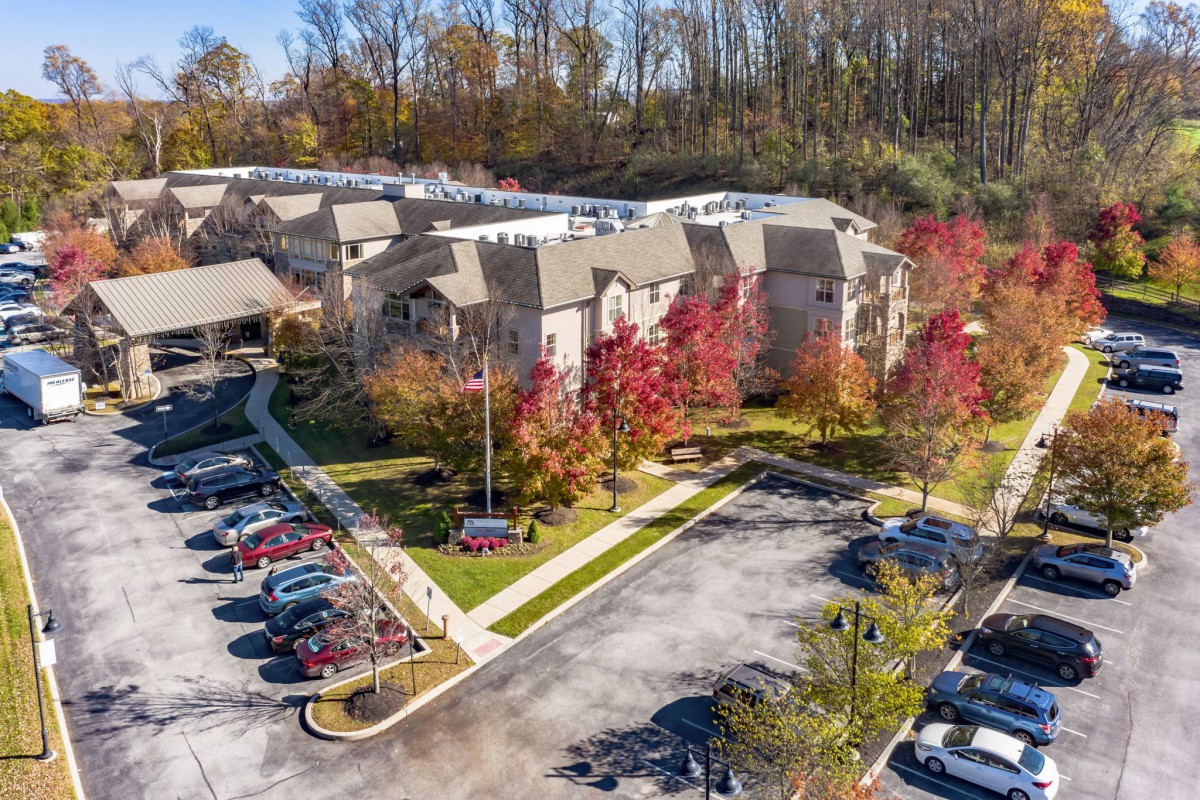
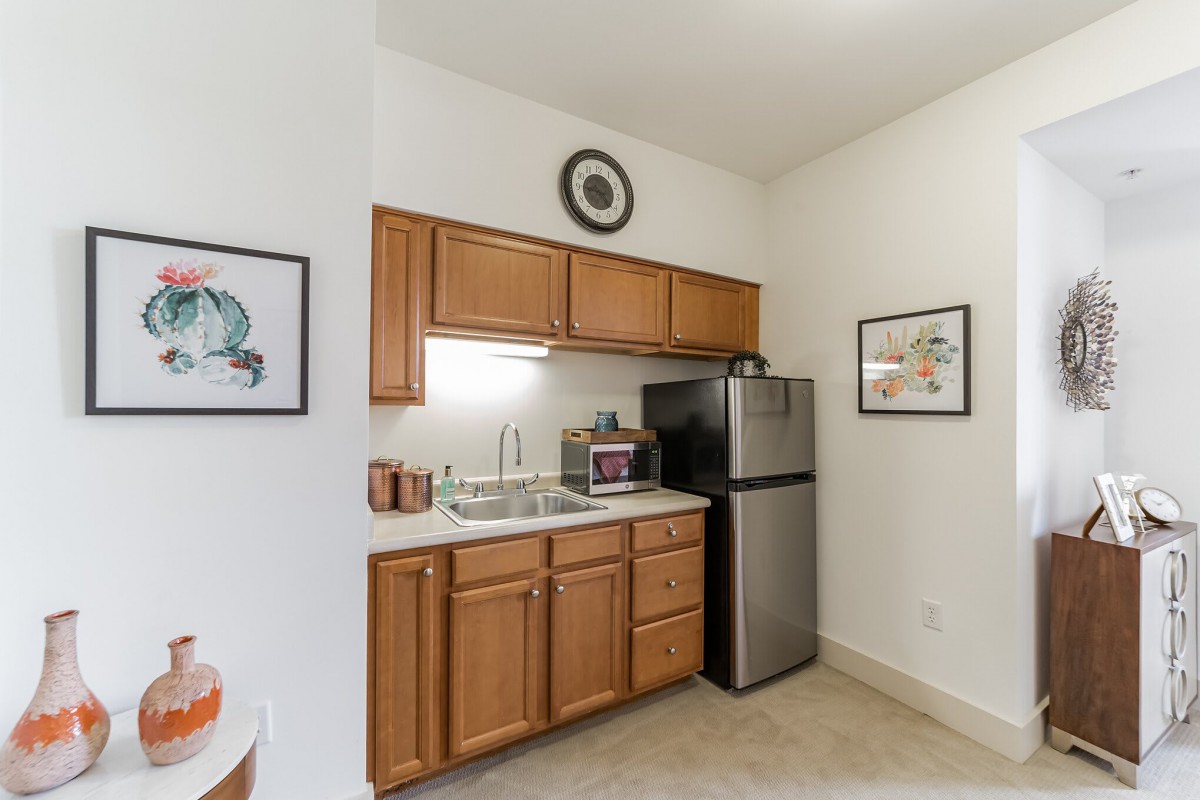
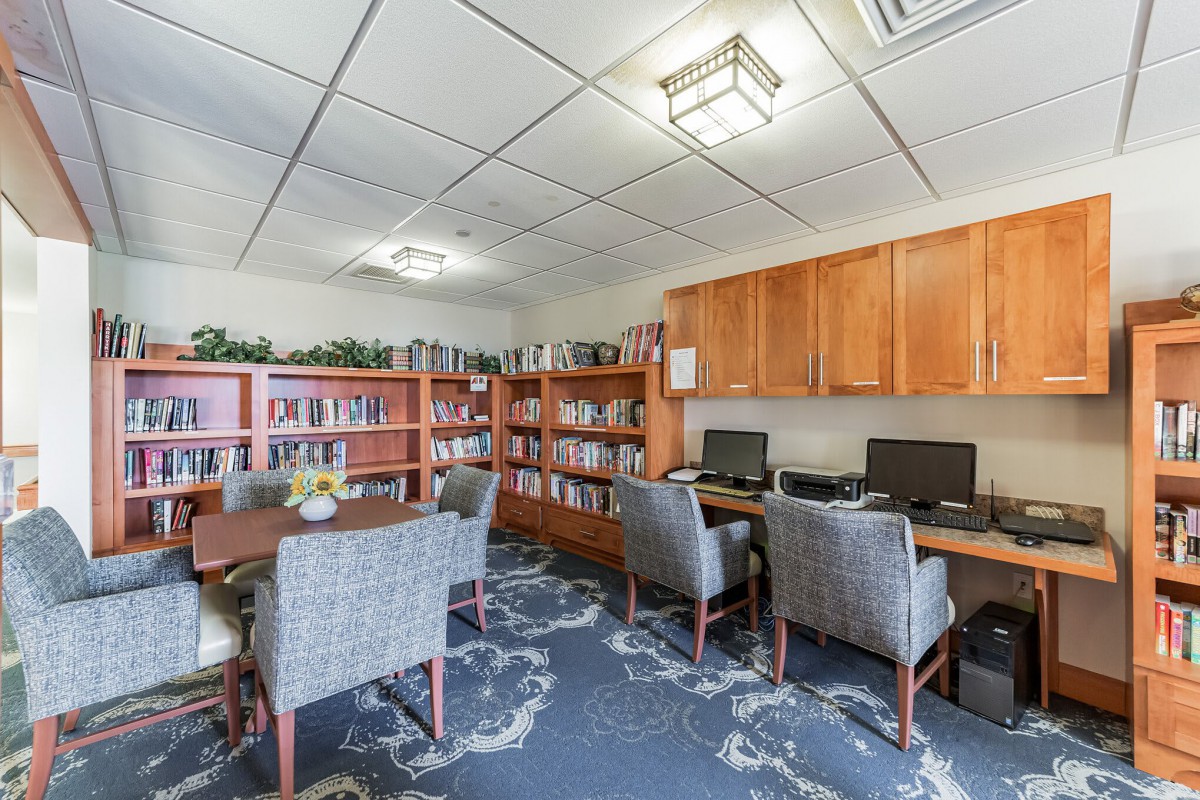
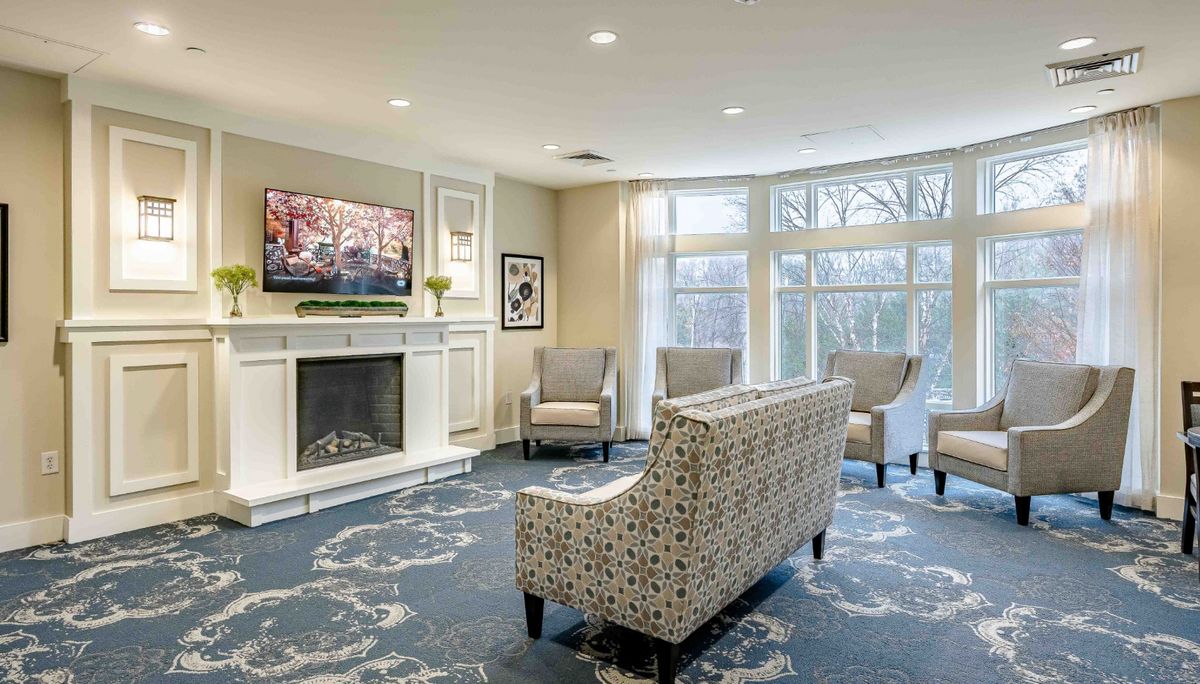
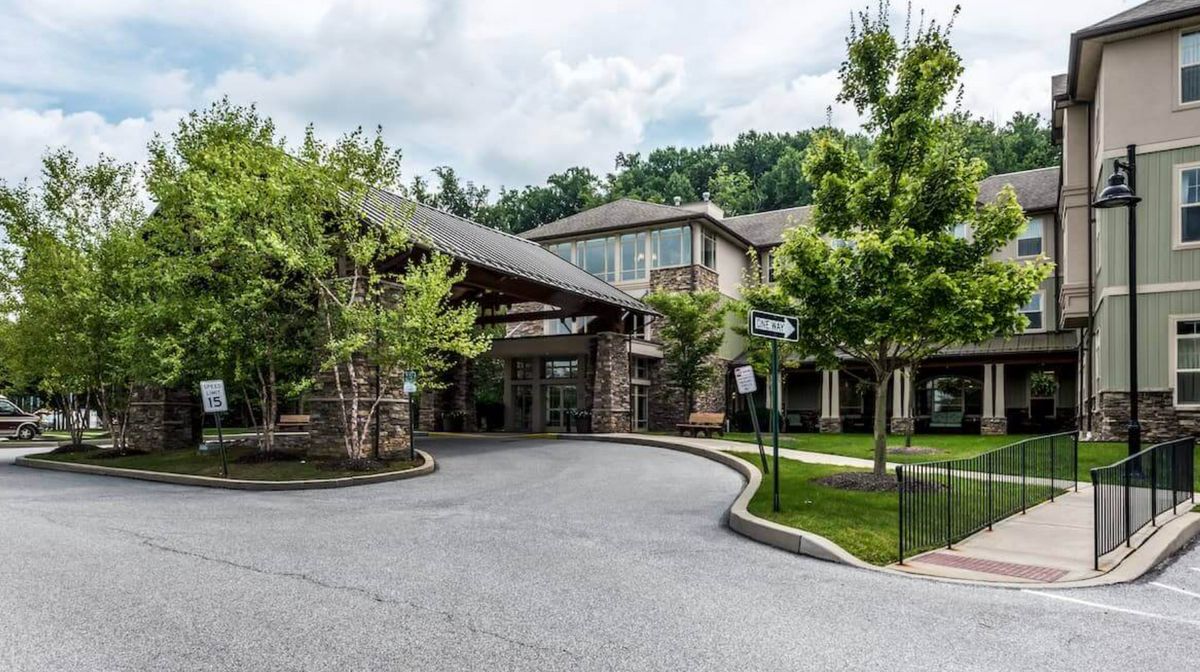
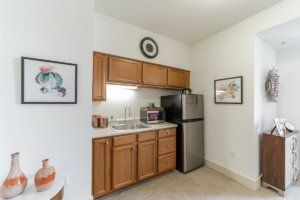
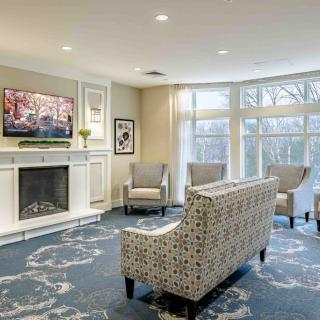
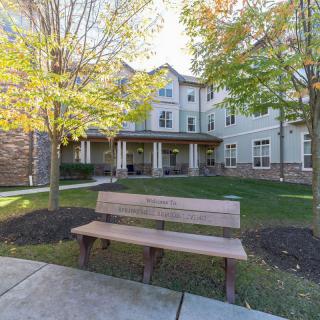
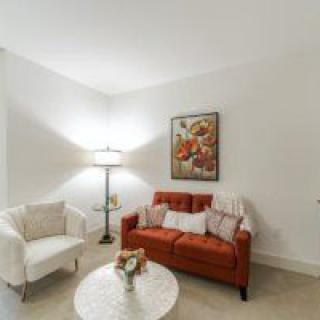
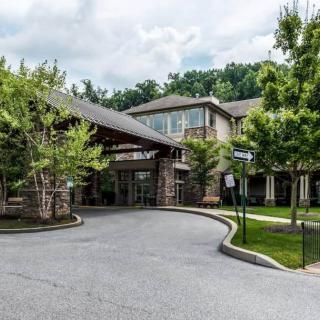
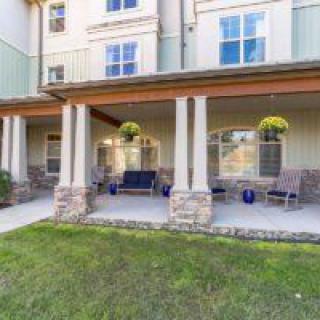
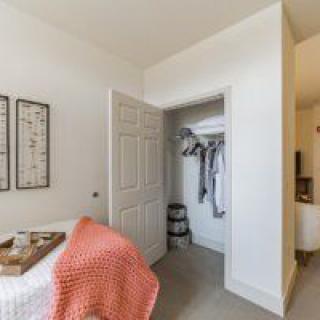
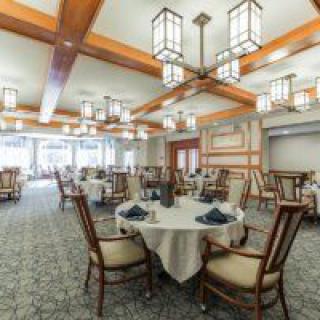
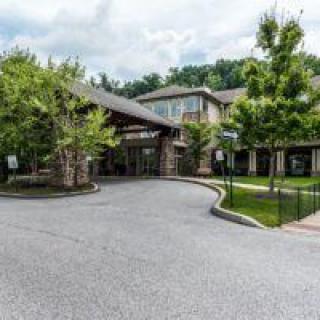
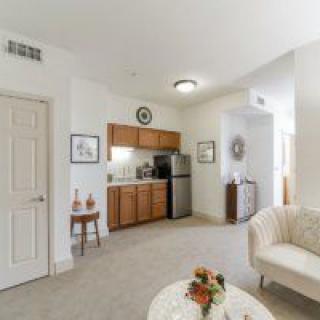
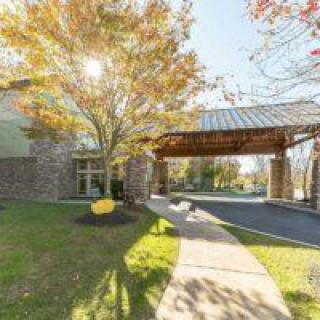
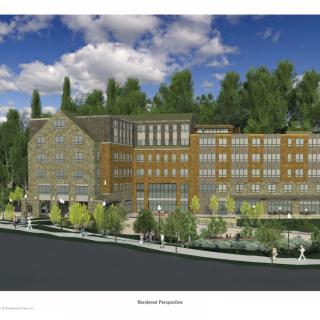
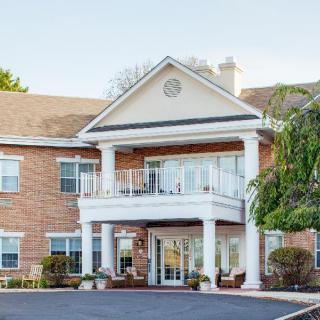
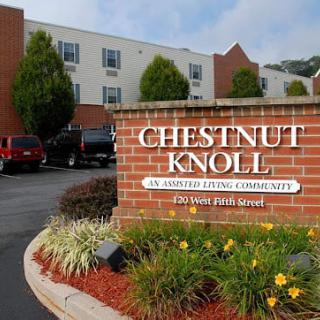
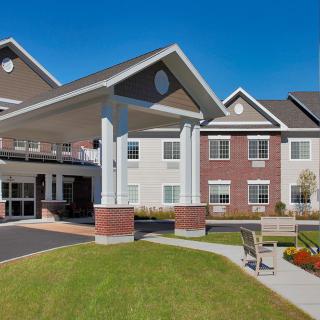
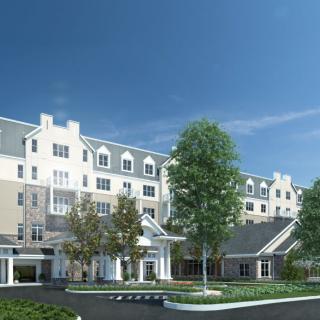
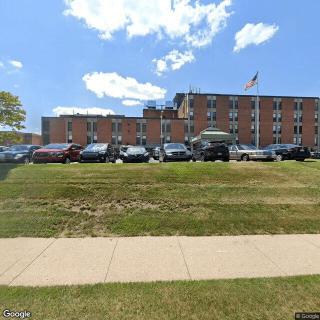
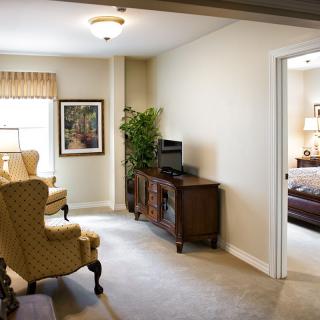
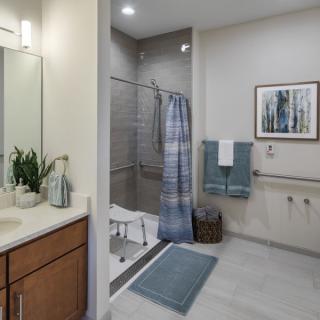
Spring Mill on seniors.fyi includes 68 photos including images showing interior, dining, decor, trees, living room, building, architecture, windows, and more.
Nearby Communities
Coldstream Crossing
Phoenixville, PA
Small, personalized assisted living with meals, medication management, and nearby healthcare and dining options.
Woodbridge Place
Phoenixville, PA
4.3 from 159 reviews
$2,995 to $5,895 / month
Friendly staff in a clean, engaging community with on-site memory care and diverse activities.
Relevant Home Care
Phoenixville, PA
4.5 from 11 reviews
Accommodating caregiver swaps, strong management, proactive communication, and flexible scheduling.
Regency at Kimberton Glen
Phoenixville, PA
3.9 from 15 reviews
Maintenance-free living with personalized care and medication management.
Remed State Road
Phoenixville, PA
2.6 from 5 reviews
Small, personalized setting with comprehensive care, furnished rooms, meals, and coordinated healthcare.
Phoenixville Hospital
Phoenixville, PA
3.5 from 119 reviews
Close to two hospitals and a wide array of nearby amenities (cafes, pharmacies, physicians, parks, dining).
Brandywine Living at Upper Providence
Phoenix, PA
4.8 from 107 reviews
$2,545 to $5,130 / month
Caring staff and engaging activities.
Echo Lake
Malvern, PA
4.7 from 93 reviews
$4,195 to $6,995 / month
Clean, well-maintained facility with friendly staff, engaging activities, and strong dining options.
Eagleview Landing
Exton, PA
4.4 from 95 reviews
$4,450 to $6,250 / month
Warm, compassionate staff with spacious, well-kept accommodations and engaging activities.
Dementia, particularly Lewy body dementia, often involves hallucinations that can significantly distress both patients and caregivers due to disruptions in sensory processing and neurotransmitter imbalances. Effective management includes compassionate communication, environmental adjustments, and a multidisciplinary approach to care while addressing the emotional needs of caregivers.
Alzheimer’s disease is a progressive neurological disorder that significantly impacts memory and cognitive functions, accounting for 60-80% of dementia cases, with early diagnosis being crucial yet challenging. It involves brain changes like beta-amyloid plaques and tau tangles, influenced by genetic and lifestyle factors, and while there is no cure, symptom management and support for caregivers are essential.
Dementia, influenced by aging and certain medications, may be exacerbated by drug classes such as anticholinergics, benzodiazepines, and antipsychotics, which are associated with cognitive impairment. Regular medication reviews by healthcare professionals are crucial for older adults to manage risks and optimize cognitive health.
Get PricingAsk A QuestionSchedule A TourContact Senior Advisor
By clicking submit, you agree to our Partner's Terms of Use. You
also consent to receive calls and texts, which may be autodialed, from our Partner. Your consent is not a condition to
using our Partner's service. Please visit our Partner's Privacy Policy for information about their privacy practices.





 98 resident community capacity
 1-bedroom apartments
 Assisted Living
 Memory Care
 Cats allowed
 Dogs allowed
 Activities off-site
 Air-conditioning
 Beautician on-site
 Cable or satellite TV
 Computer center
 Devotional services off-site
 Dining room
 Fitness room
 Fully furnished
 Gaming room
 Garden
 Ground floor units
 Handicap accessible
 Housekeeping services
 Indoor common areas
 Kitchenette
 Move-in coordination
 Outdoor common areas
 Private bathrooms
 Respite or short term stays offered
 Restaurant-style dining
 Small library
 Telephone
 Wellness center
 Wheelchair accessible showers
 Wi-Fi/high-speed internet available
 Philadelphia International (25 miles away)
 Community operated transportation
 12-16 hour nursing
 24-hour call system
 Ambulatory care
 Assistance with bathing
 Assistance with dressing
 Assistance with transfers
 Diabetes diet
 Diabetic care
 High acuity care
 Hospice waiver
 Incontinence care
 Medication management
 Mental wellness program
 Special dietary restrictions
 Transportation arrangement (medical)
 Art classes
 Catholic services
 Concierge services
 Cooking classes
 Day trips and outings
 Educational speakers / life long learning
 Wine tasting
 Small, personalized assisted living with meals, medication management, and nearby healthcare and dining options.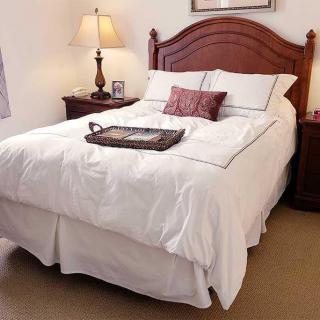
 Dementia-Related Hallucinations: Causes, Experiences, and Practical Approaches
 Illuminating Insights About Alzheimer's Disease: Ten Crucial Realities
 A Thorough Discussion of Medications Potentially Linked to Dementia Risk