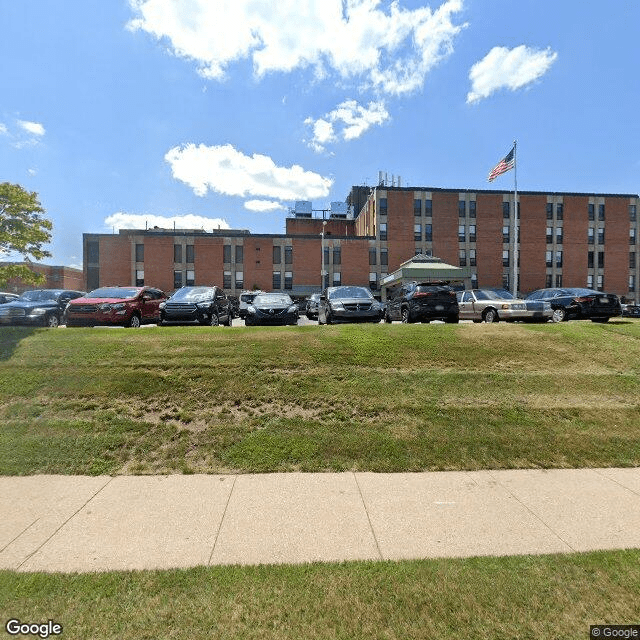
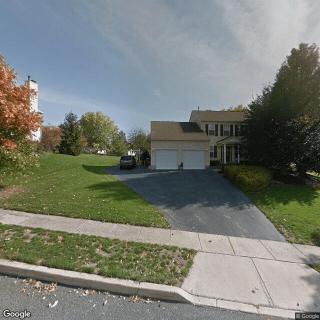
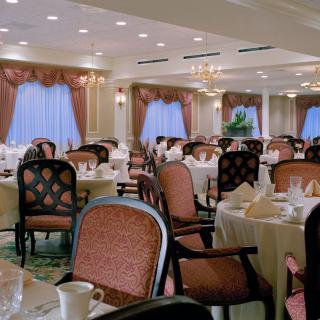
Phoenixville Hospital in Phoenixville, PA
Save
Information last verified:
140 Nutt Rd, Phoenixville, PA 19460
For more information about senior living options: (844) 490-3973
Phoenixville Hospital in Phoenixville, PA is best suited for families that need rapid, capable emergency care and maternity services without traveling far from home. The ER and surgical pathways routinely earn praise for speed, efficiency, and solid clinical performance, while the maternity unit is frequently highlighted for staffing that supports calm births and smooth NICU transitions when needed. In practical terms, this facility serves as a local hub for urgent care, perioperative treatment, and childbirth, where quick triage, decisive action, and reassuring bedside presence can make a real difference.
At the same time, this is not the place for those seeking a uniformly flawless day-to-day hospital experience or perfectly transparent billing. A sizable portion of reviews point to long waits, uneven care quality across shifts, and encounters with staff whose communication feels dismissive or overly procedural. Billing concerns recur, with reports of high charges and disputed costs, and patient advocates sometimes fall short of delivering timely resolutions. For families with complex, ongoing medical needs requiring tightly coordinated post-acute care, or for patients whose trust in staff communication has been repeatedly challenged, exploring alternatives with stronger continuity of care and clearer cost structures is prudent.
The upside is substantial in acute situations. Numerous ER visits describe fast check-ins, decisive testing, and teams that communicate clearly and with genuine care when urgency is highest. OB, NICU, and pediatric teams receive frequent praise for expertise and empathy, and there are many stories of nurses and physicians going above and beyond. Outpatient procedures, such as endoscopy, colonoscopy, DEXA scans, and routine imaging, often proceed with smooth logistics, supportive staff, and thorough aftercare instructions. When minutes matter, these strengths translate into tangible outcomes and can offset the stress that accompanies emergencies.
Yet the gap between the best moments and the toughest experiences is wide. Reviewers recount extended ER waits, confusing navigation, and episodes where symptoms were not adequately diagnosed or addressed before discharge. There are frequent echoes of perceived rude or dismissive bedside manner, and several accounts describe being faced with unexpected or inflated bills for medically necessary procedures. Additional concerns center on chart labeling, inconsistent attention during critical moments, and questions about patient advocacy responsiveness. Even as some departments shine, others reveal a pattern of perceived under-resourcing and maintenance strains that erode confidence in reliability.
For families planning a visit, a practical approach is essential. Before elective procedures, verify anticipated charges with the billing office and consider engaging a patient advocate to review potential costs and care implications. In emergencies, inquire about the specific care team and, when possible, seek continuity of providers to maintain clear lines of communication. For obstetric and neonatal care, identify the OB team with strong local recognition and confirm access to critical supports if NICU transfer becomes necessary. Coordinating post-discharge care with a trusted PCP or specialist helps bridge any gaps in the care journey and reduces the risk of drift after the hospital stay.
In the end, Phoenixville Hospital delivers meaningful life-saving potential and offers well-regarded maternity services, making it a practical local option for urgent care and perinatal needs. The standout strengths, efficient triage, skilled clinicians in high-stakes moments, and attentive imaging and endoscopy teams, can meaningfully offset the anxiety that accompanies emergencies. However, the variability in bedside manner, inconsistent diagnostic or testing nuances, and persistent billing frustrations mean this facility may not be the best fit for families seeking consistently predictable experiences and cost transparency. If this community is chosen, a proactive plan is essential: engage early, document care plans and concerns, and pursue clear channels for dispute resolution, with the understanding that the hospital can be a lifeline when care matters most, even as vigilance is required to safeguard every step of the patient’s journey.
The assisted living community near Phoenixville Hospital in Phoenixville, PA offers a convenient and vibrant living environment for seniors. With its close proximity to various amenities, residents can easily access services and activities that enhance their daily lives.
Numerous cafes in the area provide the perfect setting for socializing or enjoying a cup of coffee with friends and loved ones. Residents can explore the local parks nearby, immersing themselves in nature and enjoying peaceful strolls or picnics. The abundance of pharmacies ensures that healthcare needs are met promptly and conveniently.
Having physicians nearby is another advantage, allowing residents to easily schedule appointments and receive personalized medical care when needed. The presence of two hospitals provides peace of mind by guaranteeing quick access to emergency medical services if required.
When it comes to dining options, the surrounding area boasts a variety of restaurants catering to different tastes and preferences. From casual eateries to fine dining establishments, residents can indulge in delicious meals without venturing too far from home.
For those who value spiritual well-being, a place of worship located nearby allows residents to nurture their faith and participate in religious activities.
Overall, this assisted living community near Phoenixville Hospital offers an enriching lifestyle where seniors can enjoy easy access to essential services as well as opportunities for recreational activities, healthcare, dining out, and spiritual fulfillment.
Located in the charming town of Phoenixville, Pennsylvania, this area offers a range of convenient amenities for seniors looking to settle down. With various hospitals nearby such as Phoenixville Hospital and Paoli Hospital, residents have easy access to quality healthcare services. Pharmacies like Gateway Pharmacy and Walgreens are also close by for medication needs. For leisure activities, there are several parks including Valley Forge National Historical Park for outdoor enjoyment. Additionally, there are numerous dining options such as Sedona Taphouse and O'Grady's Family Restaurant, as well as cafes like Starbucks for socializing with friends. Access to transportation via SEPTA/Amtrak stations like Paoli Station makes traveling hassle-free. Overall, this part of Phoenixville provides a mix of healthcare facilities, dining options, recreational areas, and transportation services ideal for seniors seeking a comfortable and convenient lifestyle.
Phoenixville Hospital is located at 140 Nutt Rd, Phoenixville, PA 19460 in Montgomery County, Pennsylvania
A Comprehensive Exploration of Common Misunderstandings about Powers of Attorney

The article clarifies common misconceptions about Powers of Attorney (POA), highlighting the necessity of the principal's consent, the limitations on an agent's authority, and the importance of mental capacity when signing. It also distinguishes between various types of POAs, addresses concerns about potential abuse, and emphasizes the need for legal consultation to ensure valid and up-to-date documents.
Senior Move Management: Understanding the Role, Value, and Associated Costs

Senior move management provides specialized support for older adults relocating by assisting with logistics, emotional challenges, and downsizing decisions to ensure a smooth transition to new living environments. These services address the unique needs of seniors and have become increasingly important as baby boomers retire and seek to downsize.
Weight Training for Seniors: Building Strength and Vitality
Weight training is vital for seniors to maintain muscle mass, bone density, and overall health, combating age-related declines through customized resistance exercises that enhance balance and well-being. Safe routines should start with realistic goals and proper form, while emphasizing gradual progress and consultations with healthcare providers to ensure safety and effectiveness.