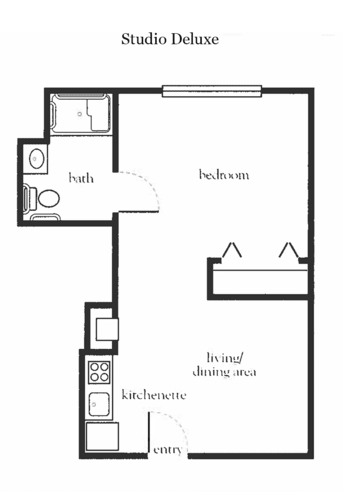
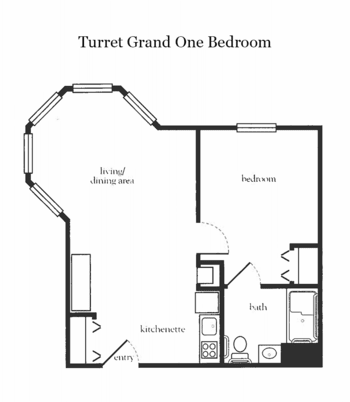
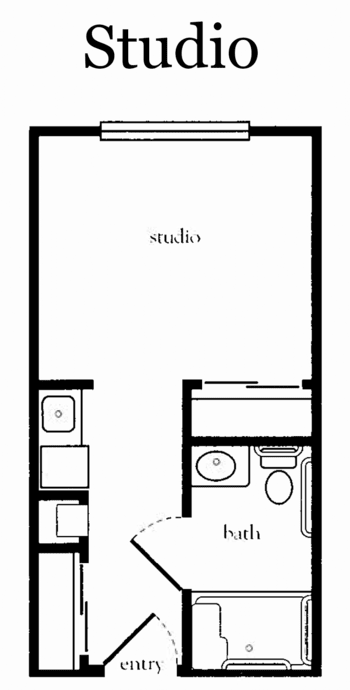
Woodbridge Place offers competitive pricing for its accommodations compared to both Montgomery County and the broader state of Pennsylvania. For residents seeking a semi-private room, the monthly cost at Woodbridge Place is $2,995, which presents a significant savings when compared to the county average of $4,587 and the state average of $3,542. Studio apartments at Woodbridge Place are priced at $4,199, which is slightly above Montgomery County's rate of $4,393 but remains lower than Pennsylvania's average of $3,737. For those interested in a one-bedroom unit, the cost at Woodbridge Place is $5,895 - higher than both the county's rate of $4,619 and the state's average of $4,006. This pricing structure reveals that while Woodbridge Place tends to exceed prices for larger accommodations within the local and state context, it still provides an attractive option for more affordable semi-private living arrangements.
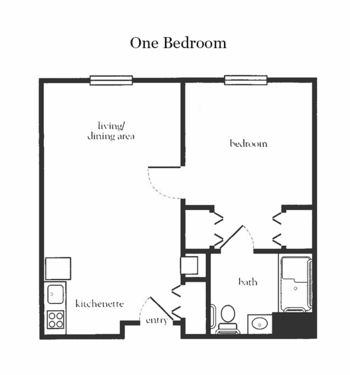
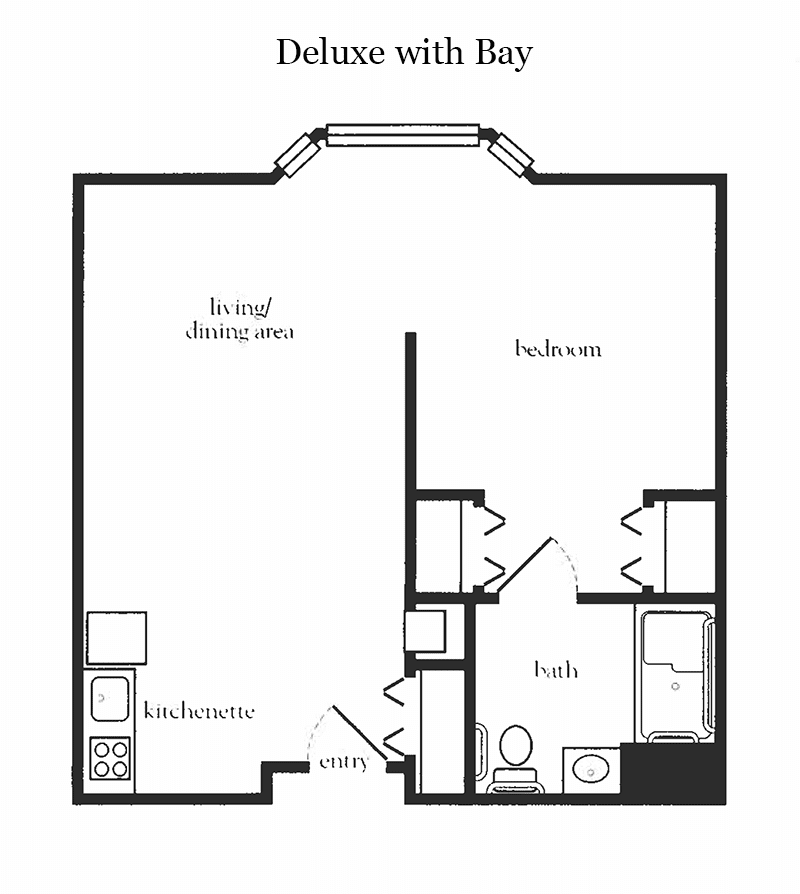
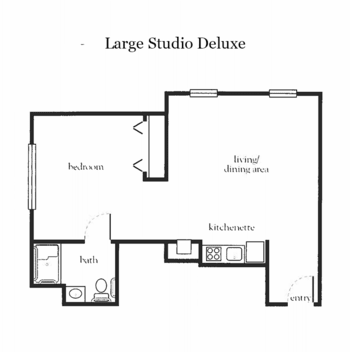
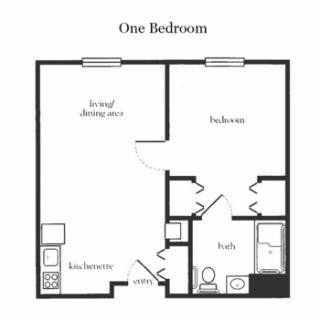
Floor plans
Woodbridge Place
Montgomery County
Pennsylvania
Semi-Private
$2,995
$4,587
$3,542
Studio
$4,199
$4,393
$3,737
1 Bedroom
$5,895
$4,619
$4,006
Memory care communities with a similar price nearby
Many residents and families describe staff as kind, caring, and responsive to questions.
Across the reviews, families repeatedly say staff members treat residents with dignity and kindness, and that day-to-day interactions feel supportive. Several reviewers also mention that staff know residents personally and work hard to address concerns once they are raised. A smaller number of reviews are more critical about care follow-through and staffing, but the overall recurring impression is that residents are treated with respect.
common22 reviews mention this
Dining gets strong praise—and complaints
Residents describe restaurant-style dining, with both positive food experiences and occasional service problems.
Many reviewers talk positively about the dining experience, including good-tasting meals and the chance to eat with family. The community also offers restaurant-style dining and room service, and some residents specifically call out enjoying meals and variety. At the same time, a few reviews report long waits or poor dining-room service, so experiences may depend on timing and staffing.
common16 reviews mention this
Memory care care feels individualized
Families of residents in the memory care wing describe care that focuses on dignity and tailored support.
Multiple reviews mention the memory care unit and describe residents being treated with dignity and respect. Several families say staff communicate with them and help manage day-to-day needs while keeping residents engaged. That said, there are also reviews expressing dissatisfaction with memory care staffing, medication timeliness, and communication, including calls to advocate more strongly.
caveat14 reviews mention this
Call bells and medication timing vary
Some reviewers report slow responses to call bells and problems with timely medication delivery.
A recurring concern is timeliness—some reviewers say call bells can take a long time to be answered, including reports of extended waits for assistance. Several other reviews specifically mention medication issues, including incorrect medication or not receiving medications on time. In the more positive reviews, families report staff are responsive and attentive, but these negative accounts suggest the experience can swing based on staffing and shift coverage.
caveat8 reviews mention this
Costs are consistently called out
Reviews and pricing details suggest the community is priced at a premium compared with common benchmarks.
Some reviewers describe the community as expensive and say cost is a factor when comparing options. One review also warns that care levels could increase with associated cost changes. Pricing details show the advertised range runs well below county and state benchmarks, which may help explain why some families feel it is not as bad as other options, even when they still call out the cost.
common28 reviews mention this
Clean, welcoming spaces help residents adjust
Many reviewers describe the facility as clean, well-kept, and easy to feel comfortable in.
Several reviews highlight cleanliness and the overall look and feel, describing bright interiors and well-maintained grounds that make it easier to settle in. Families also mention welcoming common areas and a home-like atmosphere that supports social connection. A few reviews contradict this by describing the building as run down or dirty in parts, which may reflect differences over time or across areas of the community.
How we summarize
Counts show how many written reviews mention each theme; a review can touch several themes, and only frequently mentioned themes are displayed.
Features
Housing
125 resident community capacity
Types of Care
Assisted Living
Memory Care
Pets
Cats allowed
Dogs allowed
Amenities
Activities off-site
Activities on-site
Air-conditioning
Beautician on-site
Beauty salon
Cable or satellite TV
Computer center
Devotional services off-site
Devotional services on-site
Dining room
Fitness room
Fully furnished
Gaming room
Garden
Ground floor units
Handicap accessible
Housekeeping services
Indoor common areas
Kitchenette
Move-in coordination
Outdoor common areas
Outdoor space
Private bathrooms
Respite or short term stays offered
Restaurant-style dining
Small library
Telephone
Wellness center
Wheelchair accessible showers
Wi-Fi/high-speed internet available
Transportation
Philadelphia International (24 miles away)
Community operated transportation
Transportation arrangement
Transportation arrangement (non-medical)
Care Services
12-16 hour nursing
24-hour call system
24-hour supervision
Activities of daily living assistance
Assistance with bathing
Assistance with dressing
Assistance with transfers
Coordination with health care providers
Dementia waiver
Diabetes diet
Diabetic care
High acuity care
Hospice waiver
Incontinence care
Meal preparation and service
Medication management
Mental wellness program
Mild cognitive impairment
Special dietary restrictions
Specialized memory care programming
Transportation arrangement (medical)
Transportation to doctors appointments
Dining
Diabetes diet
Gluten-free
Guest meals
Low / no sodium
Meals provided
No Sugar
Professional chef
Restaurant style dining
Room service
Special dietary restrictions
Special dining programs
Vegetarian
Activities
Art classes
Bible study group
Catholic services
Community-sponsored activities
Concierge services
Cooking classes
Day trips and outings
Devotional activities offsite
Devotional activities on-site
Educational speakers / life long learning
Fitness programs
Live well programs
Other religious services
Planned day trips
Resident-run activities
Scheduled daily activities
Visiting chaplain or priest
Videos
Nearby Places of Interest
This area of Phoenixville, Pennsylvania, offers a variety of amenities and services that may appeal to seniors looking for a convenient and comfortable living environment. The proximity to restaurants such as O' Grady's Family Restaurant and Sedona Taphouse provides easy access to dining options, while nearby pharmacies like CVS and Rite Aid ensure convenient access to medication and healthcare supplies. With several physicians' offices in the vicinity, including Phoenixville Valley Forge Dermatology Associates and Rothman Orthopaedics, seniors can easily take care of their medical needs. Additionally, the presence of Phoenixville Hospital and other healthcare facilities ensures access to quality medical care when needed. Parks like Upper Schuylkill Valley Park offer opportunities for outdoor recreation and relaxation, while places of worship like Royersford Baptist Church provide spiritual support. The availability of public transportation options such as Septa Malvern Station and SEPTA/Amtrak: Paoli Station makes it easy for seniors to get around the area. Overall, this part of Phoenixville provides a well-rounded community with diverse amenities that cater to the needs of older residents.
Restaurants
O' Grady's Family Restaurant (0.8 miles)
Taco Bell (1.2 miles)
McDonald's (1.2 miles)
Sedona Taphouse (2.3 miles)
Alex's Tavern (3.9 miles)
Cedar Hollow Inn Restaurant & Bar (4.4 miles)
McDonald's (4.5 miles)
Pharmacies
CVS Pharmacy (1 miles)
Rite Aid (1.1 miles)
Walgreens (1.6 miles)
Gateway Pharmacy (2.2 miles)
CVS Pharmacy (3.6 miles)
Rite Aid (4.3 miles)
Endo Pharmaceuticals (4.4 miles)
Physicians
Dr Solis's Office (2.1 miles)
Phoenixville Valley Forge Dermatology Associates (3.8 miles)
Woodbridge Place offers competitive pricing for its accommodations compared to both Montgomery County and the broader state of Pennsylvania. For residents seeking a semi-private room, the monthly cost at Woodbridge Place is $2,995, which presents a significant savings when compared to the county average of $4,587 and the state average of $3,542. Studio apartments at Woodbridge Place are priced at $4,199, which is slightly above Montgomery County's rate of $4,393 but remains lower than Pennsylvania's average of $3,737. For those interested in a one-bedroom unit, the cost at Woodbridge Place is $5,895 - higher than both the county's rate of $4,619 and the state's average of $4,006. This pricing structure reveals that while Woodbridge Place tends to exceed prices for larger accommodations within the local and state context, it still provides an attractive option for more affordable semi-private living arrangements.
Woodbridge Place's comprehensive array of features significantly enhances the quality of care for residents with varying stages of dementia and Alzheimer's disease. The 24-hour supervision ensures a safe environment where staff can promptly respond to any needs or emergencies, while assistance with activities of daily living, such as bathing, dressing, and transfers, fosters dignity and promotes independence. Coordination with healthcare providers and medication management ensures that residents receive tailored medical attention, enhancing overall health outcomes. The dementia waiver enables specialized support that caters to individual cognitive challenges, and incontinence care addresses physical needs respectfully. Additionally, meal preparation and service are designed to accommodate dietary requirements while promoting nutritional health. Engaging residents through a mental wellness program and specialized memory care programming stimulates cognitive function and provides meaningful interaction. Lastly, transportation arrangements for medical appointments further exemplify the commitment to holistic care that supports both the physical and emotional well-being of residents experiencing mild cognitive impairment or advanced dementia.
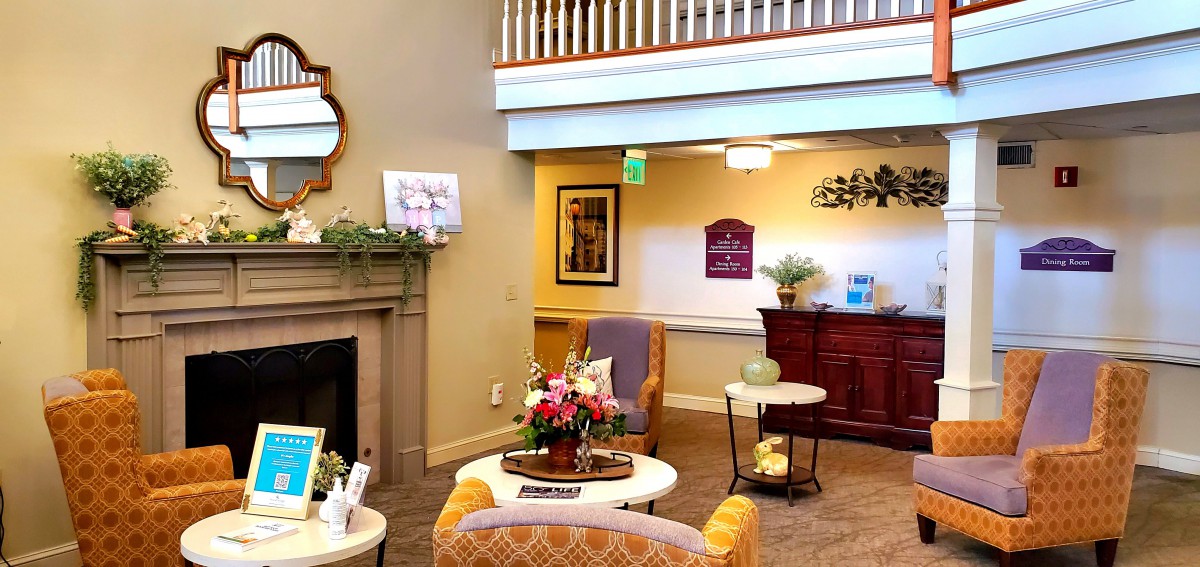
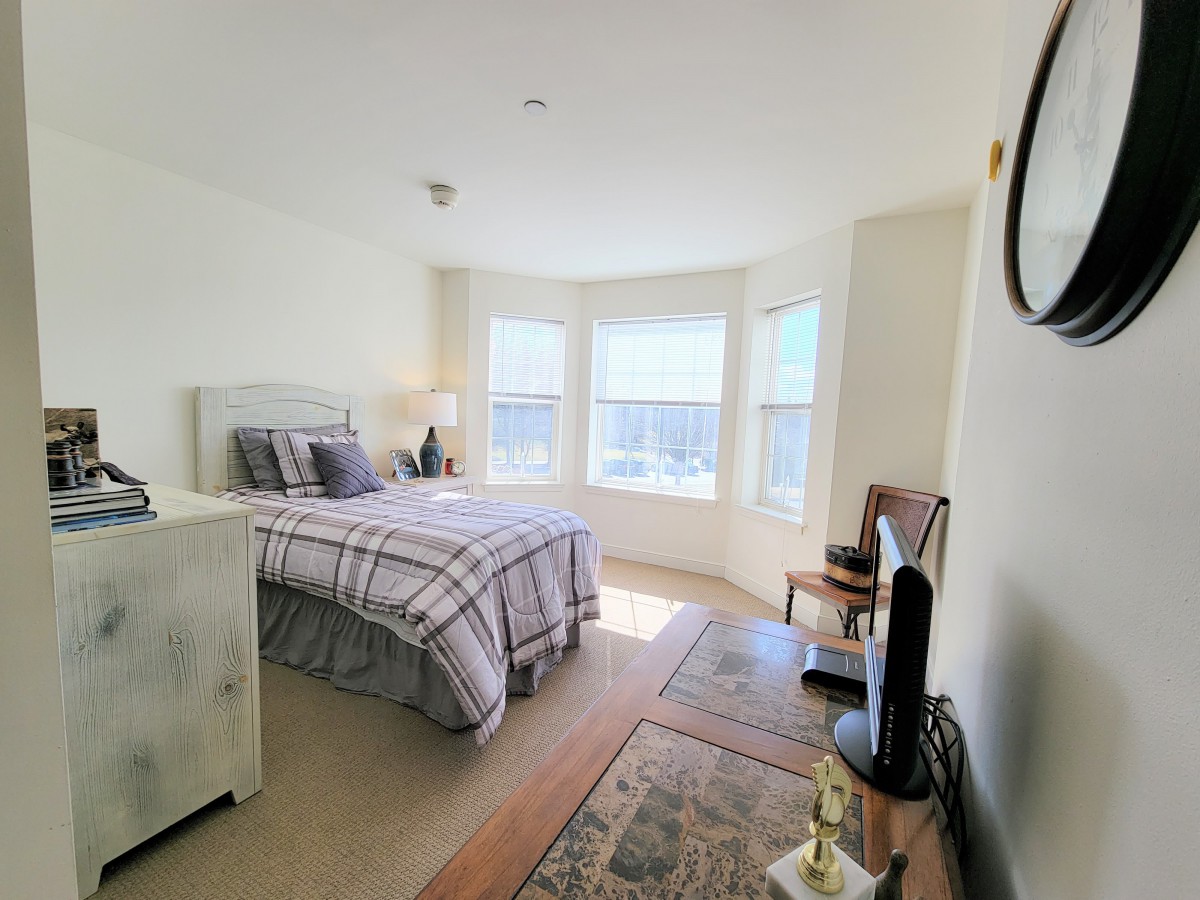
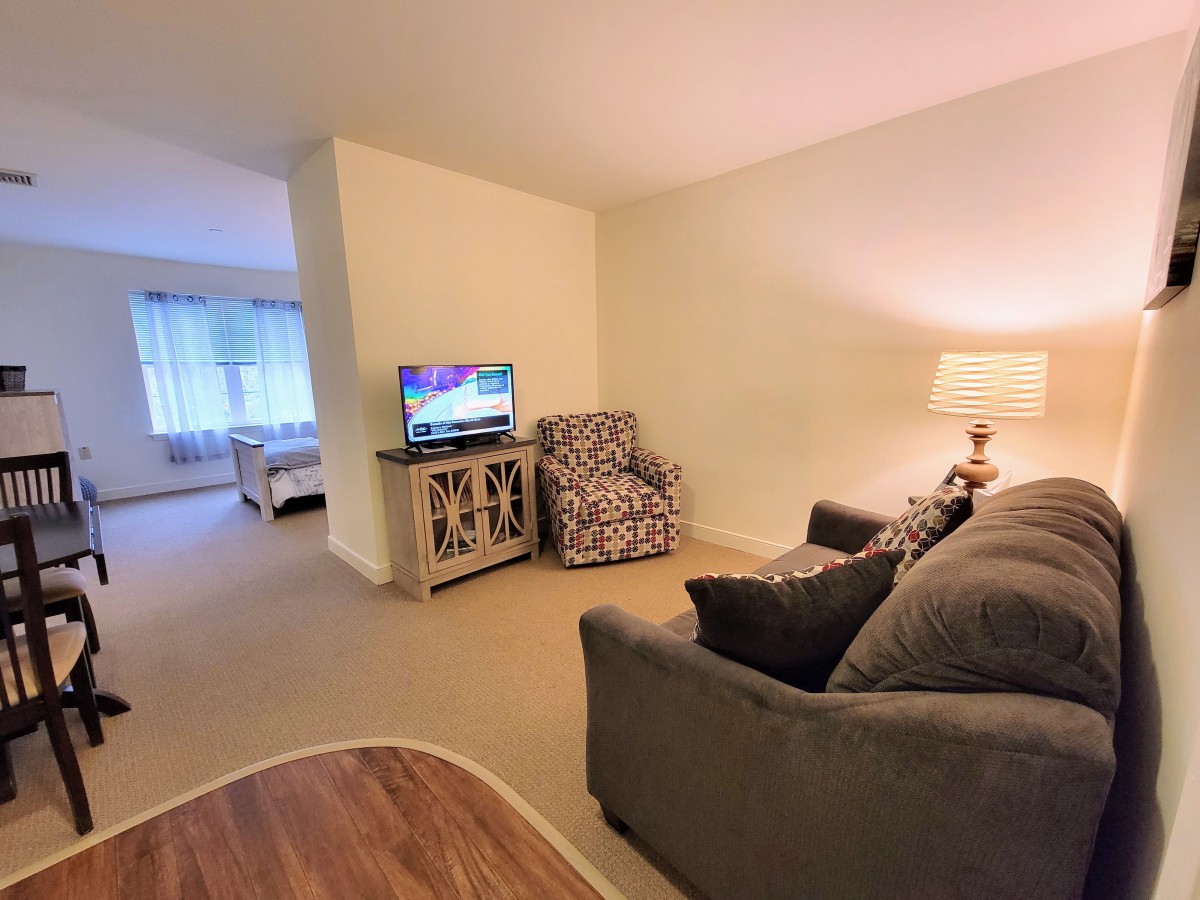
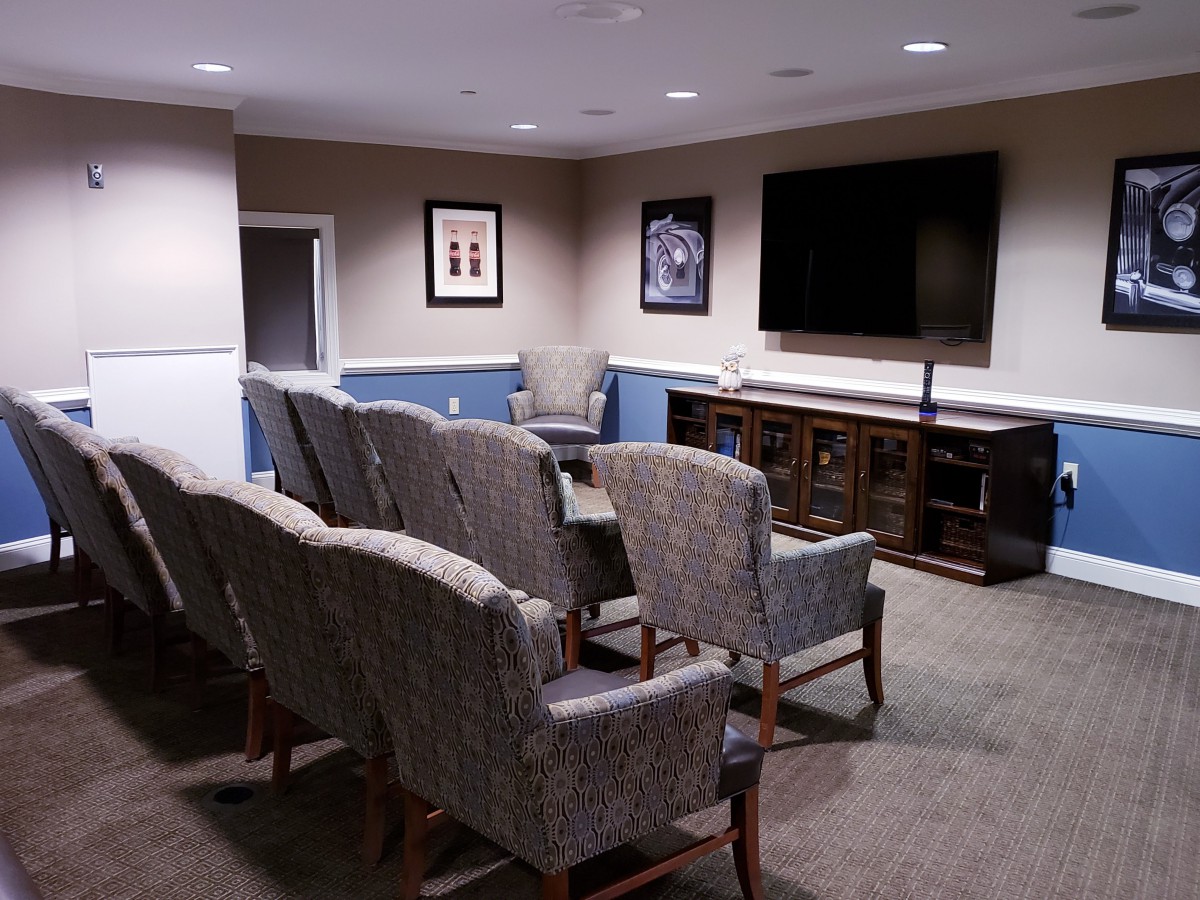
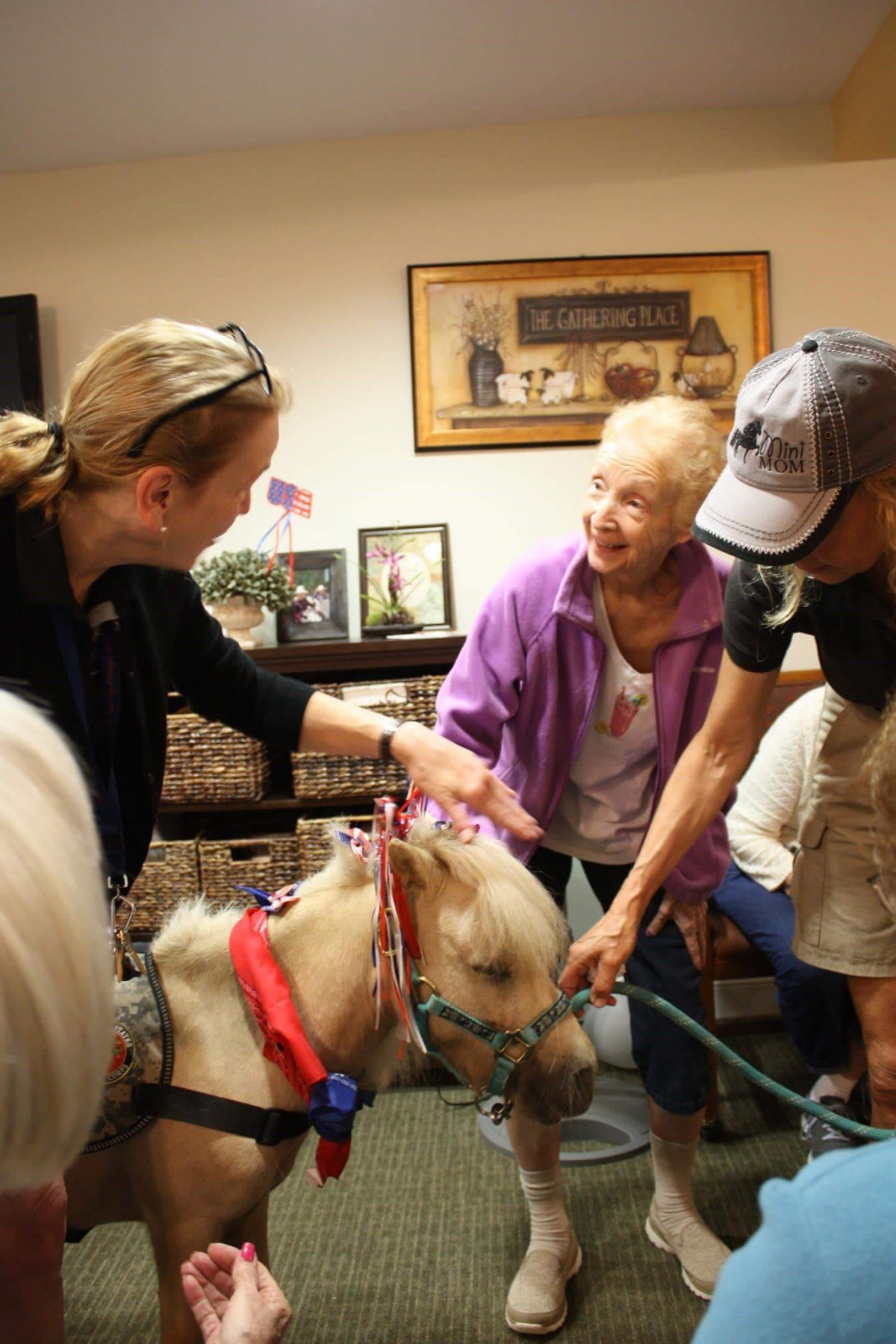
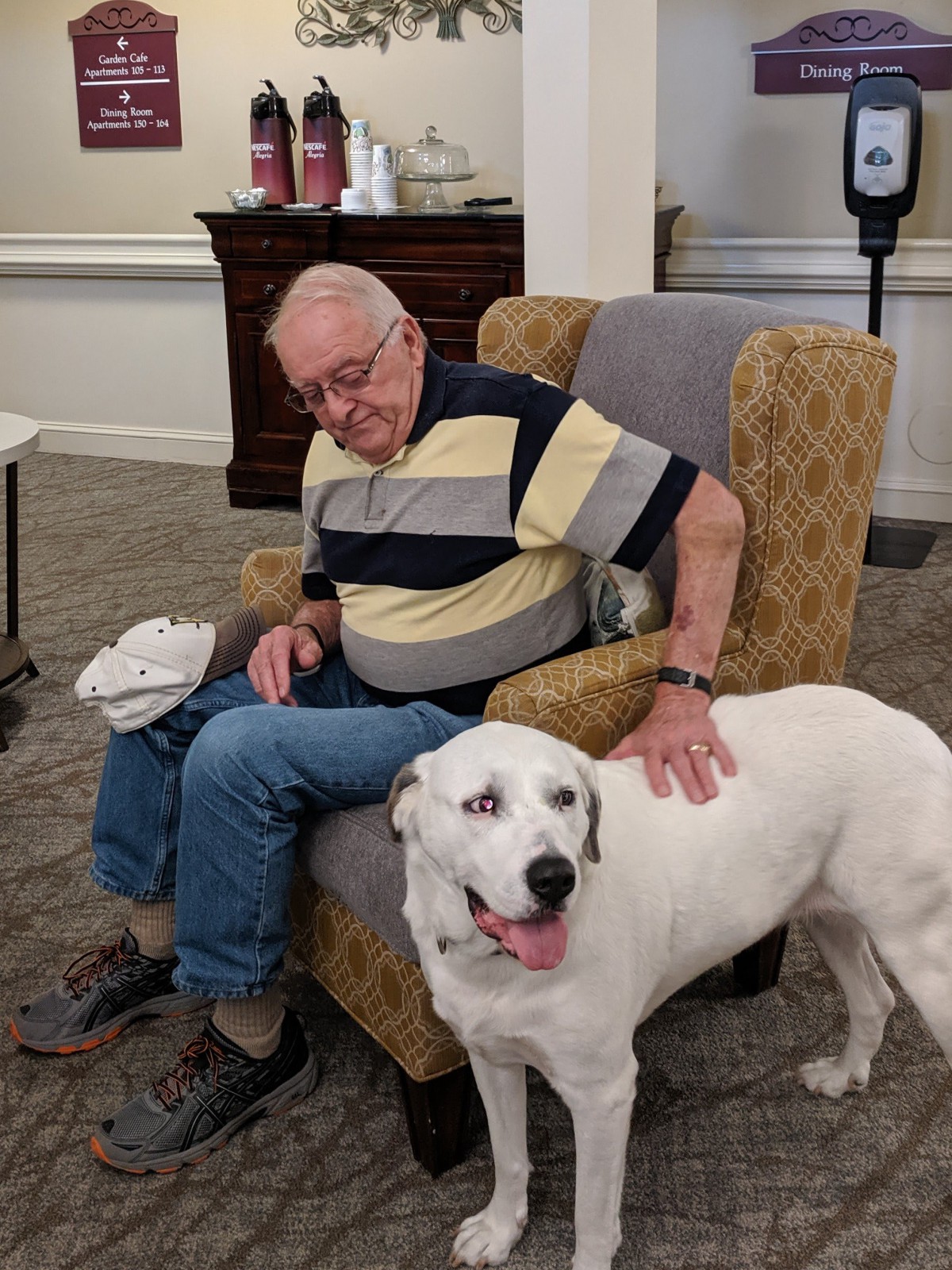
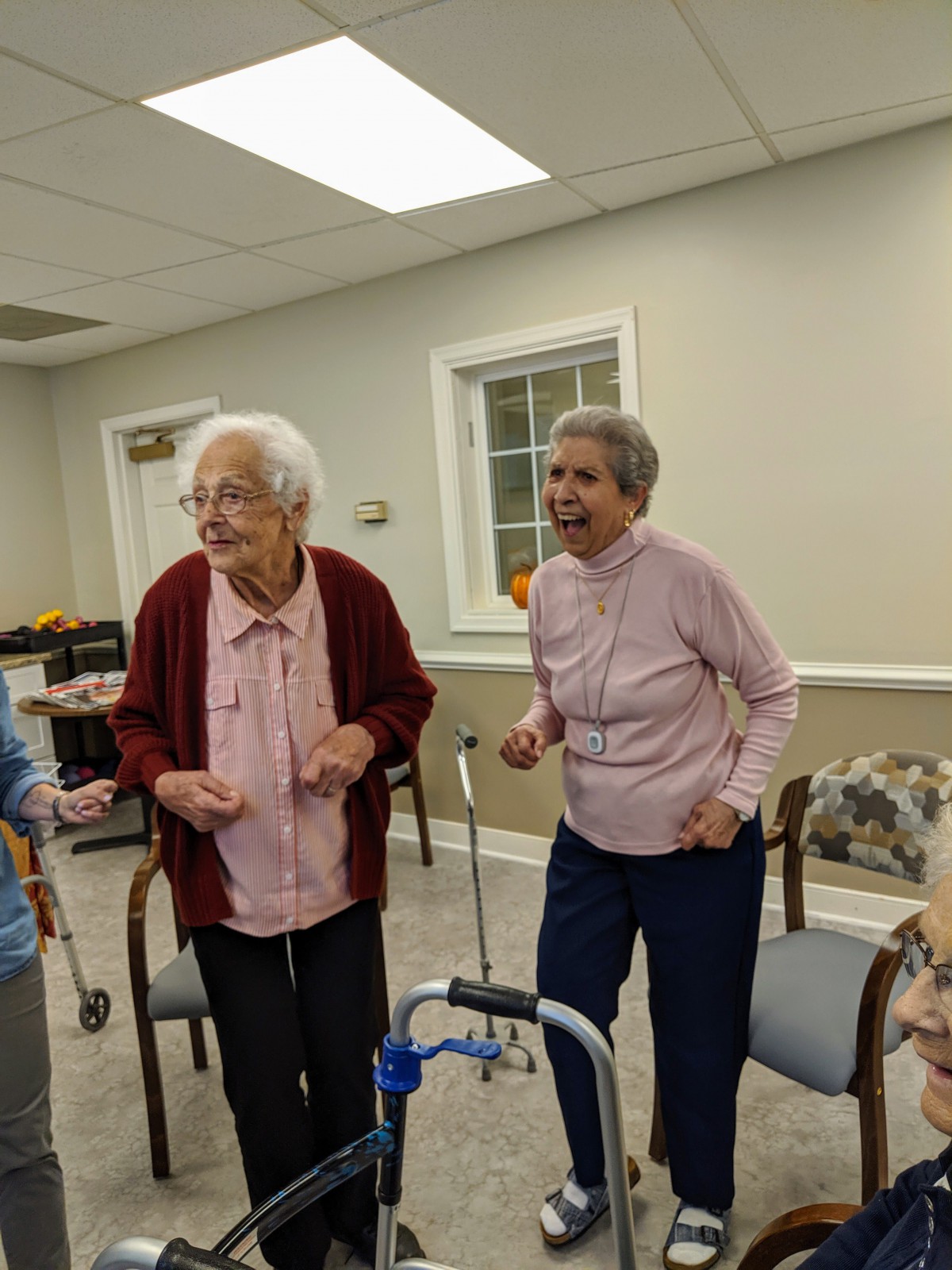
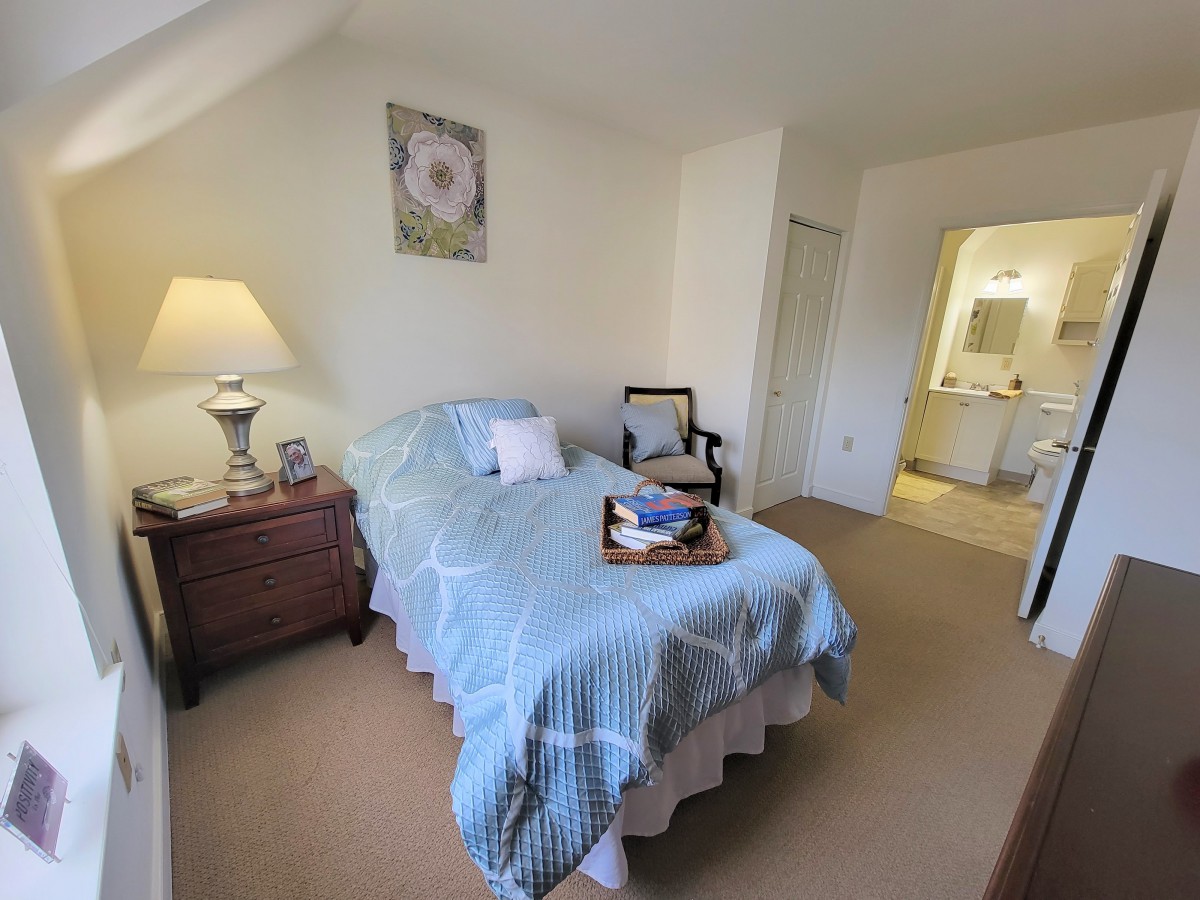
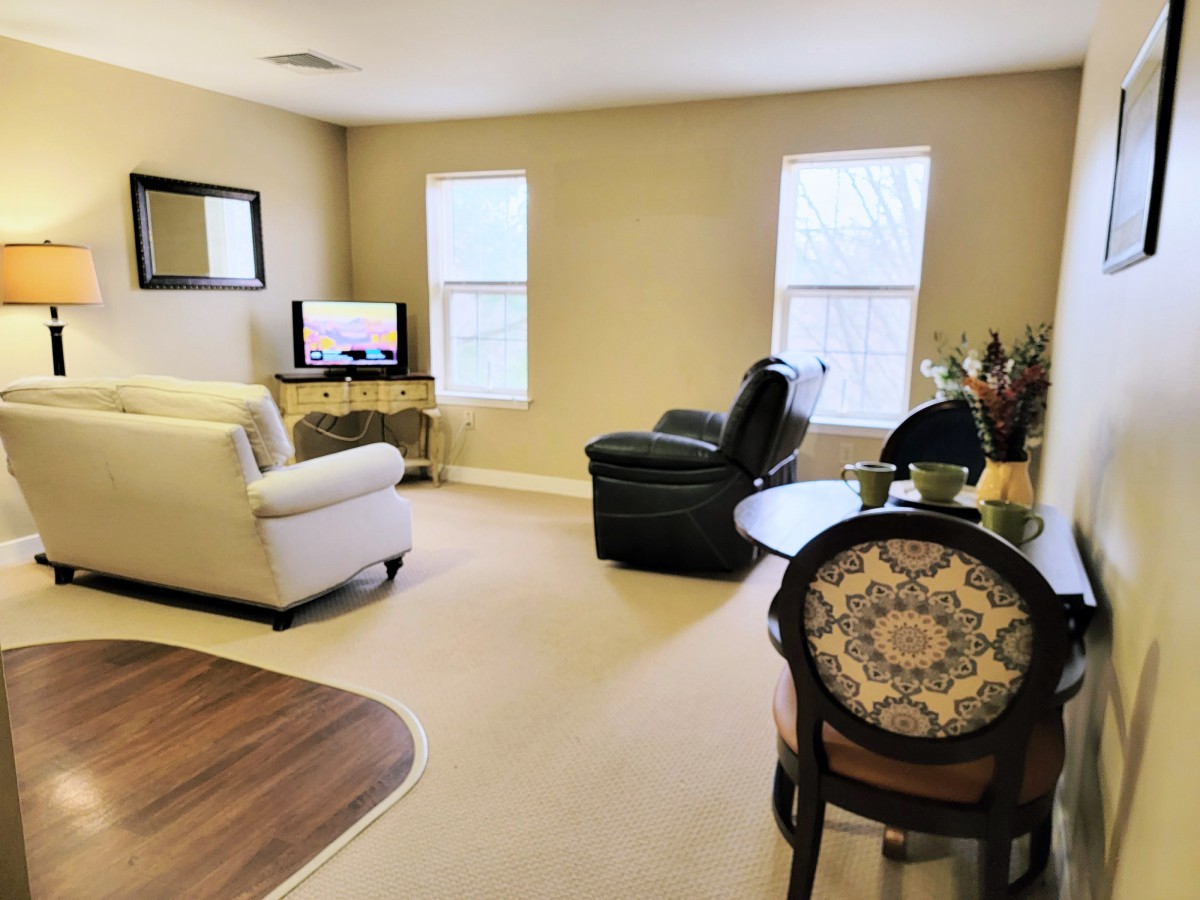
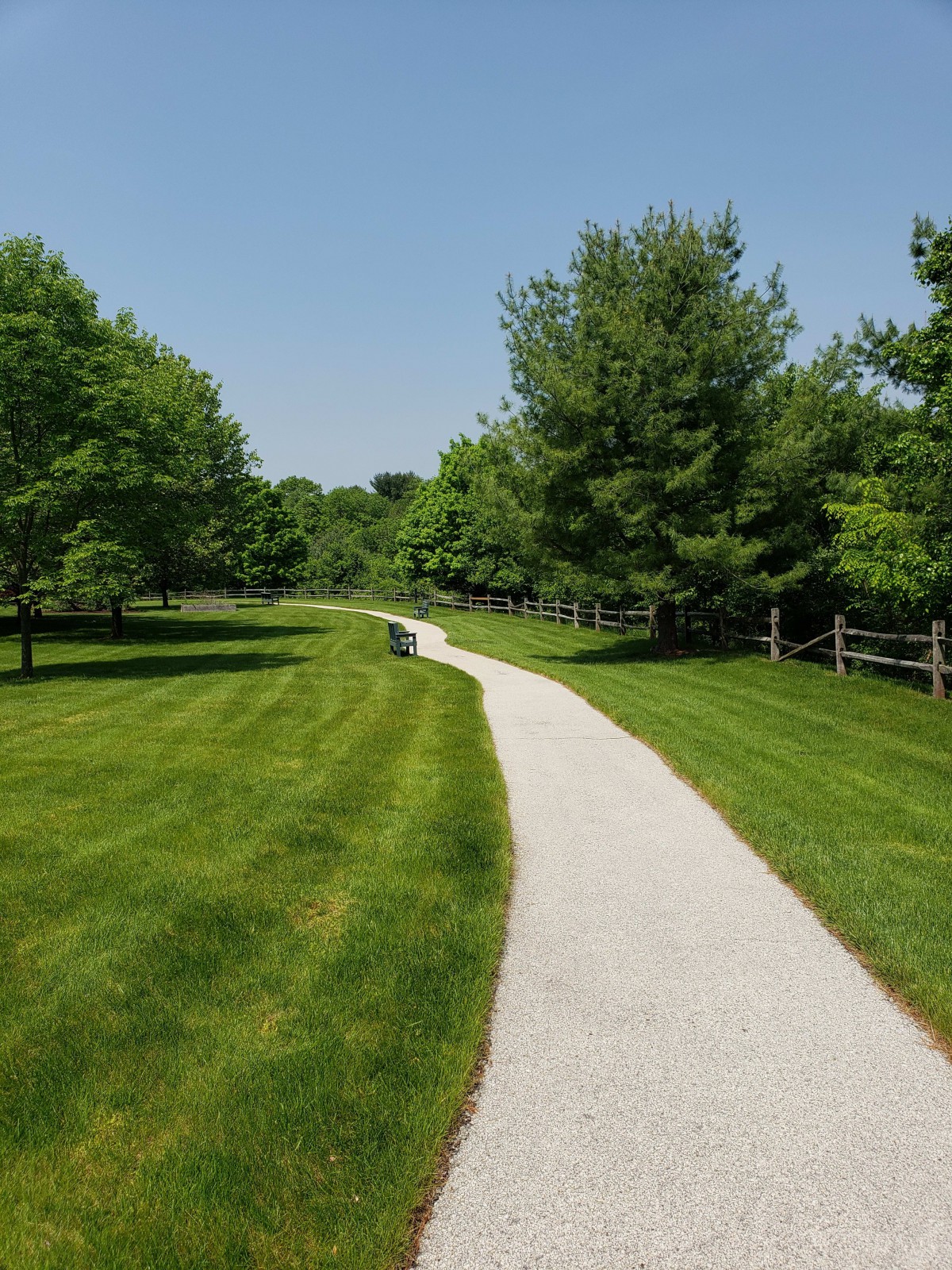
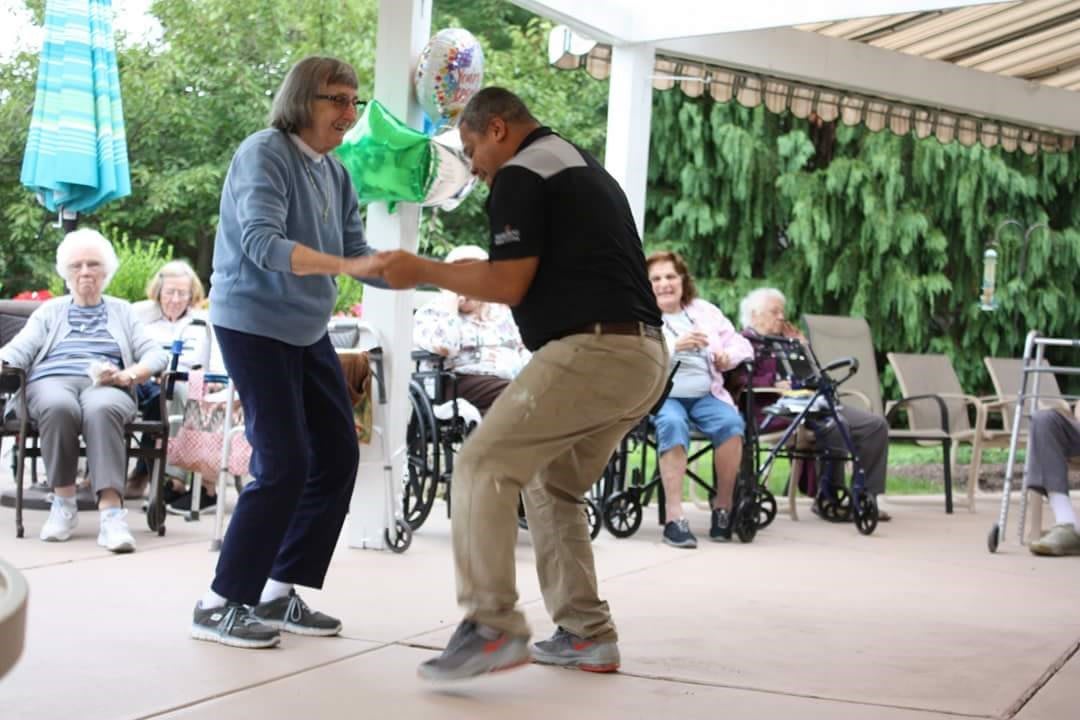
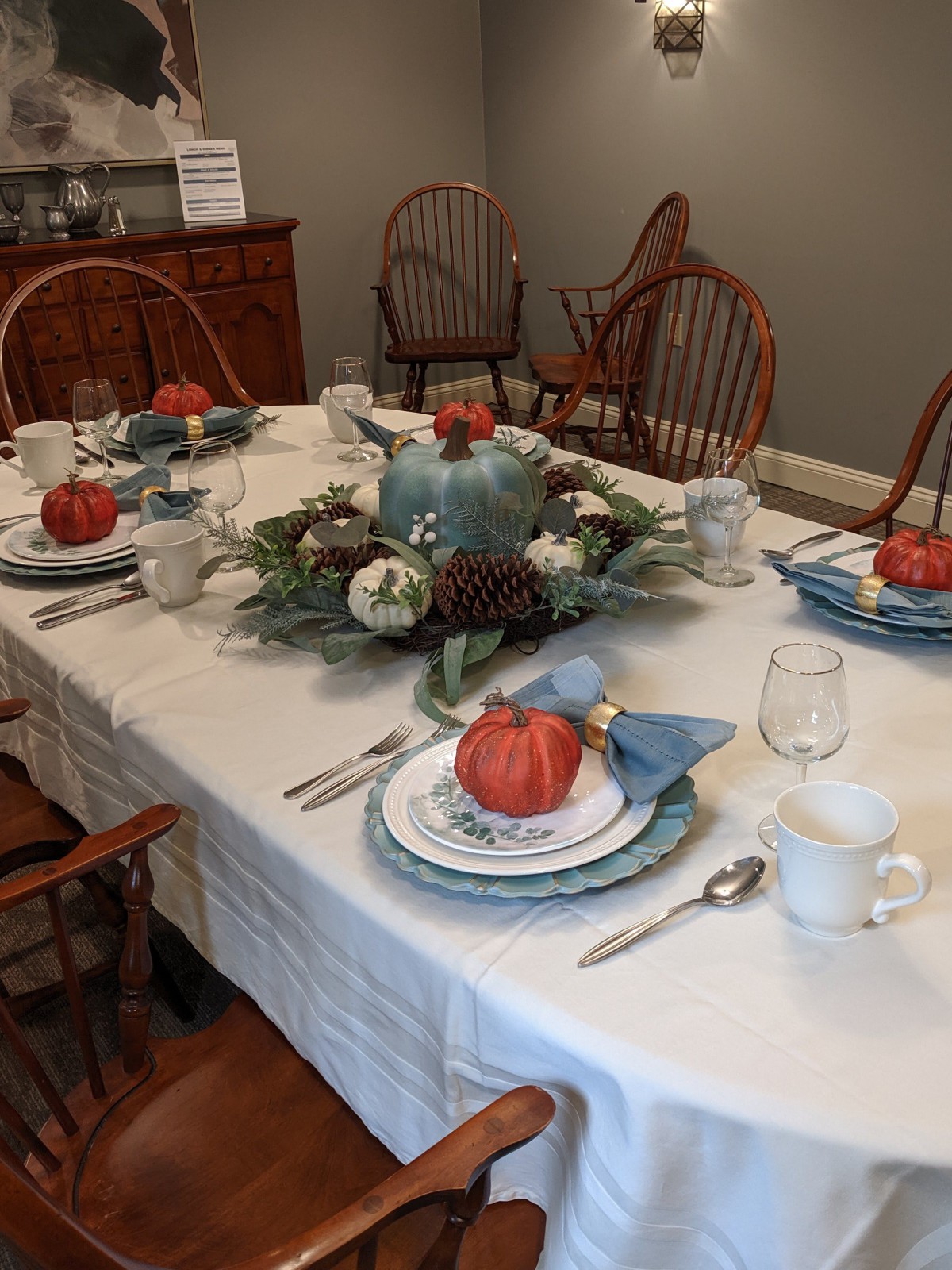
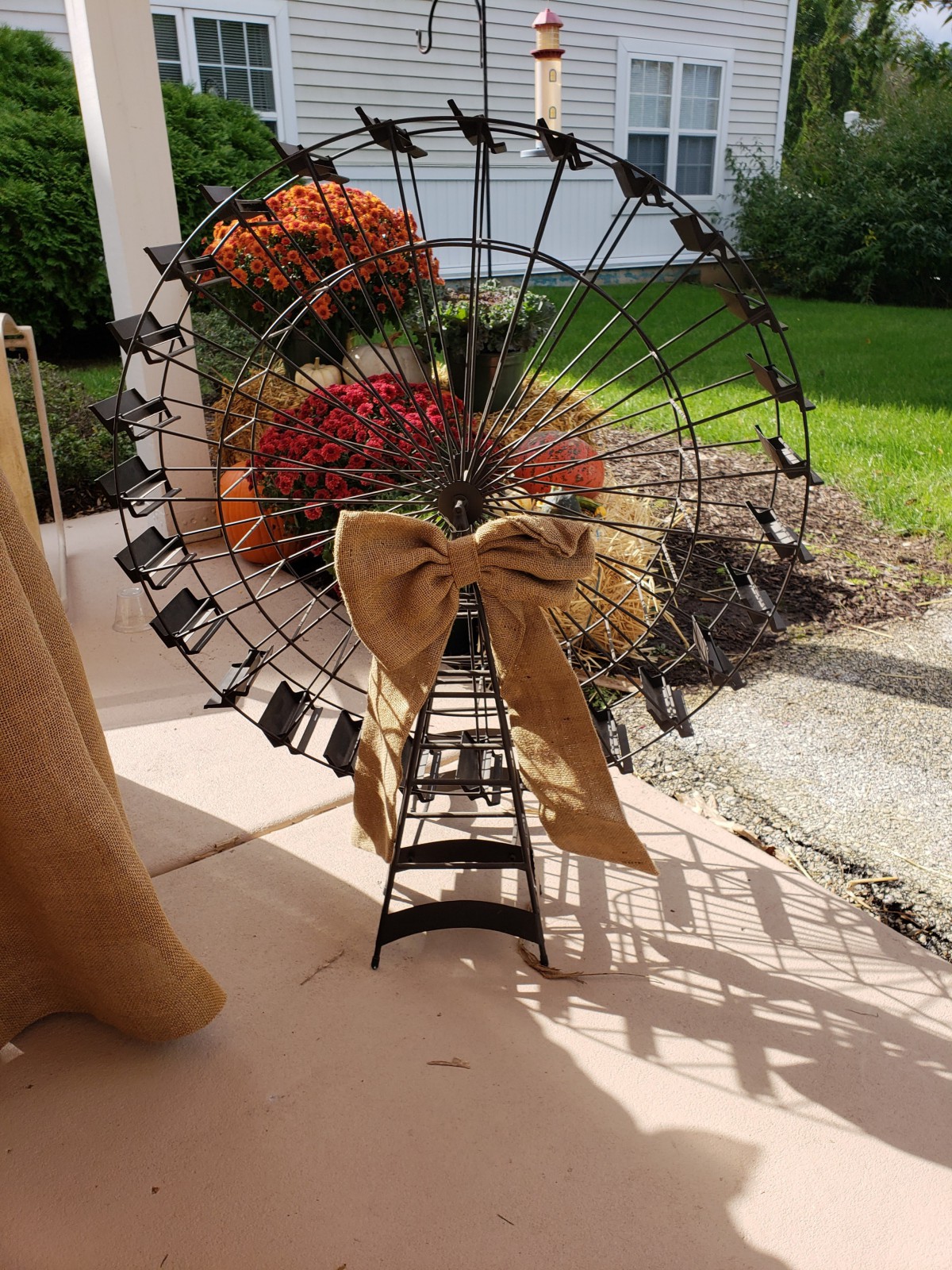
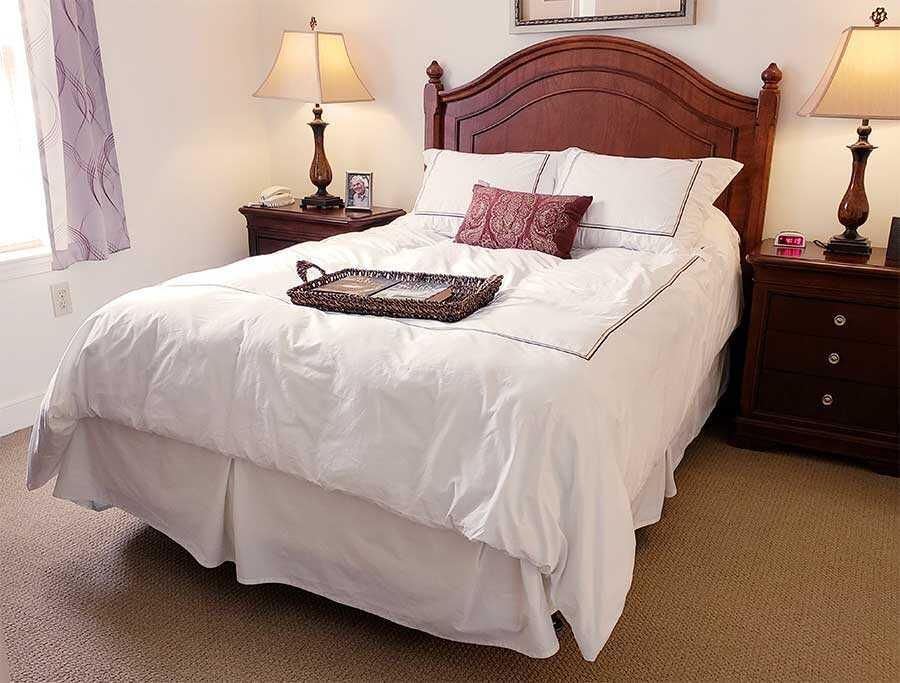
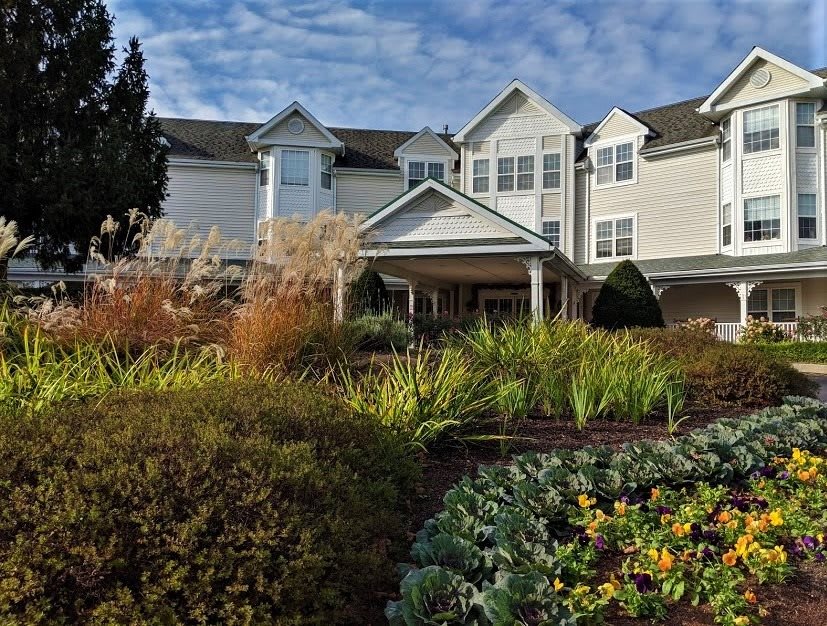
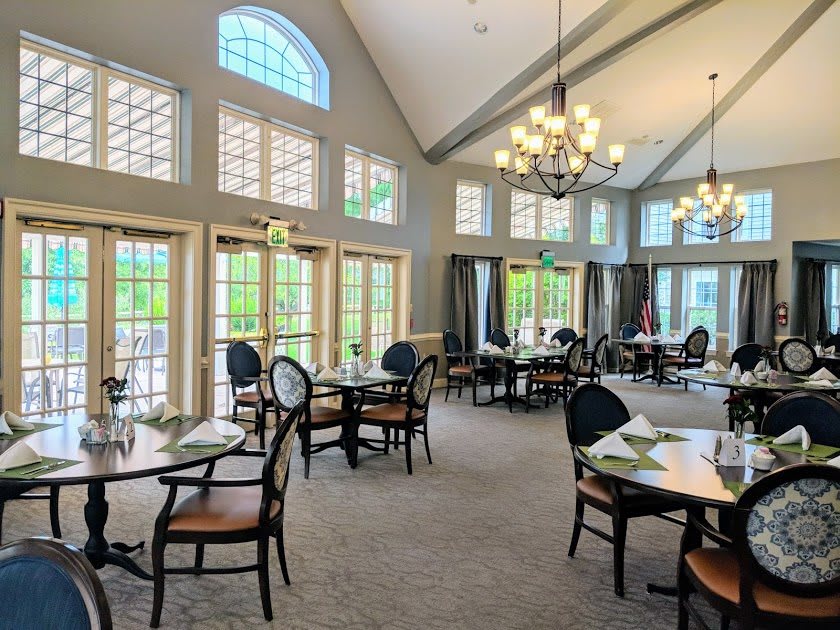
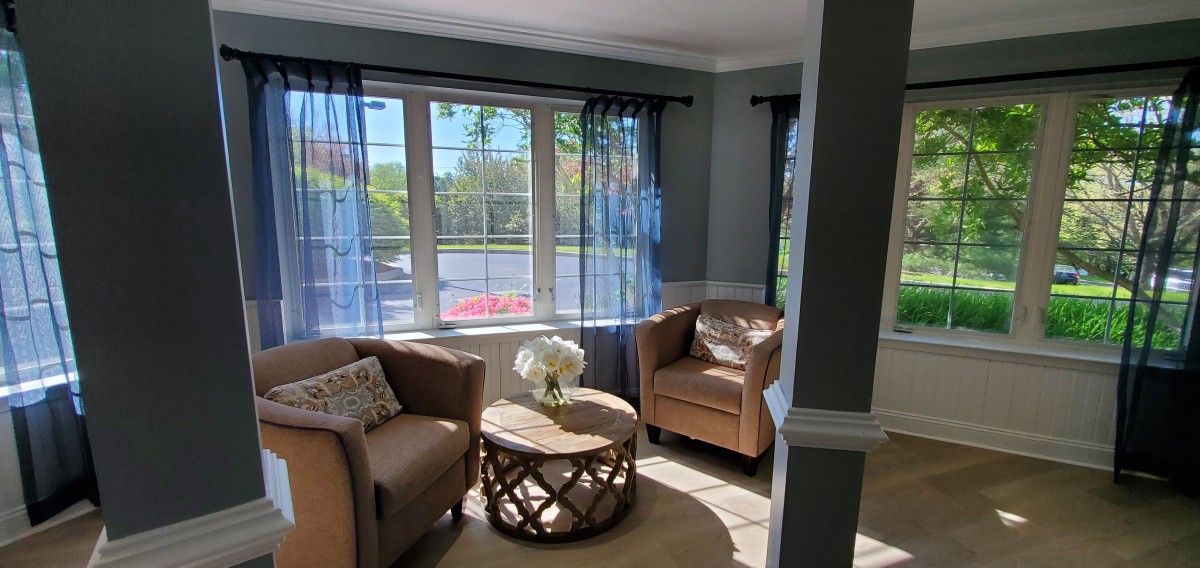
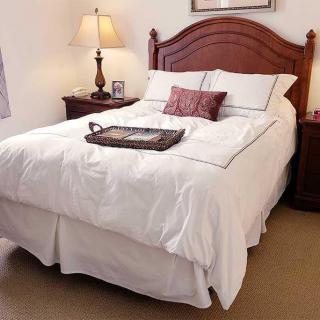
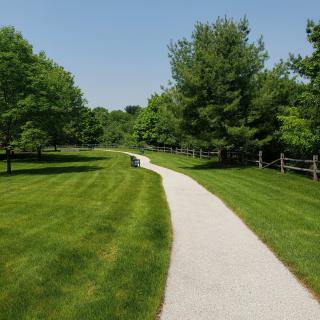
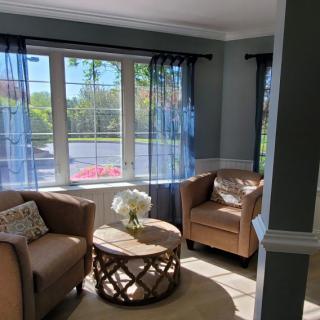
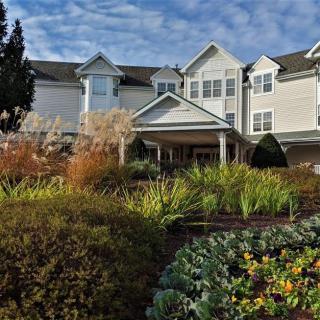
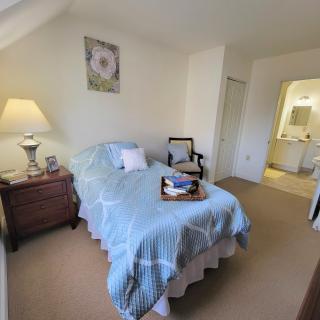
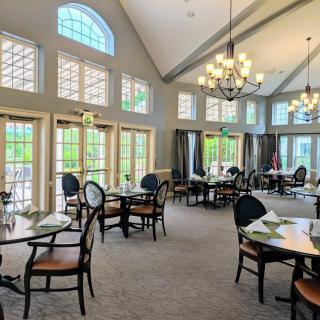
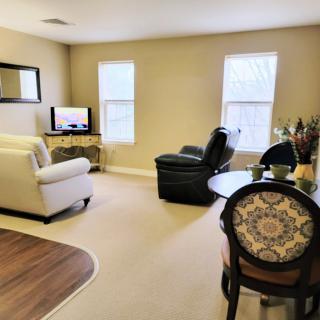
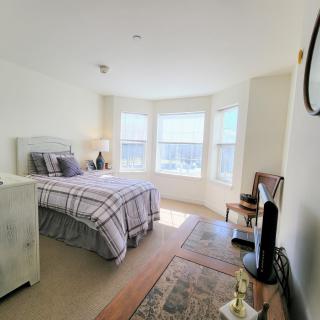
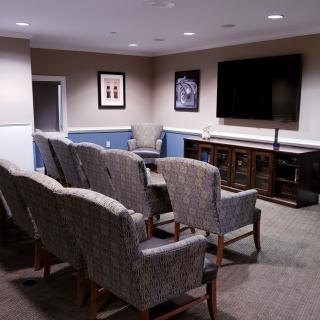
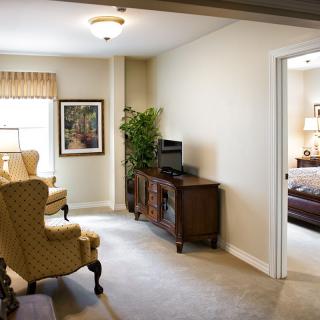
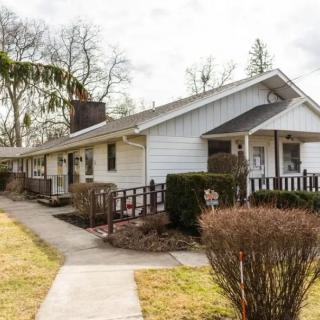
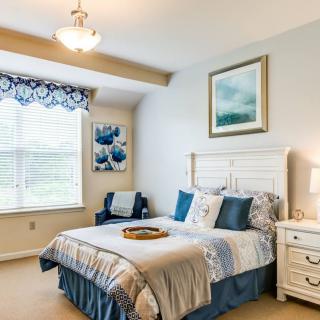
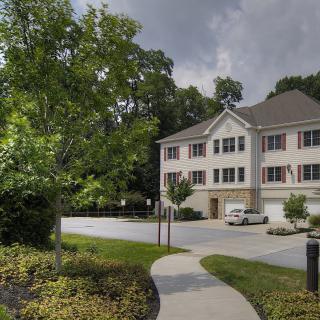
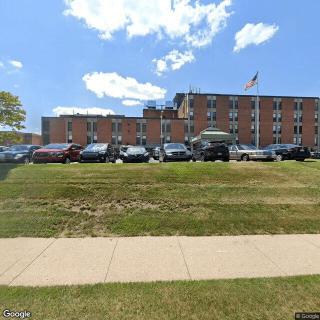
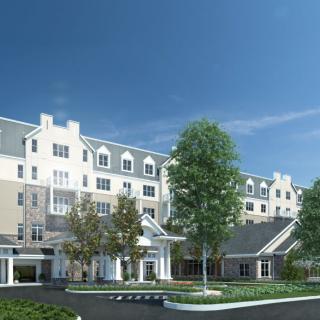
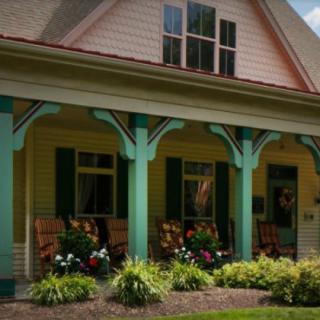
Woodbridge Place on seniors.fyi includes 33 photos including images showing floor plan, interior, bedroom, decor, living room, windows, outdoors, television, and more.
Nearby Communities
Relevant Home Care
Phoenixville, PA
4.5 from 11 reviews
Accommodating caregiver swaps, strong management, proactive communication, and flexible scheduling.
Spring Mill
Phoenixville, PA
4.4 from 150 reviews
$5,075 to $7,965 / month
Welcoming, home-like atmosphere with friendly staff and engaging activities.
Coldstream Crossing
Phoenixville, PA
Small, personalized assisted living with meals, medication management, and nearby healthcare and dining options.
Regency at Kimberton Glen
Phoenixville, PA
3.9 from 15 reviews
Maintenance-free living with personalized care and medication management.
Remed State Road
Phoenixville, PA
2.6 from 5 reviews
Small, personalized setting with comprehensive care, furnished rooms, meals, and coordinated healthcare.
Phoenixville Hospital
Phoenixville, PA
3.5 from 119 reviews
Close to two hospitals and a wide array of nearby amenities (cafes, pharmacies, physicians, parks, dining).
Brandywine Living at Upper Providence
Phoenix, PA
4.8 from 107 reviews
$2,545 to $5,130 / month
Caring staff and engaging activities.
Echo Lake
Malvern, PA
4.7 from 93 reviews
$4,195 to $6,995 / month
Clean, well-maintained facility with friendly staff, engaging activities, and strong dining options.
Columbia Cottage
Collegeville, PA
4.5 from 28 reviews
$5,045 / month
Attentive staff with open family communication in a clean, well-managed setting.
Dementia, influenced by aging and certain medications, may be exacerbated by drug classes such as anticholinergics, benzodiazepines, and antipsychotics, which are associated with cognitive impairment. Regular medication reviews by healthcare professionals are crucial for older adults to manage risks and optimize cognitive health.
Dementia often results in disrupted sleep patterns, leading to excessive daytime sleeping due to factors like brain damage affecting circadian rhythms, medication side effects, and lack of structure in daily activities. Caregivers must monitor these changes closely, as oversleeping can increase risks such as malnutrition or dehydration, and provide necessary support and routines to enhance patient engagement and well-being.
The transition from assisted living to skilled nursing care is often prompted by complex medical needs that assisted living cannot meet, with key indicators including frequent health declines, increased falls, severe memory issues, and caregiver burnout. Families should recognize these signs early to discuss options with healthcare providers and prepare for the emotional and logistical aspects of moving to a facility that offers comprehensive medical support.
Get PricingAsk A QuestionSchedule A TourContact Senior Advisor
By clicking submit, you agree to our Partner's Terms of Use. You
also consent to receive calls and texts, which may be autodialed, from our Partner. Your consent is not a condition to
using our Partner's service. Please visit our Partner's Privacy Policy for information about their privacy practices.








 125 resident community capacity
 Assisted Living
 Memory Care
 Cats allowed
 Dogs allowed
 Activities off-site
 Air-conditioning
 Beautician on-site
 Cable or satellite TV
 Computer center
 Devotional services off-site
 Dining room
 Fitness room
 Fully furnished
 Gaming room
 Garden
 Ground floor units
 Handicap accessible
 Housekeeping services
 Indoor common areas
 Kitchenette
 Move-in coordination
 Outdoor common areas
 Private bathrooms
 Respite or short term stays offered
 Restaurant-style dining
 Small library
 Telephone
 Wellness center
 Wheelchair accessible showers
 Wi-Fi/high-speed internet available
 Philadelphia International (24 miles away)
 Community operated transportation
 12-16 hour nursing
 24-hour call system
 Assistance with bathing
 Assistance with dressing
 Assistance with transfers
 Diabetes diet
 Diabetic care
 High acuity care
 Hospice waiver
 Incontinence care
 Medication management
 Mental wellness program
 Special dietary restrictions
 Transportation arrangement (medical)
 Art classes
 Bible study group
 Concierge services
 Cooking classes
 Day trips and outings
 Educational speakers / life long learning
 Accommodating caregiver swaps, strong management, proactive communication, and flexible scheduling.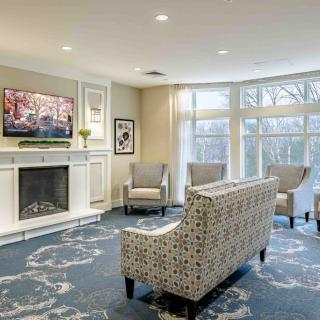
 A Thorough Discussion of Medications Potentially Linked to Dementia Risk
 Why Do Dementia Patients Sleep So Much? Understanding Oversleeping, Stages, and Care Approaches
 8 Key Indicators That Suggest It May Be Time to Transition from Assisted Living to Skilled Nursing Care