
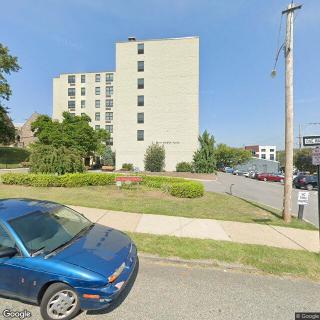
1420 State Road, Phoenixville, PA 19460
For more information about senior living options: (866) 208-4318
Overall Review of Remed State Road
Pros
 They emphasize informing families and legal representatives about transfers to facilities capable of meeting residents' needs.
- They value open, ongoing communication with families regarding residents’ care and status.
- They advocate for accountability and responsibility among staff to ensure proper care.
- They stress the importance of ethical treatment and safeguarding the rights of supported living patients.
- They call for continued improvements and oversight to protect resident welfare and ensure quality care.
Cons
 They claim patient dumping of supportive living care residents to other facilities not equipped to provide needed care, without informing families and legal representatives.
- They report a lack of communication with residents’ families, and that after becoming Collage Rehabilitation, no one takes responsibility for actions of staff.
- They allege unethical practices concerning their supported living patients.
Review
Remed State Road in Phoenixville is best suited for families that must balance cost with a willingness to supervise care closely. This community is not a fit for residents whose needs demand reliable medical coordination, transparent discharge planning, or consistently ethical operations. If certainty, steady communication, and accountable administration matter, the responsible choice will require an active, vigilant family presence to prevent care gaps. For those who can mobilize resources and demand documentation, this option may be manageable, but the ongoing obligation to oversee staff and decisions should be anticipated.
Those evaluating alternatives should understand who may want to look elsewhere. Families needing dependable reporting, clear staffing accountability, and a proven track record of ethically sound practices should prioritize other options. The most serious red flags center on discharge stability and family communication. Reports of patients being moved to facilities ill-equipped to provide needed care, without informing families or legal representatives, point to systemic gaps in governance that could compromise safety. For residents with medical complexity, cognitive impairment, or a need for coordinated care, the environment at this community raises questions that are hard to overlook.
In terms of positives, two five-star ratings suggest that some residents or families experienced acceptable daily living conditions or perceived affordability, but the lack of detailed, actionable feedback makes those impressions unreliable as a basis for choosing care. The negatives dominate the profile: opaque discharge decisions, limited family updates, and allegations of unethical practices related to supported living. Taken together, these factors indicate governance that is unpredictable and accountability that is inconsistent, which erodes trust when families must rely on staff for critical, time-sensitive decisions about a loved one’s welfare.
The core pros, where they exist, do not meaningfully offset the principal cons. Cost savings or convenience cannot compensate for the risk of abrupt transfers, negligent communication, or perceived ethical lapses. When families cannot obtain timely explanations or confirm who is making medical or housing decisions, peace of mind erodes, and the likelihood of disputes or complaints rises. For residents who require stable routines, transparent care planning, and proactive problem resolution, the balance here tilts decidedly toward risk rather than reliability.
Prospective residents should approach with a rigorous due-diligence plan. Inquire about current and historical discharge policies, explicit criteria for transfers, and the exact process used to notify families and responsible parties before any move. Request a written care plan that outlines medical oversight, daily living supports, and who has decision-making authority in emergencies. Verify staffing levels, turnover rates, and the qualifications of the administering team, including who supervises care coordinators and how promptly concerns are escalated. Check the license status and any action history with the state, and seek independent references beyond the marketing materials.
In the end, the prudent conclusion is clear: this community is not a default choice for families seeking reliable, ethical, and communicative senior care. Alternatives with proven governance, transparent family engagement, and established discharge safeguards should be prioritized. If the decision lands here anyway, insist on a detailed, enforceable care agreement, insist on regular, documented family updates, and consider engaging an independent care manager or elder-law consultation to oversee transitions, medical coordination, and ongoing safety. The path forward should be anchored in written protections, proactive oversight, and a plan that leaves little to chance.
 6 resident community capacity
 Assisted Living
 Board and Care Home
 Cable or satellite TV
 Dining room
 Fully furnished
 Garden
 Housekeeping services
 Move-in coordination
 Outdoor space
 Telephone
 Wi-Fi/high-speed internet available
 Philadelphia International (22 miles away)
 24-hour supervision
 Activities of daily living assistance
 Assistance with bathing
 Assistance with dressing
 Assistance with transfers
 Diabetes diet
 Meal preparation and service
 Medication management
 Special dietary restrictions
 Transportation arrangement (medical)
 Transportation to doctors appointments





 Senior Transition Services: Understanding Their Role, Cost, and Importance
 Exploring the Path to Senior Living: A Comprehensive Look at Independent Living and Assisted Living
 Is Assisted Living Deductible on Your Taxes? Understanding the Complexities of Assisted Living Expenses and Deductions