For more information about senior living options: (866) 208-4318
3.4 from 62 reviews
5 stars
30
4 stars
7
3 stars
2
2 stars
2
1 stars
21
Golden Living Community - Phoenixville Villas Costs & Pricing
Golden Living Community - Phoenixville Villas offers competitive pricing for its residential options, particularly when compared to the broader costs observed in Montgomery County and across Pennsylvania. For a semi-private room, residents can expect to pay $1,736 per month, which significantly undercuts both the county average of $4,587 and the state average of $3,542. Similarly, the studio accommodation is priced at $3,115, again more affordable than the county's typical charge of $4,393 and only slightly above Pennsylvania's average of $3,737. This positioning suggests that Golden Living Community - Phoenixville Villas provides a valuable option for potential residents seeking quality care without the high financial burden often associated with assisted living arrangements.
Floor plans
Golden Living Community - Phoenixville Villas
Montgomery County
Pennsylvania
Semi-Private
$1,736
$4,587
$3,542
Studio
$3,115
$4,393
$3,737
Assisted Living communities with a similar price nearby
Overall Review of Golden Living Community - Phoenixville Villas
common34 reviews mention this
Staff seem caring and responsive
Residents and families frequently describe staff who respond, communicate, and look out for day-to-day needs.
Many reviews praise staff and leadership for being attentive and available, with families saying they were kept informed about conditions and updates. Several residents or relatives also describe nurses and aides as kind, caring, and helpful, including mention of timely medication help and regular check-ins. A few reviews take the opposite view and criticize professionalism or care, but the more consistent feedback centers on feeling safe and supported.
common6 reviews mention this
Therapy support is a bright spot
Physical and occupational therapy get repeated praise from residents and families.
Multiple reviews highlight therapy teams as knowledgeable and effective, with specific mentions of physical therapy staff and the therapy working to address needs. Families also describe good experiences coordinating therapy and care alongside nursing and daily support. In contrast, one review argues that weekend therapy coverage was lacking for hospice, which affected how quickly care felt during that period.
caveat10 reviews mention this
Cleanliness complaints are frequent
A recurring concern in reviews is cleanliness, including filthy rooms and unpleasant odors.
Several negative reviews describe conditions as dirty or filthy, including allegations of rare housekeeping, foul smells, and rooms that did not seem properly maintained. Some reviewers also connect cleanliness problems to residentsā€™ overall comfort and well-being. Positive reviews exist and mention a beautiful environment, but the cleanliness criticisms show up often enough to be a consistent caution.
caveat6 reviews mention this
Staffing levels are questioned
Some reviews question staffing, describing weekend gaps or understaffing that slowed care.
A handful of reviews describe staffing problems, including weekend shifts not being fully staffed, skeleton crews, and reliance on agency workers. In those accounts, residents or families say the result was slower or incomplete support when they needed help. These concerns appear alongside generally positive experiences, so staffing coverage seems to be a key variable for residents and families.
common9 reviews mention this
Renovations get mixed reactions
Reviews mention both recent updates and aging or damaged conditions in rooms and common areas.
Some residents and visitors describe renovations as improvements, including updated rooms and a newer-looking lobby, and a few reviews praise management changes happening alongside those updates. Other reviews, however, describe dilapidated or broken items in rooms and characterize the facility as aged or not maintained. Taken together, the feedback suggests that renovations may be uneven across spaces or time.
How we summarize
Counts show how many written reviews mention each theme; a review can touch several themes, and only frequently mentioned themes are displayed.
Features
Types of Care
Assisted Living
Amenities
Activities on-site
Devotional services off-site
Indoor common areas
Transportation
Philadelphia International (22 miles away)
Care Services
Ambulatory care
Dining
Meals provided
Activities
Activities on-site
Devotional activities offsite
Nearby Places of Interest
Hospitals
Phoenixville Hospital (0.2 miles)
Einstein Collegeville (3.6 miles)
Paoli Hospital (5.4 miles)
Physicians Care Surgical Hospital (6.9 miles)
Universal Health Services (8.2 miles)
Pharmacies
Gateway Pharmacy (0.3 miles)
Walgreens (0.9 miles)
Rite Aid (1.4 miles)
CVS Pharmacy (1.5 miles)
Wegmans (3.4 miles)
Endo Pharmaceuticals (3.6 miles)
CVS Pharmacy (4.4 miles)
Physicians
Dr Solis's Office (0.6 miles)
Phoenixville Valley Forge Dermatology Associates (1.5 miles)
Main Line Center For Oral & Facial Surgery (5.3 miles)
Golden Living Community - Phoenixville Villas offers competitive pricing for its residential options, particularly when compared to the broader costs observed in Montgomery County and across Pennsylvania. For a semi-private room, residents can expect to pay $1,736 per month, which significantly undercuts both the county average of $4,587 and the state average of $3,542. Similarly, the studio accommodation is priced at $3,115, again more affordable than the county's typical charge of $4,393 and only slightly above Pennsylvania's average of $3,737. This positioning suggests that Golden Living Community - Phoenixville Villas provides a valuable option for potential residents seeking quality care without the high financial burden often associated with assisted living arrangements.
Activities of Daily Living (ADLs) are fundamental tasks vital for an individual's independence, particularly in older adults over 85, and include functions like bathing and dressing; assessing ADLs alongside Instrumental Activities of Daily Living (IADLs) helps determine the level of required assistance due to age-related health challenges. Tailored support plans, involving family and community resources, are essential for maintaining dignity and autonomy in assisted living environments.
Family caregivers face emotional, legal, and practical challenges when elderly parents refuse assisted living, often due to fears of losing autonomy. Open conversations and professional assessments can help address these concerns while exploring alternatives and ensuring safety, potentially leading to legal guardianship if necessary.
Luxury assisted living offers high-quality senior care in a resort-like environment that combines essential medical support, gourmet dining, and personalized services to enhance residents' independence and well-being. These upscale facilities emphasize holistic health and community-building through customized care plans and social activities, catering to the growing demand for enriched senior living experiences despite higher costs.
Get PricingAsk A QuestionSchedule A TourContact Senior Advisor
By clicking submit, you agree to our Partner's Terms of Use. You
also consent to receive calls and texts, which may be autodialed, from our Partner. Your consent is not a condition to
using our Partner's service. Please visit our Partner's Privacy Policy for information about their privacy practices.


 Assisted Living
 Activities on-site
 Devotional services off-site
 Indoor common areas
 Philadelphia International (22 miles away)
 Ambulatory care
 Meals provided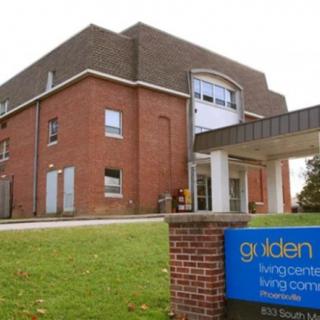
 24/7 supervision with comprehensive care including diabetes management, plus restaurant-style dining and engaging activities.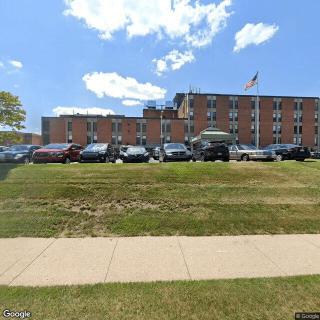


 Comprehensive Insights into Activities of Daily Living (ADLs) and Their Assessment
 Guiding Elderly Parents Who Refuse Assisted Living: 6 Practical Steps
 Your Comprehensive Guide to Luxury Assisted Living: Elevated Facilities, Amenities, and Costs