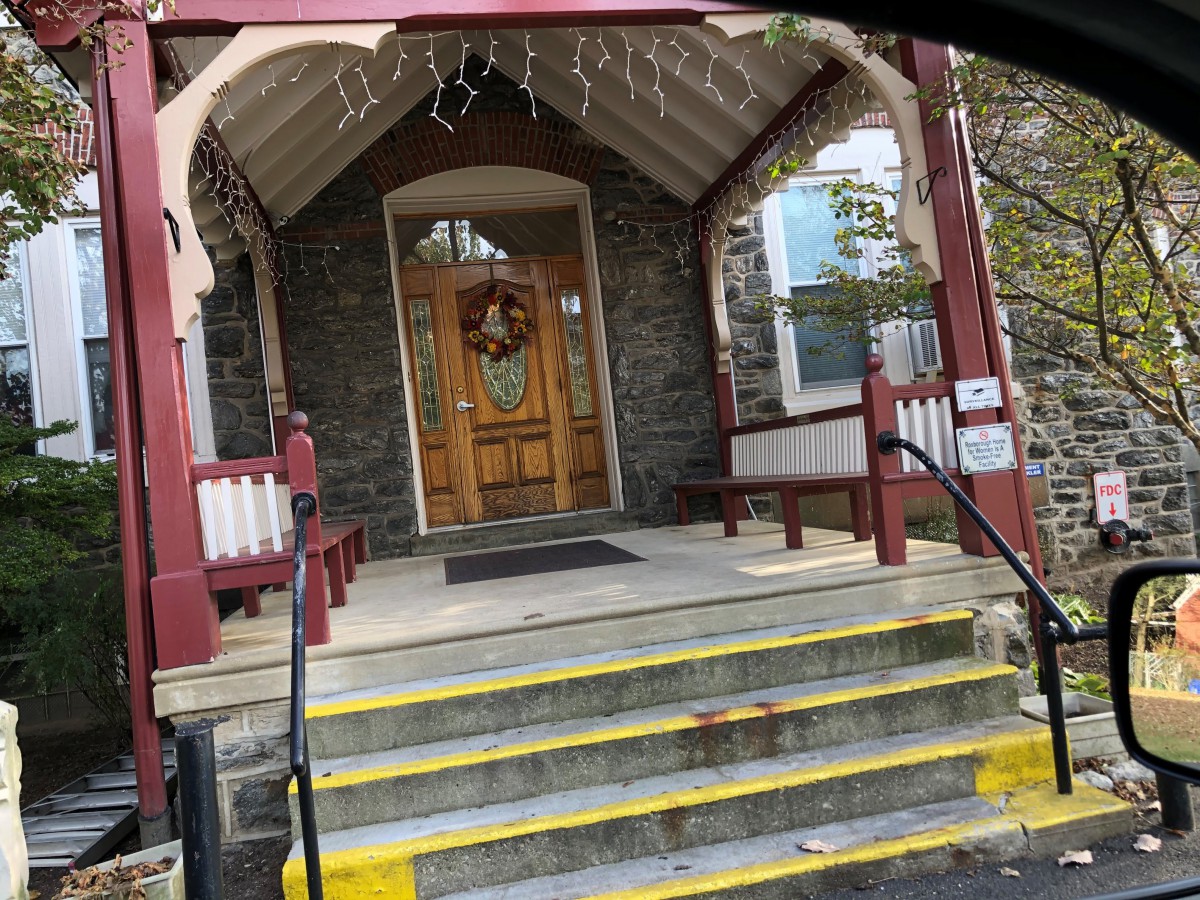








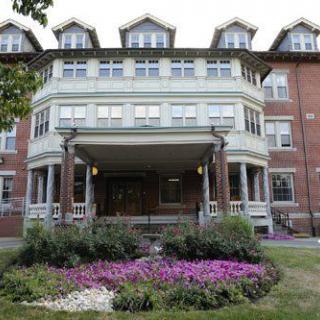
601 Leverington Ave, Philadelphia, PA 19128
To contact a resident: (215) 482-6615
For more information about senior living options: (866) 208-4318
Roxborough Home For Women Costs & Pricing
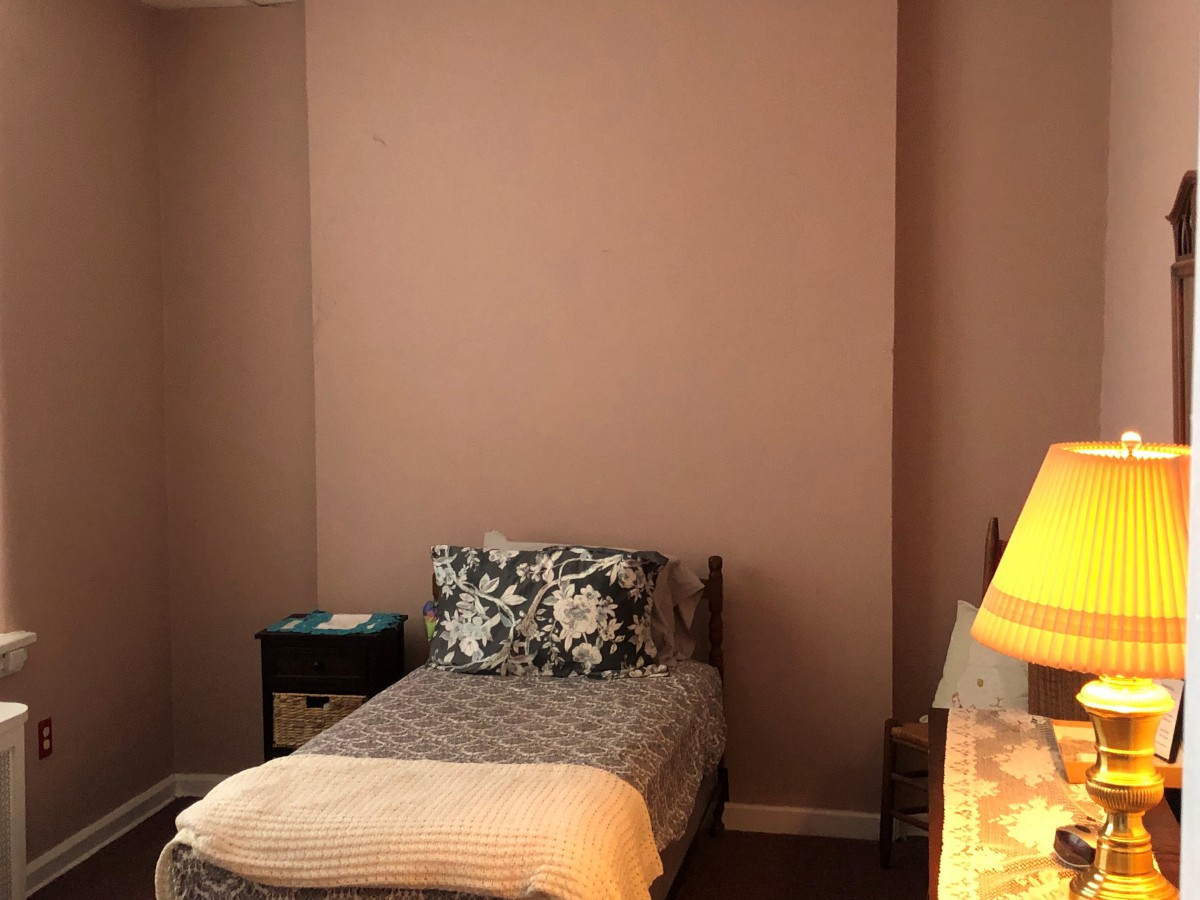
Roxborough Home for Women offers an affordable monthly rate for studios at $1,040, significantly lower than both the average costs in Philadelphia County, which stand at $2,752, and the broader state average of $3,737. This pricing not only reflects the home's commitment to accessibility but also highlights its value in providing residents with quality living arrangements at a fraction of the local and state rates. The favorable cost structure makes Roxborough an appealing option for women seeking supportive housing in a nurturing environment while being mindful of their financial well-being.
| Floor plans | Roxborough Home For Women | Philadelphia County | Pennsylvania |
|---|---|---|---|
| Studio | $1,040 | $2,752 | $3,737 |
Assisted Living communities with a similar price nearby
-
from -$100 / mo
Philadelphia Protestant Home
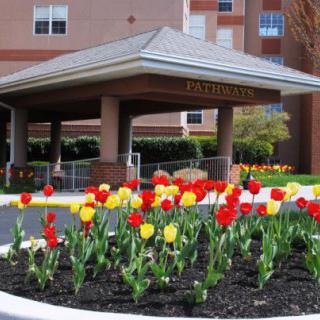
$940 to $1,266 / month6.6 miles away -
from +$140 / mo

Pickering Manor a CCRC
$1,180 to $4,100 / month20.2 miles away -
from -$140 / mo
Elohim Personal Care Home
$900 / month4.0 miles away -
from +$60 / mo

Wedgwood Americana
$1,100 to $1,300 / month24.4 miles away
Overall Review of Roxborough Home For Women
Pros
 The staff are very good on every shift.
- They do a great job.
- The mother is in good hands, giving her family peace of mind.
- The reviewer would recommend Roxborough Home to friends.
- The home is wonderful.
- There is always plenty for the residents to do.
- The level of care is excellent.
- The staff are always helpful and go out of their way to make her feel welcome.
- It is a nice place to work.
- The reviewer loves working there.
- They treat the grandmother like a queen.
- The home was a godsend.
Cons
 The administrator at Roxborough Home for Women turned her mom away because she was too quiet during a 15-minute interview.
- There was no response from staff after explaining the situation and asking for another chance.
- It took five days of calling to get any answer about whether her mom was accepted.
- On several visits, half the staff were observed outside smoking next to a non-smoking facility sign.
Review
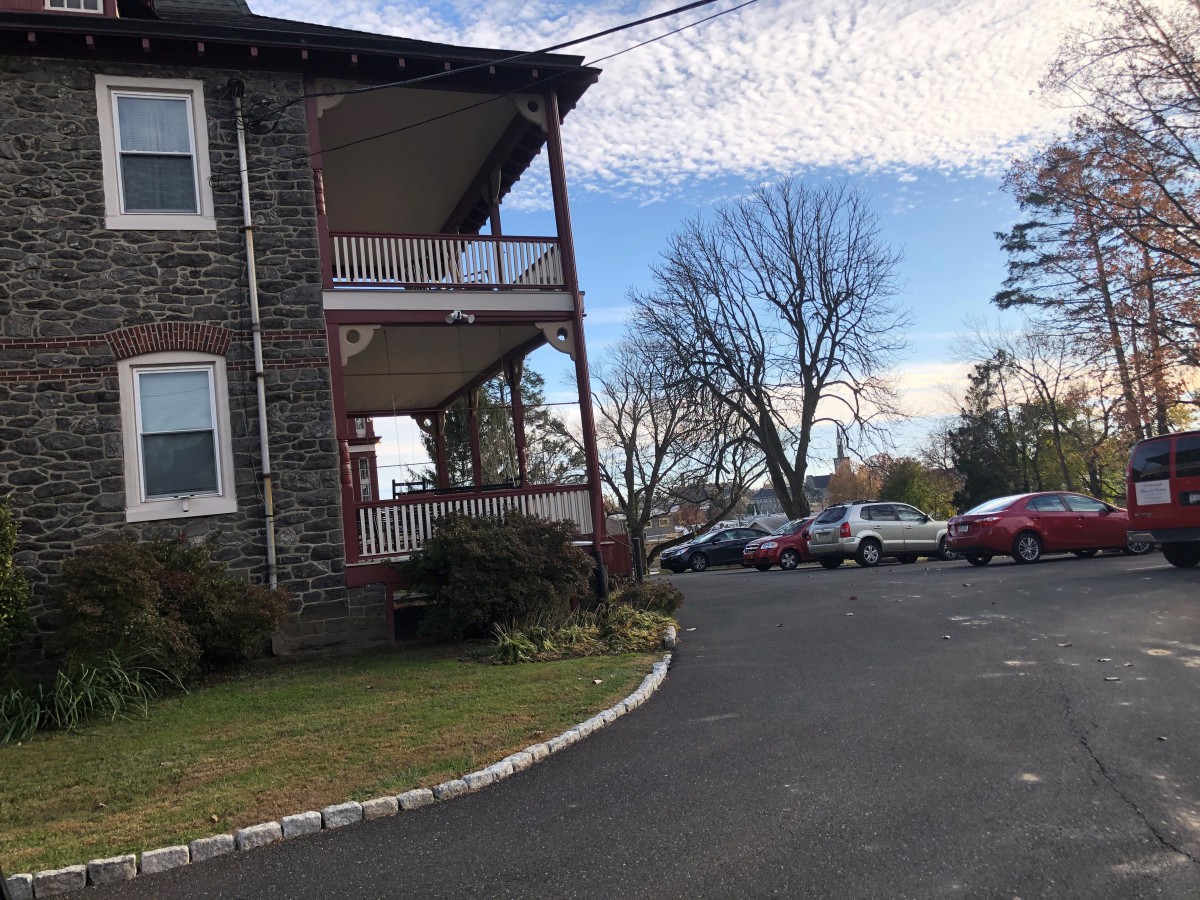
This community is best suited for an aging woman whose family wants a warm, home-like setting with attentive, relationship-focused care. It works well for families seeking a smaller, intimate residence where meals, laundry, cleaning, and daily medication oversight are reliably handled, and where staff-c resident rapport creates a sense of safety and belonging. The fit is strongest for residents in the early to mid stages of memory challenges or those who thrive in a socially engaged environment that feels less institutional than a large corporate campus.
The strongest draw is the staff commitment. Across shifts, caregivers are repeatedly described as capable, patient, and genuinely caring, with a willingness to go above and beyond to make residents feel welcome. Families report a tangible peace of mind knowing their loved one is watched over, with caregivers who attend to daily routines, coordinate with therapists, and support mood and outlook. A recurring theme is that the team treats residents with dignity, sometimes described as “like a queen,” and that small acts of attention, whether at mealtimes, during activities, or in quiet moments, add up to a meaningful quality of life.
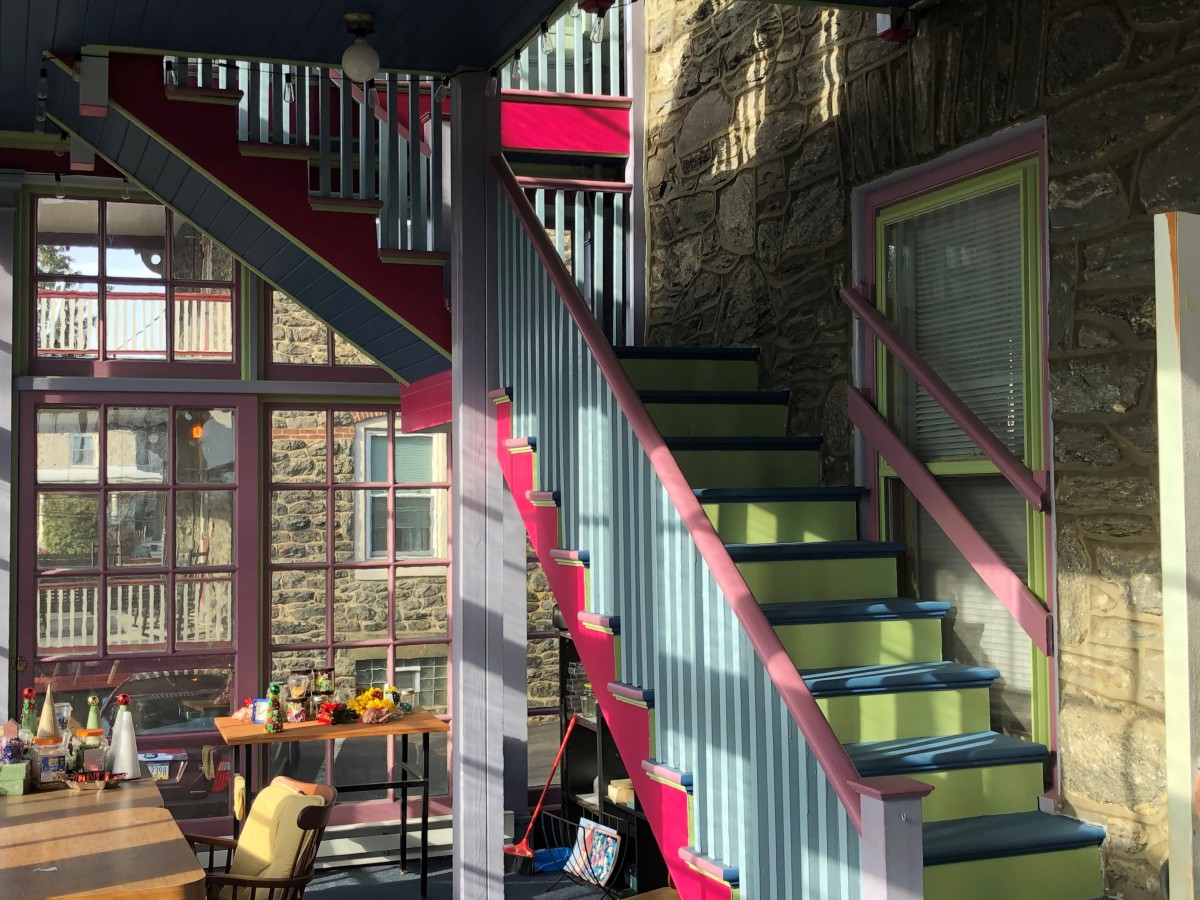
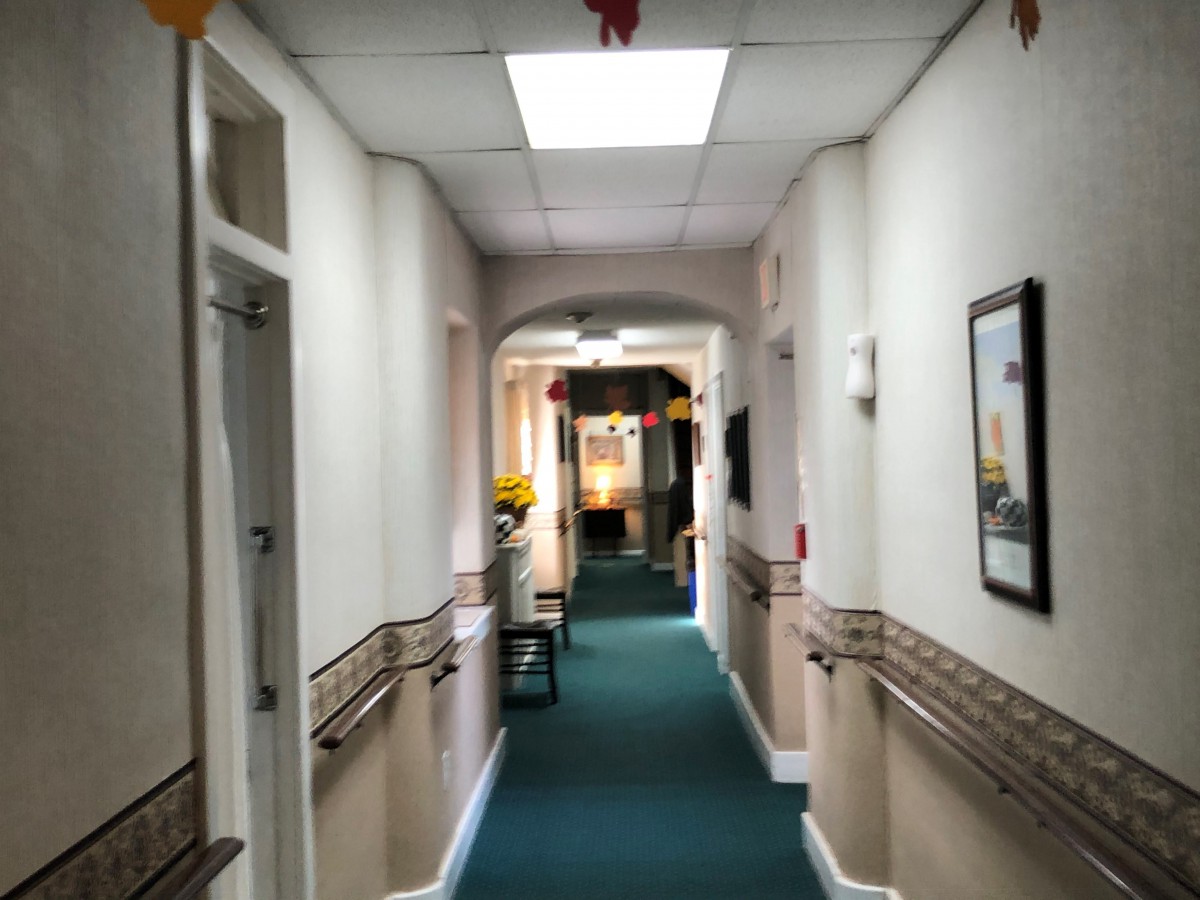
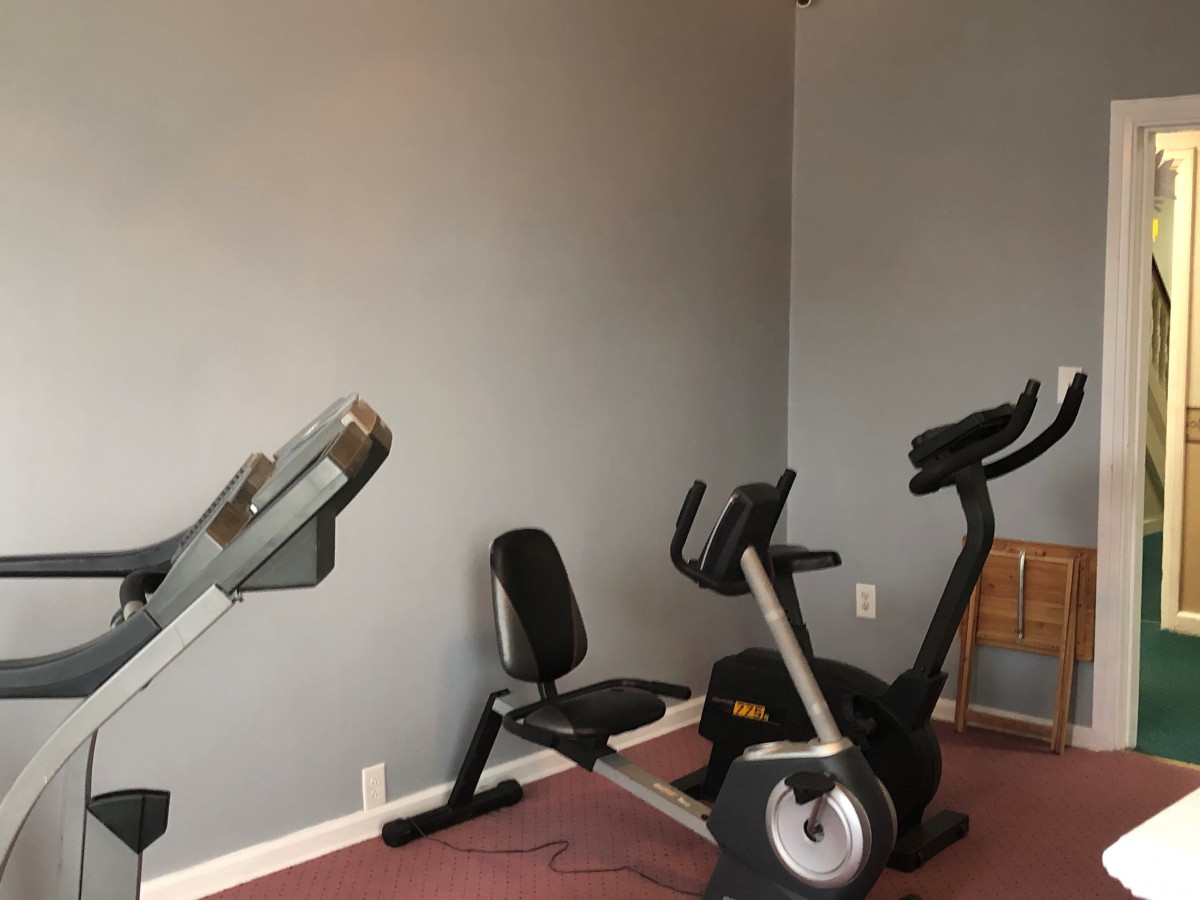
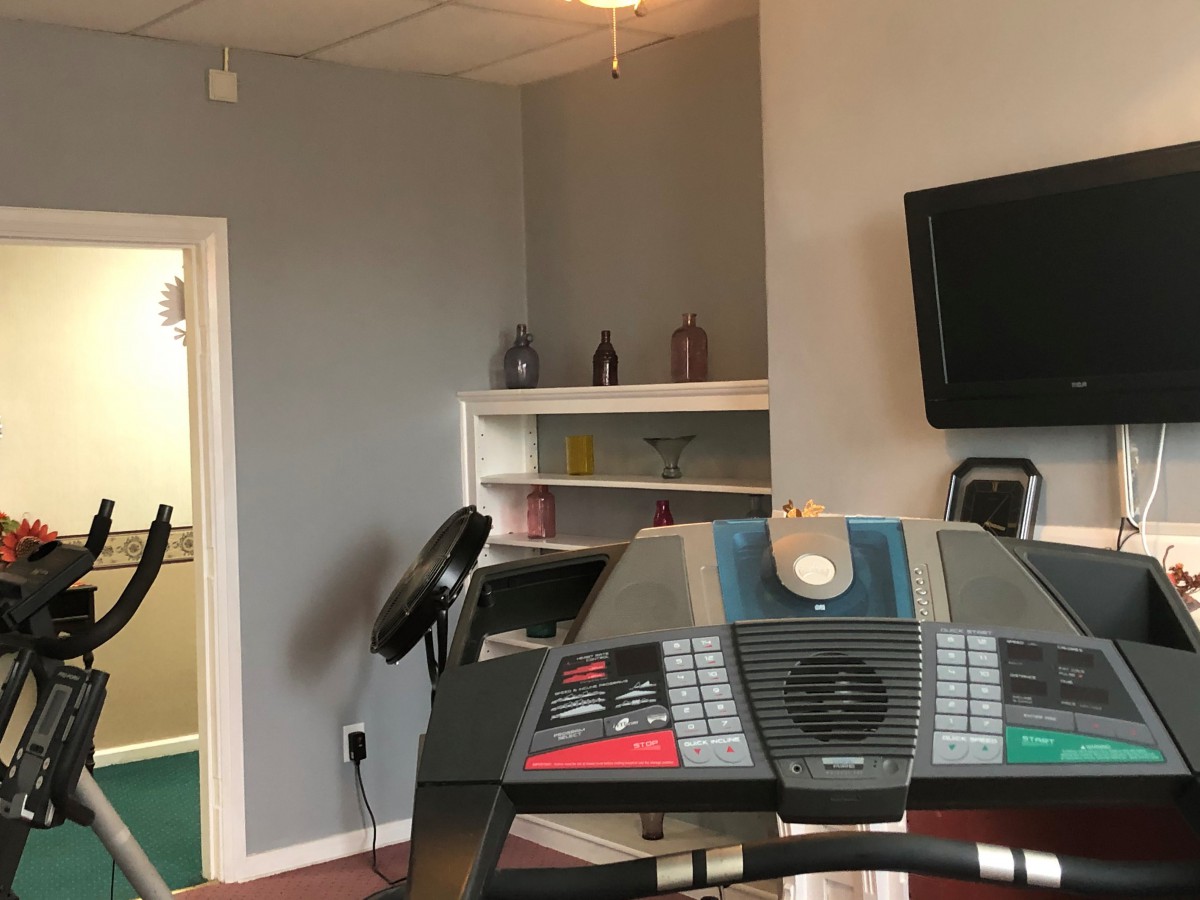
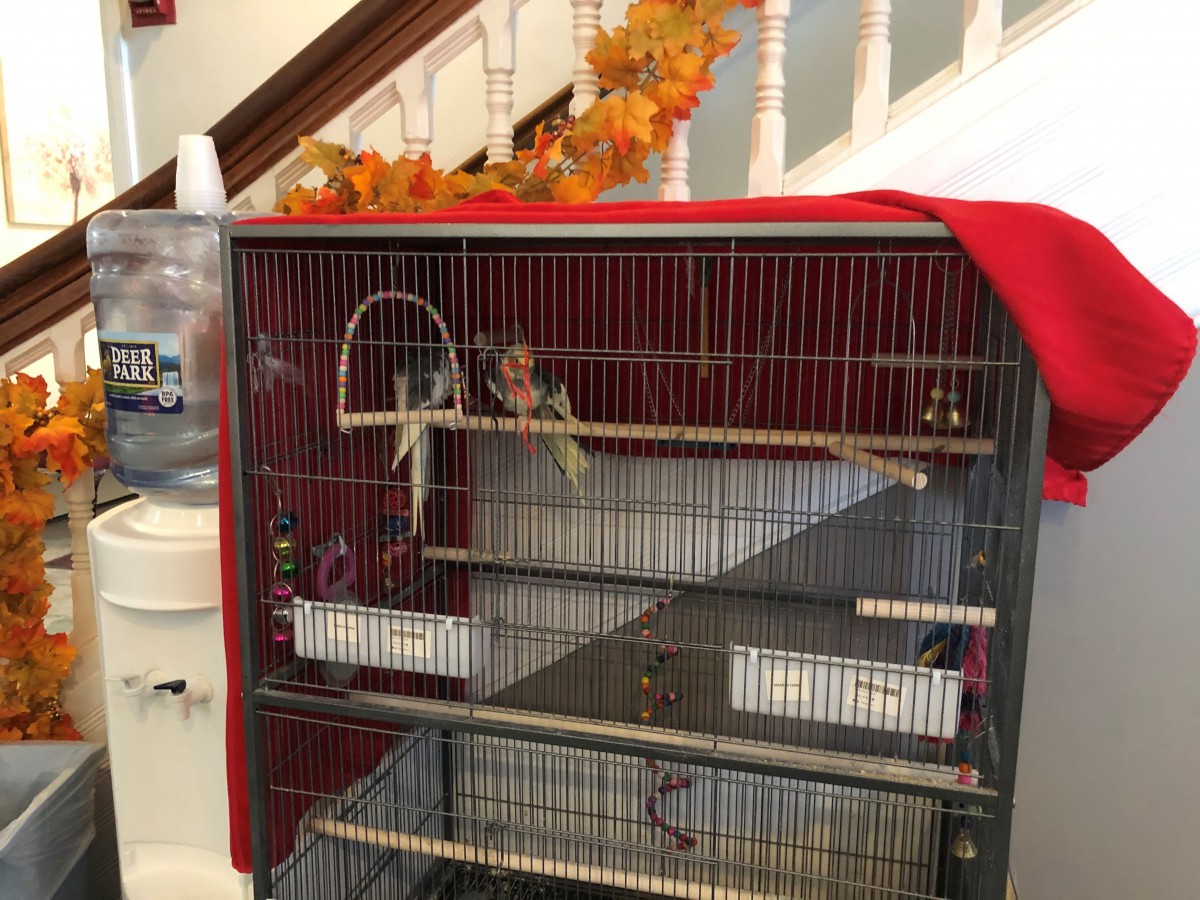
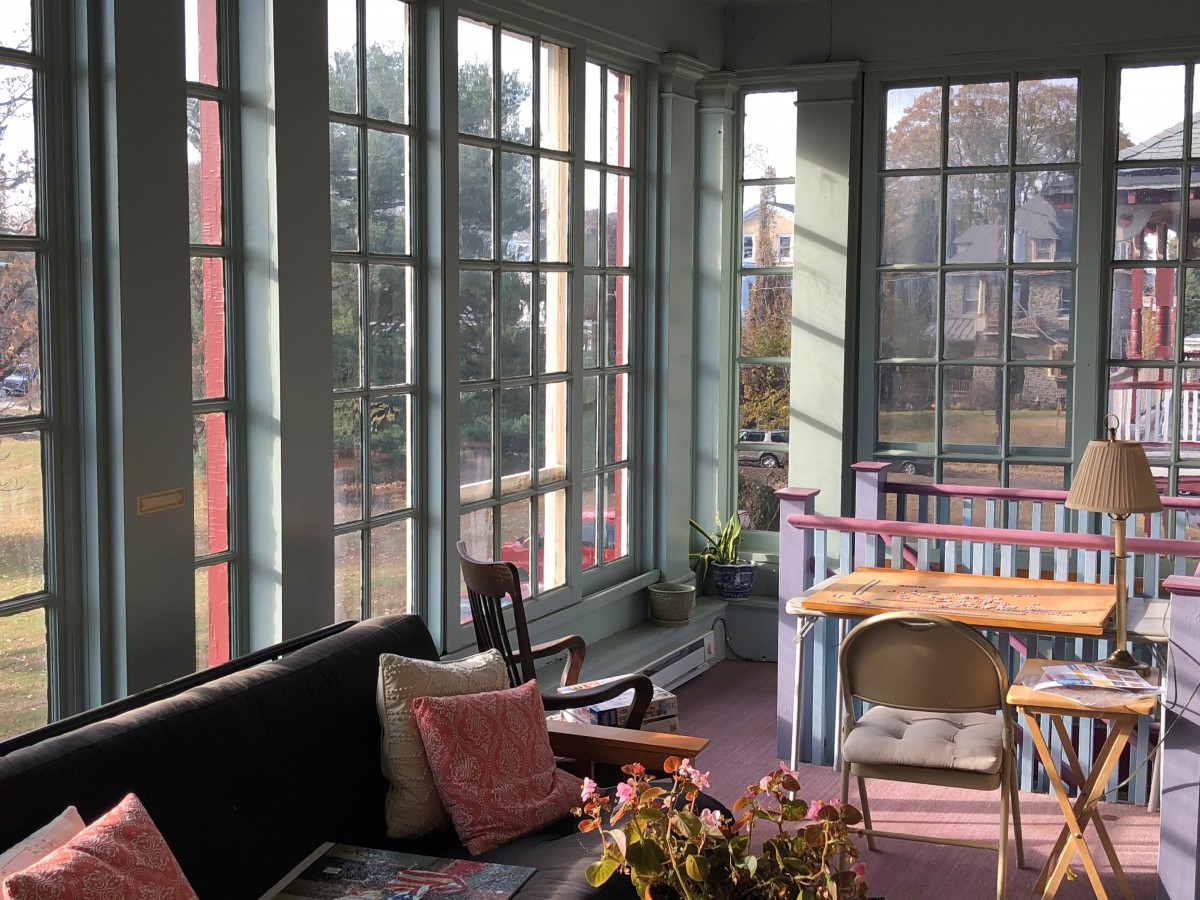
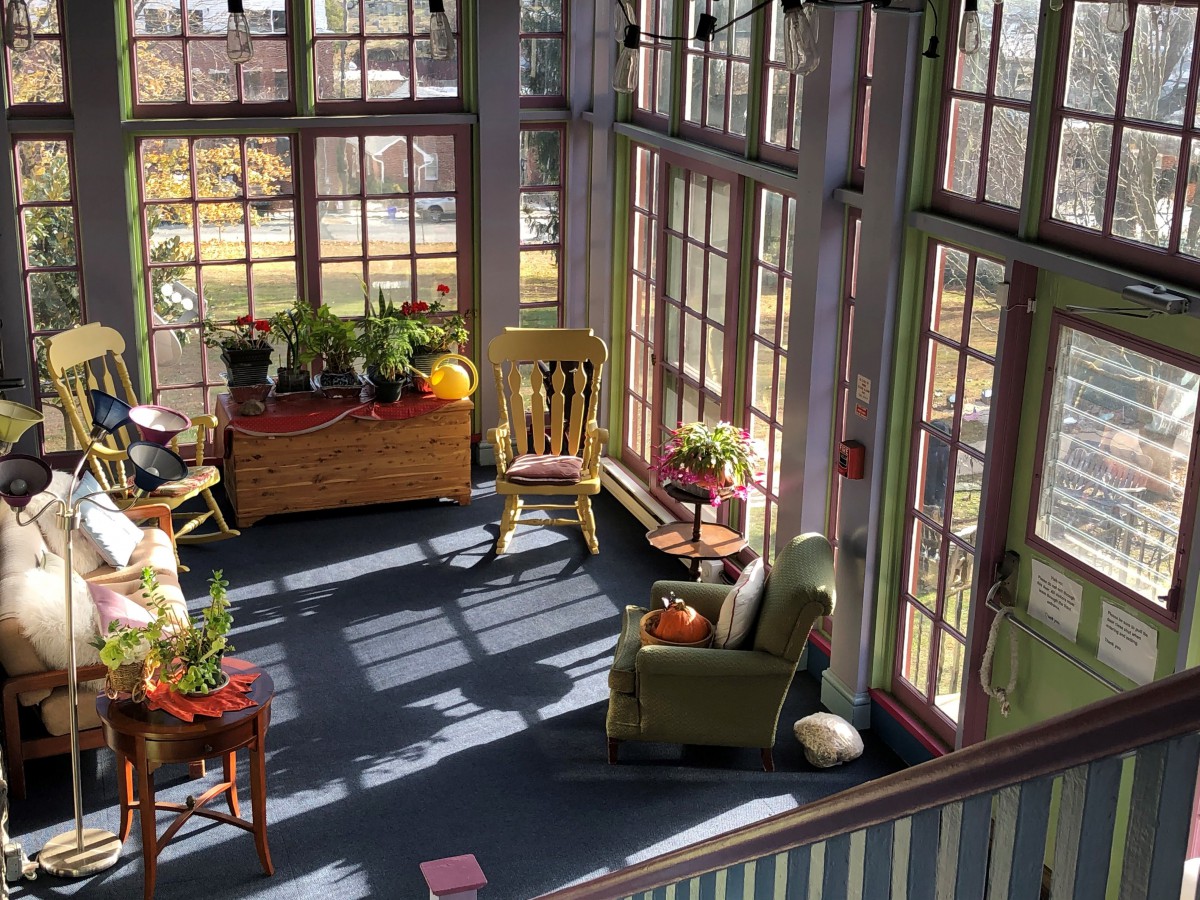
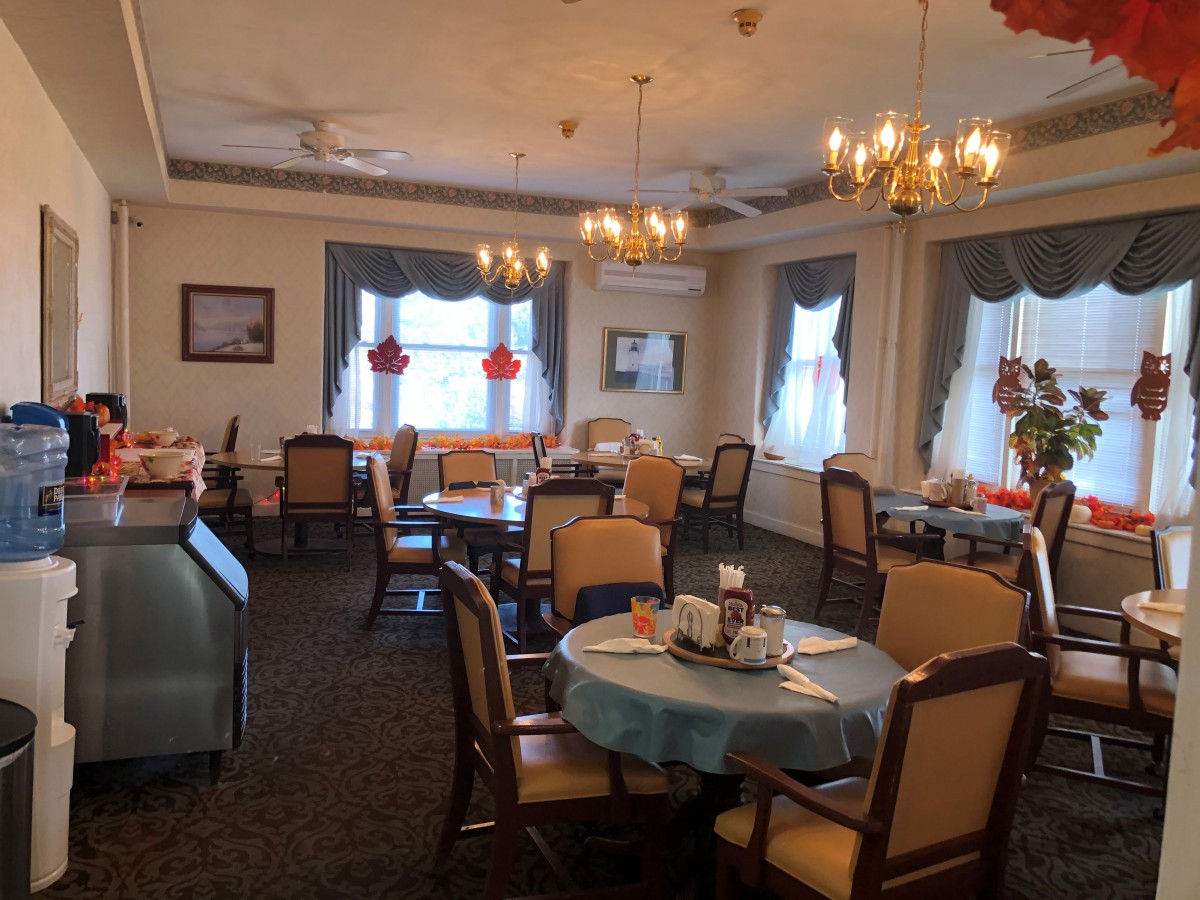
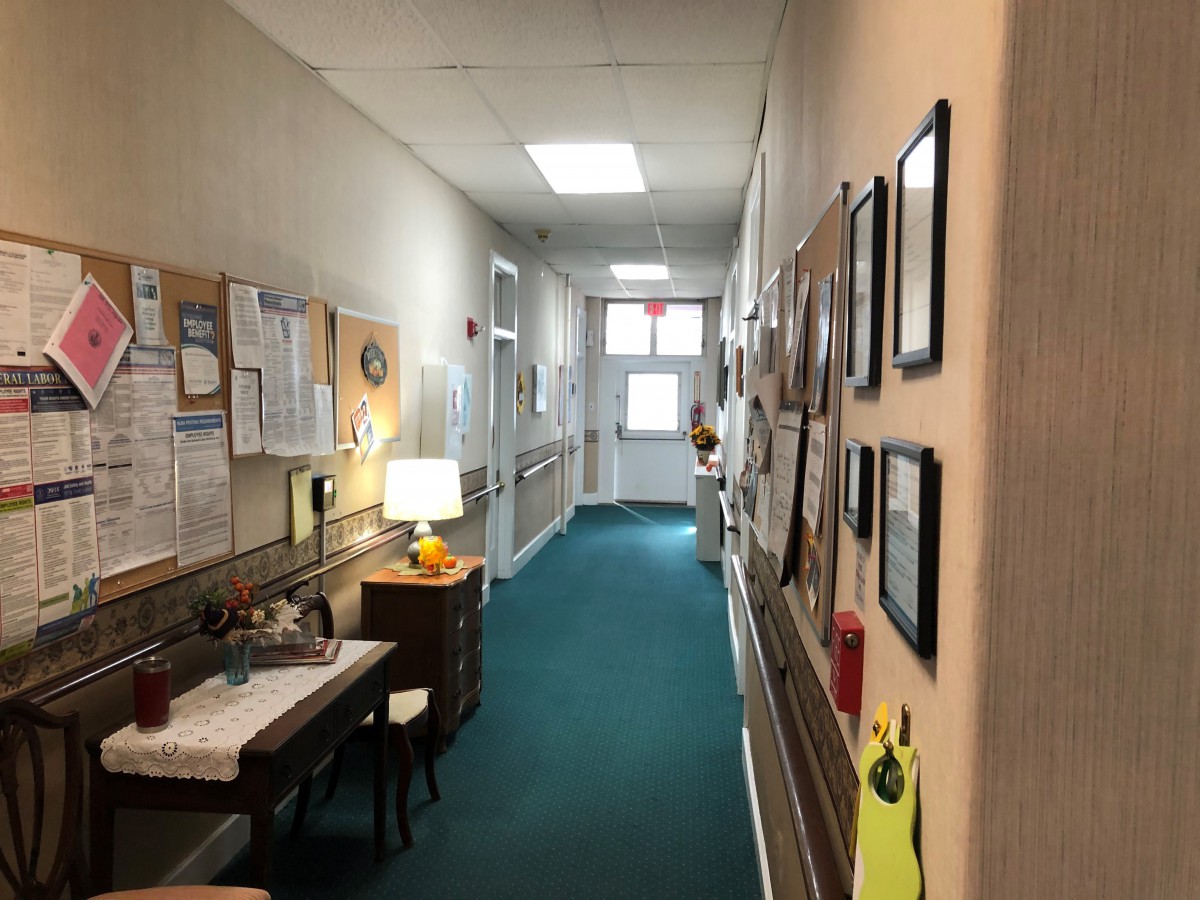
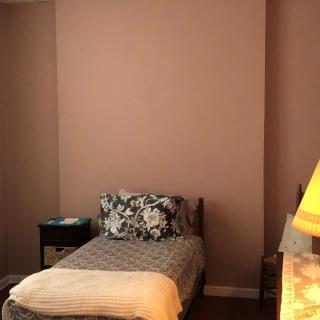
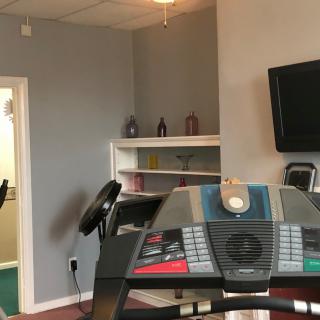
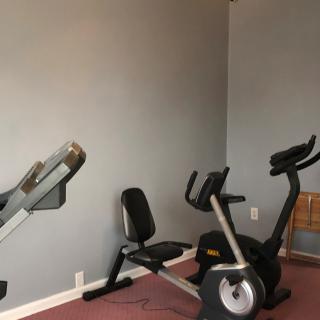
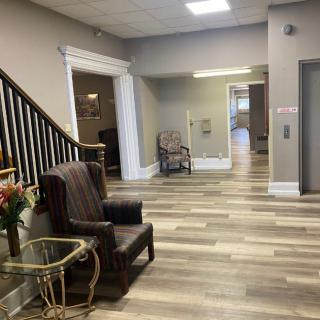
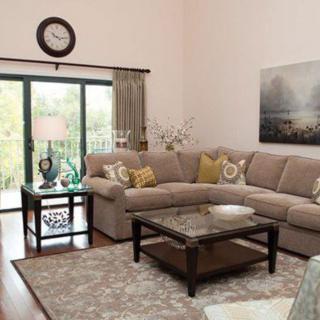
Another clear strength is the environment itself: a cozy, home-like setting where residents are kept comfortable and engaged. The facility earns praise for its focus on meals, laundry, and cleaning, along with opportunities for physical therapy and fitness that help sustain mobility and independence. Family testimonials emphasize the personal touch, the staff’s willingness to greet residents by name, to tailor routines, and to create a familiar daily rhythm. This combination yields not only satisfaction but also measurable improvements in mood and perceived wellbeing for residents and their families.
However, several notable concerns temper the otherwise positive portrait. One review recounts a difficult admission experience, with the administrator turning away a potential resident due to being “too quiet,” followed by delays and limited responsiveness in obtaining a definitive decision. That incident underscores a risk: admission discretion can feel opaque, and timing matters when a family is navigating transitions. A second issue involves policy enforcement: observers noted staff smoking near a non-smoking area, which raises questions about consistency of policy enforcement and the overall culture around safety and expectations. Together, these points suggest that communication and policy consistency are not universally flawless.
Still, the pros significantly offset these drawbacks for families who prioritize hands-on, compassionate care and social vitality over a perfectly smooth intake process. For residents who need regular medication oversight, light housekeeping, nutritious meals, and an active schedule of social and physical activities, the benefits are tangible and meaningful. The risk of admission friction can be mitigated by upfront diligence: request a clear explanation of intake criteria, schedule a meeting with administration during a tour, and ask for concrete timelines for decisions. Observing staff interactions during visits and speaking with current residents or family members can also illuminate how the community handles quiet or anxious residents and how consistently policies are enforced.
Those considering alternatives should focus on two scenarios. First, if medical complexity or hospital-level oversight is essential, or if admission processes must be rigid, a larger or more medicalized community may be a better fit. Second, if strict non-smoking enforcement and airtight communication protocols are non-negotiable, it may be prudent to compare with other facilities in the Roxborough area or elsewhere that demonstrate a more consistent policy track record and a clearer admissions workflow. In short, Roxborough Home For Women excels in compassionate daily care and a homey atmosphere, but families should weigh admission experiences and policy consistency against the needs and timing of their loved one when deciding on alternatives.
 Assisted Living
 Activities off-site
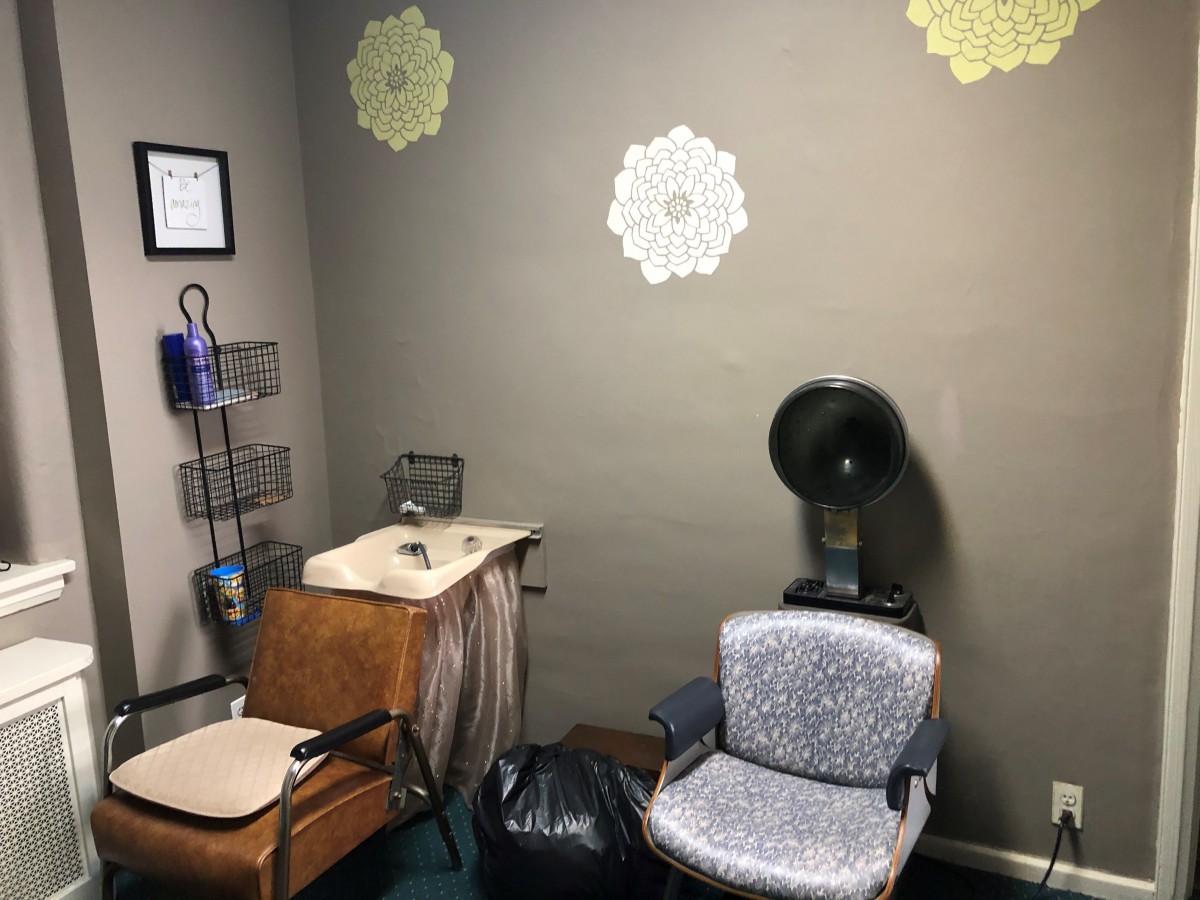
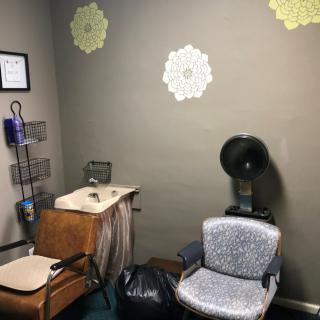
 Beautician on-site
 Devotional services off-site
 Indoor common areas
 Philadelphia International (11 miles away)
 Ambulatory care
 Diabetic care
 Meals provided





 Social Security Benefits and Assisted Living: Navigating Options Across the U.S.
 An Extensive Exploration of the VA Aid and Attendance Benefit
 Senior Transition Services: Understanding Their Role, Cost, and Importance