

2417 Welsh Road Suite 202, Philadelphia, PA 19114
To contact a resident: (215) 335-4416
For more information about senior living options: (866) 208-4318
Community Care Center of the Northeast Costs & Pricing
At the Community Care Center of the Northeast, the monthly cost for a studio room is set at $3,000. This figure positions the center slightly above the average cost in Philadelphia County, where similar accommodations are available for approximately $2,752. However, when compared to the broader Pennsylvania state average of $3,737 for a studio room, the Community Care Center offers a more competitive rate. This pricing reflects not only the quality of care provided but also positions the facility as an appealing option for those seeking balance between affordability and comprehensive support services within an urban setting.
| Floor plans | Community Care Center of the Northeast | Philadelphia County | Pennsylvania |
|---|---|---|---|
| Studio | $3,000 | $2,752 | $3,737 |
Senior living communities with a similar price nearby
-
from -$105 / mo
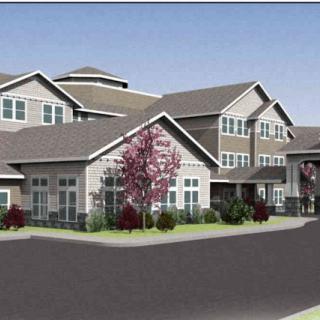
Hudson Estates
$2,895 to $4,795 / month17.7 miles away -
from -$400 / mo
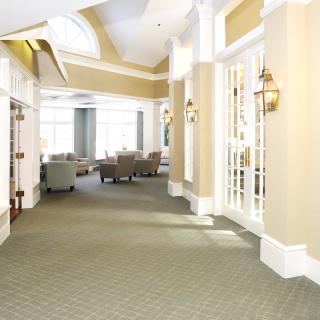
Oxford Enhanced Senior Living
$2,600 to $3,975 / month9.6 miles away -
from -$455 / mo
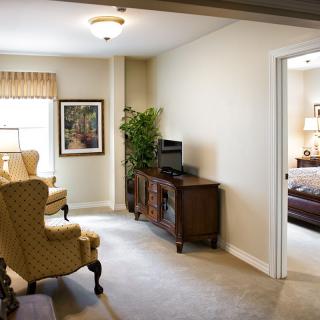
Brandywine Living at Upper Providence
$2,545 to $5,130 / month24.8 miles away -
from +$125 / mo
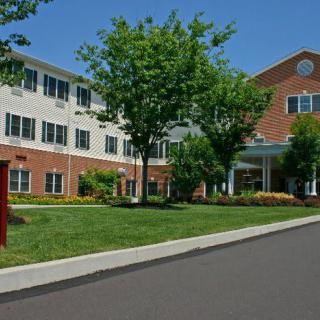
Arbour Square
$3,125 to $4,965 / month24.6 miles away -
from +$450 / mo

Brandywine Senior Living at Haddonfield
$3,450 to $4,080 / month12.4 miles away
Overall Review of Community Care Center of the Northeast
Pros
 The Home Care Agency is excellent.
- The agency provides excellent home care.
Cons
 The place hires criminals to take care of patients.
- They are not professional at all.
Review
Community Care Center of the Northeast is best suited for seniors in Philadelphia who want a straightforward, value-oriented assisted-living option and are willing to participate actively in oversight of care. It appeals to families seeking a facility where home-care services form a central, visible component of daily support, and where administrative responsiveness and accessibility can compensate for other gaps with diligent supervision. This is a setting where budget-conscious residents can gain access to practical assistance and a hands-on care approach, rather than a glossy, ultra-premium experience.
Explicitly, those who may want to consider alternatives include individuals requiring ironclad, fully consistent professional staff with an unblemished safety record, as well as residents with advanced memory-care needs or complex medical oversight. If a family prioritizes a reputation for pristine professionalism, rigorous staff vetting, and zero tolerance for any concerns about staff conduct, this community should not be the default assumption. Prospective residents with high safety or regulatory expectations, or those who demand a long track record of incident-free caregiving, will likely find stronger alignment elsewhere.
The strongest pro here is the perceived strength of the home-care dimension and the administrative responsiveness that accompanies it. Positive feedback for home-care services suggests a level of attentiveness and reliability that can meaningfully support daily living, medication management, and daily routines. When care plans are well-structured and staff are engaged, these elements tend to translate into measurable improvements in comfort and independence for residents. However, this pro is tempered by a serious con circulating in the feedback: a claim emphasizing professional lapses and problematic staff conduct. That kind of accusation cannot be dismissed and raises legitimate concerns about hiring practices, ongoing supervision, and accountability. The overall rating of 4.3 reflects a split perception: several residents report satisfaction, while at least one review flags essential red flags. In practical terms, the pros can offset some risk if a family is prepared to verify staffing quality, demand transparency, and maintain vigilant oversight, but they do not wholly eliminate the possibility of problematic incidents behind the scenes.
From a decision-making standpoint, the path to a solid choice hinges on verification and proactive management. Prospective residents should insist on direct conversations with the administrator about staff onboarding procedures, background checks, ongoing training, and turnover rates. Arrange unannounced visits to observe caregiving in action, request to meet several caregivers assigned to the prospective resident, and solicit candid feedback from current residents or families. Ask about incident reporting, how care plans are updated in response to changing needs, and the cadence of quality assurance activities. Access to copies of licensing documents, state inspections, and any corrective action plans will also illuminate the facility’s real-world operations beyond marketing materials.
In comparison with alternatives, this community may represent a practical bridge for families seeking cost-conscious assisted living with tangible home-care benefits, provided tolerance for risk associated with staff professionalism remains within acceptable bounds. Facilities with broader brand stability, stricter staff oversight, or specialized memory-care programming may be preferable for families prioritizing consistent staffing and highly vetted personnel. For residents who require extensive medical oversight, 24/7 nursing presence, or a safer, more uniformly professional environment, the move to a facility with a more robust clinical infrastructure could prove essential.
The practical conclusion is clear. Community Care Center of the Northeast can be a viable choice for those who value an accessible, responsive home-care framework and are prepared to engage in rigorous due diligence. To proceed confidently, demand a transparent briefing on staff screening and supervision, schedule in-person tours with multiple staff members on duty, and verify the facility’s licensing status and recent inspection history. If these steps reassure rather than raise concerns, the model offers meaningful daily support and a reasonable pathway to a comfortable, independent-feeling routine. If not, the prudent move is to explore alternatives that offer tighter staff controls and a more consistently professional track record.
 Philadelphia International (18 miles away)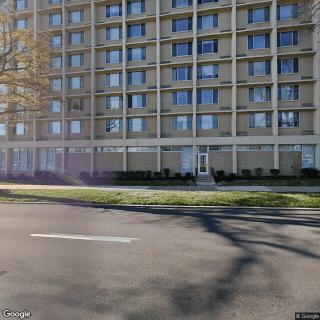


 Powerful Realities of Elder Abuse and the Most Effective Ways to Report It
 Ten Vital Duties of a Senior Caregiver: A Comprehensive Guide
 9 Stimulating Memory Activities for Seniors: Puzzles, Cards, and Much More