Daylesford Crossing presents a competitive pricing structure for its resident accommodations when compared to Chester County and the broader Pennsylvania market. For instance, the cost of a private room at Daylesford Crossing is $2,600 per month, considerably lower than the $3,110 average in Chester County and significantly less than the state average of $4,890. Similarly, while semi-private rooms at Daylesford Crossing are priced at $4,995, this aligns closely with Chester County's rates but exceeds Pennsylvania's average. The studio options also reflect an attractive value at Daylesford Crossing with a cost of $5,995 in contrast to higher local and state averages. One-bedroom and two-bedroom units maintain this trend; they are priced at $6,495 and $9,995 respectively - still competitive against local county prices that are notably higher. Overall, Daylesford Crossing offers appealing options for potential residents seeking quality living arrangements with financial sensibility in mind.
Floor plans
Daylesford Crossing
Chester County
Pennsylvania
Private
$2,600
$3,110
$4,890
Semi-Private
$4,995
$4,429
$3,542
Studio
$5,995
$4,262
$3,737
1 Bedroom
$6,495
$4,319
$4,006
2 Bedrooms
$9,995
$5,110
$4,242
Memory care communities with a similar price nearby
Several residents describe memory care staffing and monitoring falling short at times.
In multiple reviews, families raising concerns about memory care describe staffing that felt insufficient for residents’ needs. Some mention residents left without timely help or attention, and others describe incidents that point to a lack of consistent oversight. A review also contrasts the need for higher-level care with what was experienced in the unit.
caveat3 reviews mention this
Dementia unit feels basement-located
Some families are uncomfortable with where the dementia care unit is located.
A few reviewers specifically mention the dementia unit being in a basement setting, including concerns about the air and the lack of outdoor access for walking. One review also ties the location to concerns about the impact of traffic nearby. While other residents mention a beautiful facility, these reviewers say the unit’s setting affected their impression.
caveat4 reviews mention this
Pricing feels inconsistent or high
Pricing concerns come up, with some families calling it expensive or fee-heavy.
A couple of reviews describe the community as not cheap, with one framing it as a good value and another calling it expensive compared to alternatives. One reviewer says they were told one memory care price and later faced extra fees. Another review pairs the concern about care delivery with the statement that additional fees were paid for the level of treatment expected.
How we summarize
Counts show how many written reviews mention each theme; a review can touch several themes, and only frequently mentioned themes are displayed.
Features
Housing
100 resident community capacity
1-bedroom apartments
Studio apartments
Types of Care
Assisted Living
Independent Living
Memory Care
Respite Care
Pets
Cats allowed
Dogs allowed
Amenities
Activities off-site
Activities on-site
Air-conditioning
Bath tubs
Beautician on-site
Beauty salon
Cable or satellite TV
Computer center
Devotional services off-site
Devotional services on-site
Dining room
Fitness room
Full kitchen
Fully furnished
Gaming room
Garden
Ground floor units
Handicap accessible
Housekeeping services
Indoor common areas
Kitchenette
Move-in coordination
Outdoor common areas
Outdoor space
Private bathrooms
Respite or short term stays offered
Restaurant-style dining
Small library
Telephone
Wellness center
Wheelchair accessible showers
Wi-Fi/high-speed internet available
Transportation
Philadelphia International (17 miles away)
Community operated transportation
Transportation arrangement
Transportation arrangement (non-medical)
Transportation to doctors appointments
Care Services
12-16 hour nursing
24-hour call system
24-hour supervision
Activities of daily living assistance
Ambulatory care
Assistance with bathing
Assistance with dressing
Assistance with transfers
Diabetes diet
Diabetic care
High acuity care
Incontinence care
Meal preparation and service
Medication management
Mental wellness program
Mild cognitive impairment
Special dietary restrictions
Specialized memory care programming
Dining
Anytime dining
Diabetes diet
Gluten-free
Guest meals
International cuisine
Low / no sodium
Meals provided
No Sugar
Organic
Professional chef
Restaurant style dining
Room service
Special dietary restrictions
Special dining programs
Vegan
Vegetarian
Activities
Art classes
Catholic services
Community-sponsored activities
Concierge services
Cooking classes
Day trips and outings
Devotional activities offsite
Devotional activities on-site
Educational speakers / life long learning
Fitness programs
Karaoke
Live well programs
Other religious services
Planned day trips
Protestant services
Resident-run activities
Scheduled daily activities
Visiting chaplain or priest
Nearby Places of Interest
Located in the charming town of Paoli, Pennsylvania, this neighborhood offers convenient access to a variety of amenities that cater to seniors. With multiple pharmacies such as CVS and Walgreens nearby, as well as medical facilities like Main Line Health King of Prussia and Children's Hospital of Philadelphia, residents can easily access healthcare services. Transportation options are also readily available with SEPTA stations for easy travel. For leisure activities, there are parks like Wilson Farm Park and Valley Forge National Historical Park for outdoor enjoyment, while restaurants such as Brick & Brew Gastropub and Flying Pig Saloon offer dining options close by. Additionally, places of worship like Willistown United Methodist Church and St Paul's Episcopal Church provide spiritual support for those seeking it. This neighborhood provides a comfortable and convenient living environment for seniors looking to settle in Paoli.
Pharmacies
CVS Pharmacy (0.6 miles)
Walgreens (0.7 miles)
Penn Medicine Valley Forge Pharmacy (1.5 miles)
Rite Aid (2.2 miles)
CVS Pharmacy (3.1 miles)
CVS Pharmacy (3.1 miles)
Wegmans (3.2 miles)
Transportation
SEPTA/Amtrak: Paoli Station (1.1 miles)
Septa Malvern Station (2.8 miles)
Septa: Radnor Station (4.7 miles)
Exton Station (EXT) (8.6 miles)
Cafes
Starbucks (1.3 miles)
Starbucks (2.7 miles)
Starbucks (3.1 miles)
Starbucks (3.6 miles)
Nordstrom Ebar Artisan Coffee (4.9 miles)
Starbucks (5.3 miles)
Panera Bread (5.4 miles)
Physicians
Main Line Center For Oral & Facial Surgery (2 miles)
Main Line Health King of Prussia (4.2 miles)
Children's Hospital of Philadelphia - Specialty Care Center (4.3 miles)
Mid Atlantic Retina (4.7 miles)
Phoenixville Valley Forge Dermatology Associates (5.2 miles)
Bowen, Anne Main Line Healthcare Westtown Family Medicine (6 miles)
Main Line Spine (6.3 miles)
Hospitals
Paoli Hospital (2 miles)
Universal Health Services (5.5 miles)
Phoenixville Hospital (6.3 miles)
Bryn Mawr Hospital (7.7 miles)
Einstein Collegeville (8.7 miles)
Chester County Hospital (8.8 miles)
Family Lounge (8.9 miles)
Parks
Wilson Farm Park (2.1 miles)
Valley Forge National Historical Park (4.6 miles)
Clem MacRone Memorial Park (6.6 miles)
Ridley Creek State Park (6.9 miles)
Upper Schuylkill Valley Park (8.6 miles)
Goose Creek Park (8.9 miles)
Restaurants
Brick & Brew Gastropub (2.4 miles)
Flying Pig Saloon (2.7 miles)
Anthony's Pizza & Italian Restaurant (2.9 miles)
Venice Pizza & Pasta (3.4 miles)
Sly Fox Taphouse at the Grove (3.5 miles)
Chick-Fil-A (3.6 miles)
Cedar Hollow Inn Restaurant & Bar (3.9 miles)
Theaters
Regal UA King Of Prussia 4DX, IMAX & RPX (4.9 miles)
Daylesford Crossing presents a competitive pricing structure for its resident accommodations when compared to Chester County and the broader Pennsylvania market. For instance, the cost of a private room at Daylesford Crossing is $2,600 per month, considerably lower than the $3,110 average in Chester County and significantly less than the state average of $4,890. Similarly, while semi-private rooms at Daylesford Crossing are priced at $4,995, this aligns closely with Chester County's rates but exceeds Pennsylvania's average. The studio options also reflect an attractive value at Daylesford Crossing with a cost of $5,995 in contrast to higher local and state averages. One-bedroom and two-bedroom units maintain this trend; they are priced at $6,495 and $9,995 respectively - still competitive against local county prices that are notably higher. Overall, Daylesford Crossing offers appealing options for potential residents seeking quality living arrangements with financial sensibility in mind.
Daylesford Crossing's comprehensive features are designed to support residents with dementia or Alzheimer's by ensuring their safety and dignity while promoting overall well-being. The 24-hour supervision provides a secure environment where staff can respond immediately to any needs or emergencies, fostering a sense of safety. Assistance with activities of daily living--such as bathing, dressing, and transfers--addresses the physical challenges that many residents face, enabling them to maintain personal hygiene and comfort. Incontinence care is handled sensitively, preserving residents' dignity while ensuring their health is prioritized. Meal preparation and service cater to nutritional needs, taking into account dietary restrictions and preferences, which is crucial for maintaining both physical health and quality of life. Medication management helps prevent complications arising from forgetting doses or taking incorrect medications, while specialized memory care programming engages residents cognitively in ways tailored to their abilities. A mental wellness program further enhances emotional support, addressing the psychological aspects of dementia through activities that promote social interaction and mental stimulation, thus improving residents' overall quality of life despite the challenges posed by cognitive impairment.
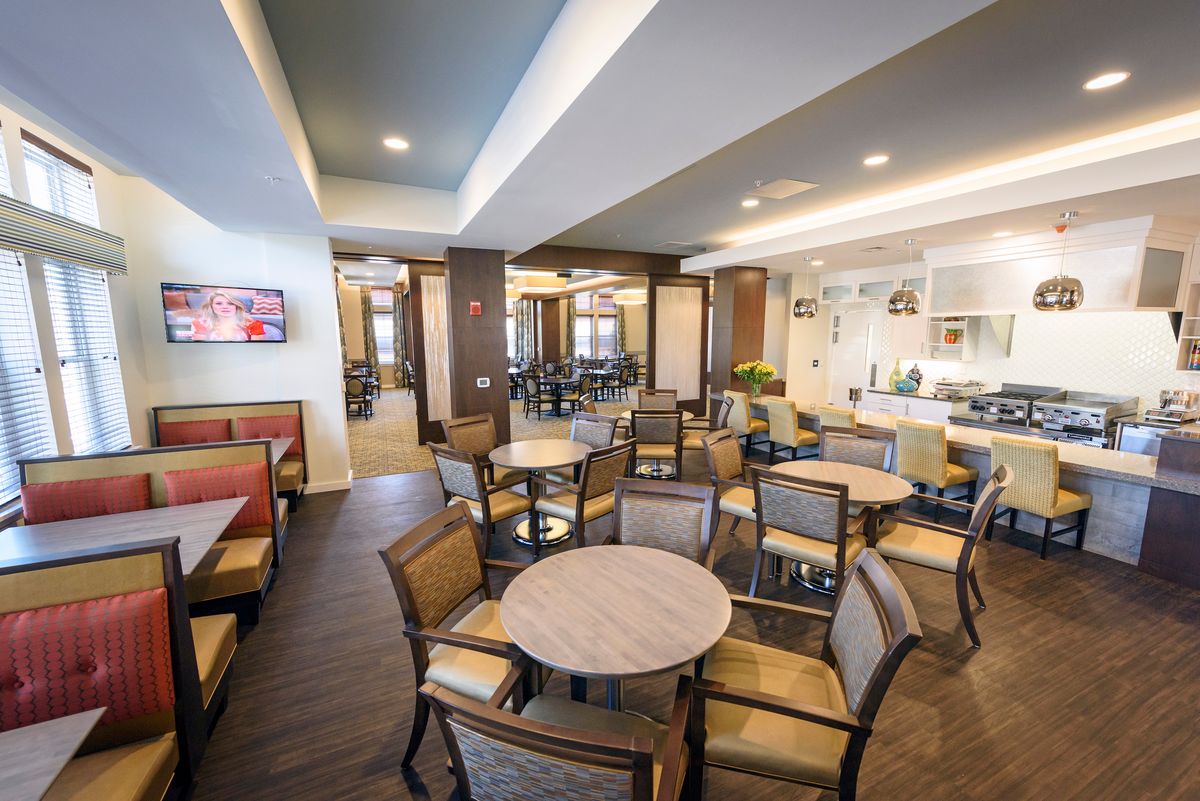
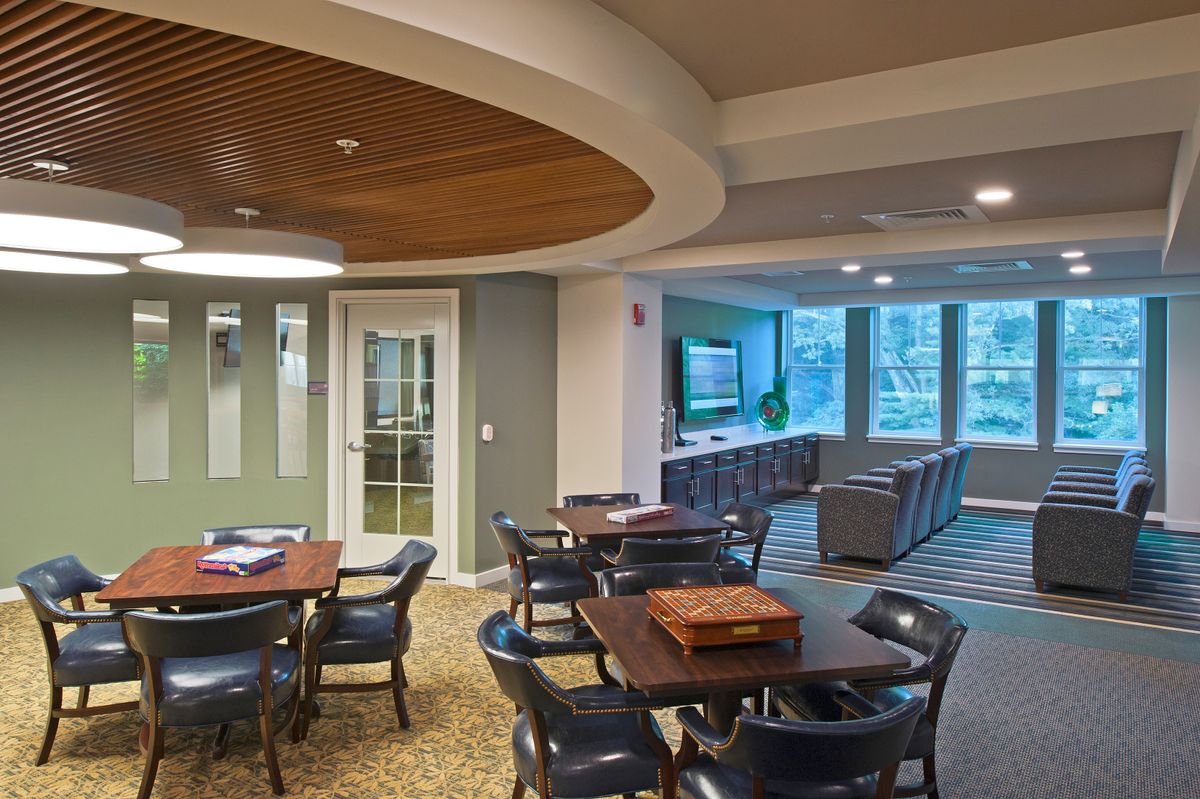
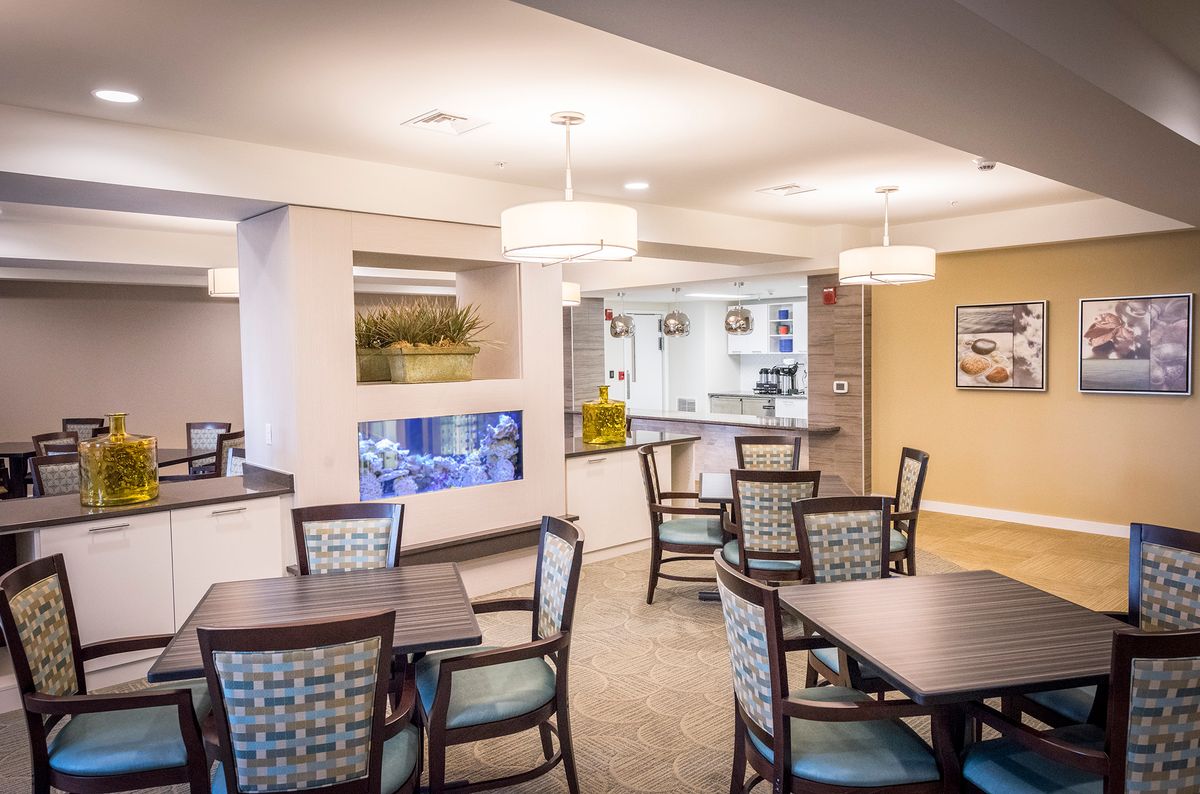
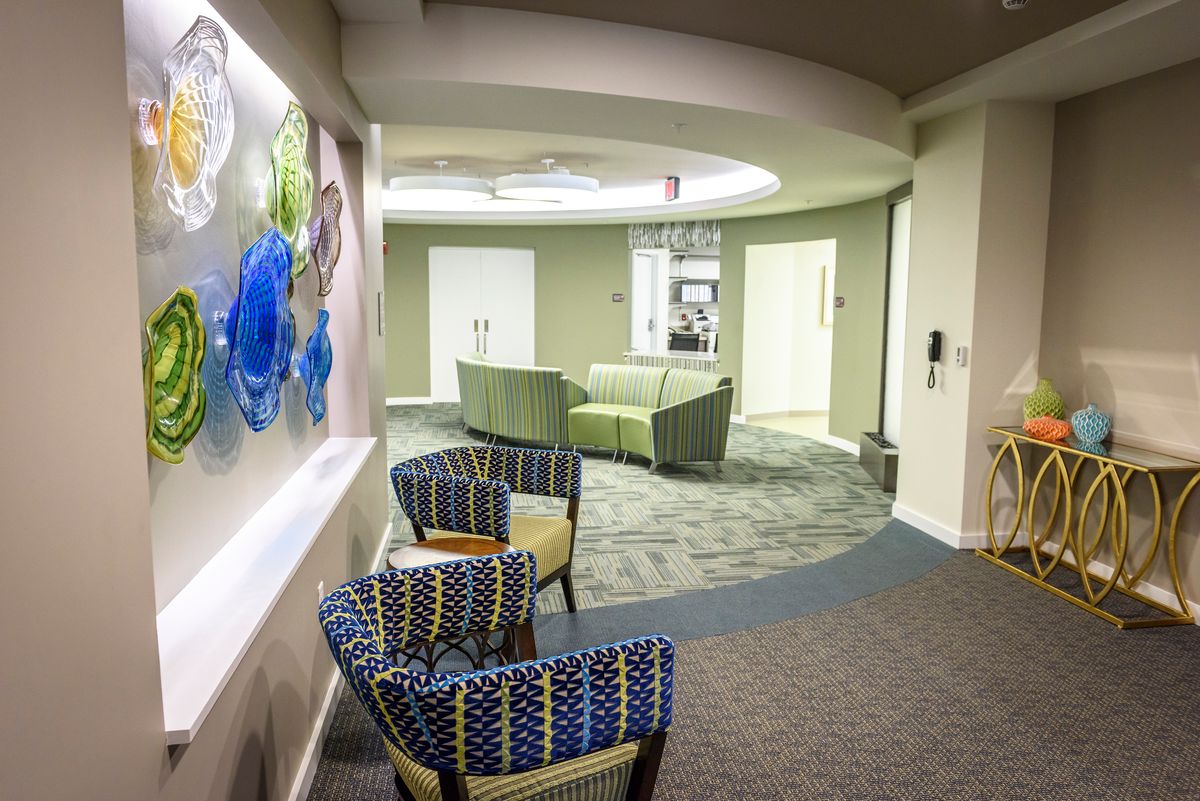
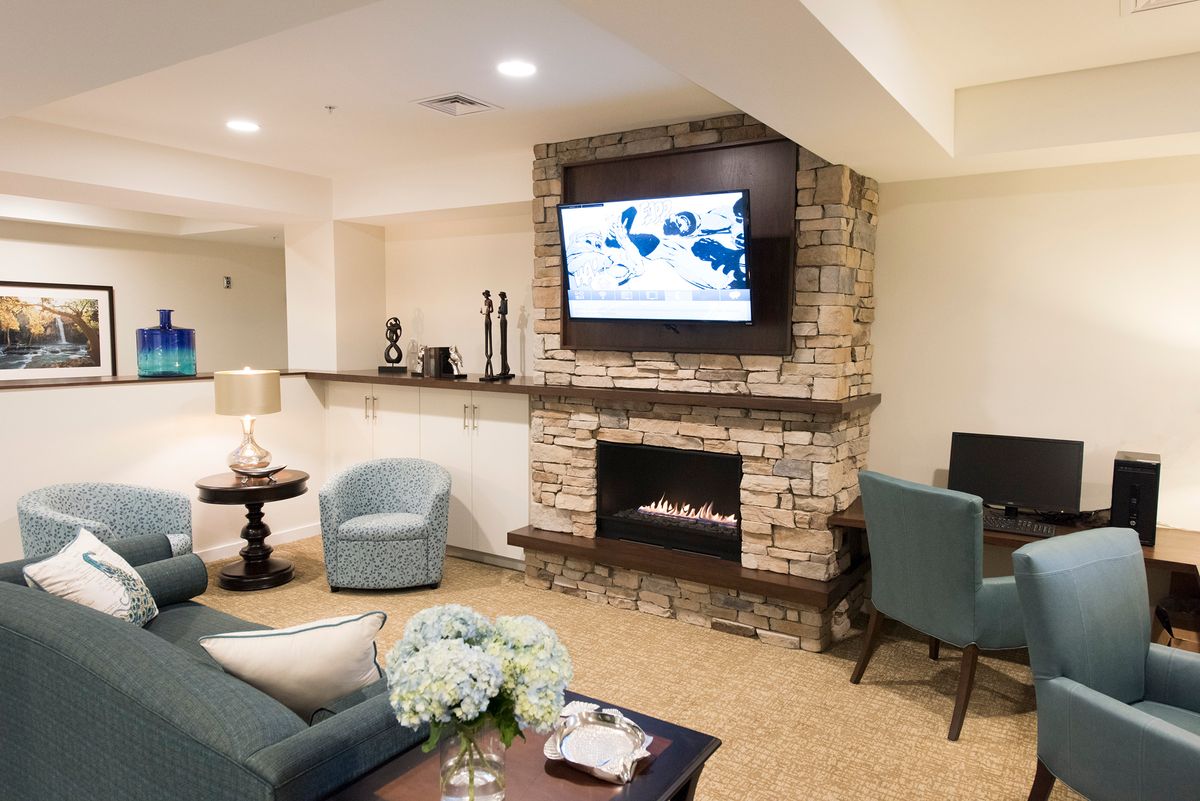
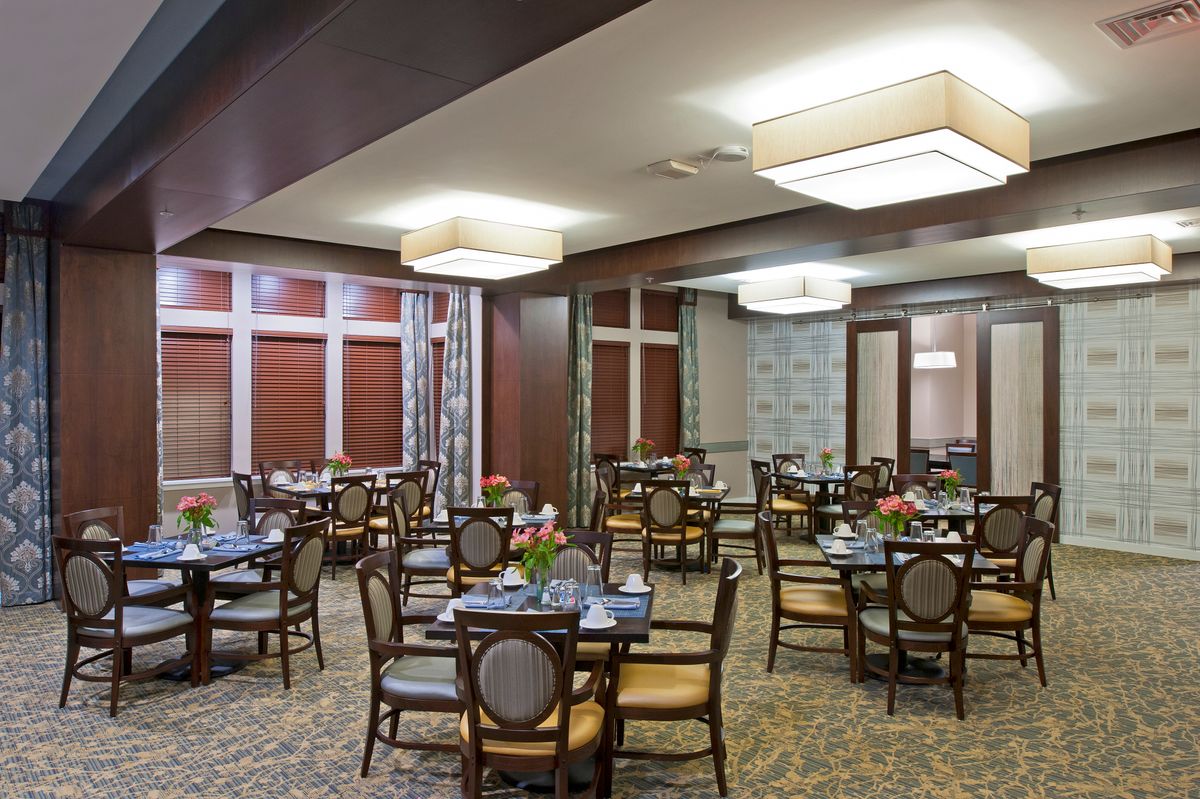
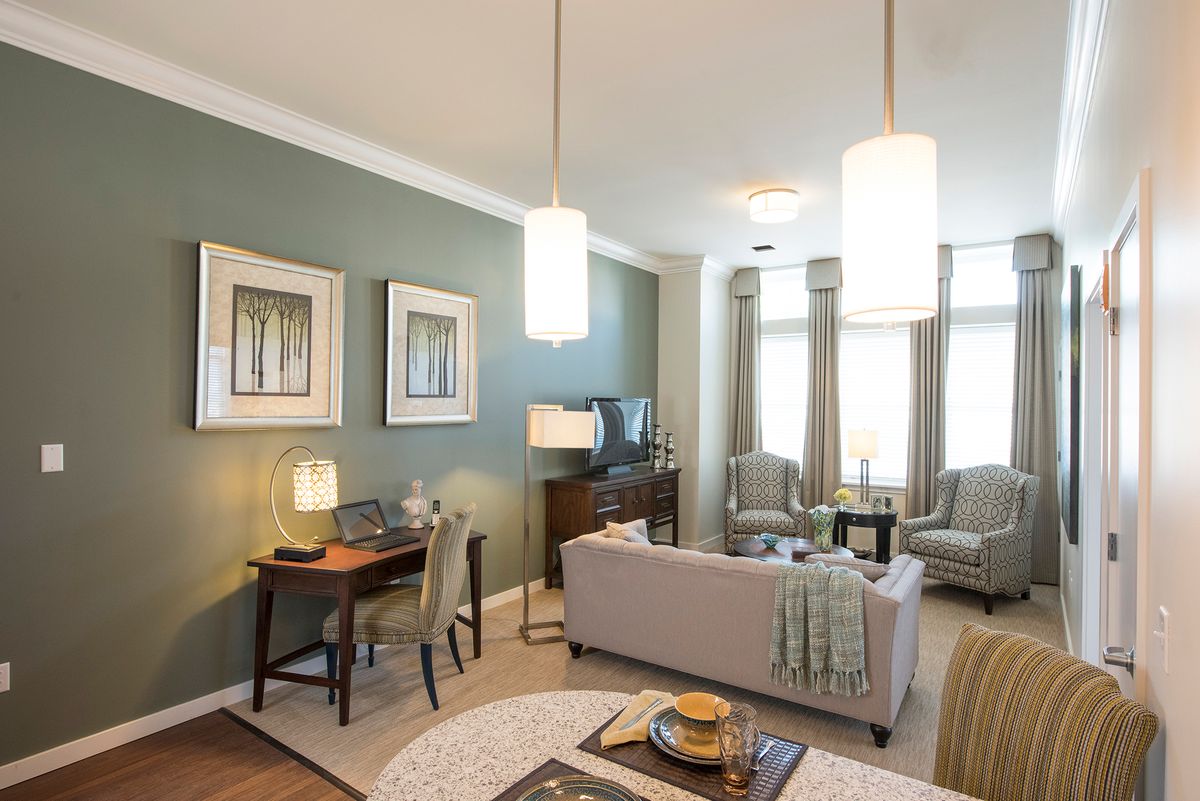
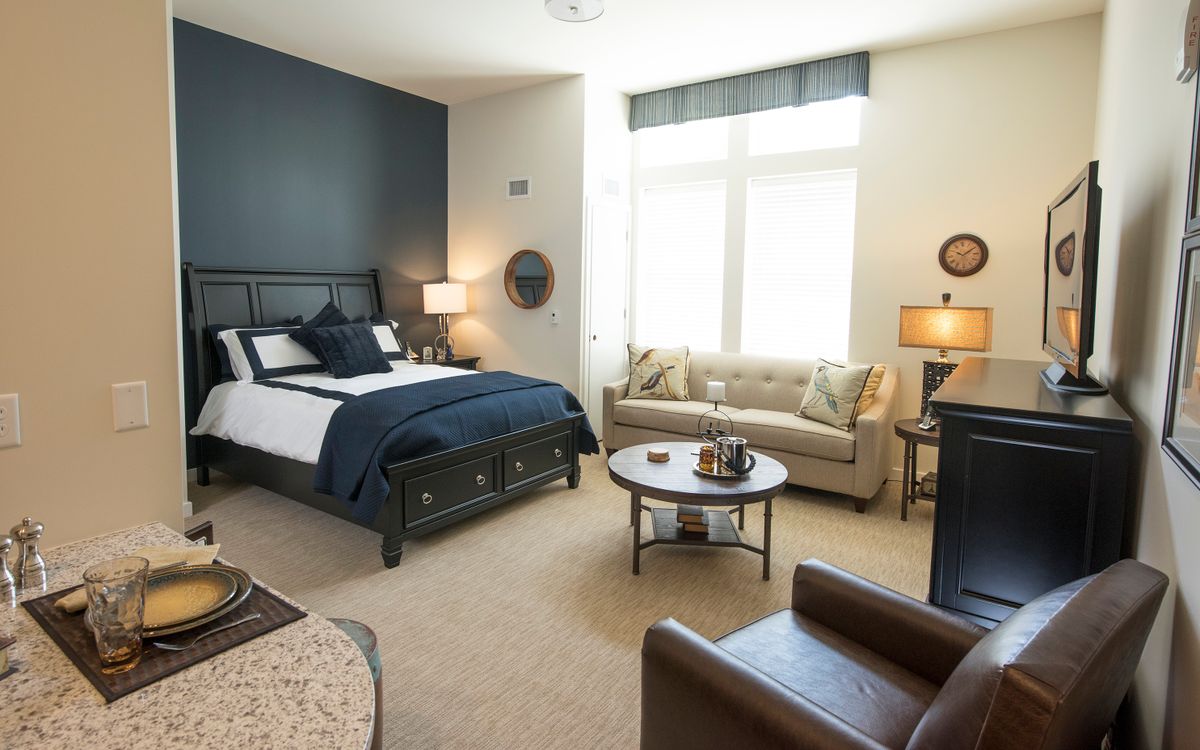
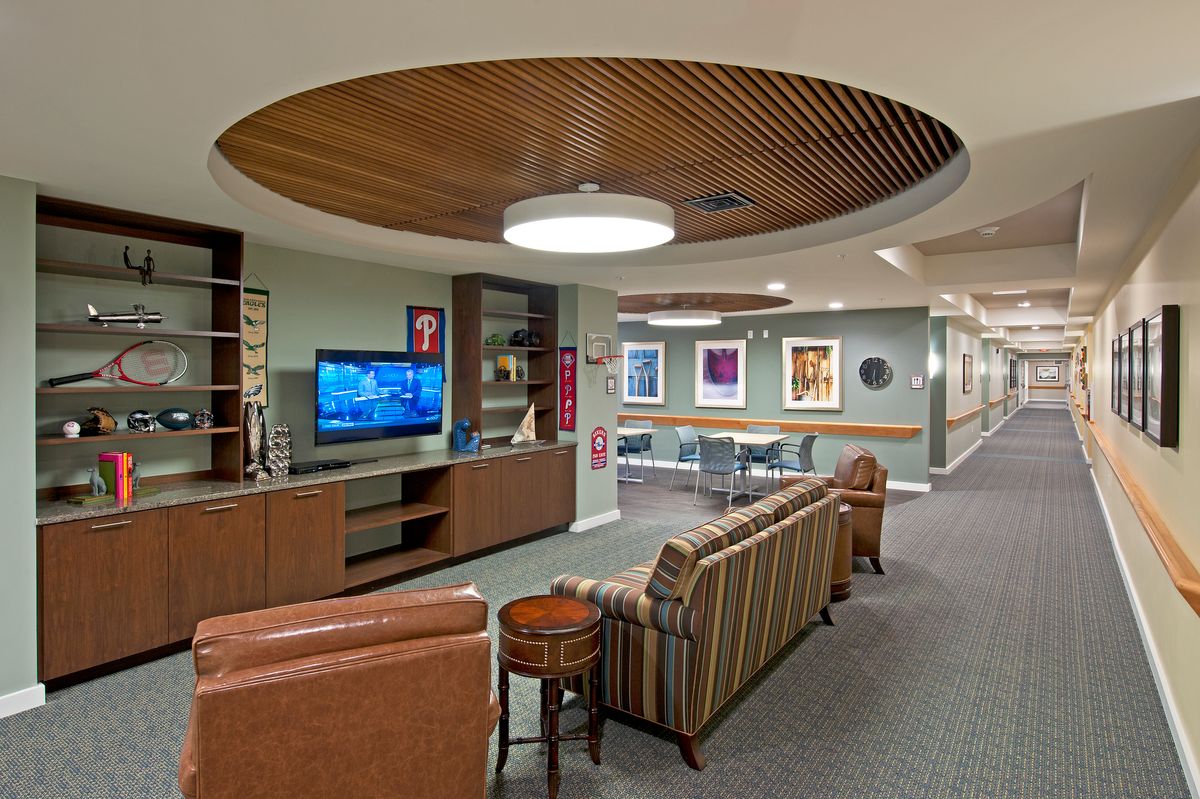
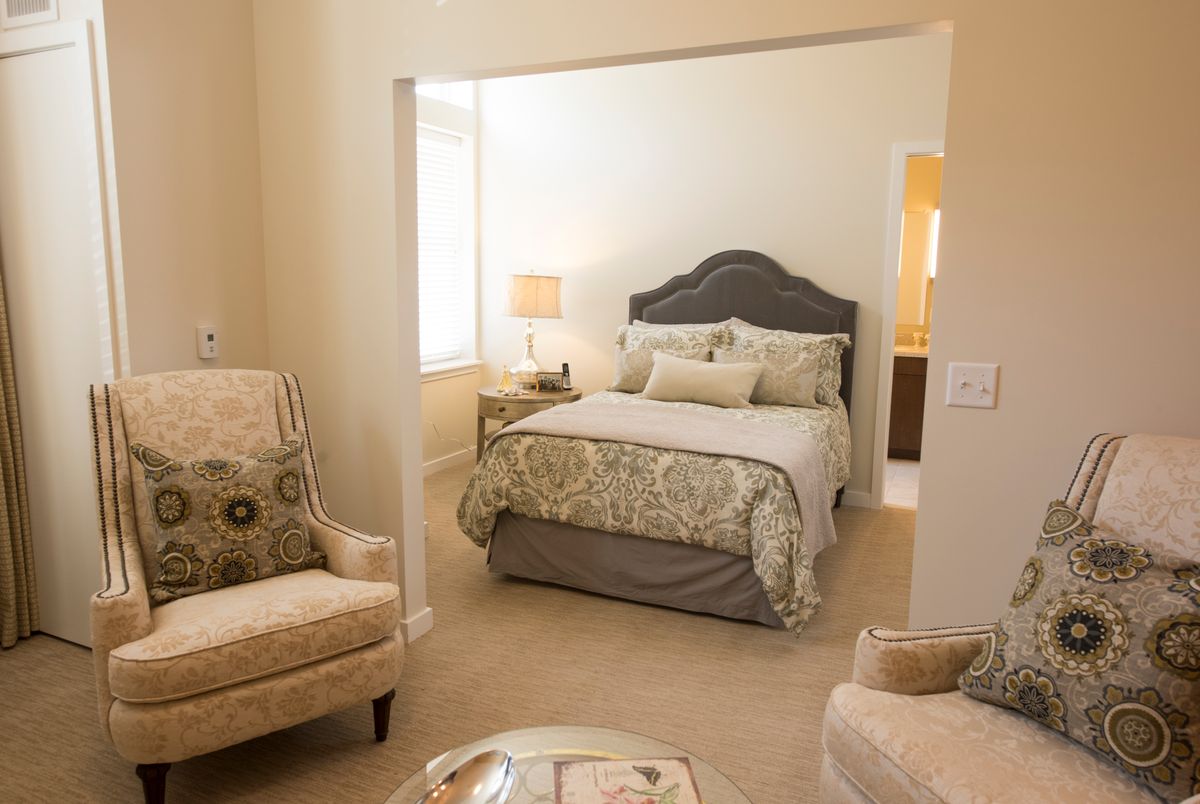
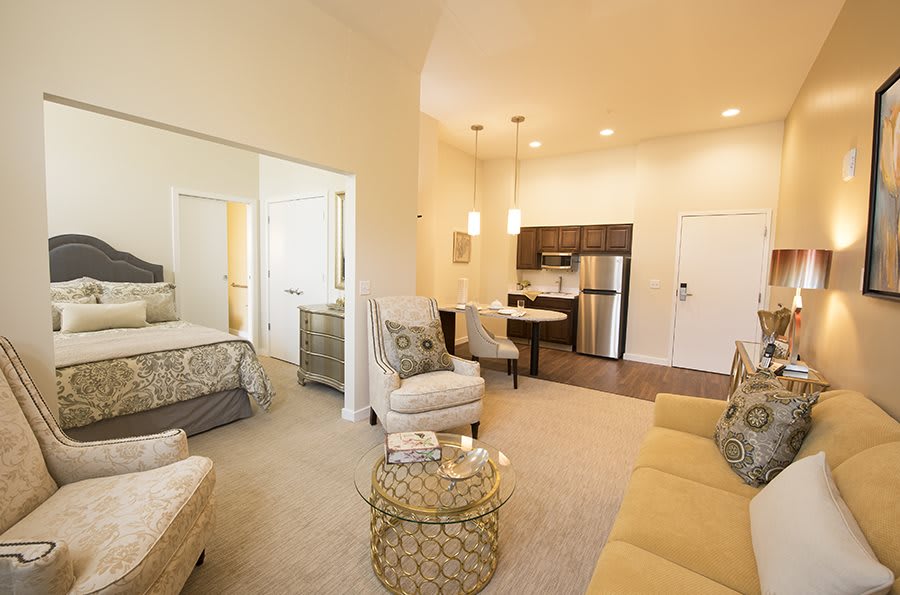
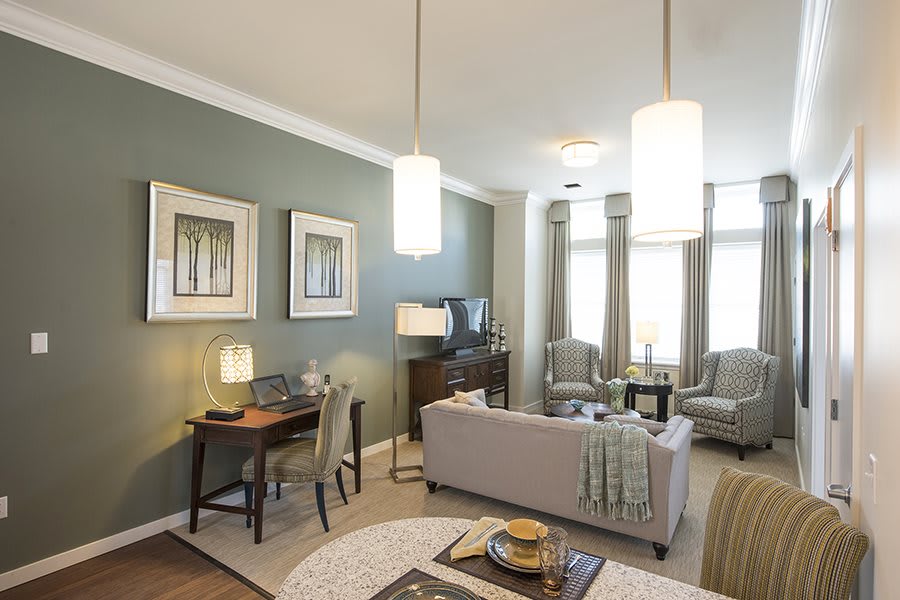
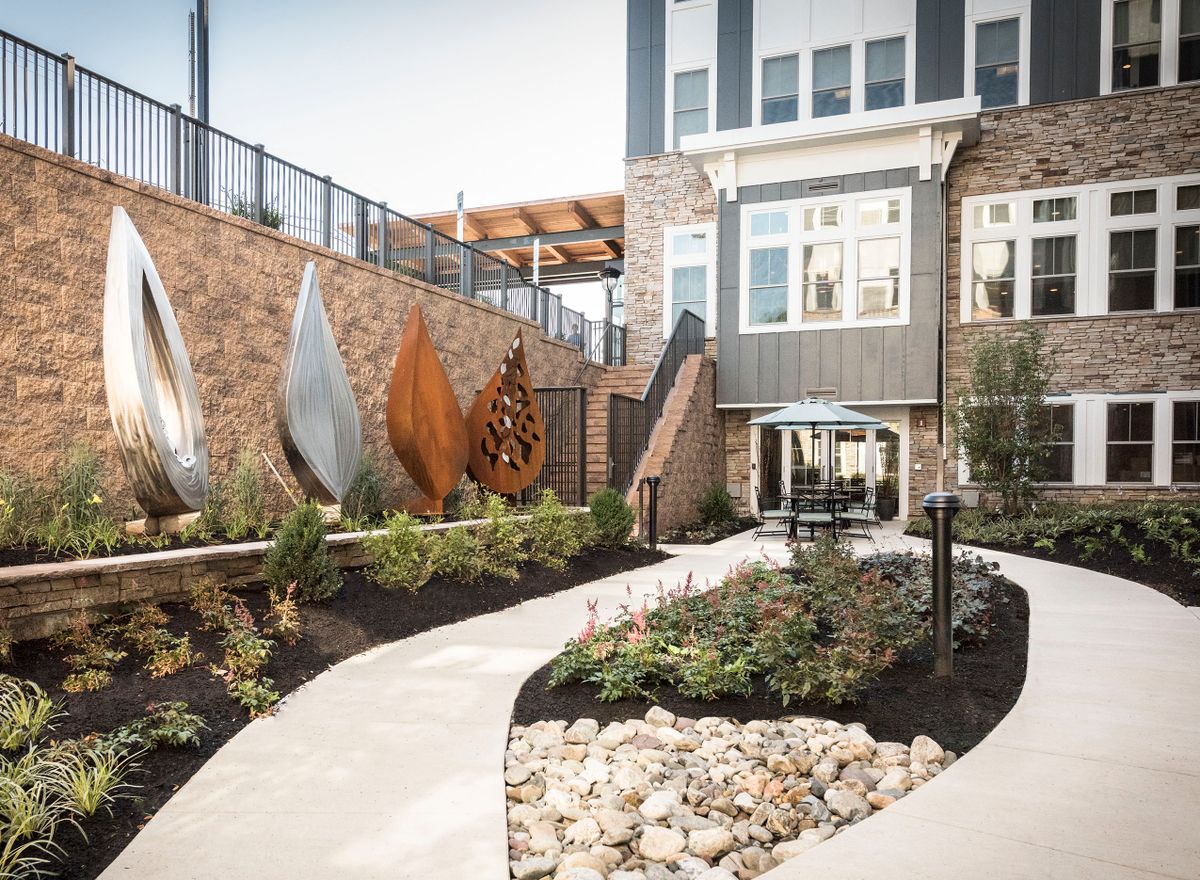
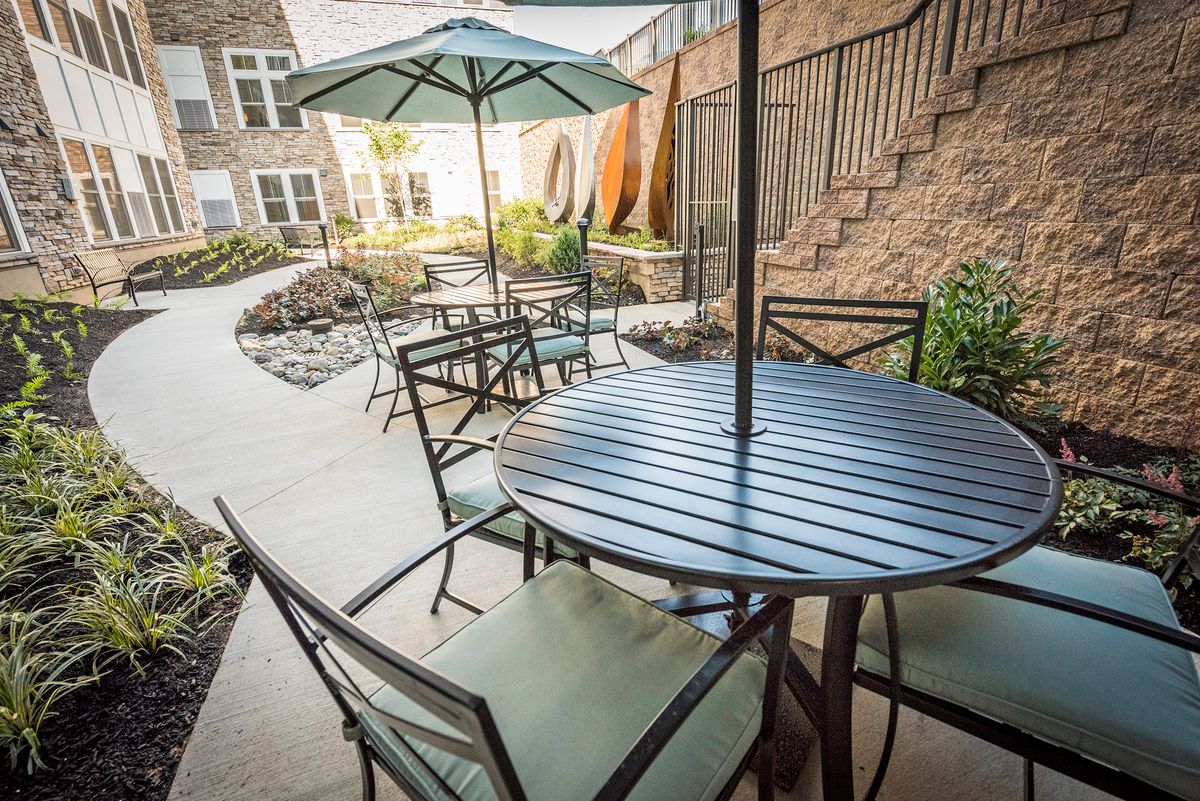
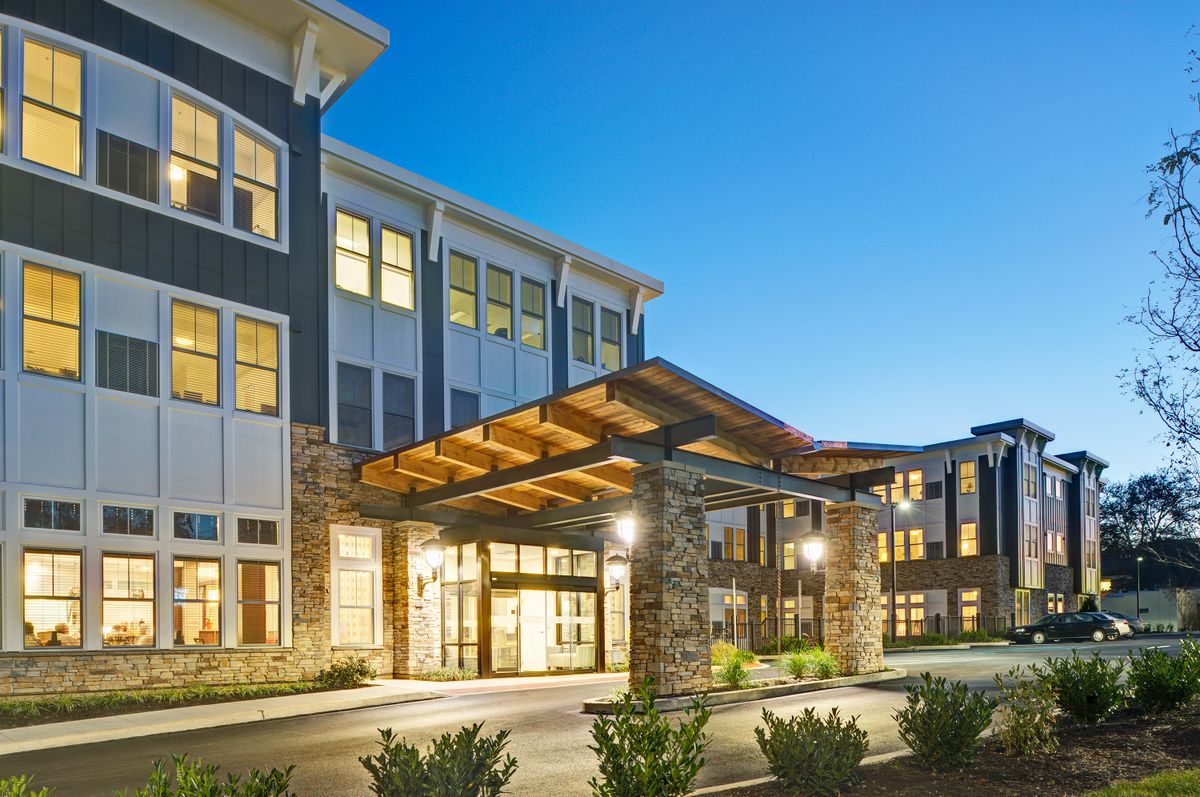
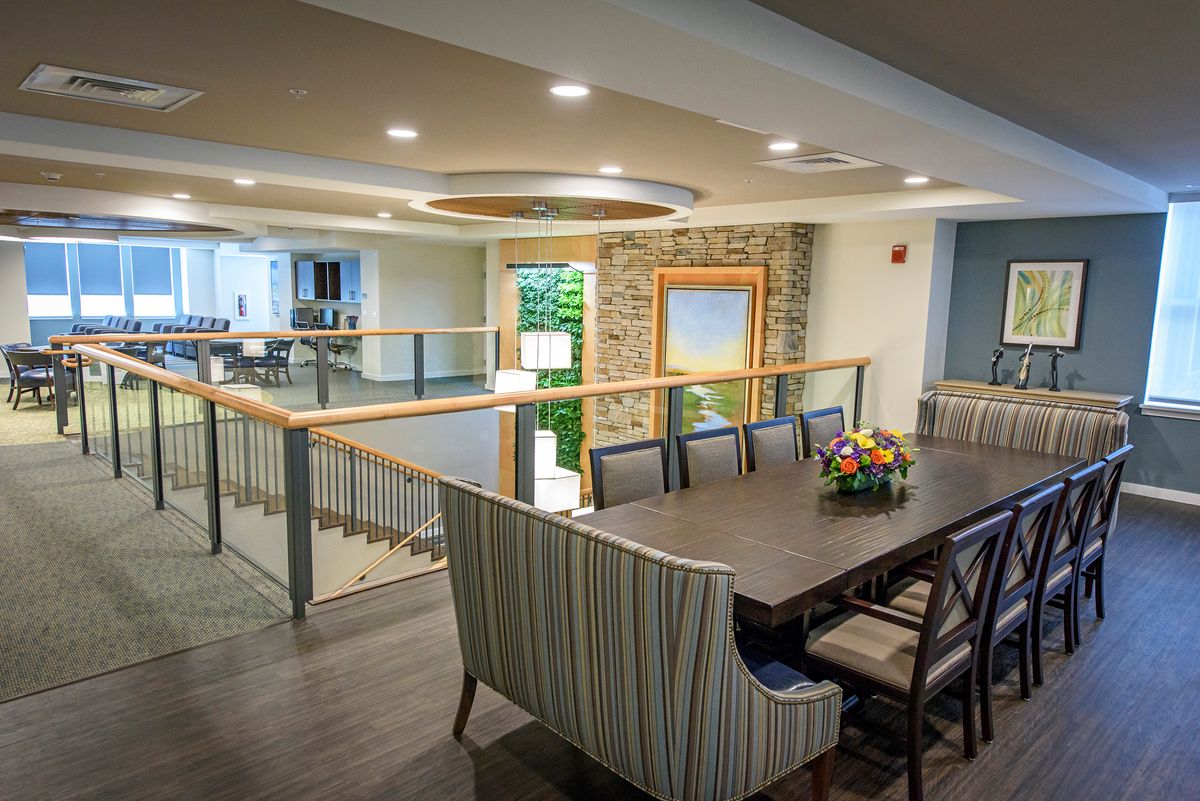
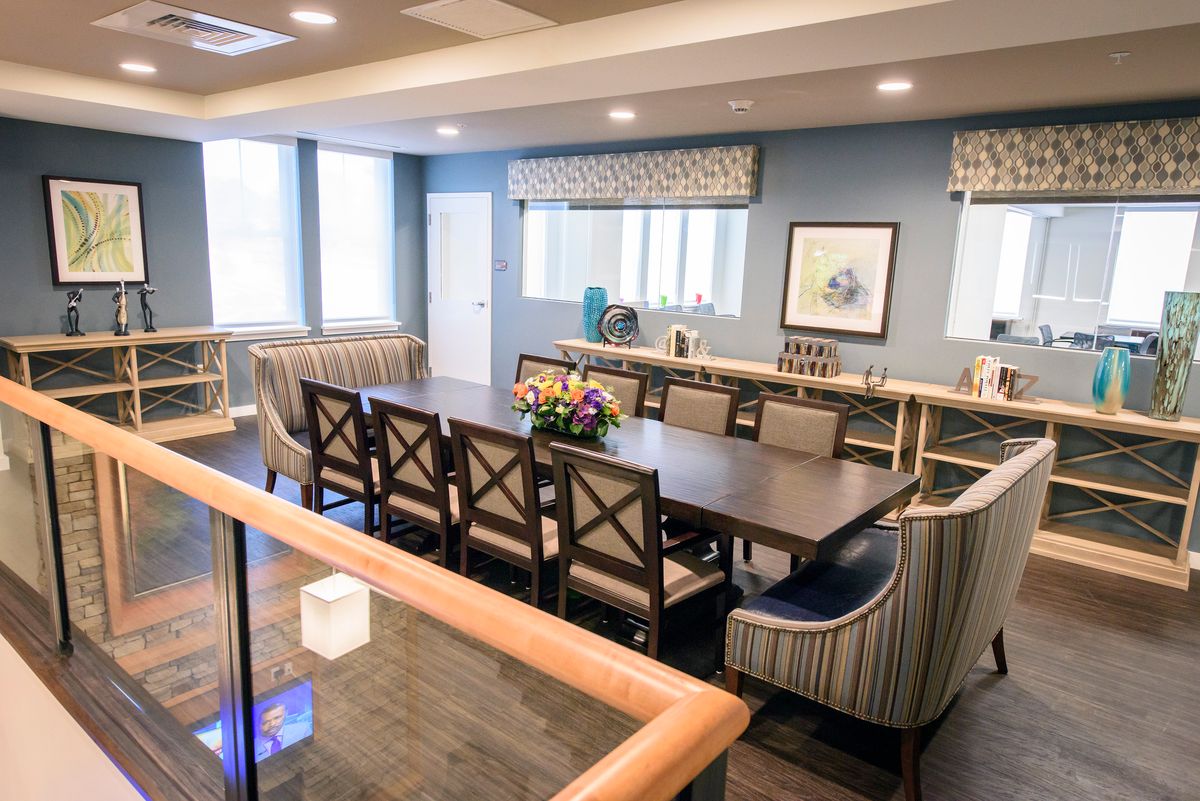
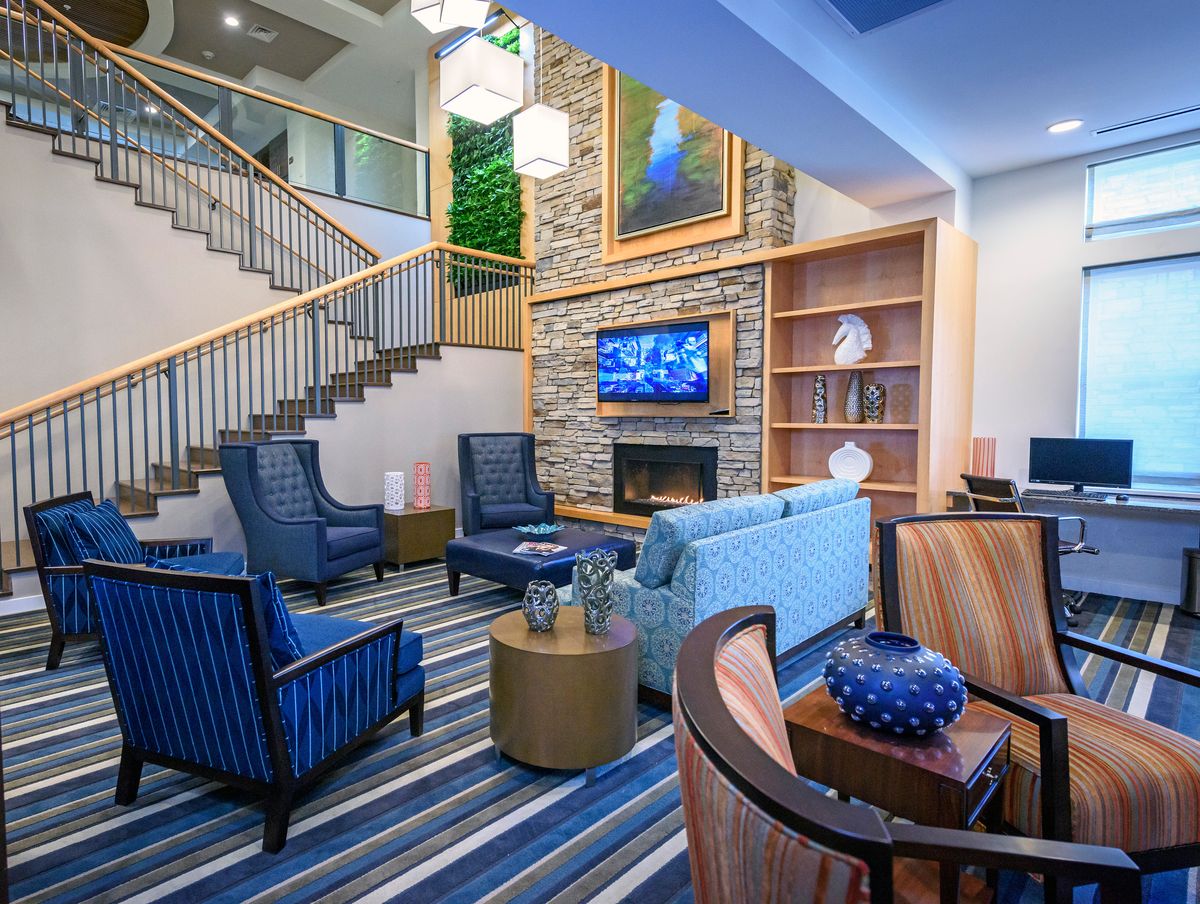
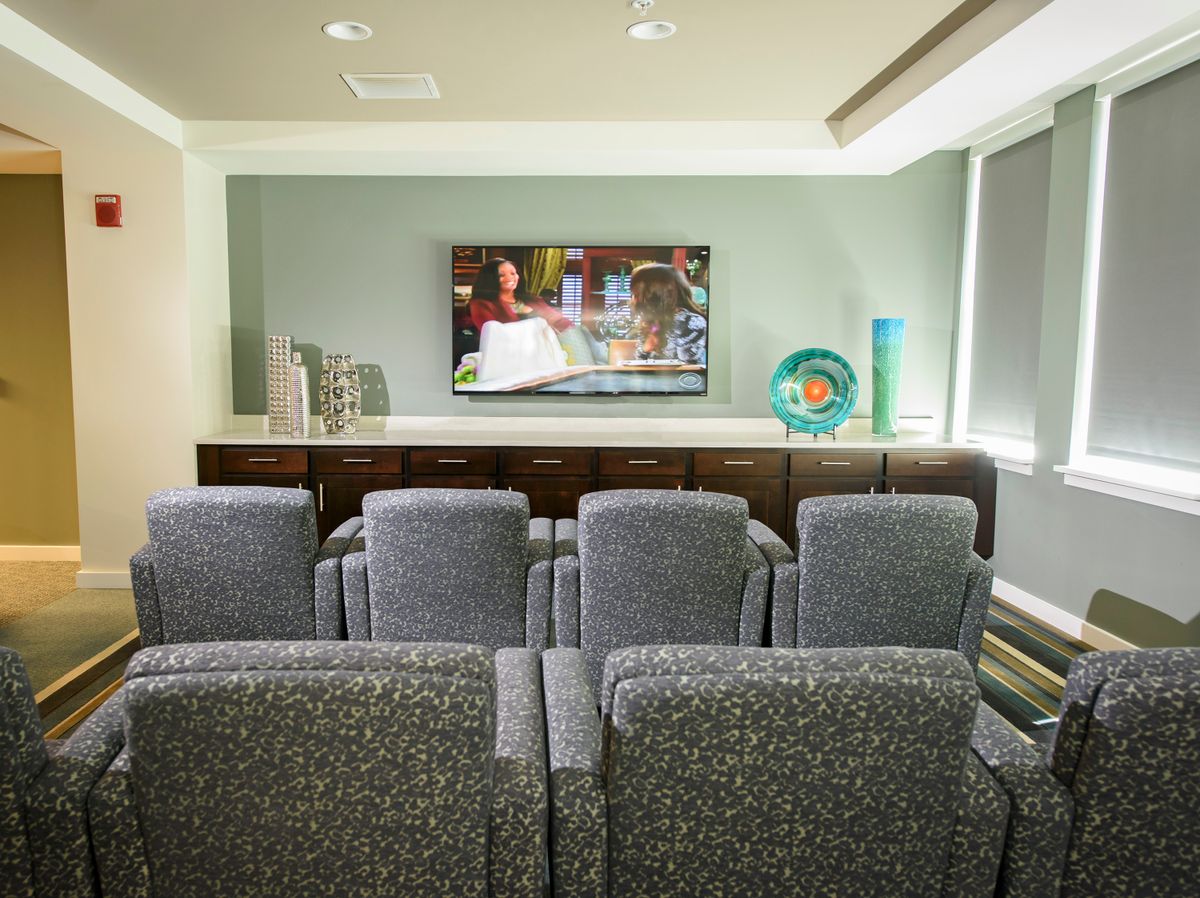
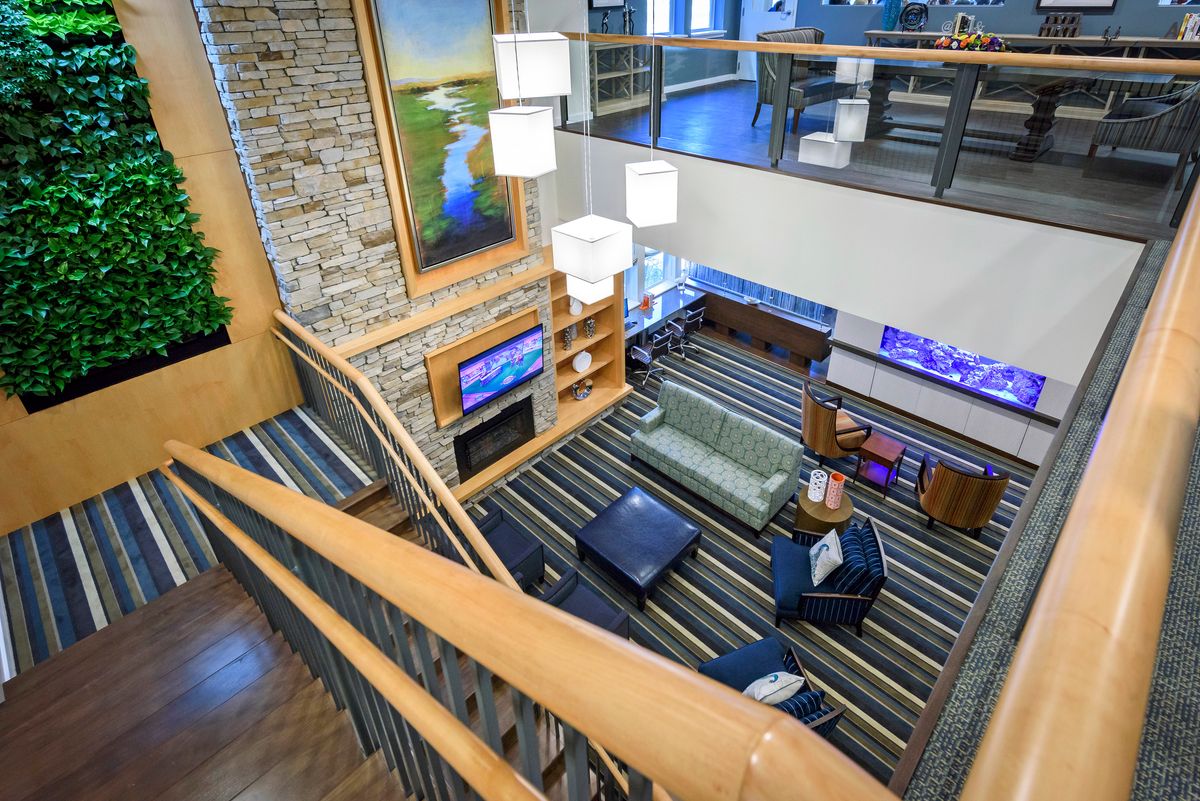
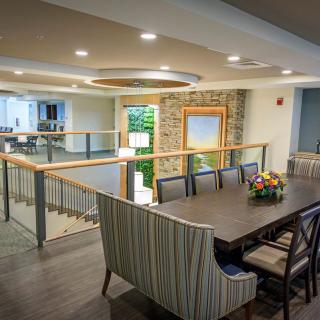
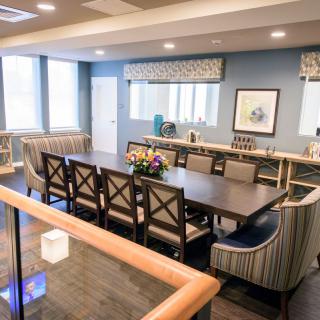
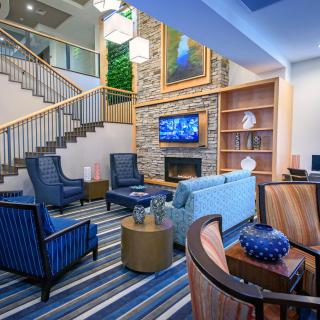
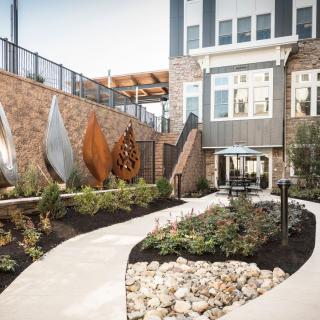
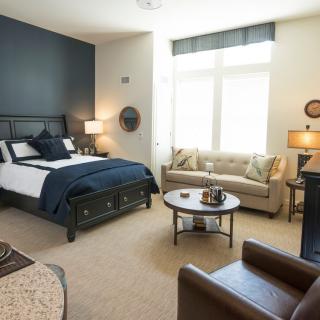
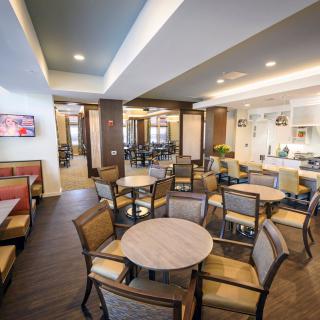
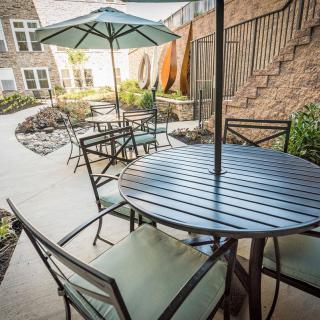
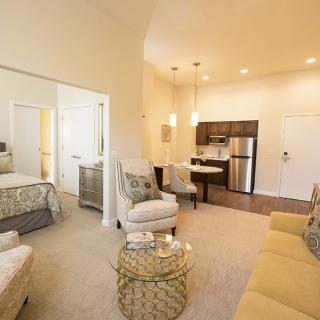
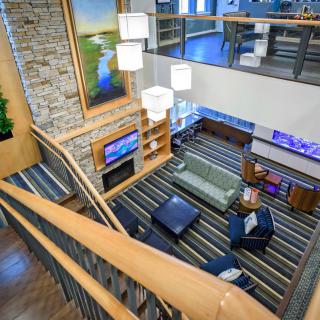
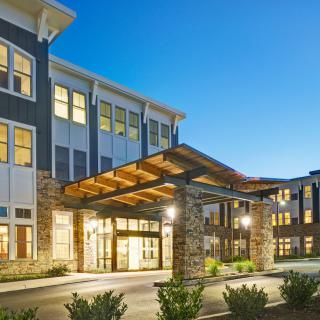
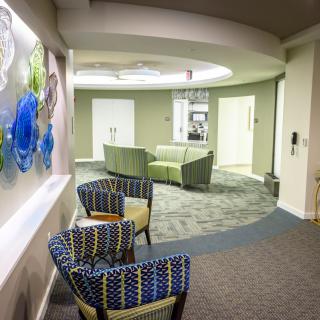
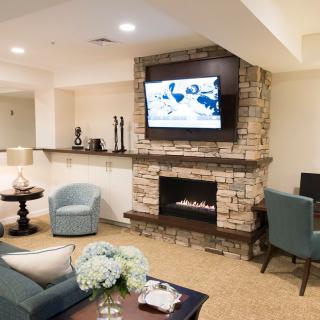
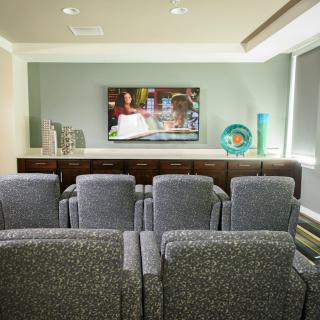
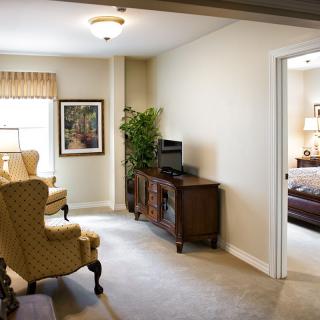
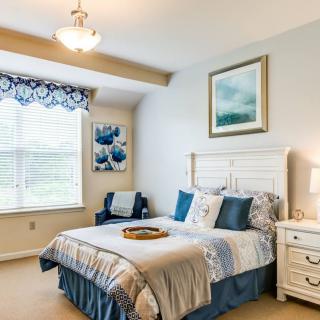
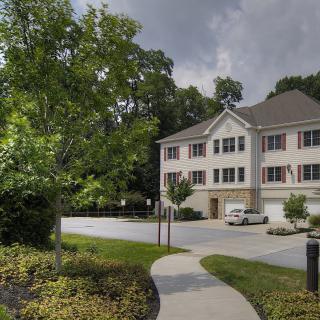
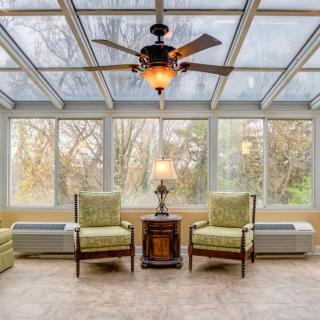
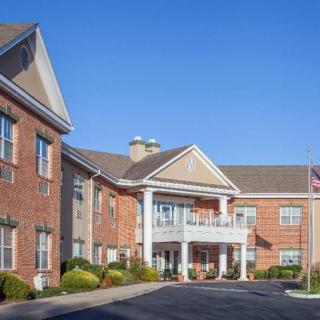
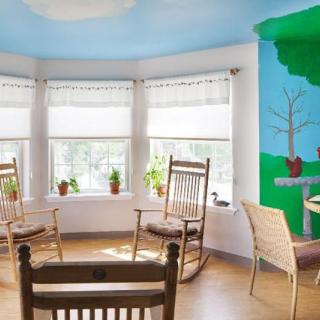
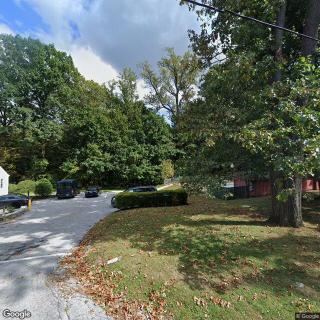
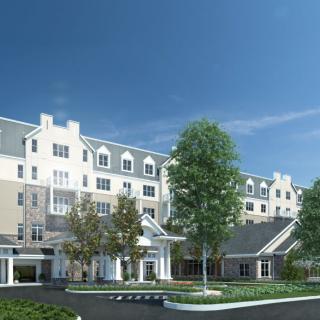
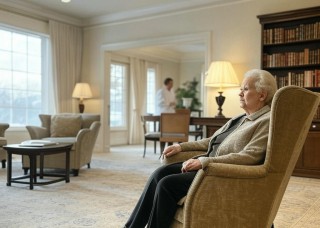
Daylesford Crossing on seniors.fyi includes 22 photos including images showing interior, decor, living room, artwork, dining, bedroom, lighting, television, and more.
Nearby Communities
Companion Homes
Paoli, PA
Abundant nearby amenities (cafes, parks, pharmacies, physicians, restaurants, transport, hospital) for convenience and social life.
A Place at Home - Philadelphia West, PA
Berwyn, PA
4.7 from 32 reviews
Peaceful, comfortable setting with ample nearby amenities.
Highgate at Paoli Pointe
Paoli, PA
4.4 from 115 reviews
$2,460 to $7,410 / month
Friendly, attentive staff with engaging activities and quality dining.
Devereux Pa Adult Services PCH Hirest Cottage
Berwyn, PA
3.9 from 9 reviews
Comprehensive care with 24/7 supervision, medication management, ADL support, and restaurant-style dining with on-site amenities.
Devereux Pa Adult Services Pch Hilltop Cottage
Berwyn, PA
3.5 from 13 reviews
Fully furnished assisted living with personalized care and healthcare coordination.
Gateside
Berwyn, PA
24/7 supervision with ADL support, medication management, and diabetes-friendly dining.
Echo Lake
Malvern, PA
4.7 from 93 reviews
$4,195 to $6,995 / month
Clean, well-maintained facility with friendly staff, engaging activities, and strong dining options.
Life Force Eldercare Corp.
Newtown Square, PA
5 from 1 review
Meticulous caregiver vetting and consistently personalized, relationship-based care.
The Watermark At Bellingham
West Chester, PA
4.4 from 190 reviews
$2,595 to $3,995 / month
Spacious, updated apartments with modern amenities and a friendly, helpful staff
The article presents five subtle indicators of dementia, such as memory lapses and mood swings, to help families assess cognitive decline in loved ones. It emphasizes early detection, open communication, and seeking professional help while providing practical support steps.
Dementia encompasses progressive neurological disorders that impair cognitive functions and can lead to paranoia due to cognitive decline and emotional changes. The article discusses the triggers of paranoia in dementia, caregiver strategies for managing it, and the importance of distinguishing between dementia-related paranoia and other psychiatric conditions.
Memory care activities are essential for improving the quality of life of seniors with cognitive impairments, as they stimulate cognitive function, promote well-being, and encourage social interaction through tailored strategies. These activities combine structured exercises with spontaneous tasks, sensory engagement, physical workouts, creative pursuits, and intergenerational interactions to enhance emotional connection and a sense of purpose.
Get PricingAsk A QuestionSchedule A TourContact Senior Advisor
By clicking submit, you agree to our Partner's Terms of Use. You
also consent to receive calls and texts, which may be autodialed, from our Partner. Your consent is not a condition to
using our Partner's service. Please visit our Partner's Privacy Policy for information about their privacy practices.



 100 resident community capacity
 1-bedroom apartments
 Assisted Living
 Independent Living
 Memory Care
 Respite Care
 Cats allowed
 Dogs allowed
 Activities off-site
 Air-conditioning
 Bath tubs
 Beautician on-site
 Cable or satellite TV
 Computer center
 Devotional services off-site
 Dining room
 Fitness room
 Full kitchen
 Fully furnished
 Gaming room
 Garden
 Ground floor units
 Handicap accessible
 Housekeeping services
 Indoor common areas
 Move-in coordination
 Outdoor common areas
 Private bathrooms
 Restaurant-style dining
 Small library
 Telephone
 Wellness center
 Wheelchair accessible showers
 Wi-Fi/high-speed internet available
 Philadelphia International (17 miles away)
 Community operated transportation
 12-16 hour nursing
 24-hour call system
 Ambulatory care
 Assistance with bathing
 Assistance with dressing
 Assistance with transfers
 Diabetes diet
 Diabetic care
 High acuity care
 Incontinence care
 Medication management
 Mental wellness program
 Special dietary restrictions
 Art classes
 Catholic services
 Concierge services
 Cooking classes
 Day trips and outings
 Educational speakers / life long learning
 Karaoke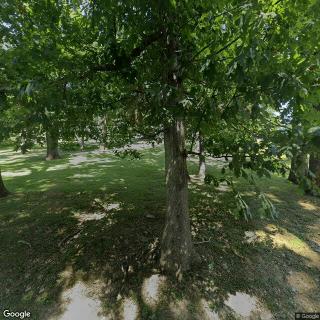
 Abundant nearby amenities (cafes, parks, pharmacies, physicians, restaurants, transport, hospital) for convenience and social life.


 Five Subtle Dementia Indicators to Observe: An In-Depth Guide to Understanding “Does My Mom Have Dementia?”
 Dementia, Paranoia, and Caregiver Guidance: Understanding the Connection
 Engaging Memory Care Activities That Enhance Quality of Life