
237 Leopard Road, Berwyn, PA 19312
For more information about senior living options: (866) 208-4318
Overall Review of Devereux Pa Adult Services Pch Hilltop Cottage
Cons
 The staff are described as treating residents terribly.
- The reviewer reports being disrespected and cursed at by staff.
- The reviewer was accused of recording when they did not.
- Higher-ups are said not to consider residents' feelings or thoughts.
- The staff are said to make residents feel uncomfortable and to text or call while driving, disregarding road safety.
- The reviewer had to point out that the light is green, and then was yelled at.
- The reviewer has been waiting months for a response or update about obtaining a Devereux apartment.
- A group-home staff member allegedly threatened the reviewer, causing safety concerns.
- The Devereux shops are not a good place to work, with pay listed at $7.25 per hour.
Review
Best suited for adults who require tightly structured, group-home level support and for families willing to actively oversee care to guard against quality lapses. This Berwyn community can deliver the basics of supervised living and routine-focused programming, but it demands vigilant advocacy and clear escalation paths. It is not the right fit for someone who expects consistently respectful treatment, steady staff morale, and reliable safety assurances without ongoing family involvement. In short, it works for residents who can tolerate uneven care and who have the bandwidth to push for timely responses and accountability.
Those who should explicitly consider alternatives include anyone prioritizing predictable, high-quality interpersonal care and a consistently safe environment. Several reviews describe disrespectful treatment, staff yelling, and distrustful communication channels, which signals a pattern rather than isolated incidents. Prospective families with a strong requirement for seamless administrative responsiveness, especially around housing or apartment coordination, will likely encounter frustrating delays. If control over staff conduct and a calm, professional atmosphere are nonnegotiable, it makes sense to look elsewhere.
The few acknowledged strengths, dedicated, mission-driven staff and a genuine commitment to helping residents, do not fully offset the core downsides. Positive interactions can happen, and some caregivers are described as compassionate and devoted. Yet these strengths struggle to withstand repeated accounts of being treated with disrespect, being accused of recording when nothing happened, and a broader pattern of leadership not taking resident concerns seriously. When the care team’s reliability is compromised by inconsistent behavior and weak escalation, the perceived care quality erodes quickly, undermining trust essential to daily living and risk management.
Safety and morale emerge as the most serious red flags. Reports of threats by staff, ongoing safety concerns, and fear for personal safety place residents in an untenable position. The fear factor is magnified by fragmented communication with higher-ups who seemingly side with staff over residents. This is not a minor friction; it is a fundamental risk to well-being that families must weigh heavily. Persistence of these dynamics suggests a systemic issue rather than isolated incidents, a critical consideration for anyone evaluating long-term placement.
Operational realities compound the risk. Delays in housing-related steps, such as apartment coordination, create instability and uncertainty for residents who rely on predictable placement and supports. Compensation concerns for frontline teams, illustrated by pay levels at related services, hint at underlying staffing pressures that can translate into higher turnover, less experienced caregivers, and reduced continuity of care. These structural factors materially affect daily life, consistency of routines, and the ability to form trusted relationships with staff.
Bottom line: this community can be a viable option only for families prepared to stay actively involved, demand robust oversight, and accept the possibility of inconsistent care and safety concerns. Prospective residents should insist on concrete safeguards: evidence of incident reporting and follow-up, clear escalation channels, and measurable commitments to staff training and supervision. Before committing, seek direct conversations with current residents or family advocates, request a formal care plan with accountability milestones, and probe how safety incidents are managed and prevented. If those assurances cannot be demonstrated in a credible, verifiable way, the prudent choice is to pursue alternatives that offer steadier staffing, stronger culture of respect, and demonstrable safety.
 18 resident community capacity
 Assisted Living
 Board and Care Home
 Cable or satellite TV
 Dining room
 Fully furnished
 Garden
 Housekeeping services
 Move-in coordination
 Outdoor space
 Telephone
 Wi-Fi/high-speed internet available
 Philadelphia International (16 miles away)
 24-hour supervision
 Activities of daily living assistance
 Assistance with bathing
 Assistance with dressing
 Assistance with transfers
 Diabetes diet
 Meal preparation and service
 Medication management
 Special dietary restrictions
 Transportation arrangement (medical)
 Transportation to doctors appointments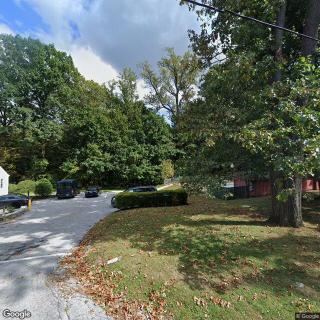
 Comprehensive care with 24/7 supervision, medication management, ADL support, and restaurant-style dining with on-site amenities.



 Is Assisted Living Deductible on Your Taxes? Understanding the Complexities of Assisted Living Expenses and Deductions
 Assisted Living Support for Veterans: A Complete and Detailed Overview
 Exploring the Contrasts Between Assisted Living and Skilled Nursing