
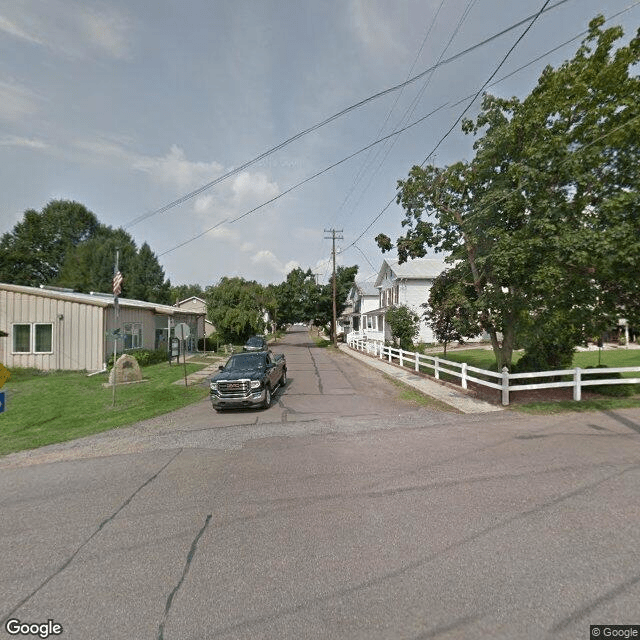
Mill St, Orangeville, PA 17859
To contact a resident: (570) 683-5951
For more information about senior living options: (866) 208-4318
Overall Review of Orangeville Manor Personal
Pros
 The facility is amazing.
- The staff are accommodating and agreeable.
- The employees are nice and the residents are great.
- The facility is lovely with an amazing group of staff.
Cons
 The owner is described as authoritarian, with a "my way or the highway" mentality.
- Complaints are discouraged; she instructs that issues not be discussed with staff but brought directly to her.
- The administrator is viewed as lacking humility, with no one who knew her saying anything good.
- The facility is portrayed as very low budget and in need of renovation, with small, shared rooms.
- The reviewer expresses pity for the residents, implying dissatisfaction with living conditions.
Review
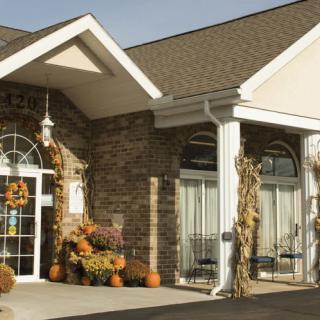
Orangeville Manor Personal in Orangeville, PA is best suited for seniors who prize a warm, intimate setting with consistently friendly staff and a real sense of community, and who can live with modest accommodations and a straightforward, hands-on management style. The atmosphere reads as homey and dependable, with staff who appear to know residents well and routines that promote familiarity and safety. This is not a luxury destination or a campus with expansive amenities, but for families seeking steadiness, predictable care, and social connection, it delivers a recognizable, low-frustration environment.
Those weighing alternatives are wise to consider options that offer more polished leadership, greater transparency in decision-making, and newer or larger living spaces. If independence, privacy, or a strong emphasis on resident agency matters, this community may feel restrictive. Families seeking higher levels of medical oversight on site, broader activity programming, or modernized interiors will likely prefer facilities with bigger private rooms, updated furnishings, and a governance culture that invites resident and family input without a top-down tone.
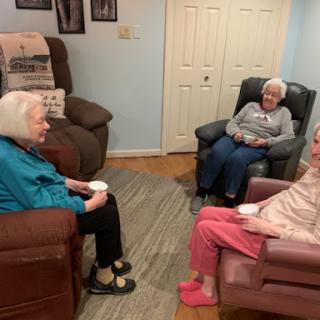
The strongest positives center on the staff and the culture they cultivate. Multiple accounts describe the facility as lovely and the team as amazing, with residents who live there appearing well cared for and companions among neighbors who truly look out for one another. That consistent warmth matters: caregivers who are reliably kind, attentive help with daily tasks, and a sense of everyday camaraderie can make a substantial difference in quality of life, especially for residents who value social ties and routine stability over upscale features.
The most troubling drawbacks are hard to overlook. Several observers flag a highly directive leadership style from the owner, backed by an administrator who is perceived as lacking humility and receptive to feedback. This can translate into a rigid, “army-like” atmosphere where concerns are steered through staff rather than addressed openly with families and residents. Layered on top of that is a limitations-filled environment: a very low budget, small shared rooms, and a clear need for modernization. Privacy and personal space suffer in such a setup, and the dated interior can feel compromising to comfort over the long term.
The practical value of the pros, friendly care, a welcoming daily rhythm, and a visible sense of belonging, partially offsets the cons by delivering reliable, day-to-day reassurance. The care team’s presence and the resident community render meaningful quality of life where worry about logistics or constant supervision is minimized. Yet the strength of this staff cannot fully compensate for a governance structure that limits voices, nor can it erase the impact of cramped rooms and an outdated look and feel when residents’ autonomy and personal comfort are paramount.
In the end, the decision hinges on alignment of priorities. If a potential resident or family member places high importance on steady, personable caregiving within a tightly knit community and can tolerate a strict administrative tone and modest living arrangements, Orangeville Manor Personal can function as a solid, low-stress home. If, instead, privacy, room size, modern amenities, and leadership that actively welcomes input are non-negotiables, it is prudent to explore other communities. A visit should include candid conversations with staff and administrators, a peek at actual room layouts, and clear questions about how concerns are handled, ensuring the fit is right before committing.
 Assisted Living
 Activities on-site
 Devotional services off-site
 Indoor common areas
 Ambulatory care
 Diabetic care
 Meals provided




 Understanding the True Cost of Assisted Living in 2025: A Comprehensive Guide
 Understanding Medicaid Coverage for Assisted Living: A Comprehensive Guide
 How and When Medicaid May Cover Assisted Living Costs