For more information about senior living options: (866) 208-4318
3.7 from 38 reviews
5 stars
16
4 stars
10
3 stars
4
2 stars
1
1 stars
7
Overall Review of Gardens At Orangeville
common10 reviews mention this
Staff responsiveness and caregiving
Residents and families frequently describe caring, responsive staff.
Across many reviews, families say staff are kind and treat residents with respect, including support from aides, nurses, therapists, and office staff. Several reviewers describe being kept informed about changes, appointments, and test results, and highlight case planning and follow-through. A few reviews also mention unprofessional or unsafe experiences, but the overall pattern in the set is that people who are pleased see responsiveness and compassion in daily care.
common4 reviews mention this
Therapy supports recovery and goals
Rehab therapy is often described as helpful and goal-oriented.
Multiple reviews point to the therapy department as a bright spot, especially after short-term rehab or an injury. Reviewers mention receiving a plan of care early, having goals met, and getting help that supported movement back toward home. Others describe disappointing outcomes during rehab, so the therapy experience reads as strong for some residents but not consistently positive for everyone.
caveat3 reviews mention this
Staffing levels are a recurring concern
Some reviewers say staffing is not enough for the workload.
Several reviews raise concerns about not having enough CNA or overall coverage, describing situations where more residents are added without adding staff to match the need. One reviewer also connects staffing strain to care on busy times like meals. A separate set of reviews still credits staff with doing their best, but the staffing complaints show up enough to be a clear tradeoff to consider.
common4 reviews mention this
Food quality varies day to day
Food is generally acceptable, though portions and quality can vary.
Reviews commonly describe the food as good or pretty good, with some mentioning alternatives if a resident dislikes something on the menu. At the same time, other reviewers say there are days when there is not enough food or that food could use work. Restaurant-style dining is listed among the community’s features, aligning with residents who view dining as more than cafeteria-style.
common3 reviews mention this
Activities help residents stay engaged
Residents often mention activities as a positive part of life here.
Several reviews describe activities as a strength, including scheduled daily offerings and times when residents are able to enjoy themselves. Some say they always have something going on, while others tie engagement to a smoother day-to-day experience. One reviewer paints a less upbeat picture during visits, which suggests the activity atmosphere may not feel the same to everyone.
How we summarize
Counts show how many written reviews mention each theme; a review can touch several themes, and only frequently mentioned themes are displayed.
Features
Housing
120 resident community capacity
Types of Care
Skilled Nursing Facility
Amenities
Air-conditioning
Beauty salon
Cable or satellite TV
Computer center
Dining room
Fitness room
Fully furnished
Gaming room
Garden
Housekeeping services
Kitchenette
Move-in coordination
Outdoor space
Private bathrooms
Restaurant-style dining
Small library
Telephone
Wellness center
Wi-Fi/high-speed internet available
Transportation
Community operated transportation
Transportation arrangement
Transportation arrangement (non-medical)
Transportation to doctors appointments
Care Services
12-16 hour nursing
24-hour call system
24-hour supervision
Activities of daily living assistance
Assistance with bathing
Assistance with dressing
Assistance with transfers
Diabetes diet
Meal preparation and service
Medication management
Mental wellness program
Special dietary restrictions
Dining
Diabetes diet
Special dietary restrictions
Activities
Community-sponsored activities
Concierge services
Fitness programs
Planned day trips
Resident-run activities
Scheduled daily activities
Nearby Places of Interest
Restaurants
Diggers Diversion (2 miles)
Lightstreet Hotel (3 miles)
Denny's (3.5 miles)
Turkey Hill Brewing Company (3.6 miles)
Arby's (4.4 miles)
Taco Bell (4.4 miles)
A Taste of Italy (4.4 miles)
Places of Worship
Lightstreet United Methodist Church (2.8 miles)
Spirit Life Church (5.3 miles)
Church of Jesus Christ of Latter Day Saints (5.9 miles)
Bloomsburg Christian Church (8 miles)
Derr's Christian Church (8.2 miles)
Good Shepherd Lutheran Church (9.3 miles)
Physicians
Geisinger (3.6 miles)
Svms Rehab (4.3 miles)
Northeast Ear, Nose & Throat (4.3 miles)
Susquehanna Valley Medical Specialties (4.3 miles)
David M Connuck MD (4.3 miles)
Finnegan Eye Care Centers (4.6 miles)
Geisinger Health System (5 miles)
Hospitals
Geisinger Health System (3.6 miles)
Berwick Hospital (4.3 miles)
Bloomsburg Hospital Greater Columbia Transport (5 miles)
General Surgery At Bloomsburg Hospital (5.1 miles)
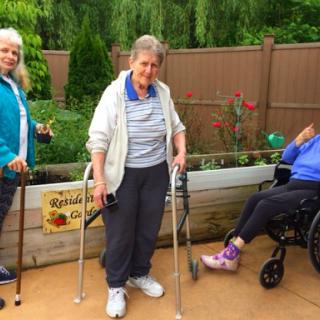
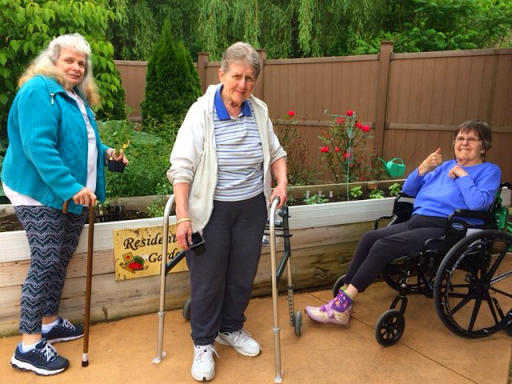
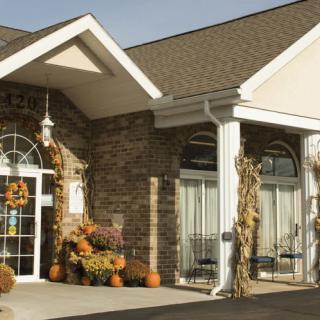
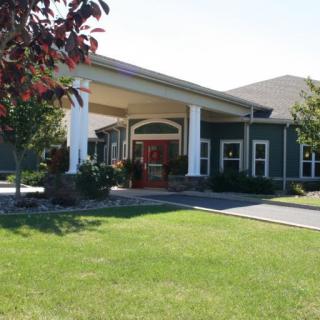
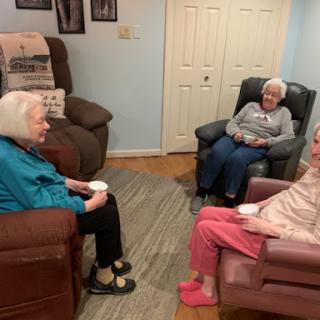
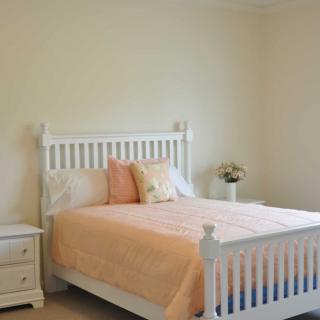
Gardens At Orangeville on seniors.fyi includes 3 photos including images showing outdoors, nature, landscaping, gardening, wheelchair, and more.
Nearby Communities
Orangeville Health and Rehabilitation
Orangeville, PA
3.7 from 27 reviews
Effective physical therapy and dedicated staff.
Our Orangeville Manor Personal Care Home
Orangeville, PA
4 from 10 reviews
Fully furnished rooms with restaurant-style dining and 24-hour assistance (diabetes diet support).
Orangeville Manor Personal
Orangeville, PA
3.7 from 11 reviews
Specialized diabetic care, engaging on-site activities, meals provided, and indoor common areas with devotional services for social and spiritual engagement.
Sunset Ridge Healthcare And Rehabilitation Center
Bloomsburg, PA
4.6 from 34 reviews
Extensive on-site amenities and comprehensive care services.
Brookdale Bloomsburg
Bloomsburg, PA
4.6 from 36 reviews
$3,365 / month
Cozy, intimate setting with attentive, caring staff.
Bloomsburg Care Center And Rehabilitation Center
Bloomsburg, PA
2.2 from 10 reviews
On-site amenities (beauty salon, fitness room, restaurant-style dining) plus comprehensive care (24-hour supervision, transportation, wellness programs, and social activities).
Wolf Run Village
Hughesville, PA
4.4 from 25 reviews
$2,275 to $2,730 / month
Clean facility with attentive staff, engaging activities, and affordable pricing.
Fritzingertown Senior Living Center
Drums, PA
3.8 from 18 reviews
$2,185 to $5,742 / month
Attentive staff with strong communication and a clear, multi-level care structure.
Nottingham Village
Northumberland, PA
4.3 from 34 reviews
$2,593 to $5,490 / month
Beautiful, clean facility with engaging activities and helpful move-in support.
Geriatric care managers create personalized care plans for older adults, addressing their medical, social, financial, and psychological needs while coordinating services and advocating for their well-being. They help families navigate caregiving challenges but may be hindered by high costs and a shortage of qualified professionals.
The article highlights the importance of empathy and open communication when comforting someone who is grieving, noting that grief is unique to each individual and emphasizing the need for sincere expressions of condolence, active listening, and ongoing support. It also addresses cultural differences in mourning practices and encourages tailored approaches to provide effective comfort.
Home health care aides provide vital medical and non-medical support to individuals at home, assisting with daily living activities and promoting emotional well-being, while the demand for these services increases due to an aging population. Families benefit from in-home care's flexibility and cost-effectiveness but face challenges like scheduling consistency and caregiver turnover.
Get PricingAsk A QuestionSchedule A TourContact Senior Advisor
By clicking submit, you agree to our Partner's Terms of Use. You
also consent to receive calls and texts, which may be autodialed, from our Partner. Your consent is not a condition to
using our Partner's service. Please visit our Partner's Privacy Policy for information about their privacy practices.



 120 resident community capacity
 Skilled Nursing Facility
 Air-conditioning
 Beauty salon
 Cable or satellite TV
 Computer center
 Dining room
 Fitness room
 Fully furnished
 Gaming room
 Garden
 Housekeeping services
 Kitchenette
 Move-in coordination
 Outdoor space
 Private bathrooms
 Restaurant-style dining
 Small library
 Telephone
 Wellness center
 Wi-Fi/high-speed internet available
 Community operated transportation
 12-16 hour nursing
 24-hour call system
 Activities of daily living assistance
 Assistance with bathing
 Assistance with dressing
 Assistance with transfers
 Diabetes diet
 Medication management
 Mental wellness program
 Special dietary restrictions
 Concierge services
 Planned day trips
 Effective physical therapy and dedicated staff.
 Is a Geriatric Care Manager the Right Choice for Your Family?
 Compassionate Conversations: How to Comfort Someone Who Is Grieving
 Home Health Care Aides: Understanding Their Role and Supporting Your Family