
211 East First Street, Bloomsburg, PA 17815
For more information about senior living options: (866) 208-4318
Overall Review of Bloomsburg Care Center And Rehabilitation Center
Pros
 The care he received as a patient and the care extended to him as a spouse was exemplary.
- The staff went above and beyond, providing updates on his condition and handling information with kindness and courtesy.
- Physical therapy helped the grandmother.
- It was a nice place to live.
Cons
 The reviewer notes mixed messages and mixed updates.
- The facility sent loved ones home and they are doing poorly.
- The company used staffing services for months, costing over $100,000, and stopped responding to payment requests.
- Alliance Health Care is described as a sham designed to defraud everyone and anyone involved could end up in jail.
- At the facility, a mother has a roommate who screams loudly for hours, affecting her health, with the problem unresolved.
- The place is under investigation for physical abuse, is understaffed, and the staff who care are fleeing.
- The food is horrendous and medications are often late or unavailable; complaints elicit only lip service.
- Maintenance is a joke and the facility is disorganized; the reviewer would never put anyone there.
Review
This community is best suited for families that can act as hands-on advocates and for residents entering rehab where a disciplined, proactive oversight pattern is feasible. When staffing levels and administrative attention cooperate, Bloomsburg Care Center and Rehabilitation Center can deliver meaningful, compassionate care and solid rehabilitation engagement. The strongest cases come from periods when staff were available to coordinate doctor visits, keep families informed, and maintain consistent routines for therapy and discharge planning. In short, it works best for those who can monitor daily care plans, medication administration, and safety practices closely, rather than for families seeking a hands-off experience.
Those who require unwavering consistency, transparent billing, and reliable incident handling may want to consider alternatives. Several reviewers flag ongoing concerns about communication gaps, financial disputes, and care plan execution, suggesting that a low-trust environment could persist without vigorous advocacy. If a family cannot provide regular oversight or if peace of mind depends on predictable, responsive administration, this facility risks ongoing frustration. Potential residents with complex medical needs or those who value continual, proactive management will likely find better matches elsewhere.
The most tangible positives lie in the care moments when staff are fully engaged. One mixed report notes exemplary care and constant, responsive communication during a particular discharge period, including detailed updates to family members and attentiveness to both patient and spouse. Another reviewer highlights a specific therapy discipline, physical therapy, that delivered meaningful progress. A resident who simply wants a pleasant environment to call home may also find the facility “nice,” with a living atmosphere that is comfortable on better days. These pockets of strength demonstrate that the operation can function well under the right conditions, with motivated personnel and steady leadership.
Yet the downsides are weighty enough to redefine the risk calculus. Understaffing appears repeatedly as a core problem, with consequences including missed med timings, delays in care, and limited ability to respond to urgent concerns. Alarming billing and insurance issues surface in multiple accounts, including disputes over payments, unclear billing practices, and confusing notices that can leave families reeling. Complaints about food quality, maintenance inefficiencies, and cosmetic lapses in professional presentation (such as staff attire and overall facility upkeep) further erode confidence. Most troubling are reports of negligence perceptions, investigations for physical abuse, and a drift of committed caregivers away from the facility, all of which signal a fragile core in executive oversight and day-to-day operations.
Practical next steps are essential for anyone seriously weighing Bloomsburg Care Center. Request a candid briefing from the administrator and insist on up-to-date state inspection results, staffing ratios by shift, and a current care plan with specific med administration timelines. Visit at different times of day to observe nurse availability, response times, and how complaints are handled. Speak with multiple residents and family members already navigating care, and verify the consistency of therapy services. Bring a POA or legal representative to review billing practices, authorization for transfers, and insurance coordination. If these controls cannot be demonstrated clearly, the risk profile rises substantially.
The bottom line is blunt: this facility represents a high-stakes choice where the potential for compassionate, effective rehab exists but is eclipsed by persistent questions about staffing, safety, and financial management. For families unwilling or unable to maintain rigorous oversight, other local communities with stronger reputations for reliability and transparent administration are advisable. If Bloomsburg Care Center is pursued, it should be with a concrete plan for ongoing advocacy, a clear billing protocol, and explicit expectations about staffing continuity, med safety, and timely care plans. Only then can the positives genuinely outweigh the substantial, well-documented concerns.
 149 resident community capacity
 Skilled Nursing Facility
 Air-conditioning
 Beauty salon
 Cable or satellite TV
 Computer center
 Dining room
 Fitness room
 Fully furnished
 Gaming room
 Garden
 Housekeeping services
 Kitchenette
 Move-in coordination
 Outdoor space
 Private bathrooms
 Restaurant-style dining
 Small library
 Telephone
 Wellness center
 Wi-Fi/high-speed internet available
 Community operated transportation
 12-16 hour nursing
 24-hour call system
 Activities of daily living assistance
 Assistance with bathing
 Assistance with dressing
 Assistance with transfers
 Diabetes diet
 Medication management
 Mental wellness program
 Special dietary restrictions
 Concierge services
 Planned day trips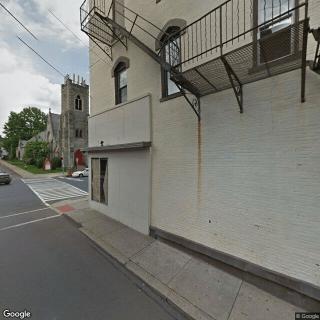




 Top Canine Companions for Older Adults
 Comprehensive Guide to Blood Pressure Charts for Older Adults: Understanding Normal and High Readings by Age
 Financing Long-Term Nursing Home Care Through Social Security: A Thorough Exploration