For more information about senior living options: (866) 208-4318
2.8 from 99 reviews
5 stars
28
4 stars
16
3 stars
6
2 stars
5
1 stars
44
Concordia At The Cedars Costs & Pricing
Concordia At The Cedars offers competitive pricing for its residents when compared to the broader market in Westmoreland County and across Pennsylvania. For a semi-private room, the monthly cost is $2,970, which is slightly above the county average of $2,955 but significantly lower than the state average of $3,542. This trend continues with the one-bedroom units as well, priced at $3,510 - marginally higher than Westmoreland County's average of $3,433 yet more affordable than Pennsylvania's statewide rate of $4,006. These figures reflect Concordia At The Cedars' commitment to providing quality care options that remain accessible while ensuring residents receive excellent services in a comfortable environment.
Floor plans
Concordia At The Cedars
Westmoreland County
Pennsylvania
Semi-Private
$2,970
$2,955
$3,542
1 Bedroom
$3,510
$3,433
$4,006
Skilled Nursing Facilities with a similar price nearby
Several residents describe long waits for help and delayed attention.
A recurring complaint is that families struggle to get timely assistance, especially after residents press call buttons or request basic help. Multiple reviews describe situations where call responses took hours, including waits for pain medication and help with the bathroom. Some reviewers also mention residents left without care for extended periods, with the problems becoming apparent only after a family member escalated concerns.
common10 reviews mention this
Food quality is mixed
Dining earns both praise and strong complaints from reviewers.
Some residents and families report that the food tasted good and fit dietary needs, while others call it terrible or unappetizing. A few reviews describe delays or difficulty with meals and medications, linking the experience to overall care performance. Because the feedback is split, it may help to plan to discuss food preferences and dietary requirements directly.
differentiator16 reviews mention this
Therapy and rehab stand out
Therapy and rehab support is frequently described as thorough and helpful.
Many reviews highlight physical therapy and rehab as a key reason people had a positive experience, including being moved through a recovery plan and receiving helpful, working-focused treatment. Several reviewers specifically praise therapists and the therapy team for being attentive and for pushing residents to regain function. Even among more critical reviews, therapy is sometimes described more positively than other parts of care.
common12 reviews mention this
Activities provide daily engagement
Reviewers often say activities help make days feel structured.
A number of residents and families mention enjoying scheduled activities such as concerts, bingo, and other day-to-day programs. Some praise specific activity staff for interacting well and helping residents stay involved. There are also reviews that connect activity participation to overall happiness, suggesting the programming is a meaningful part of the experience for many people.
common25 reviews mention this
Staff kindness is uneven
Reviews describe staff as friendly and caring, though experiences vary by shift and situation.
Across reviews, many people describe nurses, aides, and therapists as polite, compassionate, and responsive—especially when they felt supported and understood. At the same time, other reviewers report the care experience becoming inconsistent, including shortages and instances of residents not receiving the help they needed. The overall picture is that individual caregivers can be a strong point, but some families have concerns about reliability of coverage.
How we summarize
Counts show how many written reviews mention each theme; a review can touch several themes, and only frequently mentioned themes are displayed.
Features
Housing
87 resident community capacity
Types of Care
Assisted Living
Continuing Care Retirement Community (CCRC)
Respite Care
Skilled Nursing Facility
Amenities
Activities on-site
Air-conditioning
Beauty salon
Cable or satellite TV
Computer center
Devotional services off-site
Dining room
Fitness room
Fully furnished
Gaming room
Garden
Housekeeping services
Indoor common areas
Kitchenette
Move-in coordination
Outdoor space
Private bathrooms
Restaurant-style dining
Small library
Telephone
Wellness center
Wi-Fi/high-speed internet available
Transportation
Community operated transportation
Transportation arrangement
Transportation arrangement (non-medical)
Transportation to doctors appointments
Care Services
12-16 hour nursing
24-hour call system
24-hour supervision
Activities of daily living assistance
Ambulatory care
Assistance with bathing
Assistance with dressing
Assistance with transfers
Diabetes diet
Diabetic care
Incontinence care
Meal preparation and service
Medication management
Mental wellness program
Special dietary restrictions
Dining
Diabetes diet
Meals provided
Special dietary restrictions
Activities
Activities on-site
Community-sponsored activities
Concierge services
Devotional activities offsite
Fitness programs
Planned day trips
Resident-run activities
Scheduled daily activities
Videos
Nearby Places of Interest
Restaurants
Denunzio's Italian Restaurant (0.3 miles)
Domino's Pizza (0.3 miles)
Gateway Grill (0.5 miles)
Max & Erma's (0.5 miles)
Mad Mex (1 miles)
Chick-Fil-A (1 miles)
Chipotle Mexican Grill (1.1 miles)
Hospitals
Forbes Hospital (0.5 miles)
Forbes Regional Hospital (0.5 miles)
LifeCare Hospitals of Pittsburgh-Monroeville (0.7 miles)
Healthsouth Rehabilitation Hospital of Greater Pittsburgh (1.1 miles)
Concordia At The Cedars offers competitive pricing for its residents when compared to the broader market in Westmoreland County and across Pennsylvania. For a semi-private room, the monthly cost is $2,970, which is slightly above the county average of $2,955 but significantly lower than the state average of $3,542. This trend continues with the one-bedroom units as well, priced at $3,510 - marginally higher than Westmoreland County's average of $3,433 yet more affordable than Pennsylvania's statewide rate of $4,006. These figures reflect Concordia At The Cedars' commitment to providing quality care options that remain accessible while ensuring residents receive excellent services in a comfortable environment.
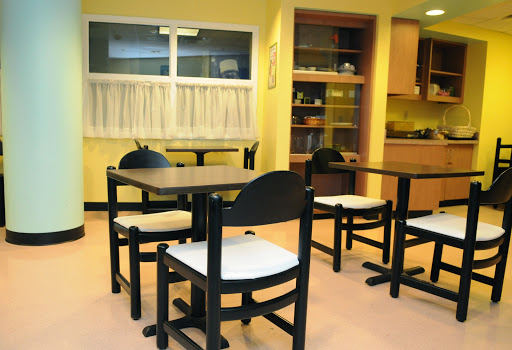
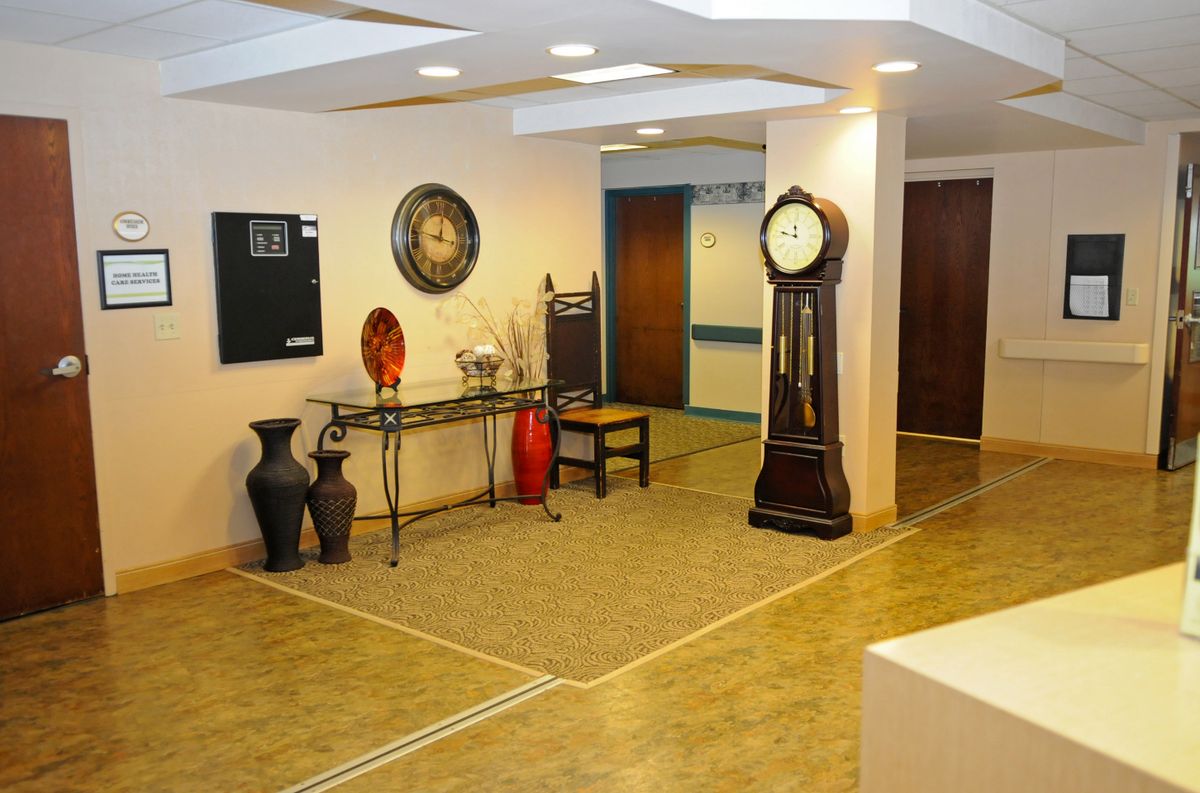
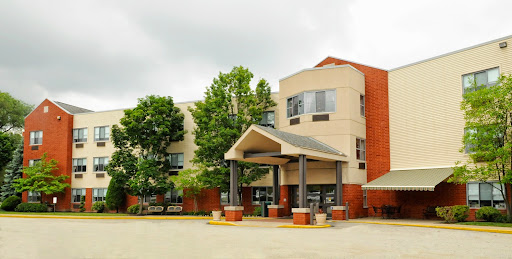
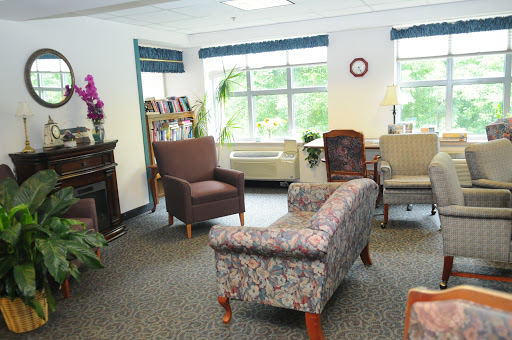
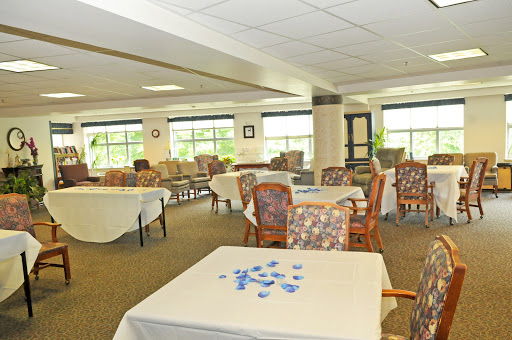
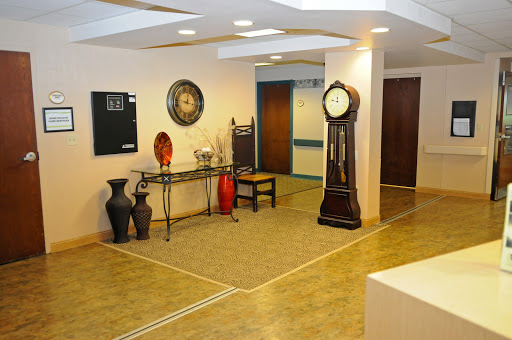
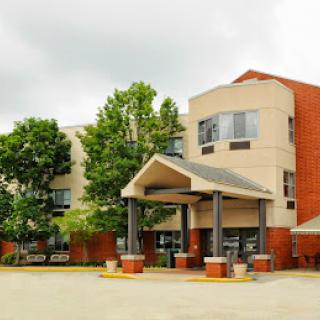
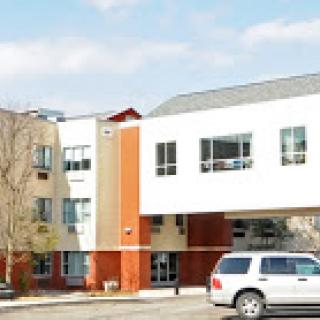
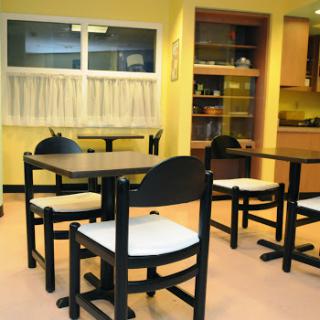
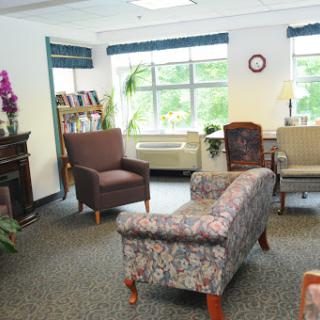
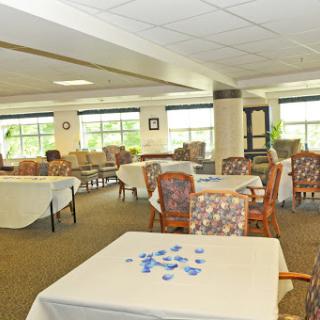
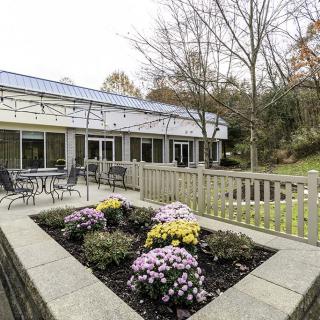
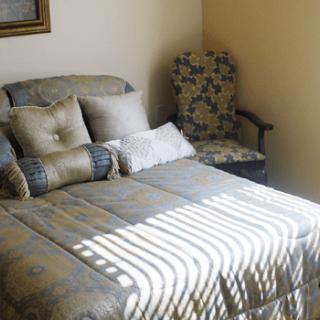
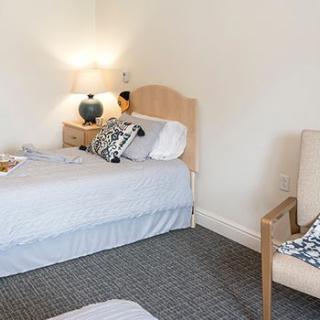
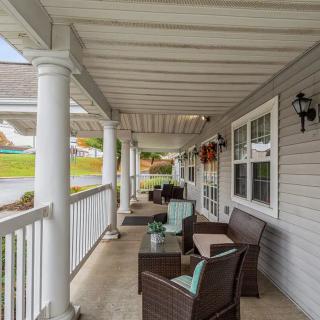
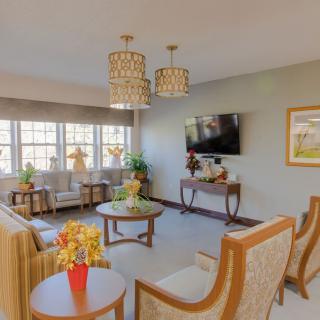
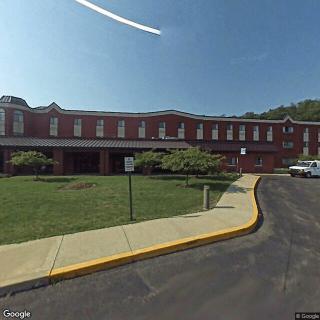
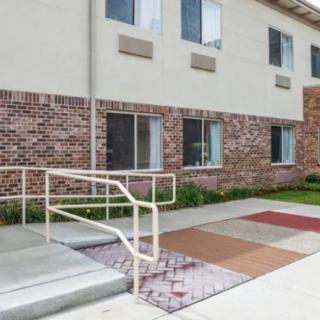
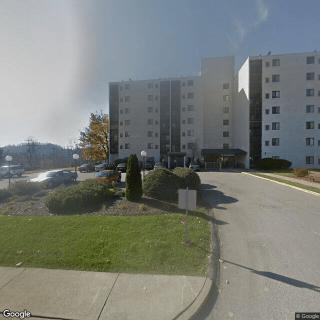
Concordia At The Cedars on seniors.fyi includes 7 photos including images showing interior, building, exterior, urban, lobby, decor, landscaping, entrance, and more.
Nearby Communities
Harmony Physical Rehabilitation
Monroeville, PA
3 from 27 reviews
Fully furnished apartments with 24/7 supervision, medication management, and restaurant-style dining.
Juniper Village at Monroeville
Monroeville, PA
4.5 from 104 reviews
$3,890 to $8,750 / month
Friendly staff in a welcoming, activity-rich environment.
Beatty Pointe Village
Monroeville, PA
4.5 from 28 reviews
$1,800 to $3,500 / month
Vibrant, clean independent living with friendly staff and engaging activities.
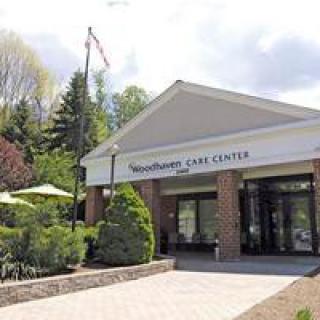
Woodhaven Care Center
Monroeville, PA
1.6 from 11 reviews
Strong rehab and nursing care in some shifts; bright, pleasant spaces.
Manorcare Health Services-Monroeville
Monroeville, PA
2.4 from 42 reviews
$4,500 to $6,150 / month
Extensive amenities and 24/7 supervision with comprehensive care services.
Monroeville Rehabilitation And Wellness Center
Monroeville, PA
2.2 from 58 reviews
Extensive amenities and comprehensive care (24/7 supervision, transportation, wellness programs, and restaurant-style dining).
Golden LivingCenter - Murrysville
Murrysville, PA
3.3 from 4 reviews
$6,813 to $7,317 / month
Compassionate staff with a focus on keeping couples together.
Broadview Manor
Pitcairn, PA
4.5 from 16 reviews
Prime location with nearby cafes, parks, healthcare, restaurants, worship, and hospitals.
Concordia At Ridgewood Place
Pittsburgh, PA
4.3 from 18 reviews
$2,320 to $3,430 / month
Friendly, attentive staff; clean, well-maintained environment; good dining and engaging activities.
The article differentiates between assisted living and memory care, explaining that assisted living supports seniors with daily activities while promoting independence, whereas memory care provides specialized services for individuals with dementia, focusing on secure environments and cognitive support. It also addresses staff training, safety considerations, costs, family involvement, and transition strategies for families navigating these care options.
Family caregivers face emotional, legal, and practical challenges when elderly parents refuse assisted living, often due to fears of losing autonomy. Open conversations and professional assessments can help address these concerns while exploring alternatives and ensuring safety, potentially leading to legal guardianship if necessary.
Luxury assisted living offers high-quality senior care in a resort-like environment that combines essential medical support, gourmet dining, and personalized services to enhance residents' independence and well-being. These upscale facilities emphasize holistic health and community-building through customized care plans and social activities, catering to the growing demand for enriched senior living experiences despite higher costs.
Seating Area, Natural Light, Office, and Decorative Plants
Hallway
Lounge and Spacious
Get PricingAsk A QuestionSchedule A TourContact Senior Advisor
By clicking submit, you agree to our Partner's Terms of Use. You
also consent to receive calls and texts, which may be autodialed, from our Partner. Your consent is not a condition to
using our Partner's service. Please visit our Partner's Privacy Policy for information about their privacy practices.

 87 resident community capacity
 Assisted Living
 Continuing Care Retirement Community (CCRC)
 Respite Care
 Skilled Nursing Facility
 Activities on-site
 Air-conditioning
 Beauty salon
 Cable or satellite TV
 Computer center
 Devotional services off-site
 Dining room
 Fitness room
 Fully furnished
 Gaming room
 Garden
 Housekeeping services
 Indoor common areas
 Kitchenette
 Move-in coordination
 Outdoor space
 Private bathrooms
 Restaurant-style dining
 Small library
 Telephone
 Wellness center
 Wi-Fi/high-speed internet available
 Community operated transportation
 12-16 hour nursing
 24-hour call system
 Ambulatory care
 Assistance with bathing
 Assistance with dressing
 Assistance with transfers
 Diabetes diet
 Diabetic care
 Incontinence care
 Medication management
 Mental wellness program
 Special dietary restrictions
 Concierge services
 Planned day trips
 Fully furnished apartments with 24/7 supervision, medication management, and restaurant-style dining.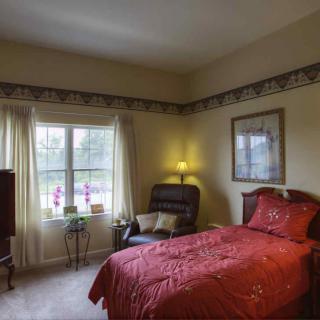

 Understanding the Distinctions: Assisted Living and Memory Care Explained
 Guiding Elderly Parents Who Refuse Assisted Living: 6 Practical Steps
 Your Comprehensive Guide to Luxury Assisted Living: Elevated Facilities, Amenities, and Costs