Arden Courts of Monroeville presents a competitive pricing structure for its residential care options, reflecting the specialized services it offers. For a semi-private room, the monthly cost is $5,550, which significantly exceeds both the Westmoreland County average of $2,955 and the Pennsylvania state average of $3,542. Similarly, studio accommodations are priced at $6,050 - again higher than Westmoreland County's average of $3,436 and Pennsylvania's state figure of $3,737. This pricing may be indicative of Arden Courts' focus on providing tailored memory care programs and a supportive environment that caters specifically to individuals with cognitive challenges.
Floor plans
Arden Courts Of Monroeville
Westmoreland County
Pennsylvania
Semi-Private
$5,550
$2,955
$3,542
Studio
$6,050
$3,436
$3,737
Overall Review of Arden Courts Of Monroeville
common5 reviews mention this
Dining is consistently praised
Residents and families repeatedly describe the food as fresh and well prepared.
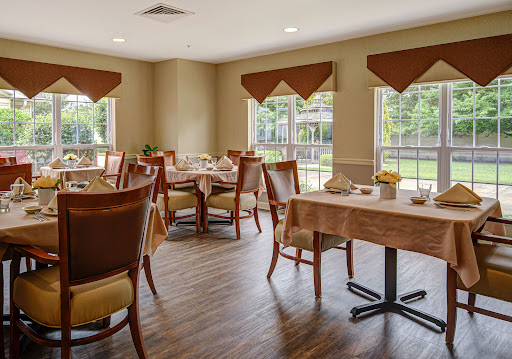
Multiple reviewers point to the meals as a bright spot, calling the food fresh, excellent, and very good. Several also mention the dining experience in a more intimate setup, with smaller dining areas tied to the home-like layout. One reviewer specifically highlights a staff member who plans meals around an individual’s diet and religious needs, and describes additional day-to-day support beyond the kitchen.
common6 reviews mention this
Activities keep residents engaged
Day-to-day activities stand out as varied and engaging for residents.
Reviewers describe an activities schedule that changes often, including puzzles, reading stories, music, singing, and games. Families also mention staff making an effort to involve residents through a variety of planned programming. One reviewer calls out a dedicated activities lead who is creative and attentive, and another notes family-friendly events like themed lunches.
differentiator3 reviews mention this
Secure, home-like environment
The memory-care setting emphasizes security with a home-like layout.
Several reviewers mention a secure setup that helps residents stay safe, including alarms and controlled access. During a tour, one family notes an enclosed outdoor area with a walkway and says the facility had no odors and appeared clean. Another reviewer adds that checks are done regularly and says the design is intended to prevent wandering while still letting residents get outside with assistance.
caveat2 reviews mention this
Concerns about medical follow-through
Some residents experienced gaps in medical attention and communication.
A small number of reviewers are unhappy with how medical needs were handled, describing bedsores worsening, limited follow-up on medications and therapy, and delays getting antibiotics. They also report a lack of communication between caregivers and medical staff and say activities felt uneven for lower-functioning residents. Based on these accounts, families considering memory care may want to ask how medical follow-up and day-to-day coordination are handled over time.
How we summarize
Counts show how many written reviews mention each theme; a review can touch several themes, and only frequently mentioned themes are displayed.
Features
Housing
56 resident community capacity
1-bedroom apartments
2-bedroom apartments
Types of Care
Assisted Living
Memory Care
Respite Care
Amenities
Activities off-site
Activities on-site
Air-conditioning
Beautician on-site
Beauty salon
Cable or satellite TV
Computer center
Devotional services off-site
Devotional services on-site
Dining room
Fitness room
Fully furnished
Gaming room
Garden
Ground floor units
Guasts at mealtime
Guest parking
Housekeeping services
Indoor common areas
Kitchenette
Laundry
Move-in coordination
Outdoor common areas
Outdoor space
Party space
Private bathrooms
Respite or short term stays offered
Restaurant-style dining
Small library
TV room
Telephone
Wellness center
Wheelchair accessible showers
Wi-Fi/high-speed internet available
Transportation
Pittsburgh International (24 miles away)
Community operated transportation
Transportation arrangement
Transportation arrangement (non-medical)
Transportation to doctors appointments
Care Services
12-16 hour nursing
24-hour call system
24-hour supervision
Activities of daily living assistance
Ambulatory care
Assistance with bathing
Assistance with dressing
Assistance with transfers
Diabetes diet
Diabetic care
Hospice care
Incontinence care
Meal preparation and service
Medication management
Mental wellness program
Personal care assistants
Physical therapy
Special dietary restrictions
Walking wheelchair assistance
Dining
Diabetes diet
Guest meals
Kosher
Low / no sodium
Low fat
Meals provided
No Sugar
Professional chef
Renal
Restaurant style dining
Special dietary restrictions
Special dining programs
Vegetarian
Activities
Art classes
Arts and crafts
Book club
Catholic services
Community-sponsored activities
Concierge services
Cooking classes
Cooking club
Day trips and outings
Devotional activities offsite
Devotional activities on-site
Educational speakers / life long learning
Fitness programs
Games
Gardening club
Jewish services
Live dance or theater performances
Live musical performances
Planned day trips
Protestant services
Religious services
Resident-run activities
Scheduled daily activities
Stories
Visiting chaplain or priest
Yoga / chair yoga
Languages Spoken
English
Nearby Places of Interest
Restaurants
Tai Pei-Tokyo Restaurant (0.3 miles)
McDonald's (0.3 miles)
Blaze Pizza (0.4 miles)
Primanti Bros. Restaurant and Bar Monroeville (0.4 miles)
Eat'n Park Restaurant (0.5 miles)
Wendy's (0.6 miles)
Mad Mex (0.8 miles)
Physicians
Joseph J Stuckert II, MD (0.3 miles)
UPMC Physican Services (0.4 miles)
Children's Community Pediatrics - Monroeville Pediatric Associates (0.7 miles)
Arden Courts of Monroeville presents a competitive pricing structure for its residential care options, reflecting the specialized services it offers. For a semi-private room, the monthly cost is $5,550, which significantly exceeds both the Westmoreland County average of $2,955 and the Pennsylvania state average of $3,542. Similarly, studio accommodations are priced at $6,050 - again higher than Westmoreland County's average of $3,436 and Pennsylvania's state figure of $3,737. This pricing may be indicative of Arden Courts' focus on providing tailored memory care programs and a supportive environment that caters specifically to individuals with cognitive challenges.
Arden Courts of Monroeville offers 24-hour supervision, ensuring residents are always monitored and supported, which is crucial for individuals experiencing memory impairments. The provision of assistance with activities of daily living, including bathing and dressing, fosters a sense of dignity while promoting independence within a safe environment. Assistance with transfers helps to prevent falls and accidents, enhancing overall safety. Comprehensive incontinence care allows residents to maintain comfort and hygiene without embarrassment. Meal preparation and service are tailored to meet dietary needs while encouraging social engagement during mealtimes. Medication management ensures that residents receive the correct medications at the right times, avoiding potential health complications. The mental wellness program engages residents cognitively and emotionally, while physical therapy supports their mobility and physical well-being, addressing both mind and body in a holistic manner. Together, these features create a nurturing environment that caters to the unique needs of those with dementia or Alzheimer's disease.
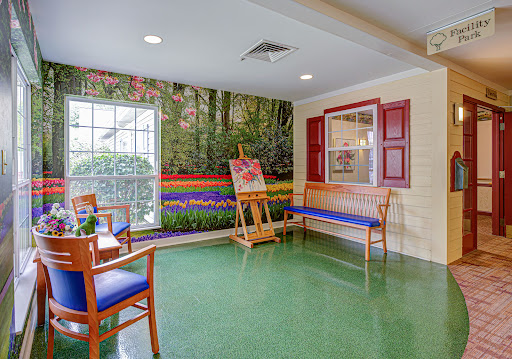
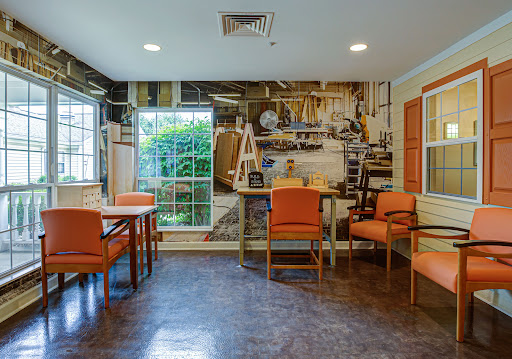
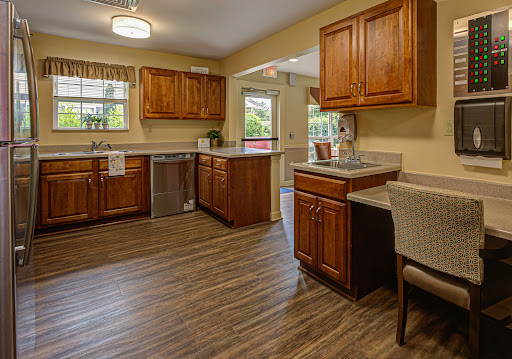
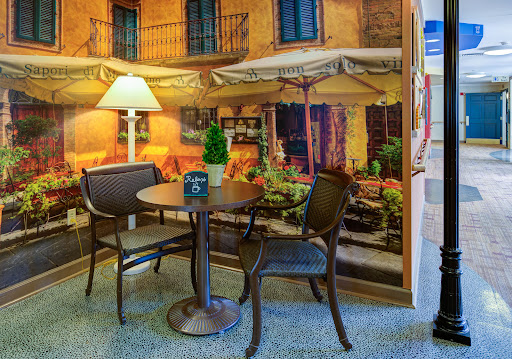
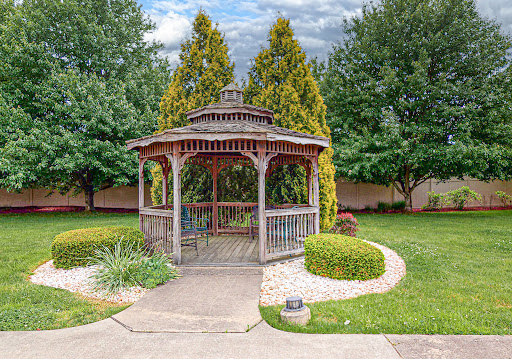
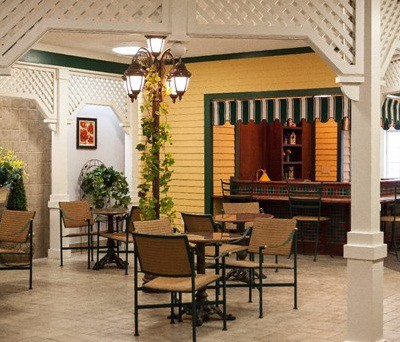
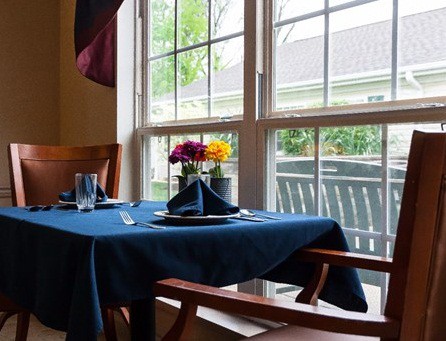
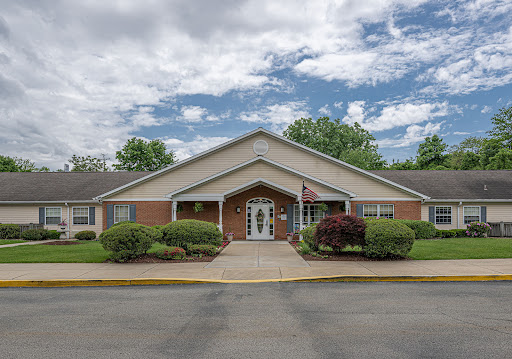
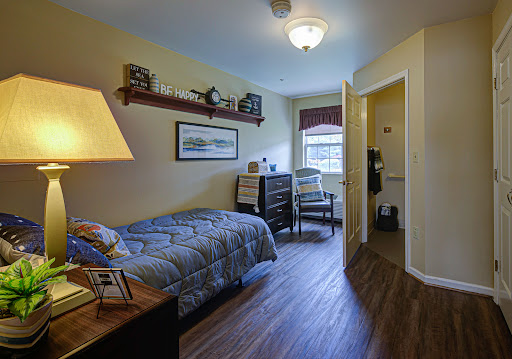
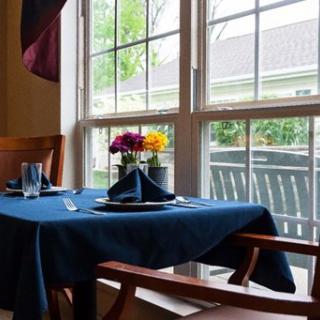
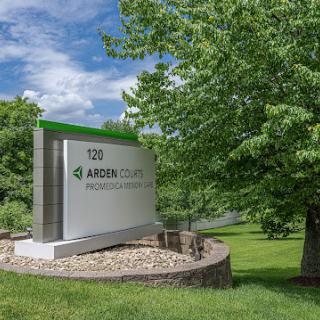
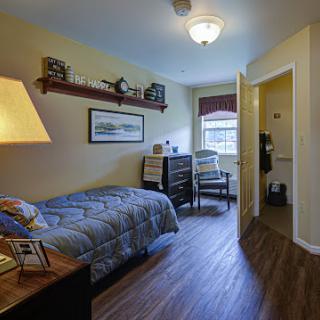
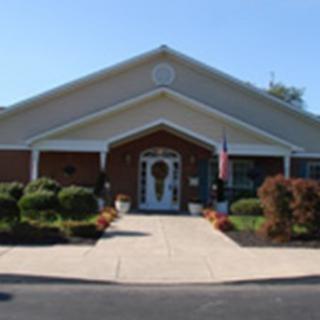
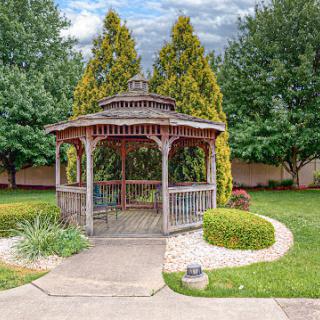
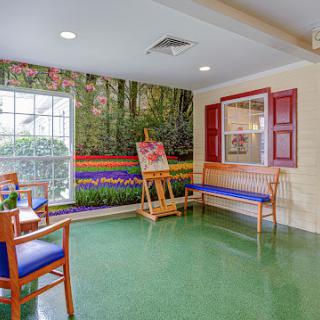
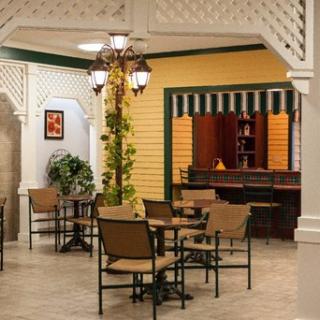
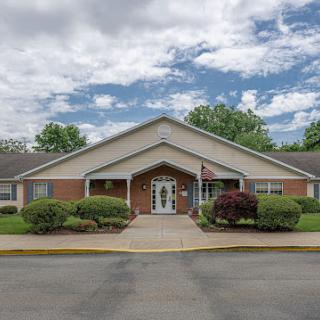
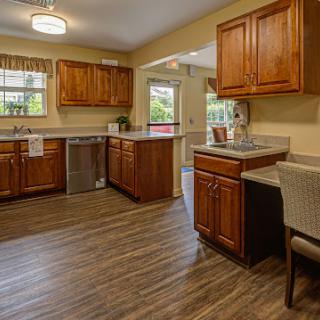
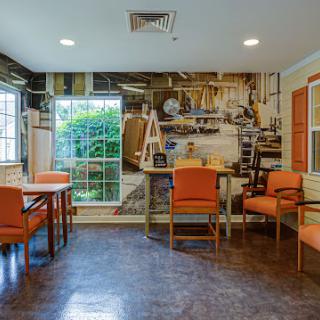
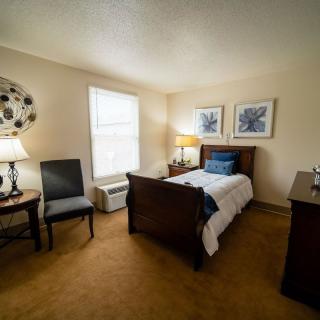
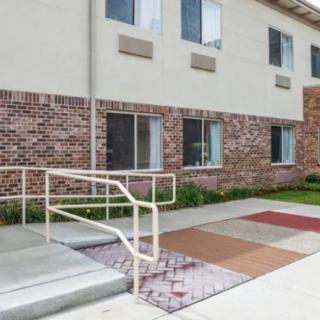
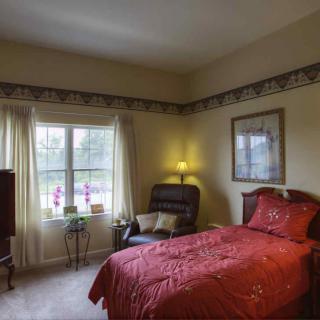
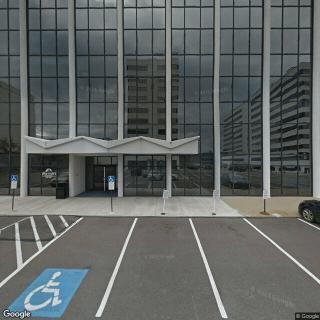
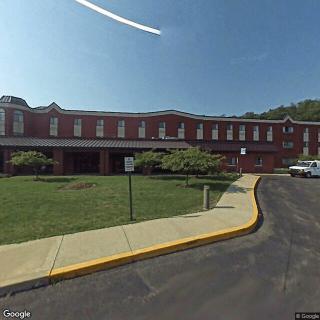
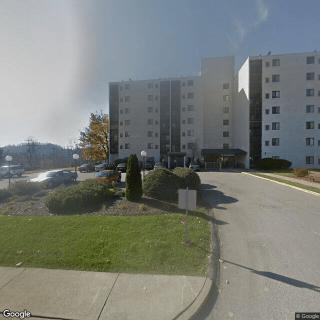
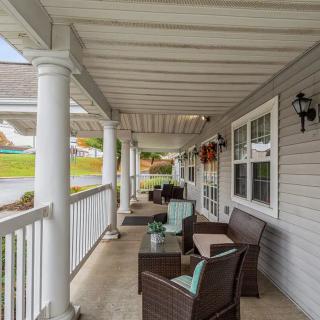
Arden Courts Of Monroeville on seniors.fyi includes 13 photos including images showing interior, landscaping, dining, natural light, outdoor, decor, building, entrance, and more.
Nearby Communities
Abode Care of Monroeville
Monroeville, PA
4.1 from 35 reviews
$3,249 to $4,149 / month
Warm, homelike atmosphere with attentive staff and good dining.
Monroeville Rehabilitation And Wellness Center
Monroeville, PA
2.2 from 58 reviews
Extensive amenities and comprehensive care (24/7 supervision, transportation, wellness programs, and restaurant-style dining).
Independence Court Of Monroeville
Monroeville, PA
3.9 from 81 reviews
$2,929 to $4,536 / month
Friendly staff, clean and spacious rooms, good meals, engaging activities, and a secure memory care unit.
Manorcare Health Services-Monroeville
Monroeville, PA
2.4 from 42 reviews
$4,500 to $6,150 / month
Extensive amenities and 24/7 supervision with comprehensive care services.
Juniper Village at Monroeville
Monroeville, PA
4.5 from 104 reviews
$3,890 to $8,750 / month
Friendly staff in a welcoming, activity-rich environment.
Active Living Home Health
Pittsburgh, PA
2 from 4 reviews
Nearby dining, parks, pharmacies, healthcare, and places of worship.
Beatty Pointe Village
Monroeville, PA
4.5 from 28 reviews
$1,800 to $3,500 / month
Vibrant, clean independent living with friendly staff and engaging activities.
Broadview Manor
Pitcairn, PA
4.5 from 16 reviews
Prime location with nearby cafes, parks, healthcare, restaurants, worship, and hospitals.
Allegheny Place
Penn Hills, PA
4 from 82 reviews
$3,132 to $5,229 / month
Bright, clean, and intimate setting with strong daytime staff and a variety of activities.
The article differentiates between assisted living and memory care, explaining that assisted living supports seniors with daily activities while promoting independence, whereas memory care provides specialized services for individuals with dementia, focusing on secure environments and cognitive support. It also addresses staff training, safety considerations, costs, family involvement, and transition strategies for families navigating these care options.
The article outlines effective communication strategies for interacting with loved ones with dementia, highlighting the need for empathy, patience, and understanding while emphasizing supportive approaches like using simple language, minimizing distractions, and focusing on feelings over facts to maintain dignity and foster connection. It also suggests seeking professional guidance when needed as communication challenges evolve.
VA nursing homes, or Community Living Centers (CLCs), offer tailored long-term care for veterans, featuring medical attention and rehabilitation in a supportive environment. The guide covers facility types, eligibility criteria, financial assistance options, quality of care standards, and alternatives to full-time nursing home placement.
Get PricingAsk A QuestionSchedule A TourContact Senior Advisor
By clicking submit, you agree to our Partner's Terms of Use. You
also consent to receive calls and texts, which may be autodialed, from our Partner. Your consent is not a condition to
using our Partner's service. Please visit our Partner's Privacy Policy for information about their privacy practices.


 56 resident community capacity
 1-bedroom apartments
 Assisted Living
 Memory Care
 Respite Care
 Activities off-site
 Air-conditioning
 Beautician on-site
 Cable or satellite TV
 Computer center
 Devotional services off-site
 Dining room
 Fitness room
 Fully furnished
 Gaming room
 Garden
 Ground floor units
 Guest parking
 Housekeeping services
 Indoor common areas
 Kitchenette
 Laundry
 Move-in coordination
 Outdoor common areas
 Party space
 Private bathrooms
 Restaurant-style dining
 Small library
 Telephone
 Wellness center
 Wheelchair accessible showers
 Wi-Fi/high-speed internet available
 Pittsburgh International (24 miles away)
 Community operated transportation
 12-16 hour nursing
 24-hour call system
 Ambulatory care
 Assistance with bathing
 Assistance with dressing
 Assistance with transfers
 Diabetes diet
 Diabetic care
 Hospice care
 Incontinence care
 Medication management
 Mental wellness program
 Physical therapy
 Special dietary restrictions
 Walking wheelchair assistance
 Art classes
 Book club
 Catholic services
 Concierge services
 Cooking classes
 Day trips and outings
 Educational speakers / life long learning
 Games
Games Jewish services
 Live dance or theater performances
 Live musical performances
 English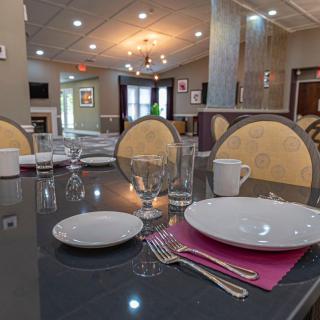
 Warm, homelike atmosphere with attentive staff and good dining.
 Understanding the Distinctions: Assisted Living and Memory Care Explained
 How to Communicate with a Loved One Living with Dementia: 10 Supportive Strategies
 Comprehensive Guide to VA Nursing Homes: A Crucial Long-Term Care Resource for Veterans